 EN
EN
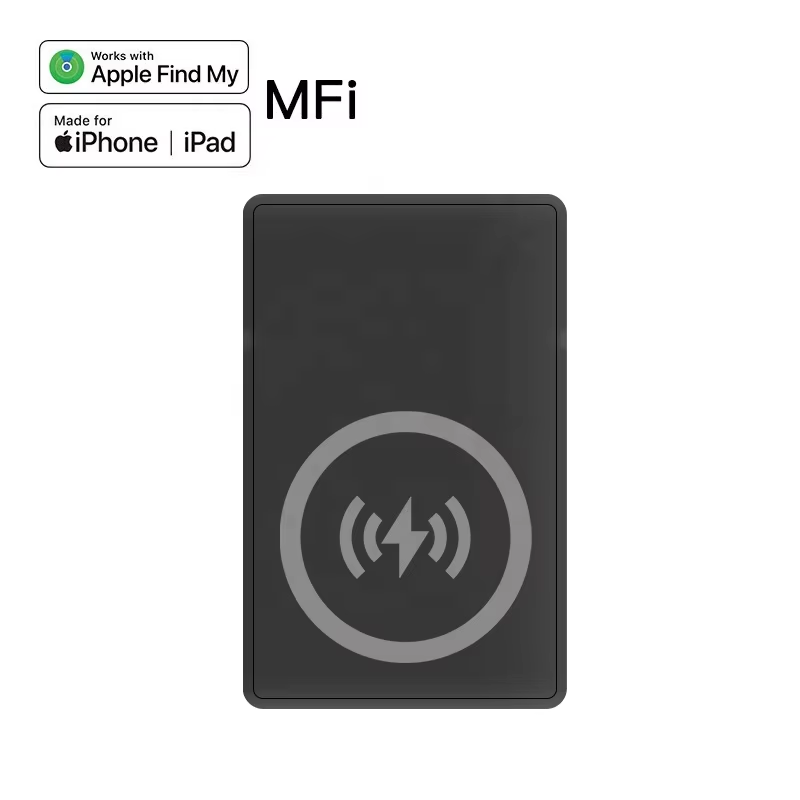
In today's fast-paced business environment, the ability to track and locate valuable assets has become crucial for operational efficiency. Item locators represent a revolutionary technology that enables companies to monitor their equipment, inventory, and personal belongings with unprecedented precision. These sophisticated tracking devices have transformed how businesses approach asset management, offering real-time location data that reduces losses and improves productivity across various industries.

The integration of advanced GPS technology, Bluetooth connectivity, and smart algorithms has made modern item locators incredibly versatile and reliable. Companies across manufacturing, logistics, healthcare, and retail sectors are discovering how these devices can streamline operations while providing valuable insights into asset utilization patterns. The benefits extend beyond simple location tracking, encompassing cost reduction, enhanced security, and improved customer satisfaction through better service delivery.
Understanding Modern Item Locator Technology
Core Components and Functionality
Modern item locators incorporate multiple tracking technologies to ensure comprehensive coverage in various environments. GPS satellites provide outdoor positioning accuracy, while Bluetooth beacons enable precise indoor tracking capabilities. The combination of these technologies creates a seamless tracking experience that works regardless of location constraints. Advanced models feature cellular connectivity for real-time data transmission and extended battery life to support continuous monitoring operations.
The sophisticated sensors embedded within these devices can detect motion, temperature changes, and environmental conditions that may affect tracked assets. This multi-layered approach to tracking ensures that businesses receive comprehensive data about their valuable items. Cloud-based platforms integrate with these hardware components to provide centralized monitoring dashboards that enable remote management and automated alert systems.
Integration Capabilities
Contemporary item locators are designed to integrate seamlessly with existing business management systems through robust API connections. This integration capability allows companies to incorporate tracking data directly into their inventory management, enterprise resource planning, and customer relationship management platforms. The result is a unified view of asset status and location that enhances decision-making processes across all organizational levels.
Mobile applications complement these integration features by providing field personnel with instant access to location data through smartphones and tablets. Real-time notifications alert team members to important events such as unauthorized movement, low battery conditions, or when items enter or exit designated zones. This immediate communication capability ensures rapid response to potential security threats or operational issues.
Strategic Advantages for OEM Partners
Enhanced Product Differentiation
Original Equipment Manufacturers can leverage item locators to differentiate their products in competitive markets by adding intelligent tracking capabilities. This value proposition appeals to customers seeking comprehensive solutions that extend beyond basic functionality. By incorporating tracking technology into their existing product lines, OEMs create new revenue streams while strengthening customer relationships through enhanced service offerings.
The ability to offer customized tracking solutions allows OEMs to address specific industry requirements and regulatory compliance needs. Healthcare equipment manufacturers can ensure medical devices meet stringent tracking requirements, while automotive OEMs can provide fleet management capabilities that improve operational efficiency. This customization potential creates opportunities for premium pricing and long-term service contracts that generate recurring revenue.
Supply Chain Optimization
Item locators enable OEM partners to optimize their supply chain operations through enhanced visibility into product movement and distribution patterns. Real-time tracking data helps identify bottlenecks, reduce transportation costs, and improve delivery scheduling accuracy. This operational intelligence supports data-driven decision making that can significantly impact profitability and customer satisfaction metrics.
The detailed analytics provided by tracking systems reveal valuable insights about product usage patterns and customer behavior. OEMs can utilize this information to inform product development strategies, optimize inventory levels, and identify opportunities for service expansion. The resulting improvements in operational efficiency often translate to competitive advantages that strengthen market position over time.
Business Client Benefits and Applications
Asset Protection and Security
Business clients experience immediate benefits through improved asset protection and enhanced security measures when implementing item locators across their operations. These devices provide continuous monitoring capabilities that deter theft and enable rapid recovery of stolen assets. The psychological impact of visible tracking technology often prevents unauthorized access attempts while providing peace of mind for business owners and employees.
Geofencing capabilities create virtual boundaries around sensitive areas, triggering immediate alerts when tracked items enter or leave designated zones. This feature proves particularly valuable for construction companies managing expensive equipment across multiple job sites, or retail businesses protecting high-value inventory during transportation. The automated nature of these security measures reduces the need for constant human monitoring while improving response times to security incidents.
Operational Efficiency Improvements
The implementation of tracking technology streamlines daily operations by eliminating time-consuming manual search processes for misplaced equipment or inventory. Employees can locate needed items quickly through mobile applications, reducing downtime and improving productivity levels. This efficiency gain becomes particularly significant in large facilities or multi-location operations where asset searches previously consumed substantial labor hours.
Automated inventory tracking capabilities reduce human error in stock management processes while providing real-time visibility into asset utilization rates. Businesses can identify underutilized equipment that could be redistributed to more productive locations, or overutilized assets that may require maintenance or replacement. This data-driven approach to asset management optimizes capital allocation and extends equipment lifespan through proactive maintenance scheduling.
Industry-Specific Applications
Manufacturing and Industrial Sectors
Manufacturing companies benefit significantly from item locators through improved tool management and equipment tracking across production facilities. These devices help maintain accurate inventories of specialized tools and machinery while reducing replacement costs associated with lost or misplaced items. The ability to track equipment maintenance schedules and usage patterns supports predictive maintenance programs that minimize unexpected downtime.
Quality control processes gain enhanced traceability capabilities when products incorporate tracking technology throughout the manufacturing lifecycle. This comprehensive tracking supports regulatory compliance requirements in industries such as aerospace, automotive, and pharmaceuticals where product history documentation is mandatory. The detailed records generated by tracking systems provide valuable evidence for quality audits and certification processes.
Healthcare and Medical Applications
Healthcare facilities utilize item locators to manage expensive medical equipment, pharmaceuticals, and patient care devices across complex hospital environments. The technology ensures critical equipment remains available when needed while reducing procurement costs through improved asset utilization monitoring. Compliance with healthcare regulations becomes more manageable through automated tracking records that document equipment location and usage history.
Patient safety improvements result from better tracking of medical devices and medications throughout treatment processes. The technology supports infection control protocols by monitoring equipment sterilization cycles and preventing cross-contamination through automated compliance alerts. Emergency response capabilities improve when critical medical equipment can be located instantly during crisis situations.
Cost-Benefit Analysis and ROI Considerations
Direct Cost Savings
The most immediate financial benefits from item locators come from reduced asset replacement costs and decreased insurance premiums. Companies typically recover their initial investment within the first year through prevention of just a few asset losses that would otherwise require expensive replacements. Insurance providers often offer significant premium reductions for businesses that implement comprehensive tracking systems, recognizing the reduced risk of theft and loss claims.
Labor cost reductions result from eliminating time spent searching for misplaced equipment and inventory items. The average employee spends approximately thirty minutes daily looking for tools or supplies, representing substantial hidden costs in labor-intensive industries. Tracking technology eliminates this inefficiency while enabling more productive use of employee time on value-generating activities.
Indirect Value Creation
Enhanced customer satisfaction emerges from improved service delivery enabled by better asset management and reduced equipment downtime. Service companies can provide more accurate scheduling and faster response times when they have real-time visibility into equipment location and availability. This improved service quality often translates to higher customer retention rates and premium pricing opportunities.
Competitive advantages develop through operational efficiencies and service improvements that differentiate businesses from their competitors. Companies with superior asset management capabilities can offer more reliable service guarantees and faster turnaround times. These competitive benefits often generate revenue increases that far exceed the initial investment in tracking technology.
Implementation Strategies and Best Practices
Planning and Deployment
Successful implementation of item locators requires careful planning that considers existing workflows and technology infrastructure. Companies should begin with pilot programs that focus on high-value assets or frequently misplaced items to demonstrate immediate value and build organizational support for broader deployment. This phased approach allows for process refinement and staff training before full-scale implementation across all operations.
Integration with existing business systems requires collaboration between IT departments and tracking technology providers to ensure seamless data flow and system compatibility. Proper planning addresses data security requirements, user access controls, and backup procedures that protect sensitive tracking information. Staff training programs ensure employees understand how to effectively utilize tracking capabilities in their daily responsibilities.
Performance Monitoring and Optimization
Ongoing monitoring of tracking system performance helps organizations maximize their investment returns through continuous optimization of tracking parameters and alert settings. Regular analysis of tracking data reveals patterns that can inform operational improvements and identify opportunities for additional efficiency gains. Performance metrics should include asset utilization rates, search time reductions, and loss prevention statistics.
Regular system updates and maintenance ensure continued reliability and access to new features that enhance tracking capabilities. Technology providers typically release firmware updates that improve battery life, expand connectivity options, and add new analytical features. Staying current with these improvements maintains competitive advantages and ensures continued return on investment.
FAQ
What is the typical battery life of modern item locators
Most contemporary item locators feature battery life ranging from six months to several years depending on usage patterns and tracking frequency settings. Devices with GPS capabilities typically consume more power than Bluetooth-only models, but newer technologies like low-power GPS and improved battery chemistry extend operational periods. Many units include battery level monitoring with proactive replacement alerts to prevent service interruptions.
How accurate are item locators in different environments
Location accuracy varies by environment and technology type, with GPS providing accuracy within three to five meters outdoors and Bluetooth beacons achieving sub-meter precision indoors. Multi-technology devices combine different positioning methods to maintain consistent accuracy across various environments. Factors such as building construction, weather conditions, and electromagnetic interference can affect performance, but modern systems compensate for these variables through advanced algorithms.
Can item locators integrate with existing business software systems
Yes, most professional-grade item locators offer robust API integration capabilities that connect with enterprise resource planning, inventory management, and customer relationship management systems. This integration enables automated data synchronization and eliminates manual data entry requirements. Popular platforms include REST APIs, webhooks, and direct database connections that support real-time data exchange between tracking systems and business applications.
What are the ongoing costs associated with item locator implementation
Ongoing costs typically include cellular data plans for GPS-enabled devices, cloud platform subscription fees, and periodic battery replacements. Monthly service fees range from two to ten dollars per device depending on features and data usage requirements. Many providers offer volume discounts for large deployments, and the total cost of ownership often proves favorable when compared to asset replacement and labor costs associated with manual tracking methods.