 EN
EN
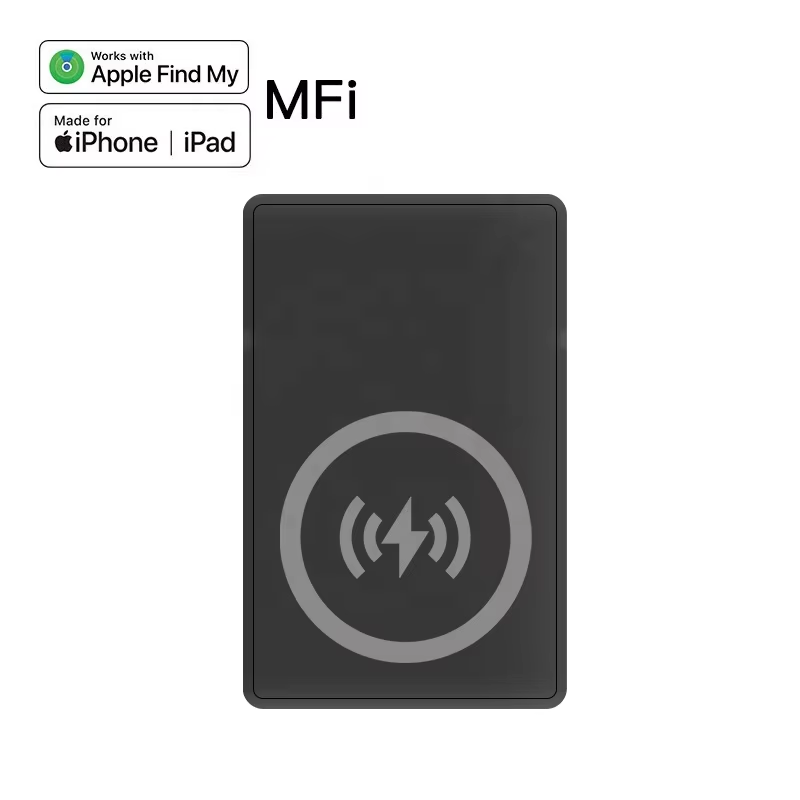
In today's fast-paced business environment, the demand for innovative tracking solutions has reached unprecedented levels. Companies across various industries are increasingly seeking reliable wallet tracker technologies to enhance their product offerings and meet evolving customer expectations. The integration of advanced tracking capabilities into everyday items has transformed from a luxury feature into an essential business requirement, particularly for organizations looking to differentiate themselves in competitive markets.
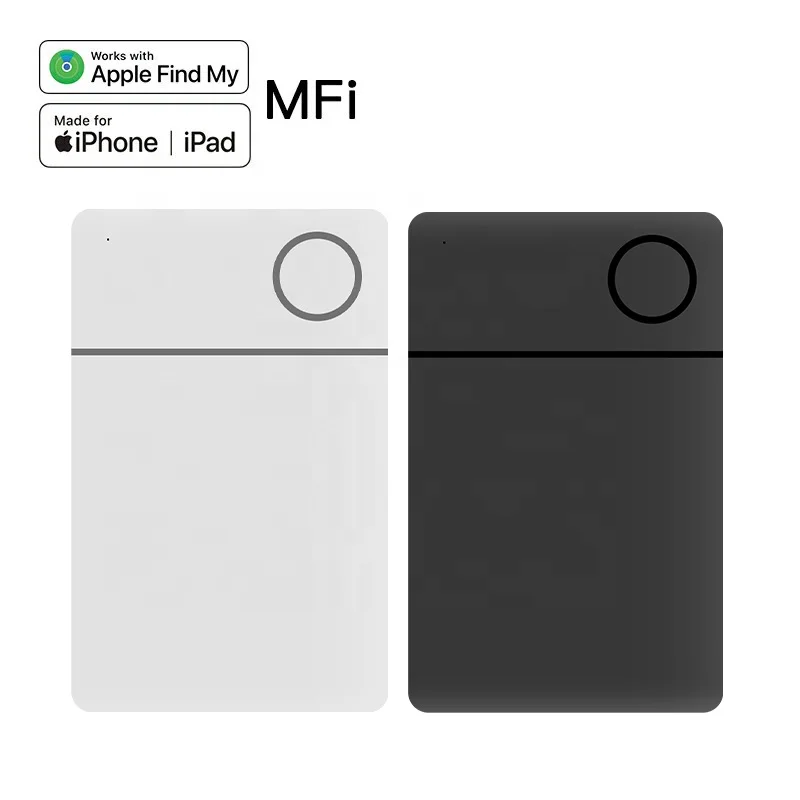
Original Equipment Manufacturers (OEMs) and businesses requiring bulk purchasing solutions face unique challenges when implementing wallet tracker technology. These organizations must balance cost-effectiveness with performance reliability while ensuring scalability for large-volume deployments. The strategic integration of tracking devices into existing product lines requires careful consideration of technical specifications, manufacturing processes, and long-term partnership agreements with specialized suppliers.
Understanding OEM Requirements for Wallet Tracker Integration
Technical Specifications and Performance Standards
OEM partners require wallet tracker solutions that meet stringent technical specifications while maintaining consistent performance across large production volumes. These devices must demonstrate exceptional battery life, typically exceeding twelve months of continuous operation, to minimize maintenance requirements and enhance end-user satisfaction. The compact form factor remains crucial, with thickness measurements often restricted to credit card dimensions to ensure seamless integration into existing wallet designs.
Connectivity protocols represent another critical consideration for OEM applications. Modern wallet tracker implementations leverage advanced Bluetooth Low Energy (BLE) technology, providing reliable communication ranges up to 200 feet in optimal conditions. The integration of Find My network compatibility ensures global tracking capabilities, extending functionality beyond direct Bluetooth connectivity. These technical requirements directly impact manufacturing processes and quality control procedures throughout the production lifecycle.
Manufacturing and Quality Control Considerations
Successful OEM partnerships depend heavily on establishing robust manufacturing protocols that ensure consistent product quality across large-scale production runs. Quality control measures must encompass component sourcing, assembly processes, and final testing procedures to meet the exacting standards expected by end customers. The implementation of automated testing systems becomes essential when processing thousands of units daily, requiring sophisticated equipment capable of validating connectivity, battery performance, and physical durability.
Material selection plays a crucial role in determining the long-term success of wallet tracker integration projects. OEM manufacturers must consider factors such as electromagnetic interference resistance, temperature tolerance ranges, and mechanical stress resistance when selecting appropriate materials. The choice between flexible circuit boards and traditional PCB designs significantly impacts both production costs and final product performance characteristics.
Bulk Ordering Strategies and Volume Pricing Models
Scalable Procurement Approaches
Organizations pursuing bulk wallet tracker acquisitions must develop comprehensive procurement strategies that address both immediate deployment needs and future expansion requirements. Volume-based pricing structures typically offer significant cost advantages, with potential savings reaching 40-60% compared to individual unit purchases. However, these bulk arrangements require careful analysis of inventory management capabilities, storage requirements, and deployment timelines to maximize investment returns.
Strategic partnerships with established wallet tracker manufacturers provide access to preferential pricing tiers and priority production scheduling. These relationships often include additional benefits such as technical support services, customization options, and extended warranty coverage. The negotiation process for large-volume contracts typically involves detailed discussions regarding minimum order quantities, delivery schedules, and payment terms that align with organizational cash flow requirements.
Inventory Management and Distribution Networks
Effective inventory management becomes increasingly complex as wallet tracker deployment scales expand across multiple locations or customer segments. Organizations must implement sophisticated tracking systems to monitor device allocation, deployment status, and maintenance schedules. The integration of inventory management software with existing enterprise resource planning (ERP) systems streamlines operational workflows and reduces administrative overhead.
Distribution network optimization ensures efficient delivery of wallet tracker devices to end users while minimizing logistics costs. Regional distribution centers provide strategic advantages for large-scale deployments, enabling faster response times and reduced shipping expenses. The establishment of local support networks facilitates troubleshooting assistance and replacement device distribution when necessary.
Customization Options for Brand Integration
Visual Branding and Design Flexibility
Modern wallet tracker solutions offer extensive customization possibilities that enable seamless integration with existing brand identities. Logo placement options, color scheme modifications, and material finish selections allow organizations to maintain brand consistency across their product portfolios. These customization capabilities extend beyond simple aesthetic considerations to include functional modifications such as button placement, indicator light configurations, and packaging design elements.
Advanced printing technologies enable high-resolution graphics reproduction on wallet tracker surfaces, supporting complex brand elements and detailed product information. The durability of these printed elements requires specialized coating processes that resist wear, moisture exposure, and temperature variations throughout the product lifecycle. Quality assurance testing for customized branding elements adds complexity to manufacturing processes but ensures long-term brand representation integrity.
Software Integration and Mobile Application Development
Comprehensive wallet tracker solutions increasingly require sophisticated software components that enhance user experience and provide valuable analytics capabilities. Custom mobile application development enables organizations to maintain direct customer relationships while collecting usage data that informs future product development initiatives. These applications typically integrate with existing customer service platforms and support systems to provide seamless user experiences.
Application programming interfaces (APIs) facilitate integration with enterprise management systems, enabling automated device provisioning, user account management, and performance monitoring capabilities. The development of white-label software solutions allows organizations to maintain brand consistency throughout the entire user experience while leveraging proven technological frameworks.
Market Applications and Industry Use Cases
Corporate and Enterprise Deployments
Corporate environments present unique opportunities for wallet tracker implementations, particularly in organizations where employee identification cards, access badges, and payment cards require enhanced security measures. Large corporations often deploy thousands of tracking devices across multiple facilities, necessitating sophisticated management systems and support infrastructure. These deployments typically emphasize security features, battery longevity, and integration with existing access control systems.
Financial institutions represent a significant market segment for wallet tracker technology, given the critical importance of payment card security and customer experience enhancement. Banks and credit unions increasingly offer wallet tracker devices as premium customer benefits, requiring large-scale procurement arrangements and ongoing technical support services. The integration of tracking capabilities with banking mobile applications provides additional value propositions for customer retention and satisfaction initiatives.
Retail and Consumer Product Integration
Retail organizations leverage wallet tracker technology to differentiate their product offerings and create additional revenue streams through premium accessory sales. Department stores, electronics retailers, and specialty gift shops require reliable supplier relationships that support diverse inventory requirements and seasonal demand fluctuations. The ability to offer customized wallet tracker solutions enhances customer satisfaction and supports higher profit margins compared to generic tracking devices.
Promotional product companies increasingly incorporate wallet tracker technology into corporate gift programs and marketing campaigns. These applications require flexible minimum order quantities, rapid production capabilities, and comprehensive branding options to meet diverse client requirements. The development of promotional-specific pricing models and packaging solutions supports market expansion within the corporate gifts and incentives industry.
Technical Support and Long-term Partnership Benefits
Comprehensive Support Infrastructure
Successful wallet tracker deployments require robust technical support infrastructure that addresses installation, configuration, and troubleshooting requirements throughout the product lifecycle. Dedicated support teams with specialized training provide essential assistance for large-scale implementations, ensuring minimal disruption to business operations during deployment phases. These support services typically include phone, email, and online chat assistance available during extended business hours.
Technical documentation and training resources enable internal IT teams to manage routine maintenance and user support tasks independently. Comprehensive user manuals, installation guides, and troubleshooting procedures reduce dependency on external support services while empowering organizations to resolve common issues efficiently. Regular training sessions and webinar presentations keep technical staff updated on software updates and new feature implementations.
Future Technology Integration and Upgrade Pathways
Long-term partnerships with wallet tracker manufacturers provide access to emerging technologies and upgrade pathways that extend product lifecycles and maximize investment returns. Regular technology roadmap discussions ensure organizations remain informed about upcoming features, compatibility requirements, and migration strategies. These forward-looking partnerships enable proactive planning for technology transitions and minimize disruption to existing operations.
The evolution of tracking technologies continues to introduce new capabilities such as improved battery efficiency, enhanced connectivity options, and advanced analytics features. Established supplier relationships facilitate early access to beta testing programs and preferential pricing for next-generation products. These advantages become increasingly valuable as competition intensifies and technological advancement accelerates within the tracking device industry.
FAQ
What are the minimum order quantities for OEM wallet tracker partnerships
Most established wallet tracker manufacturers require minimum order quantities ranging from 1,000 to 10,000 units for OEM partnerships, depending on customization requirements and production complexity. These quantities reflect the economies of scale necessary to support custom tooling, specialized assembly processes, and quality control procedures. Organizations should expect initial setup costs and longer lead times for first-time orders, with subsequent productions typically offering improved pricing and faster delivery schedules.
How long does the customization and production process typically take
Standard customization and production timelines for wallet tracker projects range from 4-8 weeks, depending on the complexity of modifications and current production capacity. Simple branding applications such as logo printing may require only 2-3 weeks, while comprehensive hardware modifications or custom packaging solutions can extend timelines to 10-12 weeks. Organizations should plan accordingly and communicate delivery requirements early in the negotiation process to ensure alignment with project schedules.
What warranty and support options are available for bulk purchases
Bulk wallet tracker purchases typically include extended warranty coverage ranging from 12-24 months, significantly exceeding standard consumer warranty periods. Support options commonly include dedicated account management, priority technical assistance, and replacement device programs for defective units. Many suppliers offer comprehensive service level agreements (SLAs) that guarantee response times and resolution procedures for business-critical applications.
Can wallet tracker devices be integrated with existing enterprise systems
Modern wallet tracker solutions offer extensive integration capabilities through APIs and software development kits (SDKs) that facilitate connection with existing enterprise systems. Common integration points include employee management systems, access control platforms, and customer relationship management (CRM) software. These integrations enable automated device provisioning, user account synchronization, and comprehensive reporting capabilities that enhance operational efficiency and provide valuable usage analytics.