 EN
EN
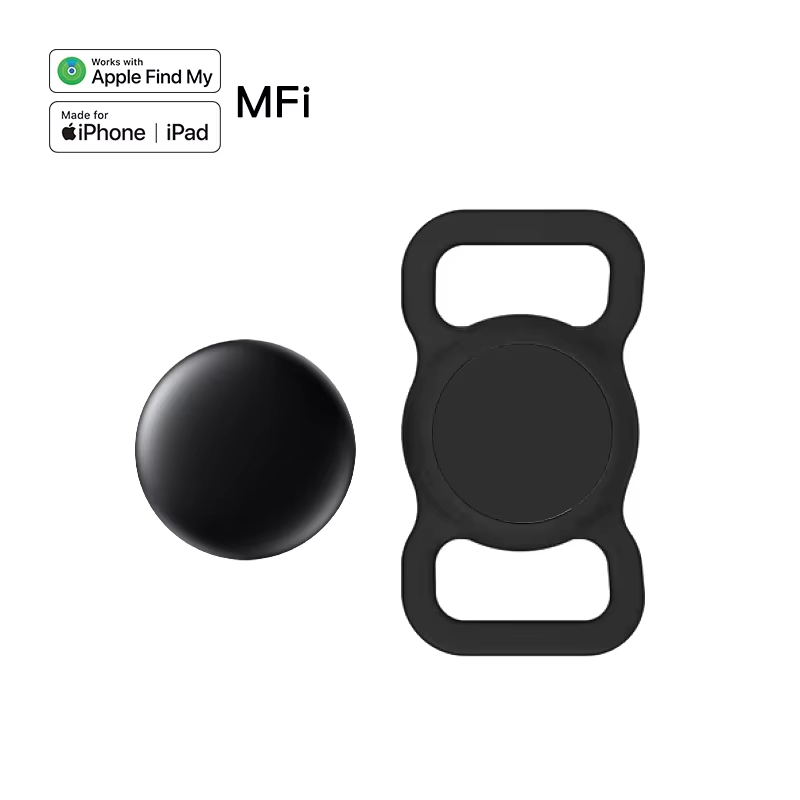
Corporate travel management has evolved significantly in recent years, with companies increasingly seeking sophisticated solutions to protect valuable assets and ensure employee safety. Modern businesses are discovering that luggage trackers represent a critical component of comprehensive travel security protocols, offering real-time visibility into the location and status of corporate equipment, documents, and personal belongings. These advanced tracking devices have transformed from simple consumer gadgets into enterprise-grade solutions that address complex organizational requirements while maintaining the reliability and precision that corporate environments demand.

The integration of GPS technology, cellular connectivity, and cloud-based monitoring systems has created unprecedented opportunities for businesses to maintain control over their mobile assets. Enterprise clients are particularly interested in customizable tracking solutions that can be seamlessly integrated into existing corporate infrastructure while providing the scalability and security features necessary for large-scale deployments. This technological advancement has opened new markets for OEM manufacturers who can provide white-label solutions tailored to specific industry requirements and branding specifications.
Understanding Corporate OEM Market Demands
Customization and Branding Requirements
Corporate clients seeking OEM solutions for tracking devices typically require extensive customization options that extend far beyond basic functionality. These organizations need devices that reflect their brand identity through custom logos, color schemes, and packaging designs that align with their corporate aesthetic. The ability to modify user interfaces, mobile applications, and web dashboards to match company branding guidelines has become a fundamental requirement for successful OEM partnerships in the enterprise market.
Manufacturing partners must demonstrate flexibility in adapting hardware designs to accommodate specific corporate requirements while maintaining production efficiency and cost-effectiveness. This includes the capability to integrate proprietary software systems, implement custom reporting features, and provide specialized packaging solutions that enhance the unboxing experience for corporate users. The most successful OEM relationships are built on the manufacturer's ability to balance standardized production processes with the unique customization needs of each corporate client.
Scalability and Volume Production
Enterprise deployments often involve thousands or tens of thousands of devices, requiring OEM partners to demonstrate robust manufacturing capabilities and supply chain management expertise. Corporate buyers evaluate potential suppliers based on their ability to maintain consistent quality standards across large production runs while meeting aggressive delivery timelines that align with organizational rollout schedules. This scalability requirement extends beyond manufacturing to include technical support, documentation, and training materials that can accommodate large user bases.
Volume pricing structures and flexible payment terms become critical factors in corporate decision-making processes, as procurement departments must justify significant capital expenditures while managing budget constraints and approval workflows. Successful OEM partners develop comprehensive volume discount programs and establish clear pricing tiers that provide predictable costs for different deployment scenarios, enabling corporate buyers to make informed financial decisions and secure necessary internal approvals.
Technical Specifications for Enterprise Applications
Battery Life and Power Management
Corporate applications demand exceptional battery performance to minimize maintenance overhead and ensure continuous operation during extended business trips. Enterprise users cannot afford device failures due to power depletion, making advanced power management systems and extended battery life essential features for corporate tracking solutions. Modern luggage trackers incorporate intelligent power management algorithms that optimize energy consumption based on usage patterns and environmental conditions.
The implementation of low-power communication protocols and adaptive sampling rates allows enterprise-grade devices to achieve battery life measured in months rather than days, significantly reducing the total cost of ownership for corporate deployments. Advanced power management features include sleep modes during periods of inactivity, optimized GPS polling intervals based on movement detection, and intelligent cellular communication scheduling that balances real-time tracking requirements with power conservation objectives.
Connectivity and Network Reliability
Enterprise tracking solutions must operate reliably across diverse geographic regions and network conditions, requiring multi-band cellular connectivity and fallback communication options for areas with limited coverage. Corporate users travel internationally, necessitating devices that can seamlessly transition between different cellular networks while maintaining consistent performance and data transmission capabilities. This global connectivity requirement drives the need for sophisticated antenna designs and advanced signal processing capabilities.
Network redundancy becomes particularly important for mission-critical applications where tracking data must be transmitted regardless of local network conditions. Enterprise-grade devices often incorporate multiple communication protocols including cellular, WiFi, and Bluetooth connectivity options that provide backup communication channels and enable indoor tracking capabilities in areas where GPS signals may be compromised. These multi-protocol approaches ensure continuous monitoring and data transmission across diverse operational environments.
Security and Compliance Considerations
Data Encryption and Privacy Protection
Corporate tracking solutions must implement robust encryption protocols to protect sensitive location data and ensure compliance with increasingly stringent privacy regulations. Enterprise clients require comprehensive security measures that protect both device communications and stored data from unauthorized access while maintaining the transparency and auditability necessary for regulatory compliance. Advanced encryption standards and secure communication protocols have become non-negotiable requirements for corporate deployments.
Privacy protection extends beyond technical implementation to include clear data governance policies and user consent management systems that enable organizations to comply with regional privacy regulations such as GDPR, CCPA, and other emerging data protection frameworks. Successful OEM partners provide comprehensive documentation of security measures and privacy protections that enable corporate legal teams to evaluate compliance requirements and implement appropriate usage policies.
Integration with Corporate Security Systems
Enterprise tracking solutions must integrate seamlessly with existing corporate security infrastructure including access control systems, incident management platforms, and threat detection tools. This integration capability enables organizations to create comprehensive security ecosystems where tracking data contributes to broader situational awareness and risk management objectives. API compatibility and standardized data formats facilitate these integrations while reducing implementation complexity and ongoing maintenance requirements.
The ability to configure automated alerts and notifications based on specific corporate security policies enhances the value proposition for enterprise clients who need customizable monitoring capabilities. Advanced integration features include support for single sign-on authentication systems, compatibility with corporate directory services, and the ability to generate detailed audit logs that meet corporate governance and compliance requirements.
Manufacturing and Supply Chain Excellence
Quality Assurance and Testing Protocols
Corporate OEM partnerships require manufacturers to implement comprehensive quality assurance programs that ensure consistent performance across all production units while meeting the reliability standards expected in enterprise environments. These quality systems must include rigorous testing protocols that validate device performance under various environmental conditions, stress testing procedures that simulate real-world usage scenarios, and statistical quality control measures that identify and address potential issues before they impact customer deployments.
Advanced testing capabilities include environmental simulation chambers that replicate extreme temperature conditions, humidity levels, and shock resistance requirements that corporate users may encounter during international travel. Manufacturers must also implement comprehensive electromagnetic compatibility testing to ensure devices operate reliably in environments with high levels of electronic interference, such as airports, hotels, and corporate facilities with dense technology deployments.
Regulatory Compliance and Certifications
Global corporate deployments require tracking devices to obtain multiple regulatory certifications across different markets, including FCC approval for North American markets, CE marking for European deployment, and IC certification for Canadian operations. These regulatory requirements extend beyond basic radio frequency compliance to include battery safety certifications, environmental impact assessments, and packaging requirements that vary by geographic region and industry sector.
Successful OEM manufacturers maintain comprehensive certification portfolios and established relationships with testing laboratories that enable rapid certification processes for new product variants and customized solutions. This regulatory expertise becomes particularly valuable when corporate clients require expedited market entry or need to deploy tracking solutions in highly regulated industries such as healthcare, financial services, or government contracting where additional compliance requirements may apply.
Cost Optimization and ROI Considerations
Total Cost of Ownership Analysis
Corporate buyers evaluate tracking solutions based on comprehensive total cost of ownership calculations that extend far beyond initial device purchase prices to include ongoing service fees, maintenance costs, replacement expenses, and administrative overhead. These analyses require detailed understanding of device lifespan, battery replacement schedules, cellular service costs, and support requirements that can significantly impact long-term operational expenses and budget planning processes.
Successful OEM partnerships provide transparent cost modeling tools and comprehensive service level agreements that enable corporate procurement teams to accurately forecast ongoing expenses and compare different solution options. This includes detailed breakdowns of cellular data costs, cloud service fees, technical support charges, and warranty provisions that impact total ownership costs over typical enterprise deployment cycles.
Value Proposition and Business Case Development
Corporate decision-makers require compelling business cases that demonstrate clear return on investment through reduced losses, improved operational efficiency, and enhanced employee productivity. These value propositions must quantify tangible benefits such as reduced insurance claims, decreased replacement costs for lost equipment, and improved travel expense management while addressing intangible benefits including enhanced employee confidence and corporate risk management capabilities.
The development of industry-specific use cases and success stories helps corporate buyers understand how tracking solutions can address their unique operational challenges while providing benchmarks for expected performance and cost savings. Effective OEM partners provide comprehensive business case templates and ROI calculation tools that enable corporate buyers to build internal support for tracking solution deployments and secure necessary budget approvals.
FAQ
What are the key technical requirements for enterprise luggage tracking solutions?
Enterprise luggage tracking solutions must offer extended battery life of several months, multi-band cellular connectivity for global coverage, robust GPS accuracy, and advanced security features including end-to-end encryption. These devices should also provide real-time alerts, geofencing capabilities, and seamless integration with corporate travel management systems while maintaining reliability across diverse environmental conditions.
How do OEM manufacturers ensure scalability for large corporate deployments?
OEM manufacturers achieve scalability through automated production processes, comprehensive supply chain management, and flexible manufacturing capabilities that can accommodate volume requirements ranging from hundreds to hundreds of thousands of units. This includes establishing multiple production facilities, maintaining strategic component inventory, and developing streamlined quality control processes that ensure consistent performance across large production runs.
What customization options are available for corporate branding requirements?
Corporate clients can typically customize device housing colors, integrate company logos and branding elements, modify user interface designs, and develop custom mobile applications that reflect their corporate identity. Advanced customization options may include proprietary packaging designs, custom reporting dashboards, and integration with existing corporate software systems while maintaining device functionality and reliability standards.
How do manufacturers address regulatory compliance for global deployments?
Manufacturers address global regulatory compliance by obtaining comprehensive certification portfolios including FCC, CE, IC, and other regional approvals while maintaining detailed documentation of compliance testing and safety certifications. This includes ongoing monitoring of regulatory changes, proactive certification renewals, and specialized testing capabilities that ensure devices meet evolving international standards for electromagnetic compatibility, battery safety, and environmental impact requirements.
Table of Contents
- Understanding Corporate OEM Market Demands
- Technical Specifications for Enterprise Applications
- Security and Compliance Considerations
- Manufacturing and Supply Chain Excellence
- Cost Optimization and ROI Considerations
-
FAQ
- What are the key technical requirements for enterprise luggage tracking solutions?
- How do OEM manufacturers ensure scalability for large corporate deployments?
- What customization options are available for corporate branding requirements?
- How do manufacturers address regulatory compliance for global deployments?