 EN
EN
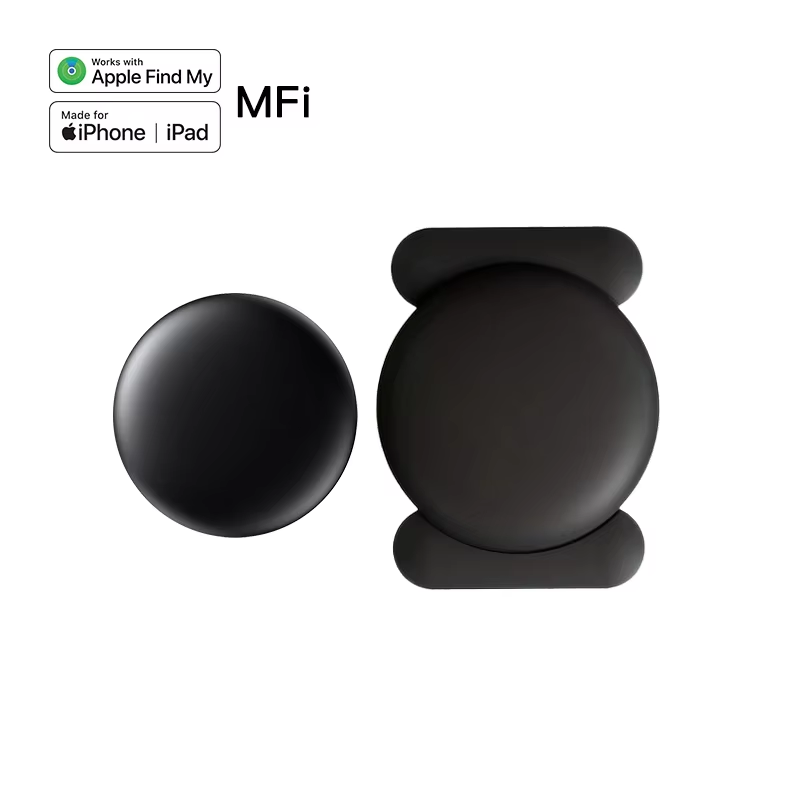
In today's competitive electronics market, businesses are constantly seeking innovative ways to differentiate their products and meet specific customer requirements. Custom card finder solutions have emerged as a lucrative opportunity for companies looking to expand their product portfolios with cutting-edge tracking technology. These ultra-thin devices, designed to fit seamlessly into wallets and purses, represent a growing segment of the consumer electronics industry where customization can significantly enhance market positioning and brand value.
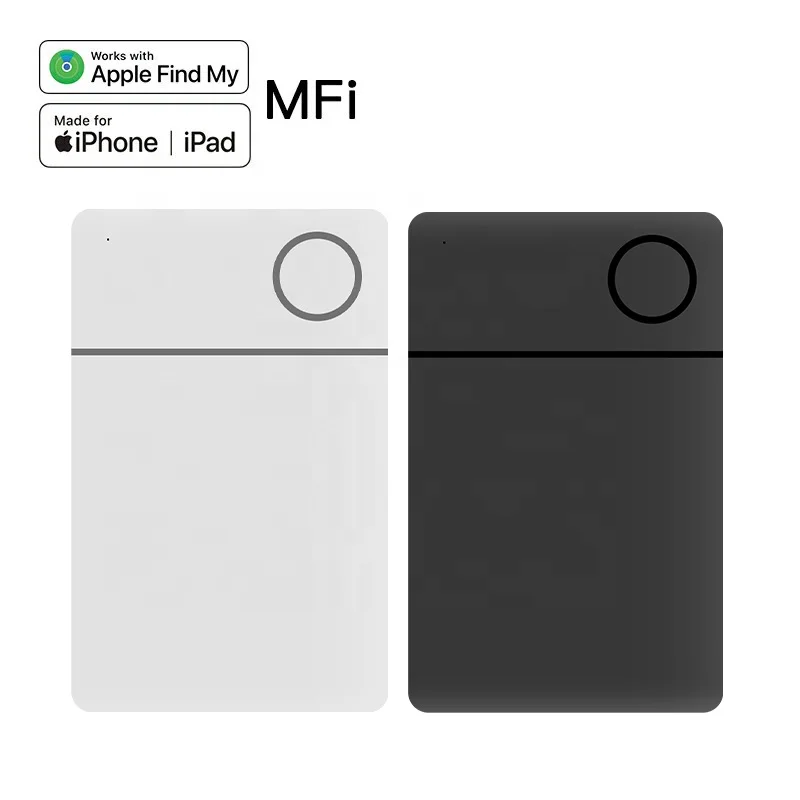
The demand for personalized tracking solutions has skyrocketed as consumers increasingly value both functionality and aesthetic appeal in their everyday carry items. Manufacturers who understand the intricacies of OEM customization for tracking devices position themselves advantageously in this rapidly expanding market. From hardware modifications to software integration, the possibilities for tailoring these devices are extensive and often determine the success of product launches in various market segments.
Understanding OEM Customization Requirements
Hardware Specification Modifications
OEM customization begins with understanding the fundamental hardware requirements that differentiate one card finder from another. Thickness specifications often vary based on intended use cases, with some applications requiring ultra-thin profiles while others may accommodate slightly thicker designs for enhanced battery life. The choice of materials directly impacts both durability and cost, with options ranging from standard plastics to premium metal alloys that offer superior scratch resistance and longevity.
Battery capacity represents another critical customization parameter that significantly affects user experience. While standard configurations may offer several months of operation, custom implementations can extend this to over a year through optimized power management systems and higher-capacity cells. The integration of different chipsets also allows for varying levels of connectivity performance, with some configurations prioritizing range while others focus on energy efficiency.
Connectivity and Compatibility Features
Modern card finder customization extends beyond physical attributes to encompass sophisticated connectivity options. Bluetooth versions can be specifically selected to match target device ecosystems, ensuring optimal compatibility with smartphones and tablets across different operating systems. Advanced implementations may incorporate multiple connectivity protocols, allowing the same device to function seamlessly across various platforms and geographic regions.
Certification requirements vary significantly across global markets, making MFi certification particularly valuable for products targeting Apple ecosystem users. Custom firmware development enables manufacturers to implement proprietary features while maintaining compatibility with established tracking networks. These software customizations can include unique sound patterns, personalized alert systems, and integration with third-party applications that enhance overall user experience.
Design and Aesthetic Customization Options
Visual Branding and Color Schemes
Visual customization represents one of the most immediately recognizable aspects of OEM card finder production. Color matching to specific brand palettes requires sophisticated manufacturing processes that ensure consistency across large production runs. Advanced printing techniques enable the incorporation of complex logos, gradients, and even holographic elements that create premium product appearances while maintaining the slim profile essential for wallet integration.
Surface texture modifications can dramatically alter the tactile experience while providing functional benefits such as improved grip and fingerprint resistance. Manufacturers often implement custom packaging solutions that reinforce brand identity from the moment customers receive their products. These packaging innovations can include magnetic closures, sustainable materials, and interactive unboxing experiences that enhance perceived value and customer satisfaction.
Form Factor and Ergonomic Considerations
The physical dimensions of a card finder must be precisely calibrated to meet specific use case requirements while maintaining universal wallet compatibility. Corner radius modifications can improve comfort during handling while edge treatments affect both durability and safety. Some applications benefit from completely custom form factors that deviate from standard credit card dimensions to serve specialized markets such as passport tracking or document security.
Weight distribution optimization ensures that customized devices maintain balance within wallets and don't create uncomfortable bulk. Advanced manufacturing techniques allow for strategic material placement that maximizes structural integrity while minimizing overall mass. These considerations become particularly important when integrating additional features such as LED indicators or enhanced antenna systems that could otherwise compromise the device's slim profile.
Software and Firmware Customization
Application Integration and User Interface
Custom software development enables manufacturers to create unique user experiences that differentiate their products in crowded marketplaces. White-label applications can incorporate brand-specific design languages while maintaining the core functionality that users expect from tracking devices. Advanced implementations may include features such as location history analysis, predictive alerts, and integration with smart home systems that extend the device's utility beyond simple location tracking.
API development allows for seamless integration with existing customer management systems, enabling businesses to offer tracking services as part of broader product ecosystems. Custom notification systems can be tailored to specific user preferences and behavior patterns, improving engagement while reducing alert fatigue. These software customizations often represent significant value-adds that justify premium pricing strategies and enhance customer loyalty.
Security and Privacy Features
Enhanced security protocols can be implemented through custom firmware that addresses specific industry requirements or regional regulations. Encryption standards may be upgraded beyond baseline specifications to meet enterprise-grade security demands. Privacy-focused implementations can include features such as anonymous tracking modes, data retention controls, and user-controlled sharing permissions that appeal to security-conscious consumers.
Compliance with various international standards requires careful firmware customization that ensures devices meet regulatory requirements across target markets. These implementations often include region-specific frequency management, power output limitations, and data handling protocols that enable global distribution while maintaining local compliance. Advanced security features can include biometric integration, multi-factor authentication, and encrypted communication protocols that serve specialized market segments.
Manufacturing and Production Considerations
Quality Control and Testing Protocols
Custom OEM production requires sophisticated quality control measures that ensure consistency across varied specifications and production volumes. Automated testing systems must be calibrated for specific customization parameters, including signal strength validation, battery performance verification, and environmental resistance testing. These processes become increasingly complex when dealing with multiple SKUs that incorporate different customization options within the same production facility.
Reliability testing protocols must account for the unique stress patterns associated with wallet-carried devices, including bend testing, compression analysis, and long-term durability assessment. Custom testing procedures may be required for specialized applications such as extreme temperature operation or exposure to electromagnetic interference. Documentation and traceability systems ensure that customized products maintain quality standards while enabling efficient troubleshooting and warranty support.
Supply Chain and Logistics Management
Effective OEM customization requires flexible supply chain management that can accommodate varying component specifications and delivery schedules. Strategic supplier relationships enable access to specialized components and materials that may not be readily available through standard channels. Inventory management systems must be sophisticated enough to handle multiple customization options while maintaining cost-effective production schedules and minimizing waste.
Global distribution considerations affect everything from packaging design to regulatory compliance documentation. Custom logistics solutions may be required for products that incorporate restricted materials or require special handling during shipping. These considerations often influence customization decisions, as manufacturers must balance desired features against practical distribution constraints and cost implications.
Market Applications and Use Cases
Consumer Electronics and Lifestyle Products
The consumer electronics market presents numerous opportunities for customized card finder implementations, particularly in premium lifestyle segments where aesthetic appeal and brand alignment are paramount. Luxury brands often require exclusive designs that cannot be replicated by competitors, driving demand for comprehensive customization services that encompass both hardware and software elements. Fashion-forward implementations may incorporate seasonal color trends, limited edition designs, and collaborative branding that appeals to style-conscious consumers.
Corporate gift markets represent another significant opportunity for customized tracking devices, where bulk orders enable cost-effective implementation of sophisticated customization options. Employee recognition programs, client appreciation gifts, and promotional merchandise applications all benefit from personalized branding and custom packaging solutions. These markets often prioritize practical functionality alongside visual appeal, creating opportunities for balanced customization approaches that emphasize both form and function.
Enterprise and Security Applications
Enterprise applications for customized card finder technology extend well beyond consumer use cases to encompass asset management, security protocols, and access control systems. Custom implementations may incorporate enhanced range capabilities, specialized encryption protocols, and integration with existing enterprise management software. These applications often require extensive customization to meet specific security standards and operational requirements unique to each organization.
Government and institutional applications present unique customization challenges that may include specialized compliance requirements, enhanced durability specifications, and custom reporting capabilities. These implementations often involve extensive testing and certification processes that validate performance under specific operational conditions. The ability to provide comprehensive customization services for these demanding applications often determines success in high-value contract opportunities.
FAQ
What is the minimum order quantity for custom card finder production
Minimum order quantities for custom card finder production typically range from 1,000 to 10,000 units depending on the complexity of customization required. Simple cosmetic modifications such as color changes or basic logo printing may have lower MOQs, while extensive hardware modifications or custom firmware development generally require larger production runs to justify tooling and development costs. Manufacturers often offer tiered pricing structures that provide better unit costs for larger orders while maintaining accessibility for smaller brands testing market demand.
How long does the customization process typically take from design to production
The customization timeline varies significantly based on the scope of modifications requested, typically ranging from 6 to 16 weeks from final design approval to production completion. Simple aesthetic customizations may be completed in 4-6 weeks, while complex hardware modifications or extensive firmware development can extend timelines to 12-20 weeks. Factors affecting timeline include component availability, tooling requirements, certification needs, and testing protocols specific to the customization requirements.
What certification requirements apply to customized card finder devices
Customized card finder devices must comply with various certification standards depending on target markets and connectivity features implemented. FCC certification is required for US distribution, while CE marking is necessary for European markets. MFi certification becomes essential for devices intended to integrate with Apple's Find My network, requiring specific hardware and software implementations. Additional certifications may be required for specialized applications, including FIPS compliance for government use or industry-specific standards for enterprise deployments.
Can existing card finder designs be modified or do customizations require completely new development
Most customization projects begin with existing proven designs that are modified to meet specific requirements, significantly reducing development time and costs compared to completely new product development. Modifications can range from simple cosmetic changes to substantial hardware and software alterations while maintaining the core functionality that ensures reliability and performance. However, highly specialized applications may require ground-up development when existing platforms cannot accommodate the required specifications or performance characteristics demanded by specific use cases.
Table of Contents
- Understanding OEM Customization Requirements
- Design and Aesthetic Customization Options
- Software and Firmware Customization
- Manufacturing and Production Considerations
- Market Applications and Use Cases
-
FAQ
- What is the minimum order quantity for custom card finder production
- How long does the customization process typically take from design to production
- What certification requirements apply to customized card finder devices
- Can existing card finder designs be modified or do customizations require completely new development