 EN
EN
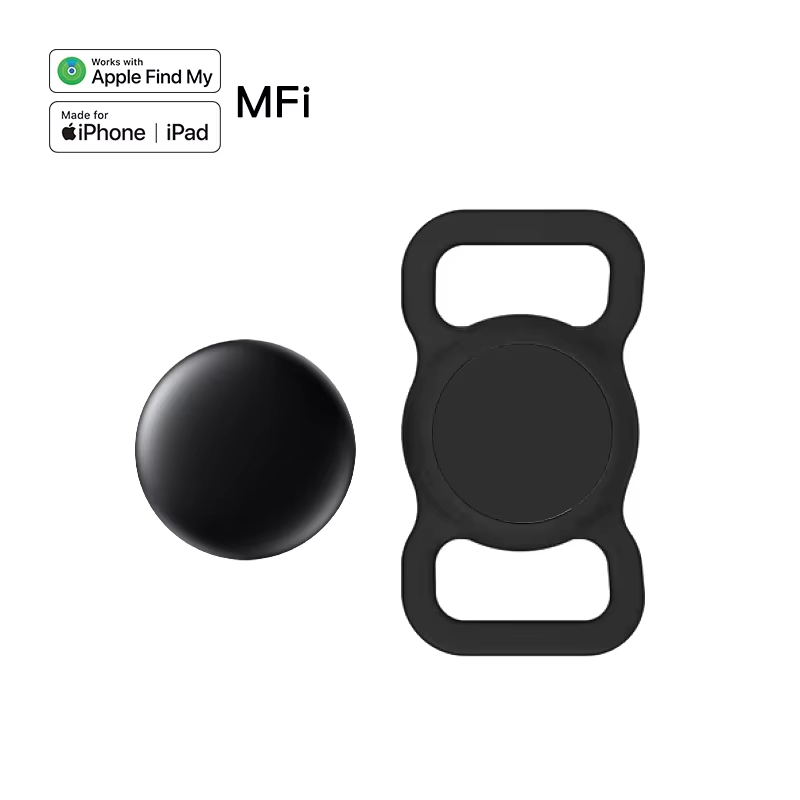
In today's competitive marketplace, OEM clients are constantly seeking innovative solutions to differentiate their product portfolios and meet evolving consumer demands. Smart tags represent a transformative technology that enables manufacturers to integrate advanced tracking, connectivity, and user engagement features into their existing product lines. These compact, intelligent devices offer OEM partners unprecedented opportunities to enhance product value, improve customer satisfaction, and tap into the growing Internet of Things ecosystem without requiring extensive hardware redesigns or significant infrastructure investments.
Understanding Smart Tag Technology for OEM Integration
Core Components and Functionality
Smart tags incorporate multiple advanced technologies including Bluetooth Low Energy, GPS positioning, accelerometers, and wireless communication modules. These components work together to provide real-time location tracking, movement detection, and seamless integration with mobile applications. For OEM clients, understanding these core functionalities enables strategic implementation across diverse product categories from consumer electronics to industrial equipment.
The modular design of modern smart tags allows for customization based on specific OEM requirements. Battery life optimization, connectivity protocols, and sensor configurations can be tailored to match the intended application and target market. This flexibility ensures that manufacturers can maintain their existing design aesthetics while adding substantial technological value to their products.
Integration Capabilities and Customization Options
OEM partnerships benefit significantly from the extensive customization possibilities offered by smart tag technology. Custom firmware development, branded mobile applications, and specialized sensor configurations enable manufacturers to create unique user experiences that align with their brand identity. The ability to integrate proprietary features and maintain control over the user interface ensures that OEM clients can differentiate their offerings in crowded markets.
Advanced programming interfaces and software development kits provide OEM partners with the tools necessary to create sophisticated tracking and monitoring solutions. These resources enable seamless integration with existing enterprise systems, customer relationship management platforms, and supply chain management tools, creating comprehensive solutions that extend far beyond basic tracking functionality.
Market Applications and Industry Benefits
Consumer Electronics Enhancement
The consumer electronics sector presents enormous opportunities for smart tag integration, particularly in products where loss prevention and inventory management are critical concerns. Manufacturers of headphones, cameras, gaming accessories, and portable devices can significantly enhance their value proposition by incorporating tracking capabilities. This integration addresses common consumer pain points while creating new revenue streams through premium product offerings.
Smart tags enable consumer electronics OEMs to offer advanced features such as proximity alerts, theft protection, and usage analytics without requiring major design modifications. The resulting products appeal to security-conscious consumers while providing manufacturers with valuable data insights about product usage patterns and customer behavior.
Industrial and Commercial Applications
Industrial OEM clients can leverage smart tag technology to transform traditional equipment into connected, intelligent systems. Manufacturing equipment, construction tools, and transportation assets benefit from real-time monitoring capabilities that improve operational efficiency and reduce maintenance costs. The integration of smart tags enables predictive maintenance, asset utilization optimization, and automated inventory management across diverse industrial applications.
Commercial vehicle manufacturers, logistics equipment producers, and warehouse automation specialists can create comprehensive tracking ecosystems that provide end-to-end visibility throughout their operations. These enhanced capabilities translate directly into improved customer service, reduced operational costs, and enhanced competitive positioning in their respective markets.
Technical Implementation Strategies
Hardware Integration Approaches
Successful smart tag implementation requires careful consideration of physical integration methods, power management systems, and environmental protection requirements. OEM clients must evaluate factors such as device size constraints, mounting options, and durability requirements to ensure seamless integration with existing product designs. Modern smart tags offer various form factors and mounting solutions to accommodate diverse implementation scenarios.
Power management strategies play a crucial role in determining the long-term viability of smart tag implementations. Advanced battery technologies, energy harvesting capabilities, and intelligent power management algorithms enable extended operational lifespans while maintaining consistent performance. OEM partners can select power solutions that align with their product lifecycle expectations and maintenance requirements.
Software Development and Platform Integration
The software ecosystem surrounding smart tags provides OEM clients with powerful tools for creating branded applications and custom user experiences. White-label mobile applications, web-based dashboards, and API integrations enable manufacturers to maintain brand consistency while leveraging proven tracking and management platforms. These software solutions can be customized to incorporate company logos, color schemes, and specific functionality requirements.
Cloud-based data management platforms offer scalable solutions for handling the massive amounts of location and sensor data generated by smart tag deployments. OEM clients can choose between hosted solutions and on-premises implementations based on their security requirements, data sovereignty concerns, and integration preferences. Advanced analytics capabilities provide valuable insights into product usage patterns, customer behavior, and operational efficiency metrics.
Business Value and Return on Investment
Revenue Generation Opportunities
Smart tag integration creates multiple revenue streams for OEM clients beyond the initial product sale. Subscription-based tracking services, premium application features, and data analytics offerings provide ongoing revenue opportunities that enhance customer lifetime value. These recurring revenue models help offset the initial investment in smart tag technology while building stronger customer relationships.
Product differentiation through smart tag integration enables premium pricing strategies that improve profit margins across existing product lines. Consumers and business customers increasingly value connected features and are willing to pay higher prices for products that offer enhanced functionality, security, and convenience. This pricing power helps OEM clients justify their technology investments while improving overall profitability.

Cost Reduction and Efficiency Gains
Beyond revenue generation, smart tags provide significant cost reduction opportunities through improved inventory management, reduced theft losses, and enhanced operational efficiency. OEM clients can track their products throughout the supply chain, reducing inventory carrying costs and improving demand forecasting accuracy. Real-time visibility into product locations and status enables more efficient logistics operations and reduced administrative overhead.
Customer support costs can be substantially reduced through proactive monitoring and predictive maintenance capabilities enabled by smart tag technology. Early warning systems for equipment failures, automated maintenance scheduling, and remote diagnostics help prevent costly breakdowns while improving customer satisfaction levels. These operational improvements contribute directly to improved profitability and competitive advantage.
Implementation Challenges and Solutions
Technical Integration Complexities
OEM clients often face technical challenges related to antenna design, electromagnetic interference, and regulatory compliance when integrating smart tags into existing products. Proper antenna placement and shielding techniques are essential for maintaining reliable connectivity while avoiding interference with other electronic components. Experienced smart tag manufacturers provide comprehensive technical support and design guidance to help OEM partners overcome these integration challenges.
Regulatory compliance requirements vary significantly across different markets and product categories, requiring careful attention to certification processes and documentation requirements. Smart tag suppliers with global experience can provide valuable guidance on navigating complex regulatory environments while ensuring products meet all applicable standards and requirements in target markets.
Scalability and Manufacturing Considerations
Scaling smart tag production to meet OEM volume requirements presents unique challenges related to component sourcing, quality control, and supply chain management. Establishing reliable supplier relationships and implementing robust quality assurance processes are essential for maintaining consistent product performance across large production runs. Flexible manufacturing approaches enable OEM clients to adjust production volumes based on market demand while maintaining cost efficiency.
Quality control procedures must account for the complex electronic components and software elements inherent in smart tag technology. Comprehensive testing protocols, including functional verification, environmental stress testing, and connectivity validation, ensure that integrated products meet performance specifications and reliability requirements. These quality measures protect OEM brand reputation while minimizing warranty claims and customer support issues.
Future Trends and Market Evolution
Emerging Technologies and Capabilities
The smart tag industry continues to evolve rapidly with emerging technologies such as artificial intelligence, machine learning, and advanced sensor fusion capabilities. These developments enable more sophisticated tracking algorithms, predictive analytics, and automated decision-making capabilities that enhance the value proposition for OEM clients. Future smart tags will offer improved accuracy, extended battery life, and enhanced security features that address evolving market requirements.
Integration with emerging connectivity standards such as 5G, Wi-Fi 6, and next-generation Bluetooth protocols will enable new use cases and improved performance characteristics. OEM clients can leverage these technological advances to create innovative products that anticipate future market needs while maintaining compatibility with existing infrastructure and user devices.
Market Growth and Adoption Trends
Market research indicates substantial growth potential for smart tag applications across diverse industry sectors, driven by increasing consumer awareness, improved technology capabilities, and declining costs. OEM clients who establish early positions in this growing market can capture significant competitive advantages while building expertise in connected product development and deployment.
Consumer acceptance of privacy-conscious tracking solutions continues to improve as security features and data protection measures become more sophisticated. Smart tag manufacturers are implementing advanced encryption, user consent mechanisms, and data anonymization techniques that address privacy concerns while maintaining full functionality. These developments create opportunities for OEM clients to offer tracking solutions that meet stringent privacy requirements in regulated industries and privacy-conscious markets.
FAQ
What are the main benefits of integrating smart tags into OEM products
Smart tag integration provides OEM clients with multiple benefits including enhanced product differentiation, new revenue streams through subscription services, improved customer satisfaction, and valuable data insights. These devices enable manufacturers to offer advanced tracking, security, and monitoring capabilities without requiring major design changes to existing products. The result is improved competitiveness, higher profit margins, and stronger customer relationships across diverse market segments.
How do smart tags affect product development timelines and costs
Modern smart tag solutions are designed for rapid integration with minimal impact on existing product development cycles. Modular designs, comprehensive technical support, and proven integration methodologies enable OEM clients to add tracking capabilities without extending development timelines significantly. While initial integration requires investment in engineering resources and component costs, the long-term benefits through premium pricing and recurring revenue typically justify these investments within the first product generation.
What customization options are available for OEM smart tag implementations
OEM clients can customize virtually every aspect of smart tag implementations including hardware form factors, software interfaces, mobile applications, and cloud platforms. Custom firmware development, branded user experiences, and proprietary feature integration enable manufacturers to create unique solutions that align with their brand identity and market positioning. Advanced customization options include specialized sensors, custom enclosures, and integration with existing enterprise systems and customer platforms.
How do smart tags handle data privacy and security concerns
Modern smart tags incorporate multiple layers of security including end-to-end encryption, secure authentication protocols, and privacy-by-design architectures. Data anonymization techniques, user consent mechanisms, and granular privacy controls ensure compliance with regulatory requirements such as GDPR and CCPA. OEM clients can implement additional security measures including custom encryption keys, on-premises data storage, and specialized access controls to meet specific industry requirements and customer expectations.