
 EN
EN
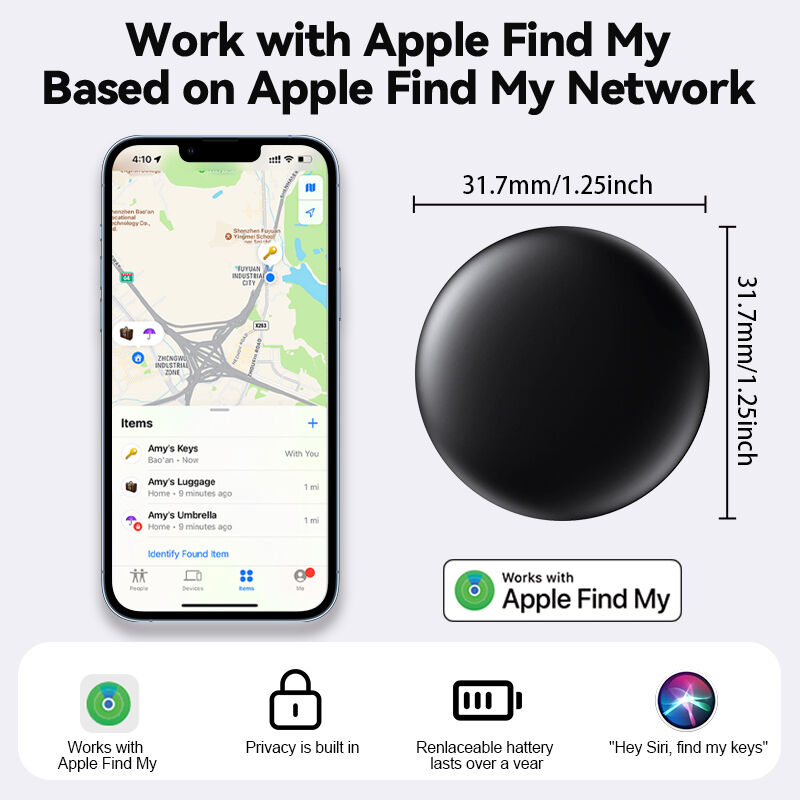
Moderna affärsresenärer står inför oöverträffade utmaningar när det gäller att hantera sin utrustning och personliga tillhörigheter under frekventa resor. Uppkomsten av sofistikerad spårningsteknologi har revolutionerat hur professionella skyddar sina värdefulla tillgångar, där bagagespårningsenheter blivit oumbärliga verktyg i affärsmiljöer. Dessa kompakta enheter erbjuder omfattande övervakningsfunktioner som sträcker sig långt bortom enkla positionsbestämningar och ger företag förbättrade säkerhetsprotokoll samt operativ effektivitet. Företag som investerar i partiköp av spårningslösningar upptäcker betydande fördelar vad gäller kostnadsminskning, medarbetarens produktivitet och tillgångshanteringen. Integrationen av avancerad GPS-teknik med smarttelefonapplikationer skapar en sömlös upplevelse som omvandlar traditionell reselogistik till effektiva digitala operationer.

Förstå verksamhetsinriktad spårningsteknologi
Avancerad GPS- och Bluetooth-integration
Professionella resväskspositioneringssystem använder tvåtekniklösningar som kombinerar GPS-satellitpositionering med Bluetooth-anslutning för maximal täckning. Dessa sofistikerade enheter upprätthåller kontinuerlig kommunikation med smarttelefoner via dedicerade appar, vilket säkerställer realtidsplatsuppdateringar oavsett geografiska begränsningar. Integrationen av mobilnätverksfunktioner möjliggör spårningsfunktion även på avlägsna platser där traditionella GPS-signaler kan vara försämrade. Teknik för batterioptimering utökar driftperioden till flera månader, vilket minskar underhållskraven i intensiva affärsmiljöer.
Lösningar för spårning på företagsnivå integrerar avancerade krypteringsprotokoll för att skydda känslig positionsdata mot obehörig åtkomst. Funktioner för synkronisering av flera enheter gör det möjligt for teamledare att övervaka flera tillgångar samtidigt via centraliserade instrumentpanelgränssnitt. Den sömlösa integrationen med befintliga företagssäkerhetssystem skapar omfattande övervakningsnätverk som förbättrar verksamhetens totala effektivitet. Molnbaserad datalagring säkerställer att spårningsinformation förblir tillgänglig på olika plattformar och enheter, vilket stödjer mångfacetterade tekniska infrastrukturer.
Smart notifikations- och varningssystem
Moderna bagagemärkningsenheter har intelligenta varningssystem som informerar användare om obehörig rörelse, låg batterinivå och anslutningsproblem. Anpassningsbara geofencing-funktioner gör att företag kan skapa virtuella gränser kring specifika platser och utlösa automatiska aviseringar när tillgångar rör sig utanför de angivna områdena. Dessa smarta system skiljer mellan normala rörelsemönster och potentiella säkerhetsrisker, vilket minskar felaktiga larm samtidigt som en vigilant övervakning bibehålls. Avancerade maskininlärningsalgoritmer förbättrar noggrannheten över tid genom att analysera historisk rörelsedata och mönster i användarbeteende.
Push-meddelandesystem integrerar sömlöst med populära plattformar för affärskommunikation, vilket säkerställer att kritiska aviseringar når rätt personal omedelbart. Möjligheten att konfigurera olika avisningsnivåer baserat på tillgångens vikt och känslighet för plats ger flexibla hanteringsalternativ för olika affärskrav. Nödreaktionsprotokoll kan automatiskt utlöses när spårningsenheter upptäcker misstänkta aktiviteter eller kommer in i begränsade zoner. Stöd för flera språk möjliggör internationella affärsverksamheter och säkerställer effektiv kommunikation mellan globala team.
Kostnadseffektiva lösningar för företagsbeställningar
Volympriser och fördelar med köp i stora kvantiteter
Företag som beställer resväska-spårningsenheter i stora kvantiteter får betydande kostnadsminskningar genom volymprisstrukturer som erbjuds av tillverkare och distributörer. Dessa ekonomier av skala omvandlas till betydande besparingar som förbättrar den totala avkastningen på investeringar för företagsmässiga spårningsinitiativ. Avtal om massköp inkluderar ofta förlängda garantiområden, prioriterad teknisk support och anpassningsmöjligheter som är anpassade efter specifika affärsbehov. Standardiseringen av spårningstekniken över hela organisationer förenklar utbildningsprocesser och minskar den administrativa belastningen i samband med hanteringen av enheter.
Långsiktiga serviceavtal som paketeras med partiförda beställningar ger förutsägbara driftskostnader och eliminerar oväntade kostnader relaterade till prenumerationsavgifter och dataanvändningskostnader. Volymkunder får vanligtvis prioritet till firmwareuppdateringar, lanseringar av nya funktioner och teknisk dokumentation som förbättrar enhetens funktionalitet. Specialiserade kontohanteringstjänster säkerställer personlig support för storskaliga implementeringar, inklusive hjälp med distribution och pågående rekommendationer för optimering. Möjligheten att förhandla fram anpassade serviceavtal skyddar företagets intressen samtidigt som högkvalitativa spårningsprestandastandarder bibehålls.
Avkastningsanalys på investering
De ekonomiska fördelarna med att införa omfattande system för bagageuppspårning sträcker sig längre än de initiala inköpspriserna och inkluderar lägre försäkringspremier, minskade kostnader för utbyte samt förbättrad anställds produktivitet. Företag rapporterar genomsnittliga kostnadsbesparingar på 30–40 % för reserelaterade förluster inom det första året efter införandet. Genom att förhindra stöld och förlust av utrustning undviks kostsamma utbytesförfaranden och minskar verksamhetsstörningar som orsakas av brist på kritisk utrustning. Förstärkta säkerhetsåtgärder gör ofta att företag kan få reducerade försäkringsräntor för res- och utrustningsförsäkringspoliser.
Produktivitetsförbättringar uppstår genom minskad tid för att hitta föremål som placerats felaktigt samt effektivare processer för tillgångsförvaltning. Anställda kan fokusera på kärnverksamheten i stället för att hantera komplikationer med förlorat bagage under viktiga affärsresor. Införandet av spårningsteknik visar företagets engagemang för anställdas välbefinnande och operativ effektivitet, vilket bidrar till förbättrad arbetsnöjdhet och behållningsgrad. Mätbara mått, såsom minskad tid för ärendehantering och ökad återvinning av tillgångar, ger konkret bevis för investeringens värde.
Förbättrade säkerhetsfunktioner för företagsmiljöer
Dataskydd och sekretessöverensstämmelse
Enterprisegradens lösningar för bagagemärkning inkluderar robusta datakrypteringsstandarder som uppfyller internationella integritetsregler, inklusive GDPR och CCPA. Avancerade säkerhetsprotokoll skyddar känslomässig platsinformation mot obehörig åtkomst samtidigt som transparens bibehålls i hanteringspraktikerna för data. Regelmässiga säkerhetsgranskningar och efterlevnadsintyg säkerställer att spårningssystemen uppfyller de utvecklade regleringskraven i olika jurisdiktioner. Genom införandet av åtkomstkontroller baserade på roller kan organisationer begränsa synligheten av spårningsdata utifrån anställdas ansvarsområden och behörighetsnivåer.
Säkra protokoll för datatransmission förhindrar avlyssning av spårningsinformation under kommunikationen mellan enheter och övervakningssystem. Lokala alternativ för datalagring ger ytterligare säkerhetslager för organisationer med strikta krav på datavärdskap. Regelbundna firmwareuppdateringar åtgärdar nya säkerhetsrisker och förstärker skyddet mot utvecklade cybershot. Omfattande granskningsprotokoll dokumenterar alla åtkomstförsök och dataändringar, vilket stödjer efterlevnadsrapportering och möjligheter till undersökning vid behov.
Integration med företagsinterna säkerhetssystem
Professionella spårningslösningar integrerar sömlöst med befintlig företags säkerhetsinfrastruktur, inklusive åtkomstkontrollsystem, övervakningsnätverk och incidenthanteringsplattformar. Denna integration skapar omfattande säkerhetsekosystem som förstärker organisationens allmänna skyddsförmåga. API-anslutning möjliggör anpassade integrationer med egna affärssystem, vilket säkerställer att spårningsdata stödjer bredare operativa krav. Möjligheten att korrelatera spårningsinformation med andra säkerhetsdatakällor ger förbättrad situationssmedvetenhet för säkerhetspersonal.
Automatiserade incidenthanteringsprotokoll kan utlöses av specifika spårningshändelser, vilket effektiviserar säkerhetsrutiner och minskar svarstider under kritiska situationer. Integration med anställdas kortsystem och anläggningsåtkomstkontroller skapar ytterligare verifieringslager för övervakning av tillgodohavandets rörelse. Centraliseringen av säkerhetsdata via integrerade plattformar förenklar hanteringsprocesser och minskar komplexiteten vid underhåll av flera separata system. Realtimeinstrumentpaneler ger säkerhetsteam en omfattande översikt över alla övervakade tillgodohavanden och platser.
Praktiska tillämpningar i affärsmiljöer
Resehantering och anställdas säkerhet
Företagsavdelningar för resor använder teknik för att spåra bagage för att förbättra sitt ansvar för personalens välbefinnande och säkerställa medarbetares säkerhet under affärsresor. Övervakning av plats i realtid möjliggör snabb reaktion vid akutsituationer och ger resande medarbetare samt deras familjer en känsla av trygghet. Möjligheten att spåra flera medarbetare samtidigt stödjer samordnade resarrangemang och gruppstyrning under konferenser eller företagshändelser. Funktioner för nödkontakt gör det möjligt for medarbetare att snabbt kommunicera sin plats och status till utpekad företagspersonal vid behov.
Integration med reserbokningssystem skapar omfattande itinerarhantering som inkluderar både planerade destinationer och faktiska platser baserat på spårningsdata. Denna integration hjälper till att identifiera potentiella förseningar eller avvikelser från rutten som kan påverka affärsscheman. Automatiserade incheckningsrutiner kan utlöses när anställda anländer till angivna platser, vilket effektiviserar administrativa processer och säkerställer korrekta närvarorekord. Historiska resedata stödjer framtida planering och optimering av företagets respolicyer och -rutiner.
Tillgångshantering och inventariekontroll
Utöver personlig bagage spelar professionella spårningsenheter en avgörande roll för att hantera värdefullt företagsutrustning, inklusive datorer, presentationsmaterial och specialverktyg. Möjligheten att övervaka tillgångar med högt värde under hela deras livscykel minskar risken för stöld och säkerställer ansvarstagande för dyr utrustning. Spårningsdata stödjer analys av tillgångarnas utnyttjande, vilket hjälper organisationer att optimera resursfördelningen och identifiera underutnyttjad utrustning som kan omfördelas. Automatiserade lagersystem kan integrera spårningsdata för att hålla exakta register över tillgångarnas placering och status.
Preventiva underhållsplaner kan utlöses baserat på tillgångars rörelsemönster och användningsdata som samlas in genom spårsystem. Integrationen av spårteknologi med tillgångshanteringsdatabaser skapar omfattande register som stödjer efterlevnadsrapportering och revisionskrav. Avskrivningsberäkningar och planering av utbyte drar nytta av korrekta användningsdata som tillhandahålls av kontinuerliga övervakningssystem. Möjligheten att snabbt lokalisera specifik utrustning minskar driftstopp och förbättrar den operativa effektiviteten i olika affärsfunktioner.
Implementering och installationsöverväganden
Implementeringsstrategier för stora organisationer
En framgångsrik implementering av företagsbärbara spårningssystem för bagage kräver noggrann planering och stegvisa distributionsansatser som minimerar störningar för befintliga affärsoperationer. Pilotprogram gör det möjligt for organisationer att testa funktionaliteten och identifiera potentiella utmaningar innan fullskaliga distributioner. Utbildningsprogram säkerställer att medarbetare förstår korrekt användning av enheter, programfunktioner och felsökningsrutiner. Förändringshanteringsprocesser hjälper till att övervinna motstånd mot införandet av ny teknik och demonstrerar fördelarna med spårningssystem.
Tekniska infrastrukturbedömningar identifierar nätverkskrav och potentiella kompatibilitetsproblem med befintliga IT-system. Enhetskonfiguration och testförfaranden säkerställer konsekvent prestanda för alla spårningsenheter innan de distribueras till anställda. Dokumentation och stödmaterial utgör kontinuerliga referensresurser som minskar antalet förfrågningar till hjälpservicen och stödjer självbetjänande problemlösning. Regelmässig insamling av återkoppling och systemoptimering upprätthåller hög användarnöjdhet och maximerar värdet av investeringarna i spårning.
Underhålls- och supportkrav
Professionella spårningslösningar kräver minimal underhållsinsats över tid, men etablerade rutiner säkerställer optimal prestanda under hela enheternas livscykel. Batteriövervakningssystem ger förhandsvarning om utbytesbehov, vilket möjliggör proaktivt underhållsschemaläggning för att förhindra avbrott i verksamheten. Rutiner för firmwareuppdateringar håller enheterna aktuella med de senaste funktionerna och säkerhetsförbättringarna. Teknisk support erbjuder snabb felhantering och tillhandahållande av ersättningsenheter vid behov.
Regelbunden prestandaövervakning identifierar potentiella problem innan de påverkar användarupplevelsen eller verksamhetsdriften. Schema för enhetsutbyte säkerställer att äldre utrustning tas ur drift innan pålitlighetsproblem uppstår. Uppdateringar av utbildning håller anställda informerade om nya funktioner och bästa praxis för användning av enheter. Serviceavtal definierar svarstider och handlingsrutiner för olika typer av tekniska problem som kan uppstå.
Jämförelse av marknadsalternativ och leverantörsval
Funktionssammanfattning och prestandamått
Marknaden för bagagemärkare erbjuder många olika alternativ med varierande funktioner, batteritid, noggrannhetsnivåer och integrationsmöjligheter, vilket kräver noggrann utvärdering. Prestandamätningar bör inkludera platsnoggrannhet i olika miljöer, batterilivslängd vid normal användning samt pålitlighet i anslutningen över olika geografiska regioner. Vid funktionsjämförelser måste kompatibilitet med olika smarttelefonplattformar, applikationsfunktionalitet och anpassningsmöjligheter som stödjer specifika affärskrav beaktas. Kostnadsanalysen bör inkludera initiala inköpspriser, löpande prenumerationsavgifter samt totala ägarkostnader under de förväntade enhetslivscyklerna.
Tillförlitlighetsmått såsom signalstyrka, anslutningsstabilitet och vädermotstånd ger viktiga indikationer på förväntad långsiktig prestanda. Kvaliteten på kundsupport, teknisk dokumentation och utbildningsresurser påverkar i hög grad genomförandets framgång och den fortsatta användarnöjdheten. Utvärdering av leverantörens stabilitet, ekonomiska styrka och utvecklingsväg hjälper till att säkerställa långsiktig tjänsttillgänglighet och fortsatt produktutveckling. Referenskunder och fallstudier ger värdefulla insikter i verklig prestanda och implementeringserfarenheter.
Utvärdering av leverantörer och partnerskapsöverväganden
Att välja rätt leverantör innebär att utvärdera tekniska förmågor, servicekvalitet och potential för partnerskap utöver enkla produktspecifikationer. Kriterier för leverantörsbedömning bör inkludera implementeringsstöd, utbildningsprogram och förmåga att tillhandahålla pågående tekniskt stöd. Indikatorer på finansiell stabilitet och marknadsposition hjälper till att säkerställa leverantörens långsiktighet och fortsatt tillgänglighet av tjänster. Kvaliteten på försäljningstekniskt stöd och tekniska konsulttjänster påverkar genomförandets framgång och optimeringsresultaten.
Sammarbetsmöjligheter, såsom gemensamma marknadsföringsprogram, volymrabatter och anpassade utvecklingstjänster, ger ytterligare värde för stora enterprise-kunder. Serviceavtal bör tydligt definiera svarstider, lösningsförfaranden och eskaleringsprocesser för olika typer av ärenden. Regelbundna affärsgranskningar och prestandabedömningar säkerställer leverantörens ansvar och identifierar möjligheter till optimering. Flexibiliteten att justera servicevillkor och utöka funktioner när affärsbehoven utvecklas ger viktigt strategiskt värde för växande organisationer.
Framtida tekniktrender och utveckling
Uppkommande teknologier och förbättrade funktioner
Utvecklingen av bagagepositionerings-teknik fortsätter att framstega genom integration med artificiell intelligens, maskininlärning och Internet of Things-plattformar som förbättrar förutsägande funktioner och automatiseringsfunktioner. Enheter av nästa generation innehåller miljösensorer som övervakar temperatur, fuktighet och stödförhållanden för att skydda känslig utrustning under transport. Avancerade analysplattformar bearbetar positioneringsdata för att identifiera mönster, förutsäga potentiella problem och rekommendera optimeringsstrategier för resor och tillgångsförvaltningsrutiner.
Integration med tillämpningar för förstärkt verklighet möjliggör visuell lokalisation av tillgångar via smartphones kameror, vilket förenklar återhämtning av enheter i trängda miljöer. Implementationer av blockkedjeteknik ger oåterkalleliga spårningsregister som stödjer efterlevnaden av krav och förbättrar dataintegriteten för känslomässiga tillämpningar. Solenergiladdningsfunktioner utökar batterilivslängden obegränsat under lämpliga förhållanden, vilket minskar underhållskraven och förbättrar hållbarhetsprofilen. Förbättrad miniaturisering fortsätter att minska enhetens storlek samtidigt som funktionaliteten utvidgas och användarupplevelsen förbättras.
Branschstandarder och regleringsutveckling
Utvecklingen av branschstandarder för spårningsenheters interoperabilitet säkerställer kompatibilitet över olika plattformar och minskar oro för leverantorsberoende hos företagskunder. Regelverksutvecklingen inom dataskydd, elektromagnetisk kompatibilitet och krav på flygsäkerhet fortsätter att forma produktutformning och distributionsförfaranden. Professionella certifieringsprogram för implementering av spårningssystem ger kvalitetssäkring och riktlinjer för bästa praxis för organisationer. Internationell harmonisering av tekniska standarder underlättar global distribution och minskar komplexiteten för multinationella företag.
Miljöregler påverkar allt mer utformningen av enheter genom krav på hållbara material, energieffektivitet och återvinningsprogram för produkter i slutet av deras livscykel. Säkerhetscertifieringar för användning i farliga områden utökar distributionsmöjligheterna i industriella och specialiserade miljöer. Cybersäkerhetsstandarder tillhandahåller ramverk för att skydda spårningsdata och säkerställa säkra kommunikationer mellan enheter och övervakningssystem. Samarbete inom branschen fortsätter att utveckla gemensamma protokoll och gränssnitt som förbättrar systemintegrationen och minskar implementeringskomplexiteten.
Vanliga frågor
Vilka faktorer bör företag ta hänsyn till vid val av resväskastracker för partiförda beställningar?
Företag bör utvärdera batterilivslängd, spårningsnoggrannhet, smartphoneappens kvalitet, volymprisalternativ och integrationsmöjligheter med befintliga system. Överväg leverantörens tekniska supportkvalitet, serviceavtal (SLA) och långsiktiga produktutvecklingsplaner. Utvärdera kompatibiliteten med olika geografiska regioner där anställda reser och säkerställ efterlevnad av relevanta integritetsregler. Granska totala ägarkostnaden, inklusive prenumerationsavgifter, ersättningskostnader och underhållskrav under den förväntade livscykeln för enheten.
Hur gynnar avtal om köp i stora mängder implementering av corporate-luggagespårare?
Köp i stora kvantiteter ger betydande kostnadsbesparingar genom volymrabatter, förlängda garantiområden och inkluderade installations-tjänster som minskar implementeringskostnaderna. Stora beställningar uppfyller ofta kraven för anpassade konfigurationsalternativ, prioriterad teknisk support och dedicerad kontohantering. Standardiserad distribution inom organisationen förenklar utbildning och minskar administrativa kostnader. Långsiktiga serviceavtal ger förutsägbara kostnader och skyddar mot prisökningar samtidigt som de säkerställer en konsekvent servicekvalitet.
Vilka säkerhetsfunktioner är mest viktiga för affärsanvändning av bagagepositioneringsapplikationer
Viktiga säkerhetsfunktioner inkluderar kryptering från ände till ände, säker datatransmission, efterlevnad av integritetsregleringar som GDPR samt åtkomstkontroller baserade på roller. Sök efter enheter med manipuleringsdetektering, säkra firmwareuppdateringar och möjlighet att logga granskningsprotokoll som dokumenterar all åtkomst och alla ändringar. Integration med företagets säkerhetssystem samt möjligheten att konfigurera anpassade geografiska avgränsningar (geofencing) och avisningsparametrar förbättrar den övergripande säkerhetsställningen. Regelbundna säkerhetsbedömningar och leverantörsintyg ger fortsatt garanti för data skyddsnivåer.
Hur kan organisationer mäta avkastningen på investeringen från packningspositionerare implementeringar
ROI-mätning bör inkludera minskade försäkringspremier, lägre ersättningskostnader för förlorade föremål, förbättrad medarbetarproduktivitet och färre störningsincidenter i samband med resor. Spåra mått som tillväxtgrad för återvinning av tillgångar, tid sparad vid lokaliserande av utrustning samt minskade kostnader för hantering av skaderegleringar. Ta hänsyn till kvalitativa fördelar, såsom förbättrad medarbetartillfredsställelse, förstärkt efterlevnad av ansvarsplikten gentemot medarbetare och bättre utnyttjande av tillgångar. Beräkna totala besparingar i förhållande till implementeringskostnader, inklusive inköpspriser, utbildningskostnader och pågående driftskostnader, för att fastställa den totala ekonomiska påverkan.
Innehållsförteckning
- Förstå verksamhetsinriktad spårningsteknologi
- Kostnadseffektiva lösningar för företagsbeställningar
- Förbättrade säkerhetsfunktioner för företagsmiljöer
- Praktiska tillämpningar i affärsmiljöer
- Implementering och installationsöverväganden
- Jämförelse av marknadsalternativ och leverantörsval
- Framtida tekniktrender och utveckling
-
Vanliga frågor
- Vilka faktorer bör företag ta hänsyn till vid val av resväskastracker för partiförda beställningar?
- Hur gynnar avtal om köp i stora mängder implementering av corporate-luggagespårare?
- Vilka säkerhetsfunktioner är mest viktiga för affärsanvändning av bagagepositioneringsapplikationer
- Hur kan organisationer mäta avkastningen på investeringen från packningspositionerare implementeringar