 EN
EN
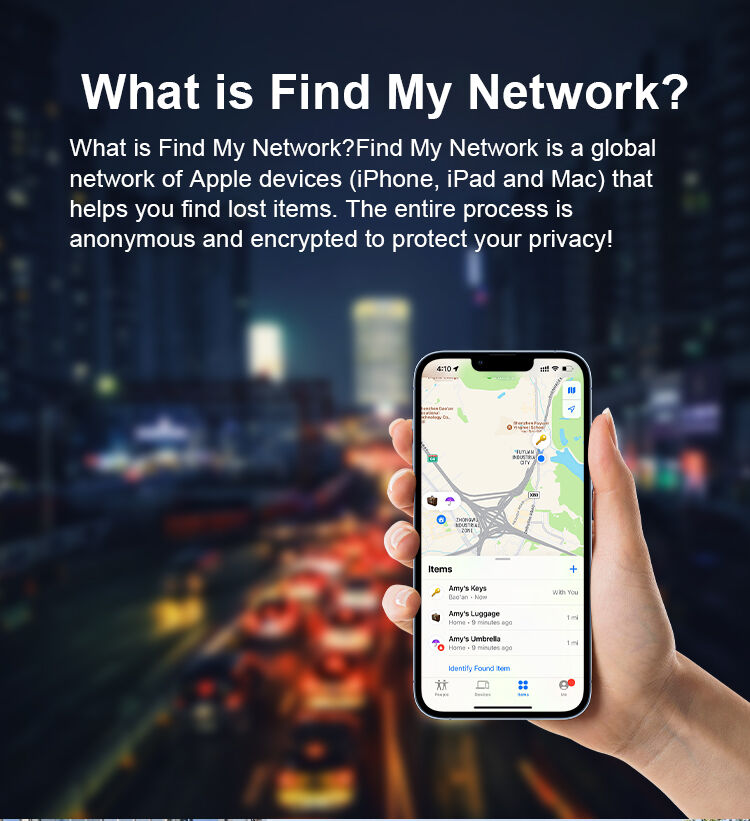
In today's competitive business landscape, companies are constantly seeking innovative ways to strengthen their brand presence and create memorable customer experiences. One emerging opportunity lies in the realm of custom luggage trackers, which offer businesses a unique platform to showcase their brand while providing genuine value to their customers. These smart tracking devices have evolved from simple location finders into sophisticated branding tools that can carry corporate logos, colors, and messaging while delivering essential functionality for modern travelers.
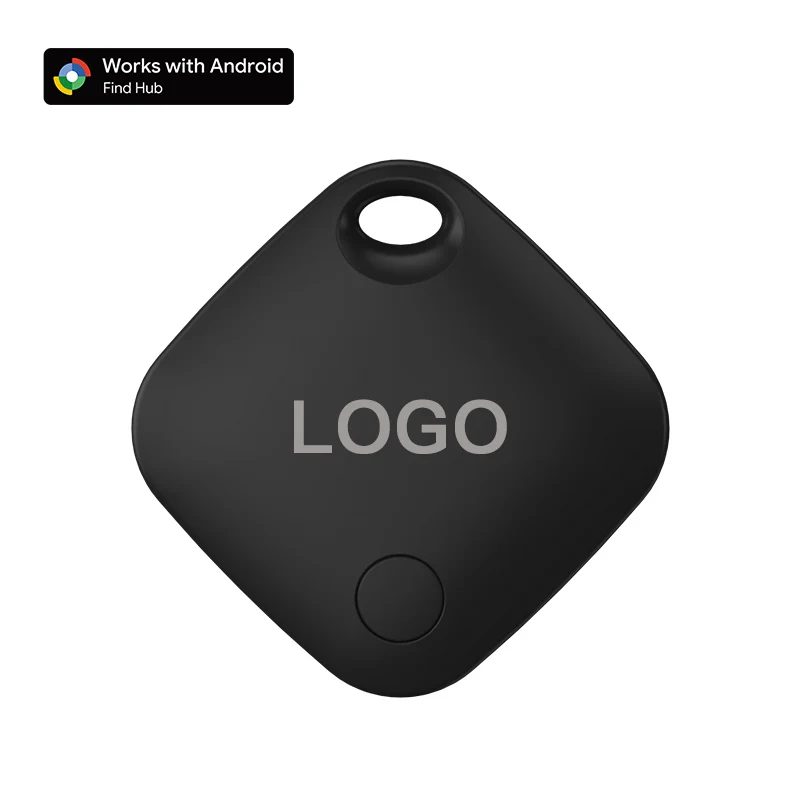
The integration of branding elements into custom luggage trackers represents a strategic marketing investment that extends far beyond traditional promotional products. Unlike conventional branded items that may have limited utility, these tracking devices serve a critical function in protecting valuable belongings while simultaneously reinforcing brand awareness. Companies across various industries are discovering that custom luggage trackers create lasting impressions with clients, employees, and business partners who frequently travel for work or leisure.
The customization potential for these tracking devices extends across multiple dimensions, from visual aesthetics to functional features. Modern manufacturing capabilities allow businesses to incorporate their distinctive brand elements seamlessly into the device design, creating products that feel authentically connected to their corporate identity. This level of personalization transforms a utilitarian gadget into a branded ambassador that travels with users wherever they go.
Design Customization Options for Corporate Branding
Logo Integration and Brand Colors
The most fundamental aspect of customizing luggage trackers involves integrating company logos and brand colors into the device design. Modern custom luggage trackers can accommodate various logo formats, from simple monochromatic designs to complex multi-colored corporate emblems. The manufacturing process typically utilizes advanced printing techniques such as laser engraving, UV printing, or injection molding to ensure that brand elements remain vibrant and durable throughout the device's lifespan.
Color customization plays a crucial role in maintaining brand consistency across all corporate materials. Companies can specify exact Pantone colors or provide color codes to ensure that their custom luggage trackers perfectly match their established brand palette. This attention to detail creates a cohesive brand experience that reinforces corporate identity every time the device is used or seen by others.
The placement of logos and brand elements requires careful consideration to balance visibility with functionality. Experienced manufacturers work closely with businesses to determine optimal positioning that maximizes brand exposure while maintaining the device's ergonomic design and operational effectiveness. This collaborative approach ensures that the final product serves both branding objectives and practical tracking needs.
Shape and Form Factor Modifications
Beyond surface customization, companies can explore modifications to the physical shape and form factor of their custom luggage trackers. While maintaining the core functionality and internal components, manufacturers can create unique silhouettes that reflect brand personality or industry characteristics. For example, a automotive company might opt for a sleek, aerodynamic design, while a financial services firm might prefer a more conservative, rectangular form.
The form factor customization process involves balancing aesthetic preferences with technical constraints. The internal tracking components require specific spatial arrangements, and the device must maintain adequate signal transmission capabilities. Skilled designers work within these parameters to create distinctive shapes that stand out in the marketplace while ensuring optimal performance.
Material selection also contributes to the overall brand impression of custom luggage trackers. Companies can choose from various materials including premium metals, durable plastics, or eco-friendly alternatives that align with their sustainability commitments. Each material choice communicates different brand values and appeals to specific customer demographics.
Functional Customization Features
App Interface and User Experience
The digital experience surrounding custom luggage trackers offers extensive opportunities for brand integration and customization. Companies can develop branded mobile applications that provide tracking functionality while maintaining consistent visual identity throughout the user interface. This approach ensures that every interaction with the tracking system reinforces brand recognition and loyalty.
Custom applications can incorporate company-specific features such as corporate travel policies, preferred airline integration, or business expense tracking capabilities. These value-added functions transform the basic tracking service into a comprehensive travel management tool that delivers ongoing utility to users. The enhanced functionality strengthens the connection between the brand and the user's daily activities.
User experience customization extends to notification systems, alert preferences, and data visualization methods. Companies can design these elements to reflect their brand personality, whether that involves playful animations for a creative agency or sophisticated data presentations for a consulting firm. The customized interface becomes an extension of the company's digital brand presence.
Advanced Tracking Capabilities
Modern custom luggage trackers can incorporate sophisticated tracking technologies that go beyond basic location services. Companies can specify GPS accuracy levels, cellular connectivity options, or integration with existing corporate security systems. These technical specifications can be tailored to match specific industry requirements or security protocols.
Battery life optimization represents another area where customization can provide competitive advantages. Different usage patterns require different power management strategies, and companies can work with manufacturers to optimize battery performance for their specific user demographics. Extended battery life reduces maintenance requirements and enhances user satisfaction with the branded device.
Data security and privacy features can be customized to meet corporate standards and regulatory requirements. Companies in highly regulated industries can specify encryption levels, data storage locations, and access control mechanisms that align with their compliance obligations. This technical customization ensures that the branded tracking solution meets all necessary security standards.
Manufacturing and Production Considerations
Minimum Order Quantities and Pricing
The economics of custom luggage trackers involve several factors that companies must consider when planning their branding initiatives. Minimum order quantities typically range from several hundred to several thousand units, depending on the level of customization required. Simple logo printing may have lower minimum orders, while complex shape modifications or unique materials require larger production runs to achieve cost efficiency.
Pricing structures for custom luggage trackers reflect the complexity of customization, order volume, and manufacturing timelines. Companies should expect higher per-unit costs for smaller orders and more extensive customizations. However, bulk pricing often provides significant economies of scale that make larger orders more attractive from both cost and impact perspectives.
Lead times for custom luggage trackers can vary significantly based on the scope of modifications required. Standard logo printing might be completed within a few weeks, while comprehensive redesigns or new tooling requirements could extend timelines to several months. Planning ahead allows companies to optimize both costs and delivery schedules for their branding initiatives.
Quality Control and Certification
Maintaining consistent quality across large orders of custom luggage trackers requires robust quality control processes and clear specifications. Companies should establish detailed requirements for all customization elements, including color accuracy, logo placement, and functional performance standards. These specifications serve as benchmarks throughout the manufacturing process.
Certification requirements for tracking devices include various regulatory standards depending on target markets and distribution channels. Custom luggage trackers may need FCC certification for radio frequency emissions, CE marking for European markets, or other regional compliance certifications. Working with experienced manufacturers ensures that all necessary certifications are obtained without delays.
Testing protocols for custom luggage trackers should verify both aesthetic and functional aspects of the finished products. This includes durability testing for branded elements, signal strength verification, and battery performance validation. Comprehensive testing prevents quality issues that could reflect poorly on the company's brand reputation.
Marketing and Distribution Strategies
Target Audience Identification
Successful deployment of custom luggage trackers requires clear identification of target audiences and distribution strategies. Different customer segments may value different aspects of the branded tracking solution, from business travelers prioritizing reliability to leisure travelers focusing on ease of use. Understanding these preferences helps companies optimize their customization choices and messaging strategies.
Corporate gift programs represent a significant opportunity for custom luggage trackers, particularly for companies serving business travelers or logistics professionals. These programs can strengthen client relationships while providing ongoing brand exposure through practical utility. The perceived value of tracking technology often exceeds the actual cost, making these devices attractive corporate gifts.
Employee recognition programs can also benefit from custom luggage trackers, especially in companies where travel is common. Branded tracking devices serve as both practical tools and symbols of company care for employee convenience and security. This dual function enhances the emotional connection between employees and their employer brand.
Launch and Promotion Tactics
The introduction of custom luggage trackers should align with broader marketing campaigns and brand initiatives. Companies can leverage trade shows, conferences, or corporate events to demonstrate the devices and highlight their branded features. Live demonstrations often prove more effective than static displays in conveying the value proposition of tracking technology.
Digital marketing channels provide excellent platforms for showcasing custom luggage trackers and their branded features. Social media campaigns can highlight real-world usage scenarios while demonstrating the devices' functionality and brand integration. Video content proves particularly effective for explaining tracking capabilities and showcasing customization options.
Partnership opportunities with travel-related businesses can expand the reach and impact of custom luggage trackers. Hotels, airlines, or corporate travel agencies might serve as distribution partners, adding value to their service offerings while extending brand exposure for the tracking device sponsor. These partnerships create win-win scenarios that benefit all participants.
Return on Investment Analysis
Brand Exposure Metrics
Measuring the effectiveness of custom luggage trackers as branding tools requires establishing clear metrics and tracking mechanisms. Brand exposure can be quantified through various methods, including usage frequency data from mobile applications, geographic distribution patterns, and user engagement analytics. These metrics provide concrete evidence of the devices' marketing impact and help justify continued investment.
The longevity of custom luggage trackers contributes significantly to their return on investment compared to traditional promotional items. While conventional branded products might be discarded relatively quickly, tracking devices typically remain in active use for years. This extended lifespan multiplies the total brand impressions generated by each device, improving the cost-effectiveness of the branding investment.
Cross-platform brand reinforcement occurs when users interact with both the physical device and digital applications. This multi-touchpoint exposure strengthens brand recall and recognition more effectively than single-medium promotional strategies. Companies can track these interactions to better understand user engagement patterns and optimize future customization decisions.
Customer Loyalty and Retention
Custom luggage trackers can contribute to customer loyalty programs by providing ongoing utility and convenience. Users who receive meaningful value from branded tracking devices develop positive associations with the sponsoring company. This emotional connection often translates into increased customer retention and advocacy, particularly when the devices prove reliable and useful.
The data generated by custom luggage trackers can inform customer service improvements and product development initiatives. Understanding how customers use tracking devices provides insights into their travel patterns, preferences, and pain points. Companies can leverage this information to enhance their core offerings and strengthen customer relationships.
Referral opportunities emerge when satisfied users recommend branded tracking devices to colleagues, friends, or family members. Word-of-mouth marketing from these devices often proves more credible and effective than traditional advertising messages. Companies can amplify these referral effects through incentive programs or social sharing features built into their tracking applications.
FAQ
What is the typical lead time for custom luggage tracker production
Lead times for custom luggage trackers typically range from 2-8 weeks depending on the complexity of customization required. Simple logo printing or color modifications usually take 2-4 weeks, while extensive design changes or new tooling requirements may extend timelines to 6-8 weeks. Companies should plan accordingly and communicate with manufacturers early in the process to ensure delivery schedules meet their promotional or launch requirements.
How do minimum order quantities affect pricing for branded tracking devices
Minimum order quantities significantly impact the per-unit pricing of custom luggage trackers, with larger orders generally achieving better economies of scale. Most manufacturers require minimum orders of 100-500 units for basic customizations, while complex modifications may require 1,000+ units. Companies ordering larger quantities often receive 20-40% better pricing compared to smaller orders, making bulk purchases more cost-effective for widespread distribution programs.
Can tracking devices integrate with existing corporate travel management systems
Many custom luggage trackers can be designed to integrate with existing corporate travel management platforms through APIs or custom software development. This integration enables features such as automatic expense reporting, travel policy compliance monitoring, and centralized asset tracking for company-issued devices. The level of integration possible depends on the technical capabilities of both the tracking system and the corporate platforms, requiring coordination between IT departments and device manufacturers.
What are the ongoing costs associated with branded luggage tracking devices
Ongoing costs for custom luggage trackers primarily include cellular data charges for GPS-enabled models, which typically range from $5-15 per device annually. Some manufacturers offer bundled service packages that include data costs, while others require separate cellular plan arrangements. Additional costs may include mobile app maintenance, cloud storage for tracking data, and customer support services, though many of these can be managed through the device manufacturer's existing infrastructure.
Table of Contents
- Design Customization Options for Corporate Branding
- Functional Customization Features
- Manufacturing and Production Considerations
- Marketing and Distribution Strategies
- Return on Investment Analysis
-
FAQ
- What is the typical lead time for custom luggage tracker production
- How do minimum order quantities affect pricing for branded tracking devices
- Can tracking devices integrate with existing corporate travel management systems
- What are the ongoing costs associated with branded luggage tracking devices