
 EN
EN
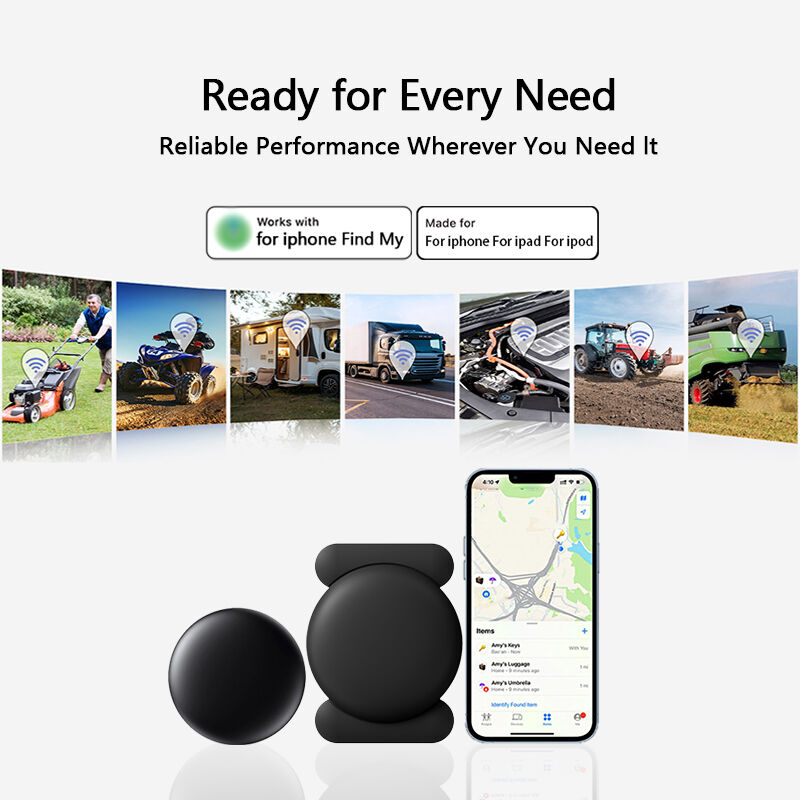
V dnešnom rýchlo sa meniacom podnikovom prostredí sa stáva čoraz náročnejším sledovať cenné aktíva, vybavenie a zásoby. Spoločnosti v rôznych odvetviach sa obracajú na pokročilé riešenia pre sledovanie, aby zjednodušili prevádzku a znížili straty. Inteligentný lokalizátor predstavuje technológiu najnovšej generácie, ktorá umožňuje podnikom monitorovať a lokalizovať ich kritické položky s nevídanou presnosťou a efektívnosťou. Tieto kompaktné zariadenia na sledovanie premenili spôsob, akým organizácie spravujú svoje zdroje, a ponúkajú reálny prehľad v reálnom čase a pokoj v duši pre podnikateľov aj manažérov.
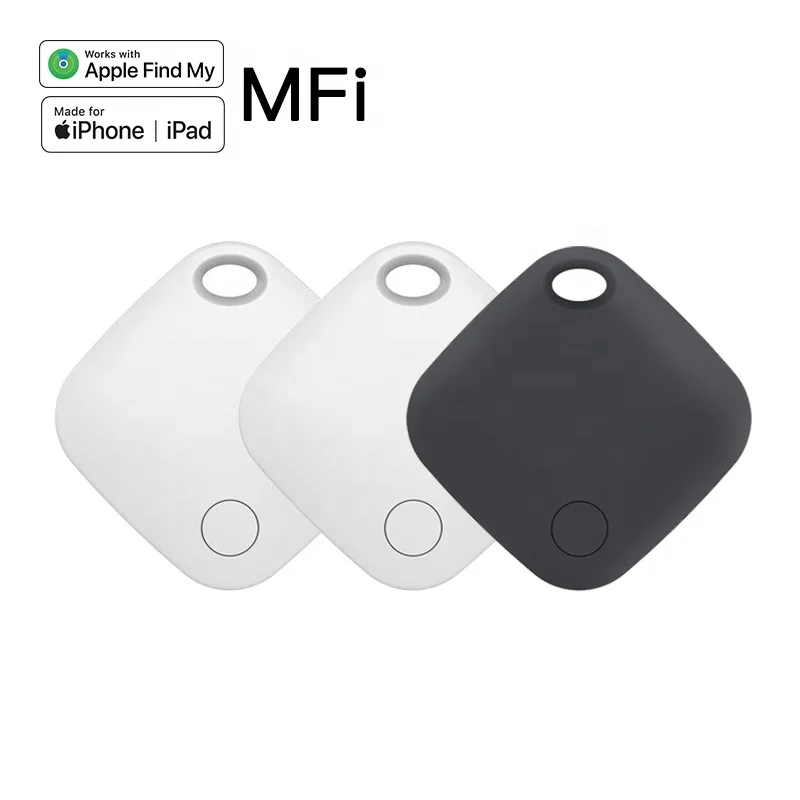
Prijatie technológie chytných lokalizátorov v podnikovom prostredí rastie exponenciálne, keďže spoločnosti uznávajú významný návrat investícií, ktorý tieto zariadenia poskytujú. Od predchádzania krádeži vybavenia po optimalizáciu využitia aktív tieto sledovacie riešenia súčasne riešia viacero prevádzkových výziev. Moderné chytré lokalizačné zariadenia obsahujú pokročilé funkcie, ktoré sú špeciálne navrhnuté tak, aby vyhovovali podnikovým požiadavkám, vrátane predĺženej životnosti batérií, odolnej konštrukcie a podnikových správcovských platforiem. Pochopenie toho, ktoré funkcie prinášajú najväčšiu hodnotu pre podnikové aplikácie, je nevyhnutné na prijímanie informovaných rozhodnutí o nákupoch a maximalizáciu prevádzkových výhod.
Základné sledovacie funkcie pre podnikové prevádzky
Sledovanie aktuálnej polohy v reálnom čase
Kameňom úspechu každého efektívneho systému inteligentného vyhľadávača je jeho schopnosť poskytovať presné údaje o polohe v reálnom čase pre sledované aktíva. Obchodní klienti vyžadujú presné informácie o polohe, ku ktorým je možné okamžite pristupovať prostredníctvom webových nástrojov na monitorovanie alebo mobilných aplikácií. Táto funkcia umožňuje firmám sledovať nasadenie vybavenia, sledovať nástroje zamestnancov a udržiavať prehľad o cennom inventári na viacerých lokalitách. Najpokročilejšie riešenia inteligentných vyhľadávačov ponúkajú presnosť GPS v rozmedzí niekoľkých metrov, čím sa zabezpečuje, že firmy môžu svoje aktíva rýchlo a efektívne lokalizovať.
Sledovanie v reálnom čase sa stáva obzvlášť cenným pre podniky, ktoré pôsobia v rámci veľkých priestorov alebo na viacerých lokalitách. Stavebné firmy napríklad môžu sledovať drahé nástroje a strojné zariadenia na rôznych staveniskách, zatiaľ čo zdravotnícke zariadenia môžu sledovať lekárske vybavenie po celých nemocničných komplexoch. Možnosť nastaviť automatické upozornenia pri presunoch položiek mimo určených oblastí pridáva ďalšiu vrstvu bezpečnosti a kontroly. Technológia inteligentného vyhľadávania sa bezproblémovo integruje do existujúcich podnikových systémov a poskytuje komplexnú prehľadnosť bez narušenia zavedených pracovných postupov.
Analytika histórie pohybu
Okrem sledovania v reálnom čase sofistikované systémy inteligentného vyhľadávania uchovávajú podrobné histórie pohybov a vzorov využívania aktív. Tieto údaje sú neoceniteľné pre optimalizáciu podnikania, pretože umožňujú spoločnostiam identifikovať nedostatočne využívané vybavenie, optimalizovať harmonogramy nasadenia a zlepšiť prevádzkovú efektivitu. Historická analýza môže odhaliť trendy využívania aktív, čím pomáha podnikom rozhodovať sa o budúcich nákupoch a alokácii zdrojov. Možnosť generovať komplexné správy z dát sledovania podporuje splnenie požiadaviek na dodržiavanie predpisov a poskytuje cenné poznatky pre stratégiu plánovania.
Mnohí podnikoví klienti zisťujú, že historické údaje o sledovaní im pomáhajú identifikovať príležitosti na úsporu nákladov a zlepšiť procesy správy aktív. Analýzou vzorov pohybu môžu spoločnosti určiť optimálne umiestnenie vybavenia, znížiť nepotrebné presuny a minimalizovať výpadky. Táto analytická schopnosť premieňa jednoduché zariadenie na sledovanie na výkonné nástroje podnikovej inteligencie, ktoré prispievajú k celkovej operačnej excelentnosti a ziskovosti.
Pokročilé funkcie zabezpečenia a ochrany proti krádeži
Detekcia manipulácie a upozornenia
Bezpečnostné obavy motivovali mnoho podnikov investovať do technológie inteligentných vyhľadávačov, čo robí detekciu manipulácie kritickou funkciou pre komerčné aplikácie. Pokročilé zariadenia obsahujú viacero senzorov, ktoré dokážu zaznamenať pokusy o neoprávnené odstránenie, nezvyčajné vibrácie alebo zmeny prostredia, ktoré by mohli naznačovať krádež alebo nesprávne zaobchádzanie. Keď dôjde k podozrivým aktivitám, inteligentný vyhľadávač okamžite pošle upozornenia určeným zodpovedným osobám, čím umožní rýchlu reakciu na potenciálne bezpečnostné porušenia.
Úroveň sofistikovanosti detekcie manipulácie sa medzi jednotlivými modelmi inteligentných vyhľadávačov líši, pričom prémiové podnikové zariadenia ponúkajú viacnásobné mechanizmy detekcie. Niektoré systémy dokážu rozlíšiť medzi bežným zaobchádzaním a podozrivou aktivitou, čím sa zníži počet falošných poplachov a súčasne sa udržia vysoké bezpečnostné štandardy. Integrácia so stávajúcimi bezpečnostnými systémami umožňuje podnikom vytvárať komplexné stratégie ochrany, ktoré využívajú viaceré technológie za účelom dosiahnutia maximálnej účinnosti.
Geofencing a monitorovanie hraníc
Funkcie geozón umožňujú podnikom vytvárať virtuálne hranice okolo konkrétnych lokalít a automaticky dostávať upozornenia, keď sledované položky vstupujú do týchto zón alebo z nich vystupujú. Táto funkcia sa ukazuje ako obzvlášť užitočná pri kontrole prístupu do uzavretých oblastí, monitorovaní používania vybavenia a zabezpečovaní dodržiavania bezpečnostných protokolov. Dobré návrhové riešenie inteligentný vyhľadávač umožňuje podnikom vytvárať viacero geozón s rôznymi nastaveniami upozornení a oprávneniami na prístup.
Prispôsobivosť funkcií geozón umožňuje ich využitie v rôznych podnikových scenároch – od zabránenia odvezeniu vybavenia z stavenísk po zabezpečenie toho, aby citlivé dokumenty zostali v chránených oblastiach. Pokročilé systémy dokážu spravovať viacero prekrývajúcich sa geozón s rôznymi úrovňami priority, čím poskytujú jemnú kontrolu nad pohybmi aktív a bezpečnostnými protokolmi.
Integrácia do podnikových systémov a nástroje pre správu
Centrálny panel a výkazy
Obchodní klienti vyžadujú komplexné nástroje na správu, ktoré dokážu zvládnuť viacero zariadení smart finder v rámci ich organizácie. Platformy úrovne enterprise poskytujú centrálne nástenky, ktoré zobrazujú aktuálne stavové informácie o všetkých sledovaných aktívach a umožňujú efektívne monitorovanie a správu z jediného rozhrania. Tieto nástenky zvyčajne obsahujú prispôsobiteľné zobrazenia, možnosti filtrovania a vyhľadávania, ktoré pomáhajú používateľom rýchlo nájsť konkrétne položky alebo analyzovať celkový výkon vozového parku.
Robustné funkcie pre tvorbu správ sú nevyhnutné pre podniky, ktoré musia preukázať zodpovednosť za aktíva, sledovať mieru využitia alebo poskytnúť dokumentáciu pre poistenie. Najlepšie platformy na správu smart finder generujú automatické správy, ktoré je možné naplánovať, prispôsobiť a distribuovať príslušným zainteresovaným stranám. Táto funkčnosť podporuje splnenie požiadaviek na dodržiavanie predpisov a poskytuje cenné údaje pre strategické rozhodovacie procesy.
Prístup viacerých používateľov a oprávnenia
Veľké organizácie vyžadujú inteligentné systémy na vyhľadávanie, ktoré podporujú viacerých používateľov s rôznymi úrovňami prístupu a zodpovednosti. Podnikové platformy zvyčajne obsahujú systémy oprávnení založené na rolách, ktoré umožňujú správcom určiť, ktorí používatelia môžu zobrazovať konkrétne prostriedky, upravovať nastavenia alebo pristupovať k histórii dát. Táto podrobná kontrola zabezpečuje ochranu citlivých informácií a zároveň umožňuje príslušnému personálu efektívne plniť svoje povinnosti.
Funkcie správy používateľov sa často rozširujú aj o auditné stopy, ktoré sledujú, kto k systému pristúpil, aké akcie vykonal a kedy tieto aktivity prebehli. Táto zodpovednosť pomáha udržiavať bezpečnostné štandardy a poskytuje cenné informácie pre odstraňovanie porúch alebo vyšetrovanie incidentov. Možnosť rýchlo pridať alebo odstrániť používateľov, upraviť ich oprávnenia a spravovať prístup na viacerých lokalitách robí tieto systémy škálovateľnými pre rastúce podniky.
Životnosť batérií a úvahy týkajúce sa údržby
Rozšírená výdrž batérie
Životnosť batérie predstavuje kritický faktor pre podnikové aplikácie, keď častá výmena batérií môže spôsobiť významnú prevádzkovú záťaž. Inteligentné vyhľadávacie zariadenia komerčnej triedy zvyčajne ponúkajú predĺženú životnosť batérie meranú mesiacmi alebo dokonca rokmi, v závislosti od vzorov používania a nastavení konfigurácie. Podniky profitujú zo zariadení, ktoré poskytujú včasné upozornenia na nízku úroveň nabitia batérie, čo umožňuje plánovanú údržbu bez prerušenia služby.
Funkcie riadenia napájania umožňujú podnikom optimalizovať životnosť batérie úpravou frekvencie sledovania, režimov spánku a intervalov komunikácie na základe špecifických prevádzkových požiadaviek. Niektoré modely inteligentných vyhľadávacích zariadení ponúkajú dobíjateľné batérie alebo externé pripojenia na napájanie pre aplikácie, kde je nevyhnutná nepretržitá prevádzka. Porozumenie požiadavkám na napájanie a dostupným možnostiam pomáha podnikom vybrať zariadenia, ktoré sú v súlade s ich prevádzkovými potrebami a schopnosťami údržby.
Trvanlivosť a odolnosť voči životnému prostrediu
Obchodné prostredia často vystavujú sledovacie zariadenia prísne podmienkam, čo robí odolnosť kritickou vlastnosťou pre komerčné aplikácie inteligentných lokalizátorov. Zariadenia priemyselnej kvality zvyčajne disponujú pevnou konštrukciou s odolnosťou voči vode, ochranou proti nárazom a odolnosťou voči teplote, ktorá presahuje možnosti spotrebiteľských alternatív. Tieto vylepšené vlastnosti odolnosti zabezpečujú spoľahlivý chod v náročných prostrediach a zároveň minimalizujú náklady na výmenu a údržbu.
Hodnotenia odolnosti voči vonkajším vplyvom pomáhajú podnikom vybrať vhodné zariadenia inteligentných lokalizátorov pre konkrétne aplikácie – či už ide o sledovanie vonkajších zariadení, monitorovanie aktív v výrobných závodoch alebo správu zásob v skladových priestoroch. Investícia do odolných zariadení sa zvyčajne vypláca znížením nákladov na výmenu a zlepšenou spoľahlivosťou počas dlhších období prevádzky.
Možnosti pripojenia a komunikácie
Súčinnosť sieťe a pokrytie
Spoľahlivé pripojenie tvorí základ účinného prevádzkovania inteligentných vyhľadávačov, čo robí kompatibilitu s sieťou hlavnou záležitosťou pre podnikových klientov. Rôzne zariadenia využívajú rôzne komunikačné technológie, vrátane mobilných sietí, WiFi, Bluetooth a proprietárnych protokolov, pričom každá z nich má špecifické výhody a obmedzenia. Podniky musia posúdiť svoje prevádzkové prostredia a požiadavky na pokrytie, aby vybrali inteligentné vyhľadávače s vhodnými možnosťami pripojenia.
Schopnosť globálneho pokrytia sa stáva nevyhnutnou pre podniky, ktoré pôsobia v viacerých regiónoch alebo krajinách. Niektoré systémy inteligentných vyhľadávačov využívajú viacero typov sietí, aby zabezpečili nepretržité pripojenie, a automaticky prepínajú medzi dostupnými možnosťami, aby udržali komunikáciu. Porozumenie obmedzeniam pokrytia a schopnostiam roamingu jednotlivých systémov pomáha podnikom vyhnúť sa medzerám v pripojení, ktoré by mohli ohroziť účinnosť sledovania.
Prenos dát a frekvencia aktualizácií
Frekvencia a spoľahlivosť prenosu dát priamo ovplyvňujú účinnosť inteligentných systémov na vyhľadávanie v podnikových aplikáciách. Podnikoví používatelia zvyčajne vyžadujú častejšie aktualizácie ako spotrebiteľské aplikácie, najmä pri aktívach s vysokou hodnotou alebo pri aplikáciách kritických z hľadiska bezpečnosti. Konfigurovateľné intervaly aktualizácií umožňujú podnikom vyvážiť medzi reálnym časom viditeľnosti a úsporou batérie na základe konkrétnych prevádzkových požiadaviek.
Pokročilé inteligentné systémy na vyhľadávanie ponúkajú inteligentné plánovanie prenosu, ktoré môže zvýšiť frekvenciu aktualizácií pri zaznamenaní pohybu alebo znížiť komunikáciu počas neaktívnych období. Tento adaptívny prístup optimalizuje zároveň životnosť batérie aj aktuálnosť dát a poskytuje podnikom včasné informácie pri minimalizácii prevádzkových nákladov a požiadaviek na údržbu.
Nákladová efektívnosť a návratnosť investícií
Analýza celkového vlastníckeho nákladu
Hodnotenie riešení chytrých vyhľadávačov vyžaduje komplexnú analýzu celkových nákladov na vlastníctvo, ktorá sa rozširuje aj za rámec počiatočných nákupných cien. Obchodní klienti musia pri výpočte návratnosti investícií zohľadniť pravidelné poplatky za predplatné, náklady na údržbu, náklady na výmenu a hodnotu predchádzaných strát. Mnoho organizácií zistí, že úspory z predchádzania len jednej významnej strate môžu ospravedlniť celkové investície do chytrých vyhľadávačov.
Implementácia chytrých vyhľadávačov často generuje úspory prostredníctvom zlepšenej využiteľnosti aktív, znížených poisťovacích prémii a optimalizovaných prevádzkových procesov. Schopnosť rýchlo lokalizovať vybavenie skracuje výpadky a zvyšuje produktivitu, zatiaľ čo presné údaje o sledovaní podporujú lepšie riadenie zásob a rozhodovanie o nákupoch. Tieto prevádzkové zlepšenia prispievajú k celkovej hodnote ponúkaného riešenia a ospravedlňujú investície do kvalitných technológií na sledovanie.
Rozšíriteľnosť a budúce rozšírenie
Systémy inteligentných vyhľadávačov pre podnikanie musia umožňovať rast a prispôsobenie sa meniacim sa prevádzkovým požiadavkám v priebehu času. Škálovateľné platformy umožňujú organizáciám pridať ďalšie zariadenia, rozšíriť pokrytie a integrovať nové funkcie bez nutnosti úplnej výmeny systému. Táto flexibilita chráni pôvodnú investíciu a zároveň podporuje rast a vývoj podniku.
Kompatibilita s budúcimi technológiami zaisťuje, že investície do inteligentných vyhľadávačov zostanú hodnotné, keď budú k dispozícii nové možnosti. Systémy, ktoré podporujú aktualizácie cez sieť (OTA), integráciu cez API a pripojenie tretích strán, poskytujú podnikom flexibilitu pri prispôsobovaní riešení na sledovanie meniacim sa požiadavkám a využívaní technologického pokroku bez nutnosti začínania odznova.
Často kladené otázky
Aká je typická životnosť batérie u podnikových inteligentných vyhľadávačov?
Chytré vyhľadávacie zariadenia pre podnikové použitie zvyčajne ponúkajú životnosť batérie od 6 mesiacov do 3 rokov, v závislosti od spôsobu používania, frekvencie aktualizácií a environmentálnych podmienok. Zariadenia s konfigurovateľnými funkciami správy energie môžu výrazne predĺžiť životnosť batérie úpravou intervalov sledovania a frekvencie komunikácie na základe prevádzkových požiadaviek. Väčšina komerčných systémov poskytuje upozornenie na nízku úroveň nabitia batérie 30–60 dní pred tým, než je potrebná jej výmena, čo umožňuje plánovať údržbu.
Aká je presnosť polohových údajov chytrých vyhľadávačov pre podnikové aplikácie?
Moderné inteligentné vyhľadávacie zariadenia poskytujú presnosť polohy v rozmedzí 1–5 metrov za optimálnych podmienok, čo vyhovuje väčšine obchodných požiadaviek na sledovanie. Presnosť v interiéri môže byť znížená kvôli obmedzeniam signálu GPS, no mnohé zariadenia kompenzujú tento nedostatok pomocou polohovania cez WiFi a Bluetooth, čím udržiavajú primeranú presnosť. Pre aplikácie vyžadujúce vyššiu presnosť si firmy môžu vybrať zariadenia s vylepšenými možnosťami určovania polohy alebo implementovať dodatočné referenčné systémy.
Môžu inteligentné vyhľadávacie systémy integrovať s existujúcimi softvérovými systémami pre správu podnikov?
Väčšina smart finderových platforiem určených pre podnikové použitie ponúka možnosti integrácie prostredníctvom API, ktoré umožňujú pripojenie k existujúcim systémom pre správu podnikov, vrátane softvéru pre správu zásob, ERP systémov a softvéru pre sledovanie aktív. Táto integrácia umožňuje firmám začleniť údaje o sledovaní do svojich už zavedených pracovných postupov a procesov tvorby správ. Pre firmy so špecifickými požiadavkami alebo vlastnými systémami sú často dostupné aj možnosti prispôsobenej integrácie.
Aké bezpečnostné opatrenia chránia údaje a komunikáciu chytrých vyhľadávačov
Komerčné systémy chytrých vyhľadávačov implementujú viacero bezpečnostných vrstiev, vrátane šifrovanej komunikácie, zabezpečených protokolov overovania totožnosti a chráneného ukladania údajov. Väčšina podnikových platforiem vyhovuje odvetvovým bezpečnostným štandardom a ponúka ďalšie funkcie, ako sú ovládanie prístupu používateľov, auditné stopy a šifrovanie údajov v pokoji. Pravidelné bezpečnostné aktualizácie a certifikáty zhody pomáhajú zabezpečiť ochranu podnikových údajov počas celého životného cyklu systému.
Obsah
- Základné sledovacie funkcie pre podnikové prevádzky
- Pokročilé funkcie zabezpečenia a ochrany proti krádeži
- Integrácia do podnikových systémov a nástroje pre správu
- Životnosť batérií a úvahy týkajúce sa údržby
- Možnosti pripojenia a komunikácie
- Nákladová efektívnosť a návratnosť investícií
-
Často kladené otázky
- Aká je typická životnosť batérie u podnikových inteligentných vyhľadávačov?
- Aká je presnosť polohových údajov chytrých vyhľadávačov pre podnikové aplikácie?
- Môžu inteligentné vyhľadávacie systémy integrovať s existujúcimi softvérovými systémami pre správu podnikov?
- Aké bezpečnostné opatrenia chránia údaje a komunikáciu chytrých vyhľadávačov