 EN
EN
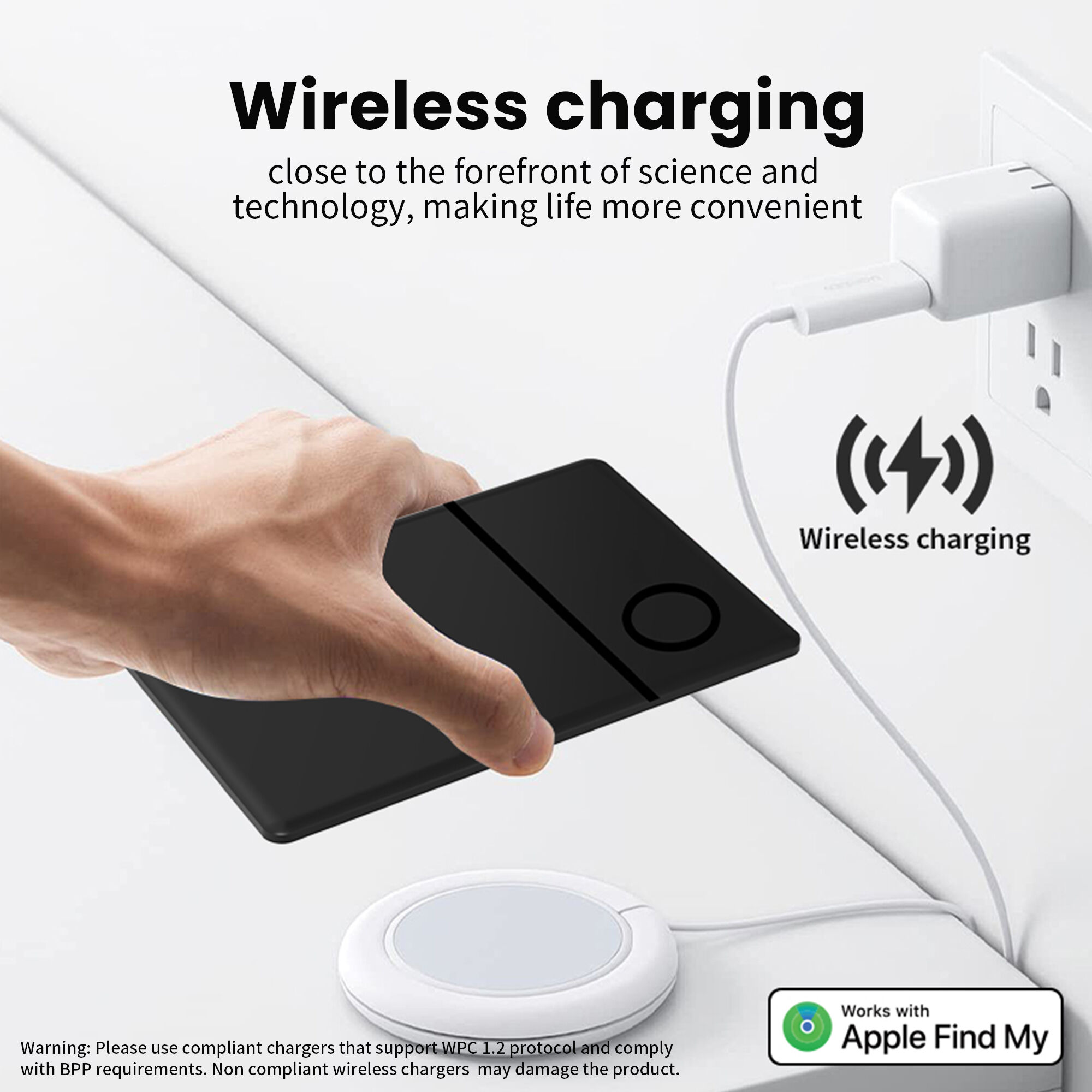
The modern consumer electronics market demands innovative solutions that seamlessly integrate into daily life, and wallet tracker technology represents a prime opportunity for OEM partners to differentiate their product portfolios. As businesses seek to expand their offerings with cutting-edge tracking devices, understanding how wallet tracker integration can elevate brand positioning becomes crucial for sustained market growth. This comprehensive analysis explores the strategic advantages and technical considerations that make wallet tracker partnerships essential for forward-thinking manufacturers.
Strategic Market Positioning Through Wallet Tracker Integration
Competitive Differentiation in Saturated Markets
OEM partners leveraging wallet tracker technology gain immediate competitive advantages in increasingly crowded consumer electronics markets. The integration of advanced tracking capabilities transforms traditional product lines into smart, connected solutions that resonate with tech-savvy consumers. Companies implementing wallet tracker features report significant increases in market share, particularly among demographics prioritizing convenience and security. This strategic positioning allows manufacturers to command premium pricing while establishing themselves as innovation leaders within their respective sectors.
Market research indicates that brands incorporating wallet tracker functionality experience enhanced customer loyalty and reduced price sensitivity. The perceived value addition creates stronger emotional connections between consumers and products, resulting in improved brand recognition and word-of-mouth marketing. OEM partners who embrace this technology early position themselves advantageously against competitors still offering conventional, non-connected alternatives.
Revenue Stream Diversification Opportunities
Wallet tracker integration opens multiple revenue channels beyond traditional product sales, creating sustainable income streams for OEM partners. Subscription-based services, premium feature unlocks, and complementary accessory sales generate recurring revenue that stabilizes long-term profitability. Companies implementing comprehensive wallet tracker ecosystems report revenue increases averaging 25-40% within the first year of deployment, demonstrating the tangible financial benefits of strategic technology adoption.
Partnership opportunities with app developers, insurance companies, and security service providers further expand monetization potential. These collaborative relationships create network effects that amplify the value proposition for end users while generating additional income streams for manufacturing partners. The interconnected nature of wallet tracker technology facilitates cross-selling opportunities that maximize customer lifetime value through integrated product ecosystems.
Technical Implementation and Design Considerations
Hardware Integration Requirements
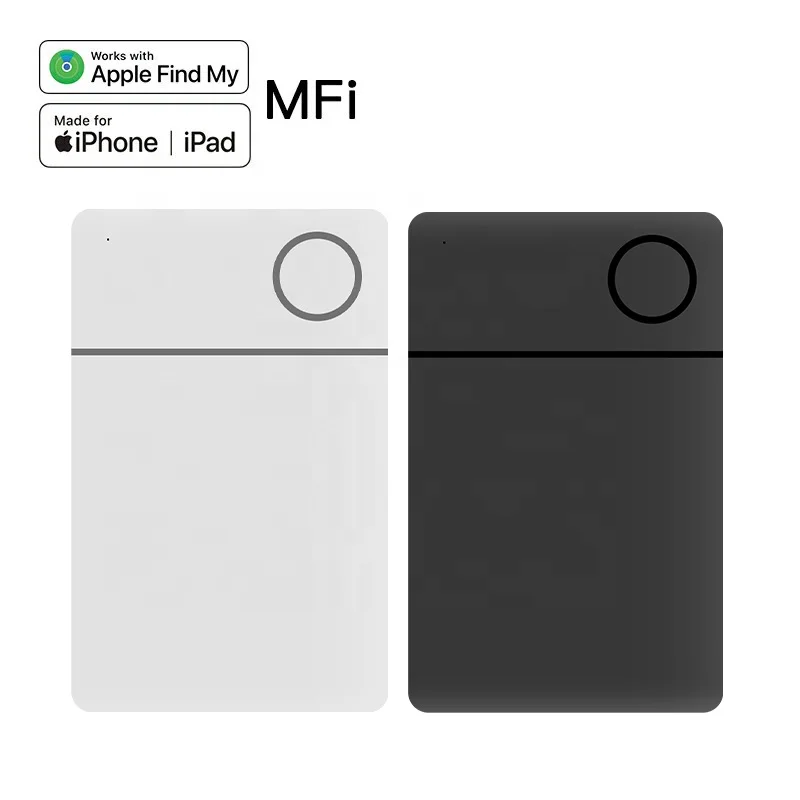
Successful wallet tracker implementation requires careful consideration of form factor constraints and power management systems. The ultra-thin profile necessary for seamless integration demands advanced miniaturization techniques and efficient component selection. Engineers must balance tracking accuracy, battery life, and physical dimensions while maintaining cost-effectiveness for mass production. Modern wallet tracker designs achieve remarkable functionality within credit card-sized footprints, enabling integration across diverse product categories without compromising user experience.
Antenna design optimization plays a crucial role in ensuring reliable connectivity across various usage scenarios. Multi-band compatibility and signal strength optimization require sophisticated engineering approaches that account for interference from surrounding electronics and environmental factors. The most successful wallet tracker implementations utilize proprietary antenna configurations that maximize range while minimizing power consumption, resulting in superior performance compared to generic tracking solutions.
Software Architecture and Ecosystem Integration
Robust software frameworks enable seamless integration between wallet tracker hardware and user applications, creating cohesive experiences that drive adoption. Cloud-based infrastructure supports real-time location updates, historical tracking data, and multi-device synchronization across user ecosystems. OEM partners benefit from scalable platforms that accommodate growing user bases without compromising performance or reliability, ensuring sustainable long-term operation.
API development and third-party integration capabilities extend wallet tracker functionality beyond basic location services. Smart home integration, automotive connectivity, and enterprise security applications demonstrate the versatility of well-designed tracking platforms. Companies providing comprehensive development resources and documentation enable OEM partners to customize implementations according to specific market requirements and brand positioning strategies.
Manufacturing and Quality Assurance Standards
Production Scalability and Cost Optimization
Efficient manufacturing processes ensure wallet tracker production meets market demand while maintaining competitive pricing structures. Automated assembly lines and quality control systems minimize production costs without compromising reliability or performance standards. OEM partners implementing streamlined manufacturing workflows report significant improvements in unit economics, enabling broader market penetration and increased profit margins across product lines incorporating tracking functionality.
Supply chain optimization and component sourcing strategies directly impact wallet tracker production efficiency and cost structures. Strategic partnerships with semiconductor suppliers and specialized manufacturers provide access to cutting-edge components at competitive prices. The establishment of reliable supply chains ensures consistent production capacity and reduces vulnerability to market fluctuations that could disrupt wallet tracker availability during peak demand periods.
Compliance and Certification Requirements
Regulatory compliance represents a critical consideration for wallet tracker implementation across international markets. FCC certification, CE marking, and regional telecommunications standards require comprehensive testing and documentation to ensure legal market entry. Companies specializing in compliance services provide OEM partners with streamlined certification processes that reduce time-to-market while ensuring adherence to evolving regulatory requirements.
Privacy and data protection regulations add complexity to wallet tracker development and deployment strategies. GDPR compliance, data encryption standards, and user consent mechanisms must be integrated into product designs from initial development phases. Proactive compliance approaches protect OEM partners from regulatory penalties while building consumer trust through demonstrated commitment to privacy protection and data security.
Market Applications and Use Case Scenarios
Consumer Electronics Integration
Wallet tracker technology enhances traditional consumer electronics by adding location awareness and theft protection capabilities. Smartphone accessories, laptop bags, and travel gear benefit significantly from integrated tracking features that provide peace of mind for users. Consumer surveys indicate that tracking functionality influences purchasing decisions for 73% of respondents, highlighting the market demand for connected product solutions across multiple categories.
Gaming peripherals, audio equipment, and personal computing accessories represent emerging applications for wallet tracker integration. These markets demonstrate strong consumer willingness to pay premium prices for enhanced functionality and security features. OEM partners targeting these segments benefit from reduced competition and higher profit margins while establishing early market presence in rapidly growing categories.
Enterprise and Commercial Applications
Corporate asset management represents a significant growth opportunity for wallet tracker technology beyond consumer applications. Employee badge holders, equipment tracking systems, and document security solutions provide substantial value for business customers. Enterprise deployments typically involve larger order quantities and longer-term contracts, creating stable revenue streams for OEM partners specializing in commercial markets.
Healthcare applications, educational institutions, and government agencies demonstrate increasing interest in wallet tracker solutions for asset management and security purposes. These sectors prioritize reliability and compliance over cost considerations, creating opportunities for premium positioning and specialized feature development. Companies serving enterprise markets often achieve higher gross margins and stronger customer relationships compared to consumer-focused alternatives.
Partnership Development and Support Strategies
Technical Support and Training Programs
Comprehensive support programs ensure OEM partners successfully implement wallet tracker technology while minimizing technical challenges and time-to-market delays. Dedicated engineering teams provide consultation services, design optimization recommendations, and troubleshooting assistance throughout development cycles. These support relationships create competitive advantages by enabling faster product launches and higher quality implementations compared to self-directed development approaches.
Training programs for manufacturing personnel, quality assurance teams, and sales staff ensure consistent implementation of wallet tracker technology across partner organizations. Standardized procedures, certification programs, and ongoing education initiatives maintain quality standards while reducing support requirements and operational overhead. Well-trained partner teams contribute to improved customer satisfaction and reduced warranty claims, enhancing profitability for all stakeholders.
Marketing and Go-to-Market Support
Marketing collaboration programs help OEM partners effectively communicate wallet tracker benefits to target audiences through coordinated messaging and promotional campaigns. Co-branded materials, technical documentation, and sales training resources enable partners to leverage established expertise while maintaining brand independence. These collaborative approaches accelerate market penetration while reducing individual marketing costs and improving campaign effectiveness.
Channel partner programs and distribution network development expand market reach for wallet tracker implementations across global markets. Established distribution relationships and regional expertise provide access to markets that would be difficult or expensive to penetrate independently. Strategic channel partnerships create win-win scenarios that benefit all participants while accelerating technology adoption across diverse market segments.
FAQ
What are the key technical requirements for integrating wallet tracker technology into existing product lines?
Wallet tracker integration requires careful consideration of power management, antenna design, and form factor constraints. Key technical requirements include Bluetooth Low Energy capability, efficient battery systems, and compact circuit board designs that fit within existing product dimensions. Most implementations require minimal modifications to existing designs, with integration typically accomplished through modular approaches that preserve original functionality while adding tracking capabilities.
How do wallet tracker partnerships affect manufacturing costs and pricing strategies?
Wallet tracker integration typically adds $8-15 to manufacturing costs depending on feature complexity and production volume. However, the enhanced value proposition enables premium pricing that often exceeds additional costs by 300-500%, resulting in improved gross margins. Volume discounts and optimized supply chain relationships further reduce unit costs while maintaining competitive market positioning and profitability targets.
What compliance and certification requirements must OEM partners consider for international markets?
International wallet tracker deployment requires compliance with telecommunications regulations including FCC Part 15, CE marking, and IC certification depending on target markets. Privacy regulations such as GDPR and CCPA mandate specific data handling and user consent mechanisms. Comprehensive compliance support from technology partners typically streamlines certification processes and reduces time-to-market while ensuring regulatory adherence across multiple jurisdictions.
How can companies measure the ROI of wallet tracker integration initiatives?
ROI measurement for wallet tracker initiatives should consider increased product pricing, enhanced customer retention, and new revenue stream development. Key metrics include average selling price improvements, customer lifetime value increases, and market share gains compared to non-tracking alternatives. Companies typically achieve positive ROI within 6-12 months of implementation, with long-term benefits including strengthened brand positioning and expanded market opportunities that continue generating value over multiple product cycles.
Table of Contents
- Strategic Market Positioning Through Wallet Tracker Integration
- Technical Implementation and Design Considerations
- Manufacturing and Quality Assurance Standards
- Market Applications and Use Case Scenarios
- Partnership Development and Support Strategies
-
FAQ
- What are the key technical requirements for integrating wallet tracker technology into existing product lines?
- How do wallet tracker partnerships affect manufacturing costs and pricing strategies?
- What compliance and certification requirements must OEM partners consider for international markets?
- How can companies measure the ROI of wallet tracker integration initiatives?