
 EN
EN
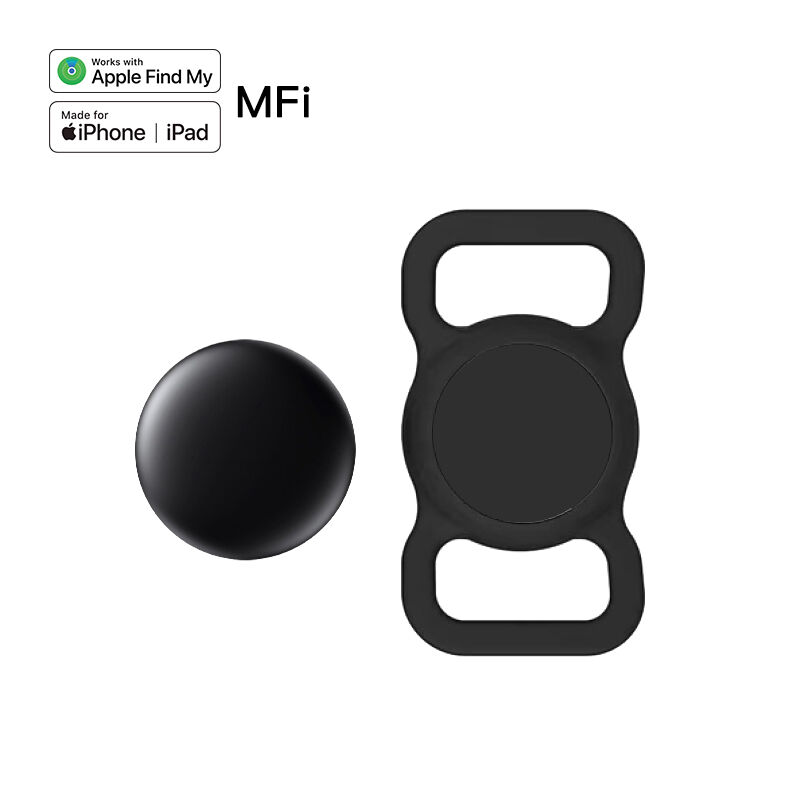
במערכת הטכנולוגית המתקדמת והמשתנה במהירות של ימינו, עסקים בתחומים מגוונים מגלה את הפוטנציאל המהפכני של מוצאי החיפוש החכמים לצרכים הפעליים שלהם. מכשירי המעקב החדשניים הללו הרחיבו באופן מהפכני את הדרך שבה ארגונים מנהלים את נכסיהם, המלאי שלהם והפריטים היקרים להם באמצעות טכנולוגיית GPS מתקדמת ותכונות חיבור חלקות. כאשר מתכננים אסטרטגיות רכישת קבוצתית, מוצאי החיפוש החכמים מציגים יתרונות משכנעים שעוברים בהרבה את יכולות מעקב המיקום הפשוטות בלבד.
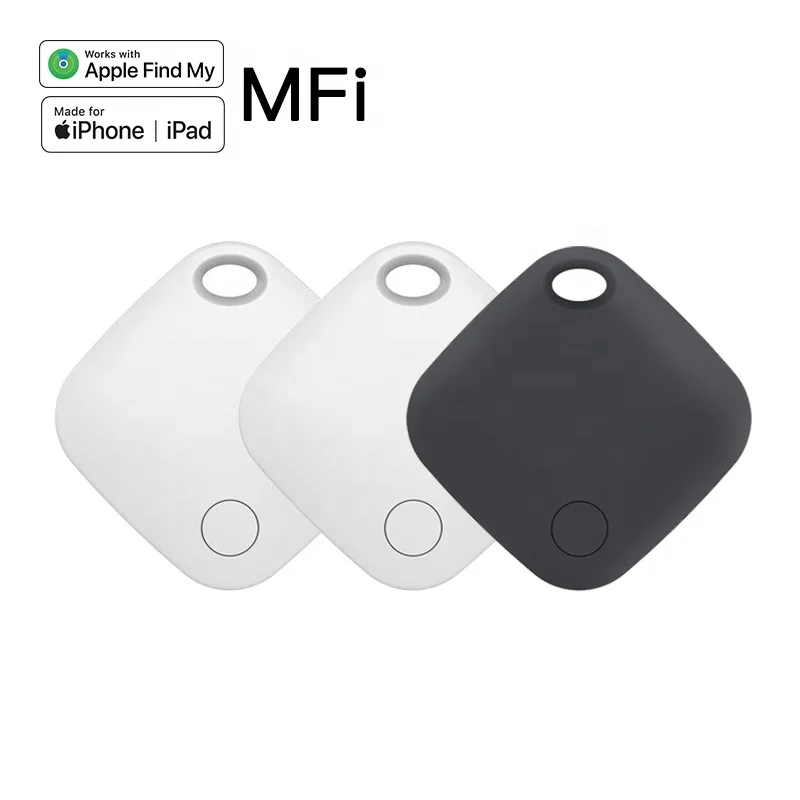
ההחלטה להשקיע במוצרי חיפוש חכמים באמצעות הזמנות גדולות מייצגת גישה אסטרטגית שיכולה להשפיע באופן משמעותי על היעילות הפעולה ועל היחס בין עלות לתועלת. ארגונים מגוונים – החל מחברות לוגיסטיקה ועד מוסדות חינוך – מזהים כיצד פתרונות המעקב המתקדמים הללו יכולים לפשט את תהליכי העבודה שלהם, תוך הספקת ראייה בלתי מזוהה קודם לכן למערכות הניהול של נכסיהם. האינטגרציה של מוצרי חיפוש חכמים בתפעול העסקי הפכה לחיונית יותר ויותר ככל שחברות מחפשות לאופטם את הקצאת המשאבים שלהן ולמזער את האבדנים.
הבנת היתרונות המפורטים של רכישת מוצרי 'סמרט פינדר' בكمיות גדולות דורשת בחינה של ממדים מרובים של יצירת ערך, מהחיסכון המיידי בעלויות ועד לשיפור התפעולי הארוך טווח. מכשירים אלו נותנים לעסקים את ההזדמנות להקים מערכות מעקב חזקות שמשפרות את האבטחה, מגבירות את האחראיות ומספקות תובנות בזמן אמת על דפוסי השימוש באשכול הנכסים שלהם בכל הארגון.
יעילות עלות והטבות מחירים לפי נפח
חיסכון משמעותי ליחידה דרך רכישה בكمיות
הזמנות בULK למחפשים חכמים מספקות יתרונות כלכליים משמעותיים שיכולים להפחית באופן דרמטי את ההשקעה הכוללת הנדרשת לפתרונות מערכות מעקב מקיפות. יצרנים ומפיצים מציעים בדרך כלל מבני תעריפי מדרגות שנותנים עלויות ליחידה הולכות ומשפרות ככל שגדלים כמויות ההזמנה. הנחות הכמות הללו יכולות לנוע בין חמישה-עשרה לארבעים אחוז מהמחיר הקמעונאי הסטנדרטי, בהתאם לכמויות המדויקות ולמאפייני המוצר שמעורבים בתהליך הרכש.
הטבות הכלכליות עולמות מעבר להפחתת מחיר היחידה בלבד, וכוללות הפחתת עלויות המשלוח, פשטון תהליכי הניהול והפחתת דמי העסקאות. כאשר ארגונים רוכשים ממוצאי חיפוש חכמים בכמויות גדולות, הם מבטלים את הצורך בהזמנות קטנות מרובות, אשר לרוב נושאות עלויות משלוח ותפעול לא פרופורציונליות. גישה מאוחדת זו לקנייה יוצרת שיפור מיידי ברווחיות, ובמקביל יוסדת בסיס לתכנון תקציבי ופיננסי צפוי יותר.
ערך ההשקעה הארוך טווח ואופטימיזציה של תשואת ההשקעה
מוצרי חיפוש חכמים שנקנים בהזמנות מוניות מספקים תשואה יוצאת דופן על ההשקעה הודות לתקופת פעילות הארכתה ולדרישות נמוכות יותר לתיקונים ותחזוקה. למכשירים אלו יש בדרך כלל בנייה עמידה ומערכות מתקדמות لإدارة צריכת החשמל המבטיחות ביצועים אמינים לאורך מספר שנים של שימוש רציף. ההשקעה הראשונית במוצרי חיפוש חכמים באיכות גבוהה משתלמת באמצעות הפחתת עלויות ההחלפה והפחתת זמן העצירה הנובע מתקלות במכשיר או מהידרדרות בביצועים.
ארגונים יכולים לחשב יתרונות משמעותיים של הימנעות מעלות בעת יישום מערכות חיפוש חכמות מקיפות בכל הפעולות שלהן. מניעת אובדן נכסים, הפחתת זמן החיפוש אחר פריטים שאבדו או שנטעו, ושיפור דיוק המלאי תורמים להחזרות פיננסיות מדידות שברוב המקרים עולמות את עלויות הקנייה הראשוניות כבר בשנה הראשונה ליישום. פתרונות המעקב הללו מאפשרים לעסקים למקסם את שיעורי הניצול של הנכסים שלהם תוך שמירה על רשומות מדויקות במיקום ובהסטטוס של הציוד.
פתרונות מקיפים למערכת מעקב בנכסים וניהולם
יכולות מעקב במיקום בזמן אמת
מוצגים מודרניים חכמים שמצוידים בטכנולוגיית GPS מתקדמת מספקים לארגונים נראות ללא תקדים במיקום ובדפוסי התנועה של הנכסים היקרים שלהם. מכשירים אלו מציעים יכולות מעקב בזמן אמת שמאפשרות זיהוי מיידי של המיקום באמצעות יישומים נוחים לשימוש לטלפונים ניידים וללוחות בקרה מבוססי רשת. האינטגרציה של טכנולוגיות מיקום מרובות, כולל GPS, תאי סלולרי וקישוריות Bluetooth, מבטיחה ביצועי מעקב עקביים בתנאי סביבה מגוונים ומיקומים גאוגרפיים שונים.
אלגוריתמי המעקב המורכבים שמשתמשים בהם совремיים מכשירי איתור חכמים מאפשרות לארגונים להגדיר אזורים גאוגרפיים (geofenced) ולקבל התראות אוטומטיות כאשר נכסים נכנסים או יוצאים מאזורים מוגדרים. גישה תקיפה זו לאיתור מאפשרת לעסקים לשמור על שליטה הדוקה יותר במלאי שלהם, תוך הפחתת הסיכון לנטישת נכסים ללא רשות או לגניבה. נתוני המעקב ההיסטורי שנוצרים על ידי מערכות אלו מספקים תובנות חשובות בנוגע לדפוסי השימוש בנכסים ועוזרים לארגונים לאופטם את אסטרטגיות ההתפלגות שלהן.
תכונות אבטחה מתקדמות ומניעת אובדן משופרות
מוצרי איתור חכמים המשולבים באסטרטגיות רכש המוני מציעים תכונות אבטחה חזקות שמצמצמות באופן משמעותי את הסיכון לאבדת נכסים ולגישה לא מורשית. הציוד כולל עיצוב עמיד לפגיעות, פרוטוקולי תקשורת מוצפנים ומערכות אזעקה מתוחכמות שמתפעלות כאשר נכסים זזים ללא הרשאה מתאימה. הגישה הרב-שכבתית לאבטחה מבטיחה שהציוד והמלאי היקרים ישארו מוגנים לאורך כל מחזור חייהם הפעלי.
האינטגרציה של מוצאי חפצים חכמים עם תשתיות האבטחה הקיימות יוצרת מערכות הגנה מקיפות שמנטרות את דפוסי התנועה של הנכסים ומזהות התנהגות חריגה. יכולות האנליזה המתקדמות מאפשרות להתקנים אלו ללמוד את דפוסי השימוש הרגילים ולסמן באופן אוטומטי פעילויות לא רגילות שיכולות לרמז על הפרות אבטחה או ניסיונות גישה לא מורשים. גישת האבטחה הפעילה הזו עוזרת לארגונים לשמור על שליטה טובה יותר על הנכסים שלהם, ובכך מפחיתה את ההשפעה הכספית של אירועים של גניבה או אובדן.
יעילות תפעולית ואינטגרציה של זרימת עבודה
תהליכי ניהול מלאי מופשטים
הטמעת מוצגים חכמים באמצעות אסטרטגיות triểnת קבוצתית משנה את תהליכי ניהול המלאי המסורתיים על ידי הוספת מערכות מעקב אוטומטיות ועדכונים בזמן אמת של הסטטוס. מכשירים אלו מבטלים את הצורך בספירת נכסים ובהתייחסות למיקום שלהם ידנית, ובכך מקטינים את עלויות העבודה תוך שיפור הדיוק ברשומות המלאי. הארגונים יכולים לשמור על רישומי נכסים מדויקים שמתעדכנים באופן אוטומטי כאשר פריטים זזים בתוך המתקנים שלהם או בין מיקומים שונים.
מוצאי חיפוש חכמים מאפשרים אינטגרציה חלקה עם מערכות תכנון משאבים יזמיות קיימות ותוכנות ניהול מלאי, ויוצרים פלטפורמות מאוחדות למעקב אחר נכסים ובקרה עליהם. יכולת האינטגרציה הזו מאפשרת לארגונים לשמור על תצוגה מקיפה של כל תיק הנכסים שלהם, תוך יצירת דוחות מפורטים על שיעורי הפעלה, לוחות זמנים לתיקונים ותכנון החלפה. יכולות איסוף הנתונים האוטומטיות מפחיתות שגיאות אנושיות ומבטאות שמירה עקבייה על רשומות בכל האזורים הפעוליים.
שיפור הפקודתיות של העובדים וניהול הזמן
ארגונים שמיישמים מוצרי חיפוש חכמים בכמויות גדולות חוו שיפור משמעותי בתפוקת העובדים שלהם, בזכות הפחתת הזמן שהעובדים מבזבזים בחיפוש אחר ציוד ורכוש. מחקרים מעידים כי עובדים בתחומים שונים מבזבזים חלק ניכר מהיום העבדות שלהם במציאת כלים, ציוד וחומרים הנדרשים לביצוע המשימות שלהם. מוצרי החיפוש החכמים מאפסים את אי-היעילות הזו על ידי סיפוק מידע מיידי על המיקום באמצעות ממשקי יישומון פשוטים לטלפון הנייד.
החסכון בזמן שמושג ביישום מוצרי החיפוש החכמים עובר את זיהוי המיקום הפשוט וכולל גם שיפור תכנון פרויקטים וחלוקת משאבים. מנהלים יכולים להעריך במהרה את זמינות הנכסים ולנקוט בהחלטות מושכלות בנוגע לפריסה של הציוד ולתזמן שלו. ראייה משופרת זו מאפשרת לארגונים לאפטים את תהליכי העבודה שלהם, תוך הבטחה שמשאבים קריטיים יהיו זמינים בדיוק כאשר ואיפה שהם נדרשים ביותר.
יתרונות אינטגרציה טכנולוגית ויכולת הרחבה
חיבור חלקים ללא פער למערכות הקיימות
מוצרי חיפוש חכמים מודרניים מעוצבים עם אפשרויות חיבור רבות שמאפשרות אינטגרציה חלקה למערכות העסקיות הקיימות ותשתית הטכנולוגיה. מכשירים אלו תומכים בפרוטוקולי תקשורת מרובים, כולל Wi-Fi, רשתות סלולריות וחיבור Bluetooth, מה שמבטיח העברת נתונים אמינה בסביבות פעילות מגוונות. האפשרויות הגמישות של החיבור מאפשרות לארגונים ליישם את מוצרי החיפוש החכמים ללא צורך בשינויים משמעותיים בתשתית ה-IT הקיימת.
ממשקים לתכנות יישומים (API) שסופקו עם מוצרי חיפוש חכמים ברמה מקצועית מאפשרים אינטגרציות מותאמות אישית עם תוכנות עסקיות متخصصות ומערכות ייחודיות. גמישות זו מאפשרת לארגונים ליצור פתרונות מעקב מותאמים המותאמים בדיוק לצורכי הפעולה שלהם ולתהליכי העבודה שלהם. הגישה של ארכיטקטורת פתוחה מבטיחה שמכשירי החיפוש החכמים יוכלו להתאים את עצמם לצרכים העסקיים המשתנים ולשדרוגי הטכנולוגיה לאורך זמן.
טכנולוגיה עתידית ונתיבי שדרוג
רכישת כמויות גדולות של מכשירי חיפוש חכמים מספקת לארגונים גישה לחדשנות הטכנולוגית האחרונה, תוך הבטחת התאמה לשדרוגי מערכות עתידיים ושיפורים נוספים. יצרנים מובילים משיקרים באופן קבוע עדכונים לקושחה (firmware) ושיפורים בתכונות שמרחיבים את יכולות המכשירים ושופרים את מאפייני הביצוע שלהם. ארגונים שמבצעים triểnות בكمויות גדולות בדרך כלל זוכים בגישה מועדפת לעדכונים אלו, וכן במשאבי תמיכה טכנית מיוחדים.
הגישה המודולרית לעיצוב שמשתמשים בה מוצגים חכמים מתקדמים מאפשרת לארגונים לשדרוג רכיבי פונקציונליות ספציפיים ללא צורך להחליפם של התקנים שלמים. מסלול השדרוג הזה מגן על ההשקעה הראשונית תוך הבטחת שהמערכות למערכת מעקב יישארו עדכניות ביחס לסטנדרטים הטכנולוגיים המתפתחים ולדרישות התעשייה. הארכיטקטורה הניתנת להרחבה תומכת בהרחבת יכולות המעקב באופן הדרגתי בהתאם לצמיחת הצרכים הארגוניים ושינוייהם.
יישומים ושימושים לפי ענף
מעקב אחר ציוד רפואי ובריאות
ארגונים בריאותיים שמממשים מוצגים חכמים באמצעות אסטרטגיות רכישה המונית משיגים שיפור משמעותי בשימוש בציוד רפואי ובמסירת טיפול לחולים. הציוד הזה מאפשר לבית החולים ולמרפאות לשמור רשומות מדויקות על מיקום הציוד הרפואי היקר, תוך הבטחת גישה מהירה אליו במצבים חירום. האינטגרציה של המוצגים החכמים למערכות המידע של בית החולים יוצרת פלטפורמות משלימות لإدارة נכסים שתומכות בפעולות קליניות ובדרישות התאמה לתקנות.
התכונות המיוחדות הזמינות במוצרי חיפוש חכם ברמה רפואית כוללות חומרים ביוקומפטיביליים, חיים ארוכים של סוללה ותאימות לתקנים התעשייתיים של ענף הבריאות בנוגע להפרעות אלקטרומגנטיות ובטיחות המטופל. מכשירים אלו יכולים לעקוב אחר כל דבר – מציוד אבחון נייד ועד לכיסאות גלגלים ולמכשירי מעקב אחר המטופל, ומבטיחים שהמשאבים הקריטיים יישארו זמינים ויהיו בתיקון תקין לאורך מחזור חייהם הפעולי.
יישומים בניינים ותעשייתיים
חברות בנייה וארגונים תעשייתיים נהנים באופן משמעותי מהצבת כמויות גדולות של מכשירי חיפוש חכם, אשר משפרת את ניהול הכלים והציוד באתרים בנייה מרובים ומתקנים שונים. מכשירים אלו מאפשרים מעקב בזמן אמת על ציוד בנייה יקר, כלים וחומרים, ומביאים לצמצום גניבות ואבדן תוך שיפור היעילות של הפרויקטים. הבנייה החזקה והתכונות להגנה סביבתית של מכשירי החיפוש החכם ברמה תעשייתית מבטיחות ביצועים אמינות בתנאי פעולה קשים.
מוצאים חכמים שתוכננו ליישומים בנייה כוללים תכונות עמידות משופרות, טווחי טמפרטורות פעילות מורחבים ותנגדות לאבק, לחות ולפגיעות מכניות. مواصفות אלו מאפשרות ביצוע מעקב מהימן בסביבות קשות תוך שמירה על דיוק נתוני המיקום למטרות ניהול פרויקטים ותאום ציוד. יכולות האינטגרציה תומכות בתיאום בין מספר קבלנים וקבלנים משנה העוסקים בפרויקטים בנייה גדולים.
אסטרטגיות יישום ועקרונות מיטב תרגילים
תכנון triểnת ההתקנה וההליכים להפעלה
הטמעה מוצלחת של מוצרי חיפוש חכמים באמצעות רכישת קבוצתית דורשת תכנון מקיף וסדרי השקה שיטתיים שמבטיחים ביצוע אופטימלי ואמצה על ידי המשתמשים. הארגונים צריכים להתחיל במלאי נכסים מפורט והערכות דרישות מערכות מעקב כדי לקבוע את כמויות המכשירים המתאימות ואת مواפייני ההגדרה. שלב התכנון צריך לכלול התייעצויות עם בעלי עניין, הערכות של התשתיות הטכניות ופיתוח לוחות זמנים להשקה מדורגת באזורים מבצעיים שונים.
תהליך ההטמעה מושפע לטובה מהטמעת תוכנית ניסיונית שמאפשרת לארגונים לבדוק את ביצועי 'המאתר החכם' ולשפר את הליכי ההטמעה לפני הטמעה מלאה. התוכניות הניסיוניות מספקות תובנות חשובות בנוגע לדרישות האימון של המשתמשים, לקשיי האינטגרציה של המערכת ולשינויים הנדרשים בתהליכי העבודה التشغילית כדי למקסם את היתרונות של טכנולוגיית 'המאתר החכם'. השיעורים שנלמדו בשלבי הניסיון מחדדים את אסטרטגיות ההטמעה המורכבות, אשר מפחיתות את ההפרעות ומבטיחות את הקבלה המוצלחת.
שקולות הדרכה וניהול שינוי
יישום יעיל של מכשיר חכם דורש תוכניות הכשרה מקיפות המבטיחות שכל המשתמשים יבינו את יכולות המכשיר ואת נהלי השימוש הנכונים. ארגונים צריכים לפתח תוכניות הכשרה מובנות המכסות את תפעול המכשיר הבסיסי, פונקציונליות אפליקציות מובייל ונהלי פתרון בעיות. תוכניות ההכשרה צריכות להתייחס לרמות מיומנות שונות של משתמשים ולספק משאבי תמיכה שוטפים כדי לשמור על מיומנות ככל שהמערכות מתפתחות ומתרחבות.
אסטרטגיות ניהול השינוי ממלאות תפקיד קריטי בהצלחת אימוץ מוצרי החיפוש החכמים, ודורשות תקשורת ברורה בנוגע להטבות, וכן טיפול בחרדות האפשריות לגבי יישום הטכנולוגיה. על הארגונים להקים מנגנוני משוב המאפשרים למשתמשים לדווח על בעיות ולהציע שיפורים, תוך שמירה על ערוצים פתוחים לעניין מענה לשאלות ולחששות. חיזוק חיובי של תוצאות מעקב מוצלחות תורם לבניית ביטחון המשתמש ותמיכה באימוץ מורחב של מוצרי החיפוש החכמים.
שאלות נפוצות
אילו כמויות נחשבות להזמנה גדולה של מוצרי Smart Finder?
כמויות ההזמנה הגדולה של מוצרי Smart Finder בדרך כלל מתחילות מחמישים עד מאה יחידות, בהתאם ליצרן ולשורות המוצרים הספציפיות. מרבית הספקים מציעים מבנים של תעריפי צעדים עם הנחות נוספות בכמויות של 250, 500 ו-1,000 יחידות או יותר. ארגונים צריכים לפנות ישירות ליצרנים או למפיצים מורשים כדי לקבוע את כמויות ההזמנה היותר משתלמות עבור הצרכים הספציפיים שלהם והגבלות התקציב שלהם.
איך מוצרי Smart Finder מתמזגים למערכות ניהול נכסים קיימות?
מוצאי החוכמה מתמזגים עם מערכות ניהול הנכסים הקיימות באמצעות API סטנדרטיות ויכולות ייצוא נתונים שמאפשרות שיתוף מידע חלק בין פלטפורמות. רוב המכשירים ברמת מקצוענים תומכים בפורמטים נפוצים של נתונים ופרוטוקולי תקשורת שמאפשרים את ההתאמה למערכות תכנון משאבים ארגוני (ERP), תוכנות ניהול מלאי ותוכנות עסקיות מותאמות אישית. צוותי תמיכה טכנית מספקים בדרך כלל סיוע בהתאמה והנחיות כדי להבטיח תהליכי יישום חלקים.
מהו טווח חיי הסוללה הסטנדרטי של מוצאי החוכמה בהתקנות המוניות?
אורך חיי הסוללה של מוצרי המיקום החכמים משתנה בהתאם לדפוסי השימוש, תדירות הדיווח ותנאי הסביבה, אך בדרך כלל נע בין שישה חודשים לשלוש שנים עבור מכשירים בהתקנות קבוצתיות. תכונות מתקדמות لإدارة הסוללה ולשידור מותאמות עוזרות להאריך את אורך חיי הסוללה תוך שמירה על ביצועי מעקב מהימנים. ארגונים יכולים ליישם מערכות ניטור סוללות שמספקות התראות מראש לצורך החלפת הסוללות, כדי למזער הפסקות במערכת המעקב.
האם קיימים הוצאות מתמשכות הקשורים לפעולת מוצרי המיקום החכמים?
פעולות של מוצאים חכמים עשויות לכלול הוצאות מתמשכות לקישוריות תאיית, לאחסון נתונים בענן ולשירותי מנוי תוכנה, בהתאם לפתרון המעקב הספציפי ותוכנית השירות שנבחרה. יצרנים רבים מציעים חבילות שירות מקיפות שכוללות הוצאות אלו לתעריפים חודשיים או שנתיים צפויים. ארגונים צריכים להעריך את עלות הבעלות הכוללת, כולל הוצאות פעילות אלו, בעת השוואת אפשרויות שונות של מוצאים חכמים ואסטרטגיות triểnת ההתקנה.