
 EN
EN

When businesses decide to procure tracking solutions at scale, understanding which item locator features deliver tangible operational value becomes critical. Bulk purchasing decisions for item locator devices require careful evaluation of technical specifications, deployment compatibility, and long-term management capabilities. Unlike consumer purchases where aesthetic appeal or brand recognition might drive choices, enterprise bulk orders demand a methodical assessment of features that directly impact inventory visibility, asset security, and cost efficiency across distributed operations.
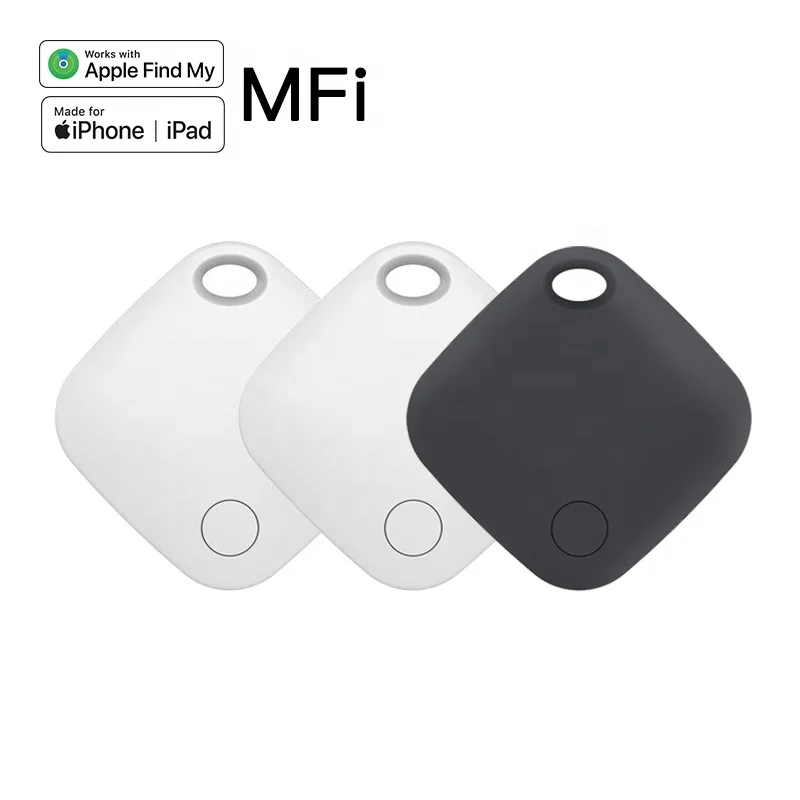
The selection criteria for item locator technology in bulk procurement scenarios differ fundamentally from single-unit purchases because implementation challenges, maintenance overhead, and integration requirements scale proportionally with fleet size. Organizations ordering hundreds or thousands of tracking units must prioritize features that ensure consistent performance across diverse environments, enable centralized management, and provide scalability without exponential increases in operational complexity. This article examines the essential technical and operational features that distinguish enterprise-grade item locator solutions from consumer-oriented alternatives, helping procurement teams make informed decisions aligned with their specific deployment contexts and business objectives.
Connectivity Architecture and Network Compatibility
Multi-Protocol Communication Capabilities
Enterprise item locator deployments require devices that support multiple communication protocols to maintain functionality across varied operational environments. Bluetooth Low Energy remains fundamental for proximity-based tracking within facilities, enabling rapid detection when items move through designated zones. However, bulk orders should prioritize item locator units that integrate additional connectivity layers such as ultra-wideband technology for precision indoor positioning or cellular connectivity for outdoor asset tracking. This multi-protocol approach ensures continuous visibility regardless of whether tagged assets remain within controlled facility perimeters or transit through supply chain networks spanning multiple geographic regions.
The communication range specifications directly impact deployment density requirements and infrastructure costs. Devices offering extended Bluetooth range beyond standard 30-meter parameters reduce the number of fixed gateway nodes needed for comprehensive coverage in warehouse environments. Organizations should evaluate whether prospective item locator solutions support mesh networking capabilities, allowing devices to relay signals through one another and extending effective coverage without additional infrastructure investment. This becomes particularly valuable in large distribution centers or manufacturing facilities where structural obstacles and metal shelving create radio frequency challenges.
Compatibility with existing network infrastructure represents another critical consideration for bulk deployments. Item locator systems that integrate seamlessly with enterprise WiFi networks, existing IoT platforms, or building management systems reduce implementation complexity and accelerate deployment timelines. Procurement teams should verify whether candidate solutions support standard network authentication protocols, can operate within segmented network architectures for security purposes, and provide APIs for integration with inventory management systems already in operational use.
Cross-Platform Ecosystem Integration
The ecosystem compatibility of item locator technology determines how easily devices integrate into heterogeneous operational environments where multiple device types and operating systems coexist. Solutions that function exclusively within proprietary ecosystems create vendor lock-in risks and limit deployment flexibility. Enterprise buyers should prioritize tracking devices that support open standards and provide documented APIs enabling integration with third-party asset management platforms, ERP systems, and custom applications developed for specific operational workflows.
For organizations with mixed mobile device environments, cross-platform management capabilities eliminate operational silos. An effective item locator solution for bulk deployment should offer equivalent functionality whether accessed through iOS, Android, or web-based management interfaces. This ensures that warehouse personnel using Android handheld scanners, logistics coordinators working from desktop computers, and field service technicians carrying iOS devices can all access consistent tracking capabilities without platform-specific limitations creating operational gaps.
Integration with crowdsourced location networks expands the effective coverage area for item locator devices beyond organizational boundaries. Systems that leverage large-scale device networks allow tagged assets to be located even when they move outside controlled facilities, provided they pass near participating devices. For bulk orders intended to track assets that regularly transit public spaces or customer locations, this extended network effect provides location visibility that would otherwise require expensive cellular subscriptions for every individual tracking unit.
Power Management and Operational Longevity
Battery Life and Replacement Logistics
Battery longevity directly impacts the total cost of ownership for bulk item locator deployments because maintenance labor scales with fleet size. Devices requiring battery replacement every few months create substantial ongoing operational overhead when deployed across thousands of units. Enterprise-grade solutions typically offer battery life exceeding one year under normal usage patterns, with some designs providing multi-year operation through optimized power management algorithms. Organizations should evaluate whether candidate item locator devices use standard replaceable batteries or proprietary power sources, as the former enables simplified maintenance logistics and reduces dependence on vendor-specific supply chains.
The power consumption profile during different operational modes affects practical battery life under real deployment conditions. Item locator units that enter deep sleep states between location updates conserve energy but may sacrifice responsiveness when rapid location queries become necessary. Bulk procurement decisions should consider the balance between battery longevity and update frequency requirements specific to the intended use case. High-value assets requiring frequent location verification justify higher power consumption profiles, while general inventory tracking applications benefit from extended battery life even with less frequent position updates.
Rechargeable versus disposable battery architectures present different operational trade-offs for large-scale deployments. Rechargeable item locator designs eliminate recurring battery procurement costs but introduce charging infrastructure requirements and rotation logistics to ensure continuous asset coverage during charging cycles. Organizations must assess whether their operational workflows accommodate periodic device collection for charging or whether the distributed nature of tagged assets makes replaceable battery designs more practical despite higher consumable costs.
Low-Power Mode Configuration Options
Configurable power management settings enable organizations to optimize item locator performance for specific asset categories and usage patterns. Devices offering programmable update intervals, adjustable transmission power levels, and conditional wake triggers allow administrators to extend battery life for low-priority assets while maintaining responsive tracking for critical inventory. This granular control becomes essential in bulk deployments where uniform power profiles would either waste battery capacity on infrequently accessed items or provide insufficient responsiveness for high-value assets requiring constant visibility.
Motion-activated tracking modes represent an intelligent power management approach that balances energy conservation with practical utility. Item locator units incorporating accelerometers can remain in minimal power states during stationary periods and automatically increase update frequency when movement is detected. This adaptive behavior proves particularly valuable for equipment tracking applications where assets remain stationary for extended periods but require detailed location history during transport or usage events. Bulk buyers should verify whether prospective solutions support configurable motion sensitivity thresholds and whether motion-triggered behaviors can be customized for different asset types.
Temperature-compensated power management extends operational reliability in challenging environmental conditions. Battery performance degrades significantly in extreme temperatures, potentially reducing effective operational life by half in cold storage facilities or outdoor applications experiencing seasonal temperature variations. Advanced item locator designs incorporate temperature monitoring and adjust transmission power or update frequency dynamically to maintain consistent battery longevity across diverse deployment environments. This feature becomes critical for organizations with geographically distributed operations or assets that experience wide temperature ranges during normal operational cycles.
Management Infrastructure and Scalability
Centralized Fleet Administration Capabilities
Enterprise deployments require robust administrative tools that enable efficient management of hundreds or thousands of item locator units from centralized interfaces. Cloud-based management platforms provide the necessary scalability, allowing administrators to configure device parameters, assign tracking units to specific assets or locations, and monitor fleet health status without requiring physical access to individual devices. Organizations evaluating bulk purchases should assess whether vendor management platforms support role-based access control, enabling delegation of administrative functions to regional facility managers while maintaining centralized visibility and policy control at the corporate level.
Bulk configuration capabilities dramatically reduce deployment time and ensure consistency across large device fleets. Rather than configuring each item locator individually, enterprise management systems should support template-based provisioning where administrators define standard configuration profiles and apply them to groups of devices simultaneously. This becomes particularly valuable during initial deployment phases when hundreds of units require identical settings, and during operational adjustments when policy changes must propagate across entire device populations efficiently.
Automated health monitoring and proactive maintenance alerting prevent operational gaps in large-scale item locator deployments. Management platforms should continuously monitor battery status, connectivity quality, and last-seen timestamps for all tracked devices, generating alerts when units require attention before they become non-functional. This predictive maintenance approach enables organizations to schedule battery replacements or device inspections during planned maintenance windows rather than discovering failures reactively when assets cannot be located during critical operational moments.
API Access and Custom Integration Support
The availability of comprehensive APIs determines whether item locator technology can integrate seamlessly into existing enterprise systems and workflows. Organizations with established inventory management systems, warehouse management software, or custom operational applications require tracking solutions that expose location data and device management functions through well-documented RESTful APIs. This integration capability enables automatic synchronization between asset tracking systems and authoritative inventory databases, eliminating manual data entry and ensuring location information remains current across all operational systems.
Webhook support for event-driven architectures enables real-time operational responses based on item locator data. Rather than polling tracking systems continuously to detect status changes, webhook implementations allow item locator platforms to push notifications to enterprise systems when predefined events occur such as assets entering or exiting designated zones, devices reporting low battery status, or tracking units remaining stationary beyond expected durations. This event-driven approach reduces infrastructure load while enabling more responsive automated workflows that trigger actions based on real-time location intelligence.
Data export capabilities and retention policies affect compliance requirements and analytical capabilities for organizations subject to regulatory documentation obligations. Bulk item locator deployments should include management platforms that support scheduled data exports in standard formats, configurable retention periods aligned with organizational policies, and audit trails documenting device configuration changes and administrative actions. These capabilities ensure that location tracking implementations support rather than complicate compliance with industry-specific regulations governing asset documentation and chain-of-custody requirements.
Physical Durability and Environmental Resilience
Industrial-Grade Construction Standards
The physical robustness of item locator devices directly impacts replacement frequency and total cost of ownership in demanding operational environments. Consumer-grade tracking devices designed primarily for personal item finding applications typically lack the structural reinforcement necessary to survive repeated impacts, vibration exposure, and handling stresses common in industrial settings. Enterprise buyers should prioritize devices meeting established durability standards such as IP65 or higher ingress protection ratings, ensuring resistance to dust infiltration and water exposure that would compromise electronic components in warehouse, manufacturing, or outdoor logistics environments.
Drop resistance specifications indicate whether item locator units can withstand the inevitable handling incidents occurring during daily operations. Devices designed for bulk deployment should demonstrate survival from drops of at least 1.5 meters onto concrete surfaces without functional impairment, reflecting realistic accident scenarios in loading docks, warehouse aisles, and transport vehicles. Organizations should evaluate whether vendors provide detailed impact testing documentation rather than vague durability claims, as specific performance data enables informed risk assessment for particular deployment contexts.
Chemical resistance becomes critical for item locator applications in manufacturing, healthcare, or food processing environments where cleaning protocols involve exposure to disinfectants, solvents, or corrosive substances. Standard plastic enclosures may degrade when repeatedly exposed to industrial cleaning agents, leading to premature device failure and potential contamination risks in sensitive environments. Bulk orders for such applications should specify devices constructed from chemically resistant materials with sealed enclosures preventing cleaning solution infiltration that could corrode internal electronics or compromise waterproofing over time.
Operational Temperature Range and Environmental Adaptation
Temperature tolerance specifications determine whether item locator devices remain functional across the environmental conditions encountered in specific industries and geographic regions. Cold chain logistics, outdoor equipment tracking, and industrial process monitoring applications expose tracking devices to temperature extremes that would disable consumer-grade electronics. Enterprise-grade solutions typically specify operational ranges from negative 20 degrees Celsius to positive 60 degrees Celsius, ensuring continued functionality in refrigerated storage facilities, outdoor winter conditions, and vehicles parked in direct summer sunlight.
Humidity resistance prevents condensation-related failures in environments with significant temperature transitions or high ambient moisture levels. Item locator units moving between climate-controlled facilities and outdoor loading areas experience rapid temperature changes that can cause internal condensation if enclosures lack adequate sealing. Conformal coating of electronic assemblies provides additional protection against moisture infiltration, extending reliable operation in humid tropical climates, marine environments, or applications where tagged assets regularly experience wet conditions during normal use cycles.
Vibration tolerance affects reliability for item locator devices attached to mobile equipment, vehicles, or machinery experiencing continuous mechanical stress. Tracking units mounted on forklifts, attached to shipping containers, or affixed to industrial equipment must withstand sustained vibration without developing connection failures or component damage. Bulk procurement specifications should verify whether candidate devices meet relevant vibration resistance standards appropriate for transportation applications, ensuring that mechanical stresses inherent to logistics and equipment tracking scenarios do not precipitate premature failure requiring costly replacement cycles.
Security Architecture and Data Protection
Encryption and Authentication Protocols
Data security becomes paramount when item locator systems track high-value assets or operate in environments where location information represents competitively sensitive intelligence. Enterprise-grade tracking solutions implement end-to-end encryption for location data transmission, ensuring that intercepted communications cannot reveal asset positions or movement patterns to unauthorized parties. Organizations should verify that candidate item locator platforms employ current encryption standards such as AES-256 for data at rest and TLS 1.3 for data in transit, protecting against both passive eavesdropping and active man-in-the-middle attacks.
Device authentication mechanisms prevent unauthorized tracking units from infiltrating enterprise item locator networks and potentially injecting false location data or accessing sensitive network infrastructure. Certificate-based authentication ensures that only authorized devices provisioned through legitimate administrative channels can communicate with management platforms and contribute location data to organizational tracking systems. This authentication layer becomes particularly important in facilities with public access where malicious actors might attempt to introduce rogue tracking devices to monitor operational patterns or create false asset records.
Access control granularity enables organizations to implement least-privilege principles where personnel can only view location data relevant to their operational responsibilities. Role-based permissions should support restriction of tracking data visibility by geographic region, asset category, or organizational department, preventing unnecessary exposure of sensitive operational information. For bulk deployments spanning multiple business units or geographic locations, this granular access control ensures that item locator systems enhance operational visibility without creating internal security risks through excessive information sharing.
Privacy Compliance and Audit Capabilities
Regulatory compliance requirements increasingly govern how organizations collect, store, and utilize location data, even for asset tracking applications. Item locator platforms must provide configuration options supporting compliance with data protection regulations such as GDPR when devices might incidentally track personal items or when location histories require retention limits. Bulk procurement decisions should verify that vendor platforms include data retention policy enforcement, automated data purging capabilities, and documentation features supporting demonstration of compliance during regulatory audits.
Comprehensive audit logging creates accountability for system access and configuration changes in enterprise item locator deployments. Management platforms should maintain detailed records of user authentication events, location data queries, device configuration modifications, and administrative actions with timestamps and user attribution. These audit trails serve dual purposes of supporting security incident investigation when unauthorized access is suspected and demonstrating proper data handling practices during compliance reviews or legal discovery processes related to asset custody documentation.
Geofencing privacy controls enable organizations to implement location tracking policies that respect personal boundaries while maintaining operational visibility. Advanced item locator systems support configurable privacy zones where location tracking automatically suspends or operates at reduced resolution, accommodating scenarios where tagged assets enter private spaces or where continuous tracking would create employee privacy concerns. This capability allows organizations to balance operational requirements for asset visibility against workforce privacy expectations and regulatory restrictions on continuous location monitoring.
FAQ
How does item locator accuracy differ between indoor and outdoor environments?
Indoor positioning accuracy depends primarily on Bluetooth signal strength triangulation and ultra-wideband technology when available, typically achieving precision within 1-5 meters in controlled environments with adequate infrastructure density. Outdoor tracking leverages GPS and cellular triangulation where available, generally providing accuracy within 5-30 meters depending on satellite visibility and cellular network density. Enterprise buyers should recognize that indoor accuracy requires investment in fixed infrastructure such as Bluetooth gateways, while outdoor tracking depends on device connectivity features and subscription services.
What minimum battery life should organizations expect from enterprise-grade item locator devices?
Enterprise item locator solutions designed for bulk deployment typically provide 12-24 months of operational life under standard usage profiles involving hourly location updates and normal temperature conditions. Actual battery longevity varies significantly based on update frequency configuration, environmental temperature exposure, and whether devices support motion-activated tracking modes that conserve power during stationary periods. Organizations should request detailed battery life specifications under conditions matching their intended deployment scenarios rather than relying on maximum-case claims reflecting ideal laboratory conditions.
Can item locator systems integrate with existing warehouse management software?
Modern enterprise item locator platforms provide RESTful APIs enabling bidirectional integration with warehouse management systems, inventory databases, and ERP platforms. Integration typically involves configuring webhook notifications for location events, implementing API calls to query current device positions, and synchronizing asset identifiers between systems to maintain data consistency. Organizations should verify API documentation completeness and availability of integration support resources during vendor evaluation, as successful integration determines whether tracking systems enhance rather than duplicate existing operational workflows.
What attachment methods work best for different asset types in bulk deployments?
Permanent attachment using industrial adhesives or mechanical fasteners suits fixed equipment and owned containers where device removal is unnecessary. Removable attachment methods including cable ties, carabiner clips, or magnetic mounts provide flexibility for rental equipment, returnable transport items, or assets requiring periodic device rotation for charging. Organizations deploying item locator technology across diverse asset categories should standardize on attachment methods appropriate for each asset class, ensuring devices remain securely affixed throughout normal handling while supporting removal when operational workflows require device reassignment or maintenance activities.
Table of Contents
- Connectivity Architecture and Network Compatibility
- Power Management and Operational Longevity
- Management Infrastructure and Scalability
- Physical Durability and Environmental Resilience
- Security Architecture and Data Protection
-
FAQ
- How does item locator accuracy differ between indoor and outdoor environments?
- What minimum battery life should organizations expect from enterprise-grade item locator devices?
- Can item locator systems integrate with existing warehouse management software?
- What attachment methods work best for different asset types in bulk deployments?