 EN
EN
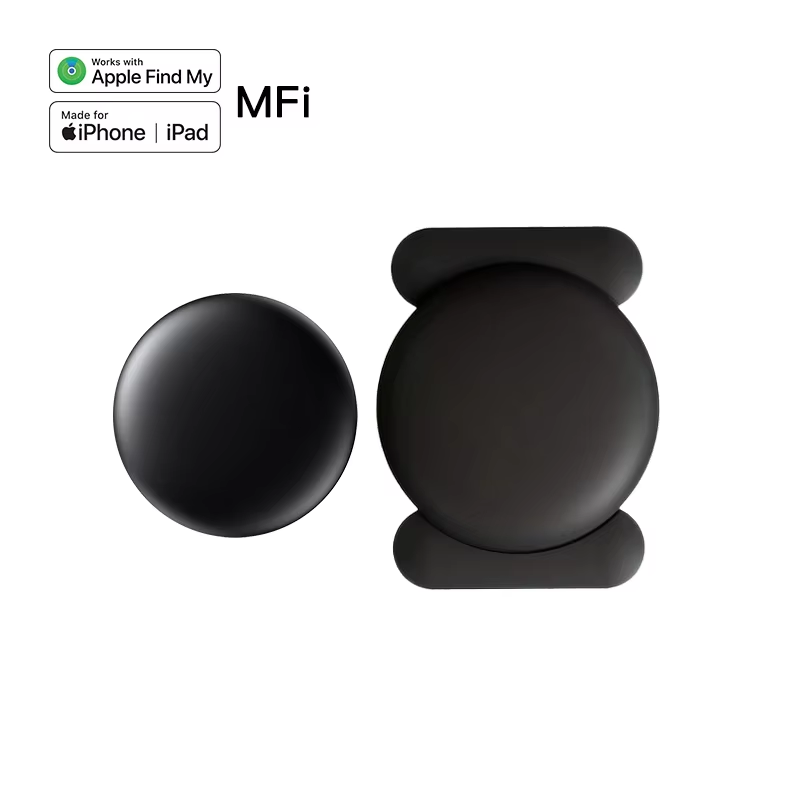
Manufacturing industries across the globe are increasingly embracing advanced tracking technologies to streamline operations, enhance product visibility, and improve customer satisfaction. Smart tags have emerged as a revolutionary solution that enables OEM manufacturers and custom production facilities to maintain precise control over their inventory, assets, and finished products throughout the entire manufacturing lifecycle. These compact, intelligent devices offer unprecedented tracking capabilities that transform traditional manufacturing processes into highly efficient, data-driven operations.
The integration of smart tags into OEM and custom manufacturing environments represents a significant technological advancement that addresses longstanding challenges in production management, quality control, and supply chain optimization. By leveraging Bluetooth Low Energy technology, GPS positioning, and advanced sensor capabilities, these devices provide real-time location data and comprehensive tracking information that enables manufacturers to make informed decisions and respond quickly to operational demands. The implementation of smart tags creates a connected ecosystem where every component, tool, and finished product becomes part of an intelligent network that enhances overall manufacturing efficiency.
Enhanced Asset Tracking in Manufacturing Environments
Real-Time Location Monitoring
OEM manufacturers benefit significantly from the real-time location monitoring capabilities that smart tags provide throughout their production facilities. These devices continuously broadcast their position data, allowing facility managers to instantly locate critical equipment, raw materials, and work-in-progress items without conducting time-consuming manual searches. The precision tracking eliminates the costly delays associated with misplaced tools or components, ensuring that production schedules remain on track and reducing operational downtime that can impact overall productivity.
Manufacturing facilities often span large areas with multiple production lines, storage zones, and assembly stations where equipment and materials frequently move between locations. Smart tags create a comprehensive mapping system that provides visibility into asset movement patterns, enabling managers to optimize workflow processes and identify bottlenecks before they impact production efficiency. The continuous monitoring capability ensures that valuable assets remain within designated areas and triggers immediate alerts when items move beyond predetermined boundaries.
Inventory Management Optimization
The integration of smart tags into inventory management systems revolutionizes how manufacturers track raw materials, components, and finished products throughout the production cycle. These devices automatically update inventory databases when tagged items move between locations, eliminating manual data entry errors and providing accurate, real-time inventory counts that support just-in-time manufacturing practices. The automated tracking capability reduces labor costs associated with traditional inventory management while improving accuracy levels that directly impact customer satisfaction and operational efficiency.
Custom manufacturing operations particularly benefit from the detailed tracking capabilities that smart tags provide for unique or specialized products. Each tagged item maintains a complete history of its movement through the production process, creating valuable data trails that support quality control initiatives and customer inquiries about product status. The comprehensive tracking information enables manufacturers to provide customers with detailed updates about their custom orders while maintaining precise control over production schedules and resource allocation.
Quality Control and Process Improvement
Production Line Monitoring
Smart tags enable manufacturers to implement sophisticated production line monitoring systems that track products as they move through each stage of the manufacturing process. By attaching these devices to products at the beginning of production, manufacturers can monitor cycle times, identify process bottlenecks, and ensure that quality control checkpoints are properly executed. The detailed timing data collected by smart tags provides valuable insights into production efficiency and helps identify opportunities for process optimization that can reduce manufacturing costs and improve product quality.
The continuous monitoring capability allows quality control teams to maintain detailed records of each product's journey through the manufacturing process, creating comprehensive documentation that supports regulatory compliance requirements and customer quality assurance demands. This level of tracking precision is particularly valuable for industries with strict quality standards where detailed production records are essential for maintaining certifications and meeting customer specifications.
Compliance and Documentation
Manufacturing operations in regulated industries require extensive documentation to demonstrate compliance with quality standards and regulatory requirements. Smart tags automatically generate detailed tracking records that provide auditable proof of proper manufacturing procedures and quality control measures. The automated documentation eliminates manual record-keeping errors while ensuring that compliance information is accurate, complete, and easily accessible during regulatory audits or customer inspections.
The comprehensive data collection capabilities of smart tags support continuous improvement initiatives by providing detailed analytics about manufacturing processes, equipment performance, and quality metrics. This information enables manufacturers to identify trends, implement corrective actions, and demonstrate ongoing commitment to quality improvement that strengthens customer relationships and competitive positioning in the marketplace.
Custom Manufacturing Applications
Client-Specific Branding Solutions
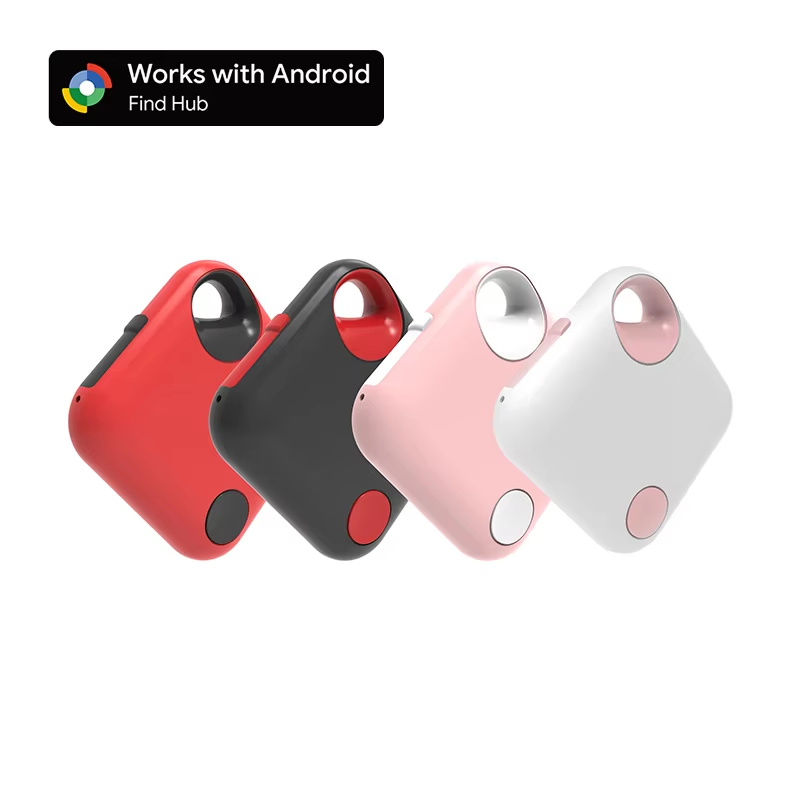
Custom manufacturing clients increasingly demand specialized tracking solutions that align with their brand identity and operational requirements. Smart tags can be customized with client logos, specific color schemes, and unique identification codes that create branded tracking devices tailored to individual customer needs. This customization capability enables OEM manufacturers to offer value-added services that differentiate their products while providing clients with professional-grade tracking solutions that enhance their own customer experience.
The flexibility of smart tags allows manufacturers to create specialized versions that meet unique client specifications for size, functionality, and aesthetic appearance. Whether clients require discrete tracking devices for high-end products or robust tags for industrial applications, the customization options ensure that tracking solutions seamlessly integrate with client products and maintain brand consistency throughout the customer experience.
Scalable Manufacturing Solutions
OEM manufacturers must accommodate varying production volumes and diverse client requirements while maintaining cost-effective operations. Smart tags provide scalable solutions that adapt to different manufacturing scenarios, from small batch custom orders to large-scale production runs. The modular nature of smart tag technology enables manufacturers to implement tracking systems that grow with client needs while maintaining consistent quality and performance standards across all production volumes.
The scalability extends to the software and infrastructure supporting smart tag operations, allowing manufacturers to expand tracking capabilities without significant capital investments in new systems. This flexibility enables manufacturers to pursue new market opportunities and serve diverse client bases while maintaining operational efficiency and cost competitiveness.
Integration with Manufacturing Systems
ERP and MES Connectivity
Modern manufacturing operations rely heavily on Enterprise Resource Planning and Manufacturing Execution Systems to coordinate production activities and manage business processes. Smart tags integrate seamlessly with existing ERP and MES platforms, automatically feeding real-time tracking data into these systems to enhance operational visibility and decision-making capabilities. The integration eliminates data silos while providing comprehensive insights into manufacturing performance that support strategic planning and operational optimization initiatives.
The automated data flow between smart tags and manufacturing systems reduces administrative overhead while improving data accuracy and timeliness. This integration enables manufacturers to maintain synchronized information across all business functions, from production planning and inventory management to customer service and financial reporting, creating a unified view of operations that supports better business decisions.
IoT Ecosystem Development
Smart tags serve as fundamental building blocks for comprehensive Internet of Things ecosystems that connect all aspects of manufacturing operations. By establishing networks of connected devices, manufacturers create intelligent facilities where equipment, products, and systems communicate automatically to optimize performance and prevent problems before they impact operations. The IoT connectivity enables predictive maintenance programs, automated quality control processes, and intelligent resource allocation that significantly improve manufacturing efficiency.
The development of IoT ecosystems around smart tags creates opportunities for advanced analytics and machine learning applications that continuously improve manufacturing processes. These intelligent systems learn from operational data to identify patterns, predict outcomes, and recommend optimizations that drive continuous improvement and competitive advantage in dynamic market conditions.
Cost Benefits and ROI Considerations
Operational Efficiency Gains
The implementation of smart tags in OEM and custom manufacturing environments delivers measurable operational efficiency gains that translate directly into cost savings and improved profitability. By reducing time spent searching for tools, materials, and products, smart tags enable workers to focus on value-added activities that increase productivity and output quality. The efficiency improvements compound over time as optimized processes become standard practice and workers develop more effective workflows based on real-time tracking information.
Manufacturing facilities that deploy smart tags typically experience significant reductions in inventory carrying costs, as improved tracking accuracy enables more precise inventory management and reduces safety stock requirements. The enhanced visibility also minimizes losses due to misplaced or stolen items, protecting valuable assets and reducing replacement costs that can significantly impact operational budgets.
Customer Satisfaction Improvements
OEM manufacturers who implement smart tag tracking systems can provide customers with enhanced visibility into order status and delivery timelines, leading to improved customer satisfaction and stronger business relationships. The real-time tracking capability enables proactive communication about potential delays or issues, allowing customers to adjust their plans accordingly and maintain confidence in the manufacturing partnership. This transparency builds trust and often leads to increased repeat business and positive referrals.
Custom manufacturing clients particularly value the detailed tracking information that smart tags provide about their specialized orders. The ability to monitor progress in real-time and receive updates about production milestones creates a premium service experience that justifies higher pricing and strengthens competitive positioning in the marketplace.
FAQ
How do smart tags improve manufacturing productivity
Smart tags improve manufacturing productivity by eliminating time wasted searching for tools, materials, and work-in-progress items through real-time location tracking. The devices automatically update inventory systems and provide instant visibility into asset locations, enabling workers to quickly locate needed items and maintain efficient workflows. Additionally, the tracking data helps identify process bottlenecks and optimization opportunities that can further enhance productivity levels.
What customization options are available for OEM smart tag applications
OEM manufacturers can customize smart tags with client logos, specific color schemes, unique identification codes, and specialized form factors that meet particular application requirements. The devices can be configured with different sensor capabilities, battery life specifications, and connectivity options to match specific operational needs. Software customization options include branded mobile applications and specialized reporting features that align with client preferences.
How do smart tags integrate with existing manufacturing software systems
Smart tags integrate with existing manufacturing systems through standard APIs and communication protocols that enable seamless data exchange with ERP, MES, and inventory management platforms. The integration typically involves configuring software connections that automatically feed tracking data into existing databases and reporting systems. Most smart tag solutions include pre-built connectors for popular manufacturing software platforms to simplify implementation.
What ROI can manufacturers expect from smart tag implementation
Manufacturers typically achieve ROI within 6-12 months through reduced labor costs, improved inventory accuracy, decreased asset losses, and enhanced operational efficiency. The specific return depends on facility size, current tracking methods, and implementation scope, but most organizations report 15-25% improvements in operational efficiency along with significant reductions in inventory carrying costs and asset replacement expenses.