 EN
EN
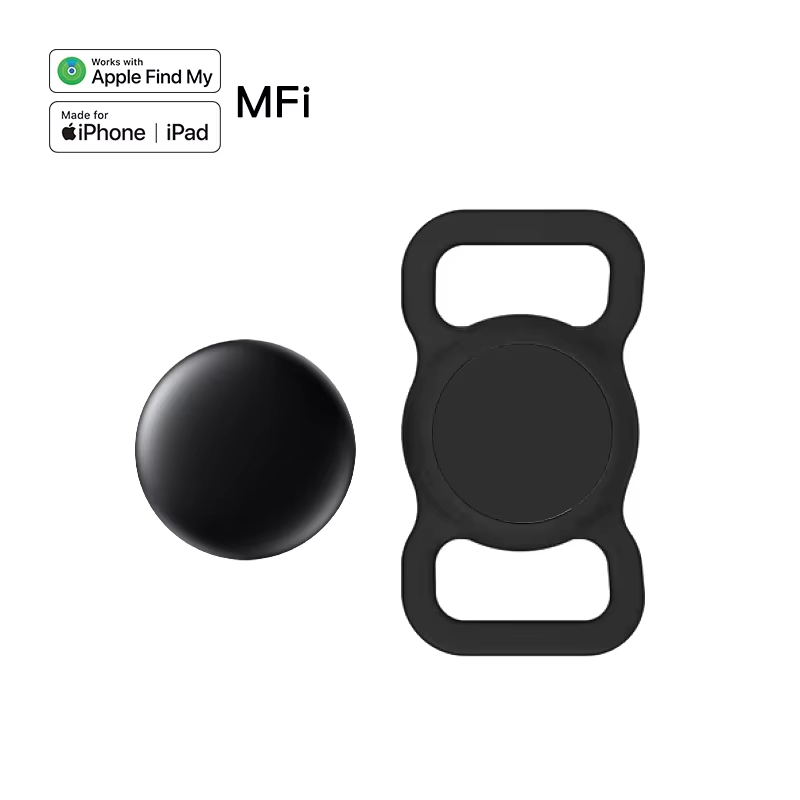
Modern businesses are constantly seeking innovative ways to enhance their brand visibility while providing practical value to their customers. Smart tags have emerged as a revolutionary technology that combines functionality with marketing potential, offering companies unprecedented opportunities to create memorable branded solutions. These compact tracking devices integrate seamlessly into corporate strategies, delivering both utility and brand recognition in ways that traditional marketing materials simply cannot match.
The integration of smart tags into corporate branding strategies represents a significant shift from passive marketing materials to active, functional tools that customers genuinely appreciate. Companies across various industries are discovering that these intelligent tracking devices offer dual benefits: solving real-world problems for users while maintaining continuous brand presence. This strategic approach transforms traditional promotional items into valuable assets that customers actively use and appreciate on a daily basis.
Understanding the full potential of these tracking solutions requires examining their technical capabilities, practical applications, and long-term impact on brand engagement. Organizations that successfully implement smart tag strategies often report increased customer satisfaction, enhanced brand loyalty, and improved market differentiation. The key lies in recognizing how these devices can be customized and deployed to align with specific business objectives while delivering genuine value to end users.
Strategic Brand Integration Through Smart Tag Technology
Custom Branding Opportunities
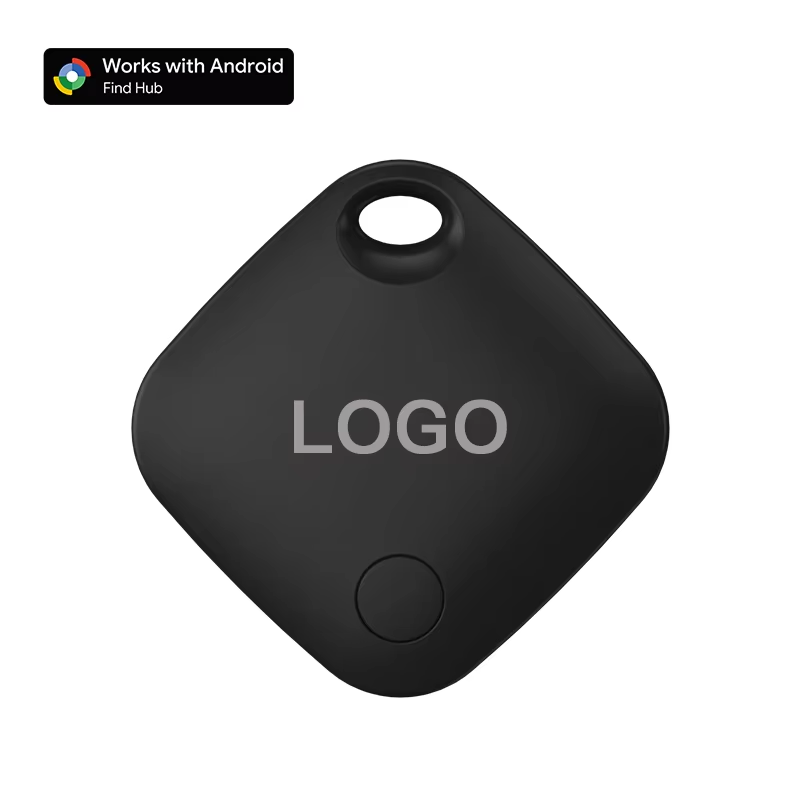
Corporate branding on smart tags extends far beyond simple logo placement, encompassing sophisticated customization options that reinforce brand identity at every interaction. Companies can incorporate their corporate colors, distinctive design elements, and brand messaging into the physical device itself, creating a cohesive brand experience that resonates with users. This level of customization ensures that every time customers interact with their tracking device, they encounter a carefully crafted brand touchpoint that strengthens recognition and recall.
Advanced branding techniques include incorporating QR codes that link to company websites, embedding NFC chips with custom messages, and utilizing unique form factors that reflect brand personality. These enhanced features transform basic tracking functionality into comprehensive brand ambassadors that actively promote company values and services. The strategic placement of branding elements must balance visibility with functionality, ensuring that aesthetic considerations never compromise the device's primary tracking capabilities.
Successful brand integration also considers the user journey and touchpoints where customers interact with the device. From initial unboxing experiences to daily usage scenarios, every aspect of the smart tag can be designed to reinforce positive brand associations. Companies that invest in premium materials, thoughtful packaging, and attention to detail often see higher customer satisfaction rates and increased word-of-mouth referrals, demonstrating the long-term value of comprehensive branding approaches.
Target Audience Alignment
Effective smart tag deployment requires deep understanding of target demographics and their specific tracking needs. Corporate customers often prioritize asset management capabilities, while consumer-focused brands may emphasize personal item tracking and lifestyle integration. This fundamental difference in user priorities drives distinct customization strategies, from enterprise-grade security features to consumer-friendly mobile app interfaces that enhance the overall user experience.
Market research reveals that different age groups and professional sectors demonstrate varying preferences for tracking device features and branding approaches. Younger demographics tend to appreciate sleek, minimalist designs with advanced smartphone integration, while professional users often prefer robust construction and enterprise-compatible features. Understanding these preferences enables companies to develop targeted smart tag solutions that resonate with specific audience segments while maintaining consistent brand messaging across all variations.
Successful audience alignment also involves considering usage contexts and environments where the devices will be deployed. Office environments may benefit from professional aesthetics and discrete branding, while outdoor or recreational applications might require more visible branding and weatherproof construction. This contextual awareness ensures that branded smart tags deliver optimal performance while maintaining appropriate brand representation in diverse settings and situations.
Implementation Strategies for Maximum Impact
Distribution Channel Optimization
Strategic distribution of branded smart tags requires careful consideration of channels that maximize both reach and brand alignment. Corporate events, trade shows, and industry conferences provide excellent opportunities to distribute high-quality tracking devices to targeted professional audiences. These venues allow for personal demonstrations of functionality while creating positive associations between the brand and innovative technology solutions that attendees find genuinely useful and memorable.
Employee programs and internal distribution strategies can transform staff members into brand ambassadors who naturally showcase company innovation to their personal and professional networks. When employees use company-branded tracking devices for their personal belongings, they create organic marketing opportunities that extend brand reach beyond traditional advertising boundaries. This grassroots approach often generates more authentic engagement than conventional marketing campaigns while demonstrating company commitment to practical innovation.
Partnership opportunities with complementary businesses can expand distribution reach while maintaining brand positioning. Technology retailers, corporate gift suppliers, and industry-specific vendors often welcome high-quality branded products that enhance their own customer relationships. These strategic partnerships create win-win scenarios where both companies benefit from expanded reach while customers receive valuable tracking solutions that meet their specific needs and preferences.
Performance Tracking and Optimization
Measuring the effectiveness of branded smart tag campaigns requires comprehensive analytics that go beyond simple distribution numbers. Companies must track user engagement metrics, app adoption rates, and long-term usage patterns to understand the true impact of their tracking device initiatives. Advanced analytics platforms can provide insights into user behavior, geographic distribution, and feature utilization that inform future optimization strategies and demonstrate return on investment.
Customer feedback collection through mobile apps and direct surveys provides valuable qualitative data that complements quantitative usage metrics. Users often provide detailed insights about functionality preferences, design improvements, and additional features that could enhance their experience. This feedback loop enables continuous improvement of both the tracking devices themselves and the broader branded solution strategy, ensuring long-term success and customer satisfaction.
Long-term performance evaluation should consider brand awareness metrics, customer retention rates, and referral generation to assess the full value of smart tags as marketing tools. Companies that maintain detailed tracking of these broader business metrics often discover that branded tracking devices deliver value far beyond their initial cost, generating ongoing marketing benefits and customer engagement that justifies continued investment in these innovative promotional strategies.
Technology Integration and User Experience
Mobile App Customization
Custom mobile applications represent a crucial component of successful branded smart tag implementations, providing opportunities for deep brand integration and enhanced user experiences. Companies can develop proprietary apps that incorporate their visual identity, brand messaging, and unique value propositions while delivering essential tracking functionality. These applications serve as daily touchpoints that reinforce brand relationships and provide platforms for ongoing customer engagement and communication.
Advanced app features can include branded notifications, custom sound profiles, and integration with company services or loyalty programs. These enhancements transform basic tracking functionality into comprehensive brand experiences that provide additional value to users while strengthening customer relationships. The strategic design of app interfaces must balance brand visibility with user-friendly functionality, ensuring that branding elements enhance rather than hinder the core tracking experience.
Cross-platform compatibility ensures that branded tracking solutions reach the widest possible audience while maintaining consistent brand experiences across different devices and operating systems. Companies that invest in comprehensive app development often see higher user adoption rates and longer engagement periods, as customers appreciate the seamless integration between physical tracking devices and digital brand experiences that enhance their daily routines.
Security and Privacy Considerations
Enterprise-grade security features are essential for branded smart tag solutions, particularly when targeting corporate customers who handle sensitive information and valuable assets. Companies must implement robust encryption protocols, secure data transmission methods, and comprehensive privacy controls that meet industry standards and regulatory requirements. These security measures not only protect user data but also enhance brand credibility and trust among professional customers who prioritize data protection.
Transparent privacy policies and user control options demonstrate corporate responsibility and build customer confidence in branded tracking solutions. Companies should provide clear explanations of data collection practices, storage protocols, and user rights while offering granular control over sharing settings and tracking preferences. This transparency approach often differentiates premium branded solutions from generic alternatives while establishing trust that supports long-term customer relationships.
Regular security updates and proactive vulnerability management ensure that branded smart tag systems maintain their protective capabilities over time. Companies that demonstrate ongoing commitment to security through regular updates and clear communication about protective measures often see higher customer retention rates and positive word-of-mouth referrals from security-conscious users who value reliable protection for their valuable assets.
Industry-Specific Applications
Corporate Asset Management
Large organizations increasingly rely on branded smart tag solutions for comprehensive asset tracking and management across multiple locations and departments. These implementations often require custom software integration with existing enterprise resource planning systems, allowing seamless incorporation of tracking data into established business processes. Companies that successfully deploy these solutions report significant improvements in asset utilization rates, reduced loss incidents, and enhanced operational efficiency across their organizations.
Manufacturing environments present unique opportunities for branded tracking solutions that address specific industry challenges such as tool management, equipment monitoring, and supply chain visibility. Custom-branded devices designed for industrial applications often feature ruggedized construction, extended battery life, and specialized mounting options that withstand harsh operating conditions while maintaining clear brand visibility throughout their operational lifecycle.
Healthcare institutions utilize branded tracking solutions for medical equipment management, patient safety applications, and staff efficiency improvements. These specialized implementations often require compliance with strict regulatory standards and integration with existing healthcare information systems. Companies that develop healthcare-specific branded solutions typically invest heavily in certification processes and specialized features that address unique industry requirements while maintaining strong brand presence throughout clinical environments.
Consumer Market Penetration
Retail partnerships provide valuable opportunities for consumer-focused brands to distribute smart tag solutions through established channels while leveraging partner brand recognition and customer relationships. These collaborations often involve co-branding strategies that benefit both companies while providing customers with enhanced value propositions that combine tracking functionality with familiar retail experiences and customer service standards.
E-commerce platforms enable direct-to-consumer distribution strategies that allow companies to maintain complete control over brand presentation and customer experience throughout the purchasing journey. Companies that develop sophisticated online presence for their branded tracking solutions often see higher conversion rates and customer satisfaction scores, as they can provide comprehensive product information, customer support, and brand storytelling that enhances the overall purchase experience.
Seasonal marketing campaigns and limited-edition designs create urgency and exclusivity around branded tracking solutions while generating increased customer engagement and social media buzz. Companies that successfully leverage seasonal opportunities often develop loyal customer bases that eagerly anticipate new releases and actively promote branded solutions within their personal networks, creating valuable organic marketing amplification.
FAQ
What are the main benefits of using branded smart tags for corporate marketing?
Branded smart tags offer unique advantages over traditional promotional items by providing ongoing utility that customers genuinely appreciate and use daily. Unlike conventional marketing materials that may be discarded, tracking devices become integral parts of users' routines, creating continuous brand exposure and positive associations. Companies report increased brand recall, enhanced customer loyalty, and improved market differentiation when implementing well-designed smart tag strategies that align with customer needs and preferences.
How can companies ensure their branded smart tags appeal to target audiences?
Successful audience appeal requires thorough market research to understand specific tracking needs, design preferences, and usage contexts within target demographics. Companies should conduct surveys, focus groups, and usability testing to gather insights about feature priorities, aesthetic preferences, and integration requirements. This research-driven approach enables development of customized solutions that resonate with intended users while maintaining strong brand identity and delivering genuine functional value.
What security measures should companies implement for branded tracking devices?
Comprehensive security protocols should include end-to-end encryption for data transmission, secure authentication systems, and regular security updates to address emerging threats. Companies must also provide transparent privacy policies, user control options for data sharing, and compliance with relevant regulatory standards such as GDPR or CCPA. These security measures not only protect user information but also enhance brand credibility and trust among security-conscious customers who prioritize data protection.
How do companies measure the success of branded smart tag marketing campaigns?
Success measurement requires comprehensive analytics that track both quantitative metrics such as distribution numbers, app adoption rates, and usage patterns, along with qualitative indicators including customer satisfaction scores, brand awareness surveys, and referral generation rates. Companies should establish baseline measurements before campaign launch and monitor long-term trends to assess the full impact of branded tracking solutions on business objectives, customer relationships, and market positioning over extended periods.
Table of Contents
- Strategic Brand Integration Through Smart Tag Technology
- Implementation Strategies for Maximum Impact
- Technology Integration and User Experience
- Industry-Specific Applications
-
FAQ
- What are the main benefits of using branded smart tags for corporate marketing?
- How can companies ensure their branded smart tags appeal to target audiences?
- What security measures should companies implement for branded tracking devices?
- How do companies measure the success of branded smart tag marketing campaigns?