 EN
EN
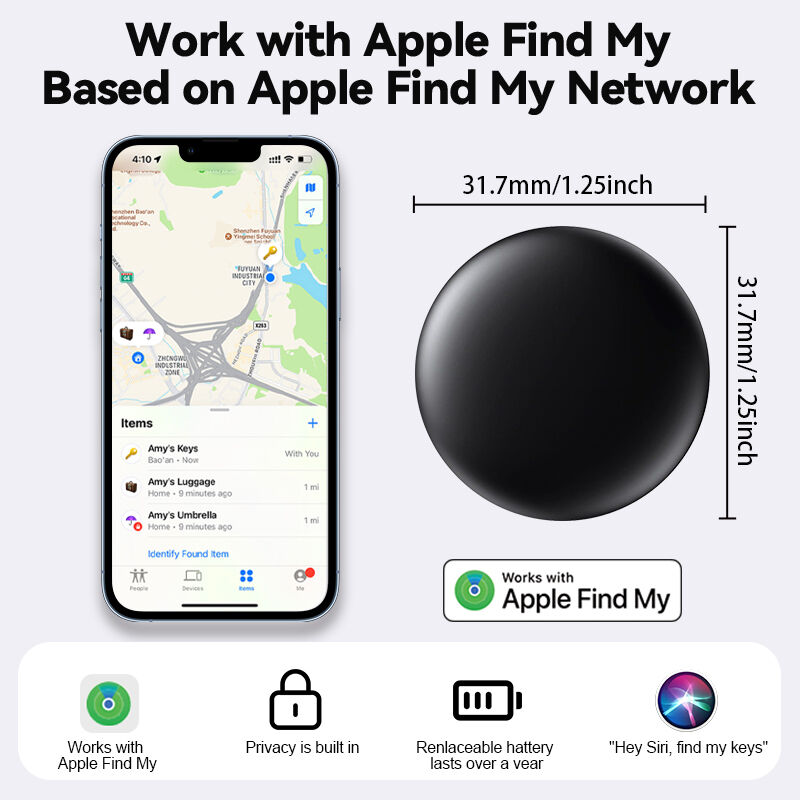
In today's competitive marketplace, companies constantly seek innovative ways to reinforce brand identity and create lasting impressions with customers, partners, and employees. One emerging strategy involves customizing smart finders—compact tracking devices that help users locate lost items through smartphone connectivity. These technological accessories have evolved beyond simple utility tools into powerful branding vehicles that combine practical functionality with corporate identity. By integrating company logos, brand colors, and custom packaging into smart finders, businesses transform everyday tracking devices into memorable promotional items that recipients actually use and appreciate. This approach to corporate branding differs fundamentally from traditional promotional merchandise because smart finders deliver ongoing value while keeping brand visibility consistently high through daily interaction.
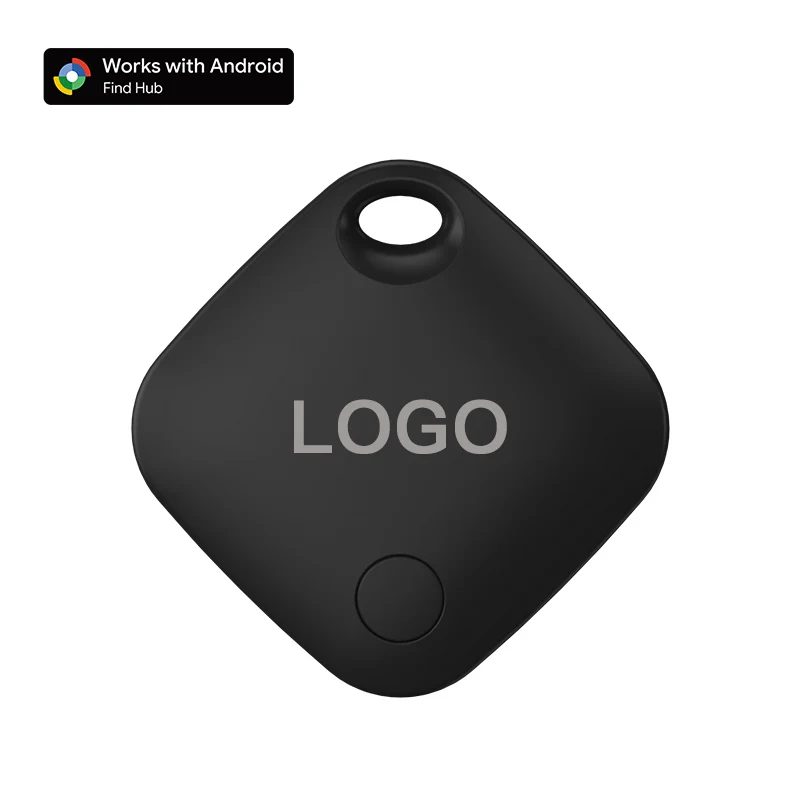
The customization process for smart finders involves multiple technical and design considerations that companies must navigate to achieve optimal branding results. Unlike simple print-on-demand products, these sophisticated tracking devices require careful coordination between hardware specifications, software compatibility, and visual design elements. Companies that successfully customize smart finders understand how to balance technological requirements with aesthetic preferences, ensuring the final product maintains full tracking functionality while prominently displaying corporate branding. This article explores the comprehensive process companies follow when customizing smart finders for branding purposes, examining the technical methods, design strategies, supplier coordination practices, and quality control measures that ensure these branded tracking devices effectively represent corporate identity while delivering reliable performance to end users.
Understanding the Technical Customization Foundation for Smart Finders
Hardware Platform Selection and Compatibility Requirements
Companies beginning the customization journey for smart finders must first understand the underlying hardware platforms available in the market. The two dominant ecosystems—Apple's Find My network and Google's Find My Device network—offer different technical specifications, user base demographics, and customization opportunities. Businesses targeting iPhone users typically select smart finders compatible with Apple's Ultra Wideband technology and precision finding features, while those serving Android-dominant markets prioritize Google-compatible trackers. This fundamental platform decision influences every subsequent customization choice, from firmware requirements to packaging design. The hardware platform also determines the maximum customization depth possible, as some manufacturers offer more flexible modification options than others within the constraints of ecosystem certification requirements.
Beyond ecosystem compatibility, companies must evaluate the physical hardware specifications that affect customization potential. The circuit board layout, battery compartment design, and speaker placement within smart finders establish boundaries for external modifications. Devices with modular construction generally accommodate branding elements more easily than highly integrated designs. Companies working with suppliers must understand these technical limitations early in the customization planning phase to avoid design concepts that prove technically unfeasible during production. The internal component arrangement also affects weight distribution and tactile feel, factors that contribute to perceived product quality and user satisfaction with the branded tracker.
Firmware Configuration and Feature Customization Options
The software dimension of smart finders customization offers opportunities that extend beyond physical appearance. Many manufacturers provide firmware configuration options that allow companies to preset certain device behaviors aligned with brand values or specific use cases. These software-level customizations might include adjusting the alert sound pattern, modifying the Bluetooth broadcast interval for battery optimization, or setting default privacy parameters that reflect corporate data protection standards. Companies in regulated industries particularly value the ability to configure smart finders with compliance-friendly settings before distribution to employees or customers. This firmware-level personalization ensures the tracking devices function according to organizational policies from the moment users activate them.
Some advanced customization programs allow companies to coordinate smart finders with companion mobile applications that feature branded user interfaces. While the core tracking functionality relies on platform-provided apps like Apple's Find My or Google's Find My Device, certain manufacturers offer supplementary applications that provide additional features while displaying company branding throughout the user experience. These companion apps might include extended warranty registration, usage tips, battery status monitoring, or integration with corporate asset management systems. Companies pursuing this deeper level of customization typically work with manufacturers offering white-label software solutions or API access that enables custom integration while maintaining full compatibility with the underlying tracking network.
Material Selection and Durability Specifications for Branded Devices
The physical materials used in smart finders directly impact both branding effectiveness and long-term user satisfaction. Companies must specify housing materials that accept branding treatments while providing appropriate durability for intended use scenarios. Common material options include ABS plastic, polycarbonate, aluminum alloy, and silicone, each offering distinct advantages for different branding techniques and usage contexts. Financial services companies distributing smart finders as premium gifts often select aluminum housings that convey quality and accept laser engraving for permanent logo application. In contrast, outdoor brands might choose impact-resistant polycarbonate with water-resistant properties and molded color integration that ensures brand colors remain vibrant despite environmental exposure.
Surface finish specifications also play crucial roles in customization outcomes. Matte finishes generally accept printing and engraving more effectively than glossy surfaces, while textured finishes can enhance grip and hide minor wear that might detract from brand presentation over time. Companies distributing smart finders as employee recognition items or customer loyalty rewards typically prioritize materials and finishes that maintain appearance quality throughout extended daily use. The material selection process requires balancing cost considerations with brand positioning objectives, as premium materials increase unit costs but deliver stronger brand perception and higher user retention rates. Suppliers typically provide material sample sets that help companies evaluate tactile qualities, visual appearance, and branding compatibility before committing to large production runs.
Implementing Visual Brand Identity on Smart Finder Devices
Logo Application Techniques and Quality Considerations
The method used to apply company logos onto smart finders significantly affects visual quality, durability, and production costs. Pad printing represents the most common technique for applying logos to curved or irregular surfaces typical of tracking devices. This process transfers ink from an etched plate through a silicone pad onto the device surface, accommodating multiple colors through sequential printing passes. Companies requiring high-resolution logo reproduction often specify pad printing with fine mesh counts and precision registration systems that ensure color alignment across production batches. The technique works effectively on various materials and accommodates both simple single-color logos and complex multi-color designs, though each additional color increases production complexity and unit cost.
Laser engraving offers permanent logo application that eliminates wear concerns associated with surface printing methods. This technique removes material from the smart finder housing through controlled laser ablation, creating recessed areas that form the logo pattern. Companies prioritizing longevity and premium perception often select laser engraving despite higher setup costs and limitation to monochrome reproduction. The engraved logo becomes an integral part of the device surface rather than a coating that might scratch or fade over time. Laser engraving works particularly well on metal housings where the contrast between the engraved area and surrounding material creates striking visual effects. Some manufacturers offer filled laser engraving, where colored materials fill the engraved recesses to add color while maintaining durability advantages of the engraving process.
Color Customization Strategies and Production Methods
Brand color integration into smart finders extends beyond logo application to encompass the entire device housing. Companies seeking maximum brand recognition often specify custom housing colors that match corporate color standards through injection molding with pre-colored plastics or metal finishing processes with brand-specific powder coating. This approach creates smart finders that function as three-dimensional brand ambassadors, instantly recognizable even before users notice logo details. The color customization process typically begins with companies providing Pantone color references or physical color samples that manufacturers match through pigment formulation testing. Achieving precise color matches requires iterative sampling and approval cycles, particularly when matching colors across different materials or surface treatments.
Multi-color design implementation presents additional complexity when customizing smart finders. Devices requiring two or more distinct colors generally use overmolding techniques where a secondary material is molded over an initial housing component, or they employ multi-shot injection molding that creates different colored sections in a single production cycle. These advanced manufacturing methods enable sophisticated branding designs that segment the device into color zones representing different brand elements. Technology companies often use contrasting color combinations that reflect modern design sensibilities while ensuring smart finders remain visually distinctive. The color strategy selection depends on brand guidelines, target audience preferences, production volume economics, and technical capabilities of the chosen manufacturing partner.
Surface Texturing and Tactile Branding Elements
Beyond visual customization, some companies incorporate tactile elements into smart finders that reinforce brand identity through touch. Surface texturing techniques create distinctive patterns that users recognize without looking at the device, building stronger sensory associations with the brand. Common texturing approaches include knurling, cross-hatching, dimpling, or custom patterns that reflect brand visual motifs. Luxury automotive brands, for example, might specify leather-grain texturing on smart finders distributed to premium vehicle purchasers, creating tactile consistency with vehicle interior materials. These texture patterns are typically created during the injection molding process through textured mold surfaces or added post-production through embossing, etching, or coating application.
Raised or recessed branding elements add dimensional interest to smart finders while enhancing brand recognition. Rather than applying logos as flat surface decorations, some customization programs incorporate three-dimensional brand elements molded directly into the device housing. This approach creates shadow effects and visual depth that make branding more prominent and memorable. The dimensional branding technique proves particularly effective for companies with iconic logo shapes or wordmarks that translate well into relief formats. Manufacturing these features requires modified mold designs that increase tooling costs but deliver distinctive branding results that stand out in competitive promotional product categories. Companies pursuing this customization level typically work closely with industrial designers who understand how to adapt brand elements for three-dimensional reproduction while maintaining smart finder functionality.
Coordinating Packaging Customization for Complete Brand Experience
Retail-Style Packaging Design and Structural Considerations
The packaging surrounding smart finders contributes substantially to brand perception and unboxing experience. Companies treating these devices as premium promotional items or customer gifts typically invest in custom packaging that reflects brand standards and creates memorable presentation moments. Retail-style packaging for smart finders commonly uses rigid boxes with magnetic closures, windowed containers that display the device without opening, or sliding drawer designs that build anticipation during unboxing. The packaging structure must protect the device during shipping and handling while presenting an aesthetically refined appearance that justifies the smart finder's value proposition. Structural packaging design requires collaboration between graphic designers who develop visual concepts and packaging engineers who ensure designs function correctly at scale.
Material selection for smart finder packaging balances environmental considerations with brand positioning objectives. Companies emphasizing sustainability credentials often specify recycled paperboard, biodegradable plastics, or FSC-certified materials that communicate environmental responsibility. Premium positioning strategies might employ specialty materials like soft-touch coatings, metallic finishes, or textured papers that convey quality through tactile feedback. The packaging material directly influences printing quality and finishing options available for brand application. Coated paperboard accepts high-resolution offset printing and metallic foiling effectively, while uncoated recycled materials create authentic, environmentally conscious aesthetics but limit certain decorative techniques. Companies must align packaging material choices with overall brand messaging to ensure consistency across all customer touchpoints.
Graphic Design Integration and Information Architecture
The visual design applied to smart finder packaging communicates brand identity while conveying essential product information and usage instructions. Effective packaging graphics balance brand elements like logos, color schemes, and typography with functional content including device features, compatibility information, and quick-start guidance. Companies often develop packaging graphics that extend existing brand visual systems rather than creating isolated designs, ensuring smart finders integrate seamlessly into broader promotional campaigns or product ecosystems. The graphic design process typically involves multiple revision cycles where marketing teams evaluate how packaging communicates brand values while packaging specialists ensure designs accommodate production realities like color registration tolerances and die-cutting precision requirements.
Information hierarchy on smart finder packaging requires careful planning to guide recipients through setup and usage processes while maintaining visual appeal. Many companies structure packaging information across multiple surfaces, using the exterior for branding and key features while reserving interior panels for detailed instructions and regulatory information. QR codes printed on packaging increasingly serve as bridges to digital content, allowing companies to provide comprehensive setup videos, warranty registration, and supplementary brand content without cluttering physical packaging with extensive text. This hybrid approach enables clean, brand-focused exterior designs while ensuring users access all necessary information through their smartphones. The information architecture must consider international markets where multilingual requirements might necessitate separate packaging versions or expanded interior space for translated content.
Insert Materials and Accessory Coordination
Beyond the primary packaging structure, companies customize various insert materials that enhance the smart finder presentation and provide additional brand touchpoints. Common inserts include branded quick-start cards, warranty documentation, accessory attachment guides, and promotional materials for related products or services. These printed components extend brand engagement beyond the initial unboxing moment, serving as reference materials users retain alongside the tracking device. High-quality insert printing on premium paper stocks reinforces quality perceptions while ensuring information remains legible throughout the product lifecycle. Companies often coordinate insert design with packaging graphics to create visual continuity throughout the unboxing experience.
Some smart finder customization programs include branded accessories packaged with the tracking device to increase utility and brand exposure. Common accessories include key rings, adhesive mounts, protective cases, or attachment straps, all featuring coordinated branding that matches the main device. These accessories serve practical functions while multiplying brand touchpoints and customization opportunities. A technology company might include a carabiner attachment with etched logo, while a luggage brand could provide a leather strap with embossed branding that reflects the company's craftsmanship narrative. Accessory coordination requires supply chain management across multiple component suppliers and assembly processes, but delivers comprehensive branded solutions that users value more highly than standalone tracking devices.
Managing Supplier Relationships and Production Quality Control
Supplier Selection Criteria for Custom Smart Finder Projects
Identifying appropriate manufacturing partners represents a critical success factor when companies customize smart finders for branding purposes. Qualified suppliers must demonstrate technical capabilities across electronics manufacturing, branding application techniques, quality control systems, and logistics coordination. Companies typically evaluate potential suppliers based on several criteria including production capacity, customization flexibility, quality certifications, intellectual property protections, and previous experience with similar branded electronics projects. Suppliers specializing in promotional technology products generally understand branding requirements better than generic electronics manufacturers, offering design support and production processes optimized for custom promotional applications rather than mass consumer markets.
Geographic considerations influence supplier selection decisions based on production volume, timeline requirements, and cost parameters. Asian manufacturers, particularly those in established electronics manufacturing regions, typically offer the most competitive pricing for smart finders and accommodate complex customization requests through extensive supply chain networks. However, longer lead times and communication complexities may challenge companies requiring rapid turnaround or iterative design refinement. Regional suppliers closer to the company's market often provide faster sampling, easier communication, and simplified logistics but at premium pricing structures. Companies frequently develop hybrid supplier strategies, using distant manufacturers for large standard production runs while maintaining relationships with local suppliers for small urgent orders or highly customized specialty versions of smart finders.
Sample Approval Processes and Design Iteration Protocols
Rigorous sample approval workflows ensure customized smart finders meet brand standards before full production commences. The typical sample progression begins with virtual renderings that visualize branding application on three-dimensional device models, allowing companies to evaluate design concepts before physical prototyping costs accumulate. Following design approval, suppliers produce physical samples using production-intent methods and materials. Companies conduct comprehensive evaluations of these samples, assessing logo quality, color accuracy, material finish, device functionality, and packaging presentation. Detailed feedback documents guide suppliers through required adjustments, with subsequent sample iterations addressing identified issues until all aspects meet approval criteria.
The sample approval process for smart finders typically requires multiple iterations as stakeholders identify refinements across technical, aesthetic, and functional dimensions. Marketing teams focus on brand representation accuracy, while technical staff verify device performance and compatibility with intended tracking networks. Procurement specialists assess packaging durability and shipping suitability. This multi-stakeholder review approach ensures customized smart finders satisfy diverse organizational requirements before production investment occurs. Companies often maintain detailed approval checklists that standardize evaluation criteria across different smart finder projects, accelerating the approval process while ensuring consistent quality standards. The investment in thorough sample approval significantly reduces the risk of costly production errors or brand representation failures in final delivered products.
Production Quality Control and Inspection Standards
Comprehensive quality control protocols protect companies from receiving defective or substandard customized smart finders that could damage brand reputation. Quality control begins with incoming material inspection where suppliers verify that components meet specifications before assembly begins. During production, in-process quality checks monitor critical parameters including logo application accuracy, color consistency, assembly integrity, and device functionality. These ongoing inspections catch defects early when corrections cost less than discovering problems after full production completion. Final quality control involves systematic testing of finished smart finders against defined acceptance criteria covering appearance standards, functional performance, packaging quality, and documentation completeness.
Companies distributing large quantities of branded smart finders often implement statistical sampling inspection protocols aligned with international standards like AQL (Acceptable Quality Limit) systems. These frameworks define how many units inspectors must examine from each production batch and establish defect thresholds that trigger batch acceptance, rejection, or expanded inspection. Third-party quality control services provide independent verification that production meets specifications, offering objective assessments particularly valuable when working with new suppliers or producing high-stakes promotional campaigns. The quality control investment protects brand reputation by preventing defective smart finders from reaching customers, employees, or promotional event attendees. Defects in branded promotional products create negative impressions that contradict the positive brand associations companies intend to build through these customized technology gifts.
Strategic Distribution and Brand Activation Approaches
Target Audience Segmentation for Smart Finder Distribution
Successful brand activation through customized smart finders requires thoughtful audience segmentation that matches device features and branding approaches with recipient preferences and usage patterns. Companies typically categorize potential recipients into segments based on value to the organization, lifestyle characteristics, and likelihood of regular device usage. High-value customers or key business partners might receive premium versions featuring superior materials, elegant packaging, and exclusive design elements that communicate special recognition. Employee audiences could be segmented by role, with field staff receiving rugged versions emphasizing durability while office personnel receive aesthetically focused designs. This segmentation ensures smart finders deliver maximum brand impact by aligning device characteristics with recipient expectations and practical needs.
Demographic and psychographic factors also inform smart finder distribution strategies. Technology-savvy younger audiences might particularly appreciate smart finders due to smartphone dependency and comfort with app-based solutions, making them ideal recipients for technology company promotional campaigns. Frequent travelers represent another high-value segment given their elevated risk of losing valuable items and strong motivation to use tracking devices. Companies serving these audiences customize smart finders with features and branding messages that resonate with segment-specific values and preferences. Geographic segmentation determines whether devices should support Apple's Find My network prevalent in certain markets or Google's Find My Device network dominant in others. Understanding these audience dynamics enables companies to optimize both the customization specifications and distribution targeting for maximum branding effectiveness.
Event Marketing and Promotional Campaign Integration
Trade shows, conferences, and corporate events provide high-impact venues for distributing customized smart finders as branded promotional items. These controlled environments enable companies to present devices with context, explaining functionality while building brand associations in receptive settings. Event distribution allows immediate brand impression formation as recipients examine the devices, try features, and experience the quality of customization. Companies often design event-specific smart finder variants featuring conference branding alongside corporate identity, creating commemorative items that attendees retain as event mementos while maintaining ongoing brand exposure. The tangible, functional nature of smart finders differentiates them from typical promotional items that recipients discard, increasing the likelihood devices will be used regularly after events conclude.
Broader promotional campaigns integrate customized smart finders as premium incentives that drive desired customer behaviors. Purchase-with-purchase promotions might offer branded tracking devices as gifts when customers exceed spending thresholds, simultaneously rewarding loyalty and increasing average transaction values. Contest prizes featuring customized smart finders generate engagement while ensuring winners receive functional branded items they'll use repeatedly. Product launch campaigns sometimes include smart finders as complementary items that extend the utility of primary products—luggage brands pairing trackers with suitcases, automotive companies including them with vehicle purchases, or insurance companies providing them to policyholders as loss prevention tools. These strategic integrations create logical connections between smart finders and core business offerings while amplifying brand presence in customers' daily routines.
Digital Engagement and Extended Brand Experience Creation
Smart companies extend branding impact beyond the physical devices by creating digital experiences that recipients access through their customized smart finders. QR codes or NFC tags embedded in devices or packaging can direct users to branded web experiences offering device registration, extended warranties, usage tips, or exclusive content. These digital touchpoints transform one-time promotional item distributions into ongoing engagement opportunities where companies maintain communication channels with recipients. The digital extension proves particularly valuable for gathering user data, understanding device usage patterns, and measuring the effectiveness of smart finder distribution programs through analytics tracking.
Social media integration amplifies the branding impact of customized smart finders when companies encourage recipients to share photos and experiences using campaign-specific hashtags. Visually distinctive device designs and premium packaging create share-worthy moments that recipients photograph and post to social networks, multiplying brand exposure beyond the original recipient to their social connections. Companies sometimes incentivize social sharing through contests or recognition programs that reward creative posts featuring the branded smart finders. This user-generated content provides authentic testimonials and extends campaign reach organically while building community among device recipients. The combination of physical product quality and digital engagement strategies maximizes return on investment for smart finder customization projects by creating sustained brand presence rather than momentary impressions.
FAQ
What minimum order quantities do manufacturers typically require for customized smart finders?
Minimum order quantities for customized smart finders vary significantly based on the extent of customization requested and the specific manufacturer's capabilities. Simple logo printing on existing device models often requires minimums of 100-500 units, making customization accessible for smaller campaigns or corporate gifts. More extensive customization involving custom housing colors, unique molding, or proprietary hardware modifications typically requires minimums of 1,000-5,000 units to justify tooling investments and production setup costs. Companies planning initial pilot programs might work with promotional products distributors who maintain inventory of pre-customizable smart finders, allowing smaller quantities through secondary decoration processes like laser engraving or pad printing applied to stock devices. Understanding these quantity thresholds helps companies budget appropriately and select customization approaches that align with their distribution volumes.
How long does the complete customization process typically take from initial concept to delivery?
The customization timeline for smart finders spans several distinct phases that collectively require eight to sixteen weeks for standard projects. Initial design development and sample approval typically consume two to four weeks as companies refine branding concepts and suppliers produce physical samples for evaluation. Tooling creation for custom molds, printing plates, or specialized fixtures requires an additional two to four weeks depending on complexity. Production itself generally takes two to four weeks based on order volume and factory capacity, while quality control inspections and packaging add another week. International shipping from overseas manufacturers adds two to four weeks for ocean freight or one week for air freight. Companies requiring faster turnaround should communicate timeline constraints early in the supplier selection process, as some manufacturers maintain rapid response capabilities for premium fees. Rush production often sacrifices some customization depth or increases costs substantially, so early planning provides the best balance of customization quality and reasonable timelines.
Can companies customize the tracking technology itself or only the device appearance?
The extent of tracking technology customization depends primarily on the underlying platform and manufacturer capabilities. The core tracking functionality provided by Apple's Find My network or Google's Find My Device network operates through standardized protocols that manufacturers cannot modify without losing platform certification. However, companies can customize certain device-level parameters including Bluetooth broadcast settings, alert tones, button functions, and power management behaviors within the constraints of platform requirements. Some manufacturers offer private labeling programs where companies can develop companion mobile applications with branded interfaces that complement the standard platform tracking apps, though the fundamental location finding still relies on Apple or Google infrastructure. Companies seeking deeper technological customization might explore enterprise-focused tracking solutions that operate on proprietary networks rather than consumer platforms, though these alternatives sacrifice the extensive crowd-sourced finding networks that make consumer smart finders effective. Most corporate branding applications focus on visual and packaging customization rather than fundamental technology modification, as the standardized platforms provide reliable performance that custom alternatives struggle to match.
What intellectual property protections should companies implement when customizing smart finders?
Protecting intellectual property during smart finder customization requires several contractual and legal measures that prevent unauthorized reproduction or brand misuse. Companies should execute comprehensive non-disclosure agreements with manufacturers before sharing detailed brand guidelines, proprietary designs, or strategic information about distribution plans. Manufacturing agreements should include explicit intellectual property clauses specifying that all custom tooling, molds, and designs remain the company's property, preventing suppliers from producing identical items for competitors. These contracts should prohibit manufacturers from retaining or reusing any branded components after order completion and restrict production to approved quantities that prevent excess inventory from entering gray markets. Companies should also verify that suppliers respect trademark rights by manufacturing devices only upon receipt of authorized purchase orders rather than producing speculative inventory. For particularly sensitive branding applications, some companies require suppliers to destroy custom tooling after production completion or transfer physical ownership of molds and plates. These protective measures prevent brand dilution and ensure customized smart finders remain exclusive to authorized distribution channels rather than appearing in unauthorized markets that could damage brand positioning.
Table of Contents
- Understanding the Technical Customization Foundation for Smart Finders
- Implementing Visual Brand Identity on Smart Finder Devices
- Coordinating Packaging Customization for Complete Brand Experience
- Managing Supplier Relationships and Production Quality Control
- Strategic Distribution and Brand Activation Approaches
-
FAQ
- What minimum order quantities do manufacturers typically require for customized smart finders?
- How long does the complete customization process typically take from initial concept to delivery?
- Can companies customize the tracking technology itself or only the device appearance?
- What intellectual property protections should companies implement when customizing smart finders?