 EN
EN
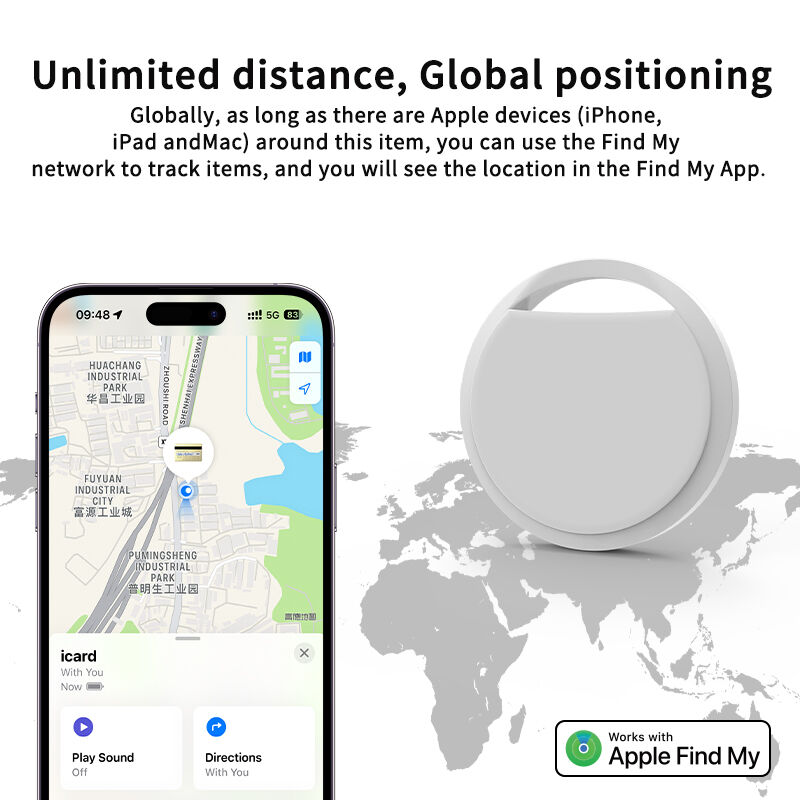
Enterprise organizations continuously seek innovative technologies that deliver measurable value across their product portfolios. Smart finders represent a transformative category of location-enabled devices that enterprises can integrate into their offerings to address critical challenges such as asset tracking, loss prevention, and customer experience enhancement. By leveraging Bluetooth technology, GPS connectivity, and ultra-wideband positioning, smart finders enable businesses to embed real-time location intelligence into products ranging from high-value equipment to consumer goods. This strategic integration allows enterprises to differentiate their portfolios, create new revenue streams, and deliver solutions that resonate with both B2B clients and end consumers who demand accountability and convenience in an increasingly connected marketplace.
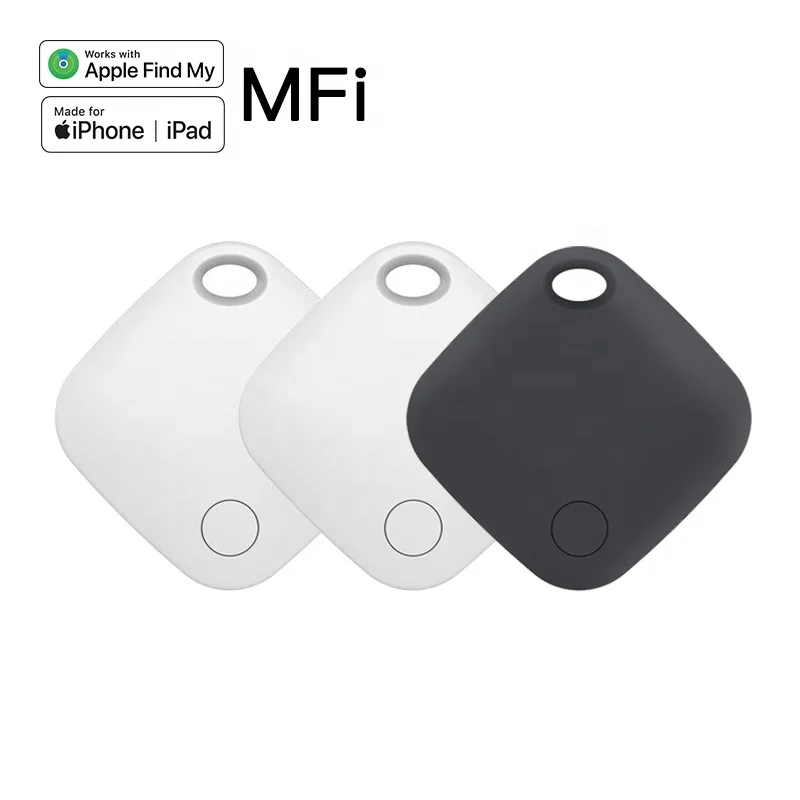
The integration of smart finders into enterprise product lines addresses fundamental business needs that span multiple industries. Manufacturing firms can embed these devices into industrial equipment to enable predictive maintenance and reduce downtime through proactive asset monitoring. Logistics companies can incorporate tracking capabilities into shipping containers and pallets, transforming standard products into intelligent assets that provide supply chain visibility. Consumer goods manufacturers can bundle smart finders with premium products, adding a layer of protection that justifies higher price points while reducing warranty claims associated with loss or theft. Understanding how smart finders enhance enterprise portfolios requires examining the specific mechanisms through which these devices create tangible business value, the integration strategies that maximize their impact, and the market dynamics that make them increasingly essential for competitive differentiation.
Strategic Value Creation Through Location Intelligence
Transforming Standard Products Into Connected Solutions
Smart finders fundamentally change the value proposition of enterprise products by adding a layer of connectivity that transforms passive items into active data sources. When enterprises integrate these devices into their product portfolios, they shift from selling standalone goods to offering integrated solutions that continue delivering value throughout the product lifecycle. A manufacturer of professional photography equipment, for instance, can embed smart finders into camera bags and lens cases, converting standard accessories into trackable assets that photographers can monitor through mobile applications. This transformation elevates the perceived value of the entire product line, creates opportunities for recurring customer engagement, and establishes digital touchpoints that enable ongoing communication between the brand and end users.
The connectivity enabled by smart finders generates valuable usage data that enterprises can leverage for product development and service enhancement. Location patterns reveal how customers actually use products in real-world environments, informing design improvements and feature prioritization. Movement data can trigger automated service alerts, such as maintenance reminders for equipment that has traveled specific distances or experienced certain usage intensities. This data-driven approach to product management allows enterprises to move beyond traditional sales models toward service-oriented business frameworks where smart finders serve as the foundational infrastructure for continuous customer relationship management. The ability to offer proactive support based on actual product location and usage patterns represents a significant competitive advantage in markets where customer retention and lifetime value determine long-term profitability.
Reducing Total Cost of Ownership for Business Customers
Enterprise customers increasingly evaluate product purchases based on total cost of ownership rather than initial acquisition price. Smart finders directly address this evaluation criterion by reducing costs associated with asset loss, theft recovery, and operational inefficiency. When a construction equipment supplier integrates tracking devices into tools and machinery, they enable contractors to minimize the substantial expenses associated with equipment theft and misplacement on job sites. The quantifiable reduction in replacement costs and insurance premiums provides a compelling business case that justifies premium pricing for tracked versions of standard products. This value proposition resonates particularly strongly in industries where asset mobility and multi-site operations create persistent challenges in maintaining inventory visibility and accountability.
The operational efficiency gains enabled by smart finders extend beyond loss prevention to encompass workflow optimization and resource allocation. Healthcare enterprises that incorporate these devices into medical equipment can eliminate the time clinical staff spend searching for infusion pumps, wheelchairs, and diagnostic devices, redirecting those labor hours toward patient care activities. The aggregate time savings across hundreds of daily equipment retrievals translates into measurable productivity improvements and enhanced service delivery capacity. For enterprise product portfolios targeting operational efficiency markets, smart finders provide a clear mechanism for demonstrating return on investment through reduced search time, improved asset utilization rates, and decreased capital expenditure on replacement inventory. These tangible benefits create strong business cases that enterprise procurement departments can easily justify within their capital allocation frameworks.
Integration Strategies for Portfolio Enhancement
Embedded Versus Bundled Implementation Approaches
Enterprises face critical decisions about how to physically integrate smart finders into their product offerings. Embedded integration involves incorporating tracking devices directly into product designs during manufacturing, creating seamless solutions where the tracking capability is intrinsic to the product itself. This approach works particularly well for products with existing battery compartments, electronic components, or housing structures that can accommodate compact tracking modules without significant redesign. Luggage manufacturers, for instance, can embed smart finders within hard-shell case structures, creating tracked products that offer superior aesthetics and tamper resistance compared to externally attached devices. The embedded approach reinforces brand identity by presenting tracking as a core feature rather than an aftermarket addition, though it requires greater investment in product engineering and supply chain coordination.
Bundled implementation strategies offer greater flexibility and faster time-to-market for enterprises seeking to enhance their portfolios without extensive product redesign. This approach involves packaging smart finders as complementary accessories that ship with primary products, allowing customers to attach tracking devices according to their specific needs and preferences. Tool manufacturers can bundle compact trackers with power tool kits, enabling tradespeople to affix devices to multiple items within their equipment collection. The bundled strategy reduces manufacturing complexity and allows enterprises to offer tracking as an optional upgrade or premium tier within existing product lines. This flexibility proves particularly valuable when serving diverse market segments with varying price sensitivity and feature requirements. Enterprises can test market reception for tracked products through bundled offerings before committing to the engineering investments required for full embedded integration.
Software Ecosystem Development and Platform Integration
The hardware component of smart finders represents only one dimension of portfolio enhancement; the accompanying software ecosystem determines the ultimate value delivered to enterprise customers. Successful integration requires developing or partnering with application platforms that provide intuitive interfaces for asset tracking, geofencing alerts, and historical movement analysis. Enterprises must decide whether to build proprietary tracking applications that reinforce brand identity and enable customized features, or integrate with established ecosystems such as manufacturer-specific finding networks that offer broader device compatibility and larger user communities. Each approach carries distinct implications for development costs, user experience quality, and long-term platform control.
Platform integration extends beyond consumer-facing mobile applications to encompass enterprise software systems that manage inventory, logistics, and asset lifecycle processes. Smart finders that connect with enterprise resource planning systems enable automated inventory updates as tracked items move between facilities, eliminating manual scanning processes and reducing data entry errors. Integration with maintenance management software allows tracked equipment to automatically generate service tickets when location patterns indicate unusual usage or when devices enter designated maintenance zones. These backend integrations transform smart finders from simple location devices into central components of broader enterprise automation strategies. The depth of software integration directly correlates with the perceived value and competitive differentiation that smart finders bring to enterprise product portfolios, making platform development a critical success factor for this enhancement strategy.
Market Positioning and Competitive Differentiation
Creating Premium Product Tiers Through Tracking Features
Smart finders enable enterprises to implement sophisticated product tiering strategies that capture additional value from customers willing to pay for enhanced security and convenience. By offering standard products alongside tracked variants, companies create clear differentiation that justifies price premiums while serving diverse customer segments. A luggage brand might offer its core line at standard pricing while positioning tracked versions at a fifteen to twenty-five percent premium, appealing to frequent travelers who prioritize loss prevention and travel peace of mind. This tiering approach allows enterprises to maintain market share in price-sensitive segments while capturing higher margins from customers who value the additional functionality that smart finders provide.
The premium positioning enabled by smart finders extends beyond simple feature addition to encompass brand perception and market positioning. Products equipped with advanced tracking technology signal innovation, quality consciousness, and customer-centric design philosophy. This perception halo effect can elevate entire product lines, even those without integrated tracking, by associating the brand with technological sophistication and forward-thinking product development. Enterprises that successfully position smart finders as premium features rather than commodity additions create sustainable competitive advantages that competitors cannot easily replicate through price competition alone. The key lies in communicating the tangible benefits and peace of mind that tracking provides, translating technical capabilities into emotional and practical value propositions that resonate with target customer segments.
Addressing Industry-Specific Pain Points Through Customization
Different industries face unique challenges that smart finders can address through targeted customization and feature optimization. Healthcare portfolios benefit from devices with extended battery life and antimicrobial housings that withstand frequent sanitization protocols. Construction equipment applications require ruggedized smart finders with industrial-grade durability, water resistance, and temperature tolerance that match the harsh environments where tracked assets operate. Retail applications prioritize compact form factors and aesthetic designs that complement consumer products without compromising visual appeal. Understanding these industry-specific requirements allows enterprises to customize smart finder implementations that deliver maximum value for their particular market segments.
Customization extends to feature sets and operational parameters that align with industry workflows and regulatory requirements. Pharmaceutical cold chain applications might prioritize temperature monitoring capabilities alongside location tracking, creating dual-purpose devices that satisfy both asset security and compliance documentation needs. Aviation ground support equipment tracking may emphasize geofencing capabilities that trigger alerts when devices enter restricted zones, supporting security protocols and operational safety requirements. By tailoring smart finder functionality to address specific industry pain points, enterprises transform generic tracking devices into specialized solutions that command premium pricing and create switching costs that insulate market position from competitive threats. This industry-focused customization strategy represents a powerful mechanism for portfolio differentiation that generic tracking solutions cannot easily replicate.
Implementation Considerations and Success Factors
Supply Chain Integration and Manufacturing Coordination
Successfully incorporating smart finders into enterprise product portfolios requires careful coordination across supply chain operations and manufacturing processes. Enterprises must establish reliable sourcing relationships with tracking device manufacturers, negotiating volume commitments, quality standards, and delivery schedules that align with production requirements. The integration of electronic components introduces additional complexity in areas such as battery management, firmware updates, and regulatory compliance for wireless devices. Manufacturing teams need protocols for testing tracking functionality during production, ensuring that each device meets performance specifications before products ship to customers. These operational considerations require upfront investment in process development and quality assurance capabilities that extend beyond traditional product manufacturing expertise.
Inventory management becomes more complex when product portfolios include both tracked and untracked variants, requiring systems that maintain accurate stock levels across multiple product configurations. Distribution channels must accommodate the handling requirements of electronic components, including proper storage conditions, inventory rotation practices, and shipping methods that prevent damage to sensitive tracking devices. The addition of smart finders to product portfolios also introduces warranty and support considerations, as enterprises must be prepared to address tracking functionality issues, battery replacement needs, and software troubleshooting requests. Building the operational infrastructure to support these enhanced products represents a significant but necessary investment that determines whether smart finder integration delivers positive returns or becomes a source of customer dissatisfaction and operational friction.
Customer Education and Value Communication
The success of smart finder integration depends heavily on effective customer education that clearly communicates the value proposition and proper usage of tracking features. Enterprises must develop comprehensive onboarding materials that guide customers through device activation, application installation, and feature configuration. These educational resources should emphasize practical benefits in language that resonates with specific customer segments, translating technical capabilities into tangible outcomes such as reduced search time, theft deterrence, and travel peace of mind. Effective communication strategies include demonstration videos, quick start guides, and interactive tutorials that minimize the learning curve and accelerate time-to-value for customers who may have limited experience with connected device technologies.
Ongoing value communication extends beyond initial setup to encompass continuous engagement that reminds customers of tracking capabilities and encourages regular usage. Automated notifications highlighting successful location updates, monthly usage summaries showing tracking activity, and proactive tips for optimizing device performance all contribute to sustained engagement that maximizes the perceived value of smart finder integration. Customer support teams require training on both technical troubleshooting and value reinforcement, enabling them to address functionality questions while reminding customers of the protection and convenience that tracking provides. This holistic approach to customer education and value communication ensures that smart finders enhance rather than complicate the customer experience, driving satisfaction levels that support premium pricing and positive word-of-mouth advocacy.
Future Trajectory and Strategic Opportunities
Emerging Technologies and Capability Expansion
The evolution of smart finders continues to accelerate, presenting enterprises with expanding opportunities to enhance product portfolios through emerging capabilities. Ultra-wideband technology enables centimeter-level precision that transforms tracking from general location awareness to exact positioning, supporting applications such as warehouse automation and augmented reality product experiences. Integration with artificial intelligence enables predictive analytics that anticipate asset needs, such as identifying equipment likely to require maintenance based on movement patterns or suggesting optimal storage locations based on usage frequency. Environmental sensors that monitor temperature, humidity, and shock events add contextual intelligence that enhances tracking data with condition monitoring, creating multi-dimensional asset management solutions that deliver value far beyond simple location awareness.
Energy harvesting technologies promise to eliminate battery constraints that currently limit smart finder deployment in certain applications. Kinetic, solar, and thermal energy capture systems could enable perpetual operation for devices attached to items that experience regular movement or environmental exposure. This capability would fundamentally transform the value proposition for enterprise products with extended lifecycle expectations, such as reusable shipping containers, industrial tools, and durable consumer goods. Enterprises that monitor these technological developments and strategically incorporate emerging capabilities into their product roadmaps will maintain competitive advantages as customer expectations for connected product features continue to rise. The key lies in balancing innovation adoption with practical implementation timelines that align with product development cycles and market readiness.
Expanding Service Models and Recurring Revenue Opportunities
Smart finders enable enterprises to evolve beyond transactional product sales toward service-based business models that generate recurring revenue streams. Subscription services for premium tracking features, such as extended location history, advanced analytics, and priority support, create ongoing customer relationships that increase lifetime value while providing predictable revenue. Equipment-as-a-service models leverage tracking capabilities to support usage-based pricing, where customers pay for actual utilization rather than outright equipment purchase. This approach lowers barriers to entry for cost-conscious customers while enabling enterprises to maintain asset ownership and control, supported by the visibility that smart finders provide throughout the service lifecycle.
The data generated by smart finders creates opportunities for value-added services that extend well beyond basic tracking functionality. Aggregated location and usage data can inform benchmarking services that help customers optimize asset deployment and utilization efficiency. Insurance partnerships can leverage tracking data to offer reduced premiums for customers who implement loss prevention measures through monitored assets. Theft recovery services can combine tracking capabilities with dedicated support teams that coordinate with law enforcement, providing comprehensive protection solutions that justify ongoing service fees. These expanded service models transform smart finders from product features into platforms for continuous value delivery, fundamentally altering the economics of enterprise product portfolios while deepening customer relationships and creating sustainable competitive moats.
FAQ
What types of enterprises benefit most from integrating smart finders into their product portfolios?
Enterprises operating in industries with high asset mobility, significant loss risk, or complex inventory management requirements derive the greatest value from smart finder integration. This includes manufacturers of professional equipment, luggage and travel goods producers, tool and machinery suppliers, medical device companies, and specialty consumer goods brands serving security-conscious market segments. Companies with products that customers transport frequently, store in multiple locations, or lend to others particularly benefit from tracking capabilities that reduce loss incidents and improve asset accountability. Additionally, enterprises seeking to differentiate premium product lines or transition toward service-based business models find smart finders essential for enabling the connectivity and data visibility these strategies require.
How do smart finders affect product development timelines and manufacturing costs?
Integrating smart finders into product portfolios typically extends development timelines by three to six months for embedded implementations, as engineering teams must accommodate tracking modules within existing designs, ensure proper antenna performance, and validate wireless functionality. Manufacturing costs increase by the component price of tracking devices plus integration labor, though volume purchasing and design optimization can minimize these impacts over time. Bundled approaches offer faster implementation with minimal design changes, though they may require packaging modifications and assembly process updates. Enterprises should budget for initial prototyping expenses, regulatory testing for wireless devices, and software development costs for companion applications. Despite these upfront investments, the premium pricing enabled by tracking features and the competitive differentiation achieved typically justify the additional development and manufacturing expenses within reasonable payback periods.
What privacy and security considerations must enterprises address when implementing smart finders?
Privacy and security represent critical considerations that enterprises must address through transparent data practices and robust technical safeguards. Companies should implement clear privacy policies that explain what location data is collected, how it is used, and who has access to tracking information. Encryption of location data during transmission and storage protects against unauthorized access, while user authentication mechanisms ensure only authorized individuals can track specific assets. Enterprises should provide customers with controls to disable tracking temporarily, delete historical location data, and manage sharing permissions for multi-user scenarios. Compliance with regional privacy regulations such as GDPR requires careful attention to consent mechanisms, data retention limits, and user rights to access and delete personal information. Addressing these considerations proactively builds customer trust while mitigating legal risks associated with location data management.
Can smart finders integrate with existing enterprise asset management systems?
Modern smart finders typically offer integration capabilities through application programming interfaces that enable connectivity with enterprise asset management systems, inventory platforms, and business intelligence tools. Integration allows automatic synchronization of location data with asset records, triggering updates to inventory systems as tracked items move between facilities or storage locations. Enterprises can configure automated workflows that generate maintenance requests when tracked equipment enters service areas, update asset status when devices cross geofences, or alert procurement teams when tracked inventory leaves designated zones. The depth of integration depends on both the smart finder platform's technical capabilities and the enterprise system's API flexibility, with some implementations requiring custom middleware development to bridge different data formats and communication protocols. Consulting with both tracking device providers and enterprise software vendors during planning phases ensures technical compatibility and identifies any development requirements before full deployment.
Table of Contents
- Strategic Value Creation Through Location Intelligence
- Integration Strategies for Portfolio Enhancement
- Market Positioning and Competitive Differentiation
- Implementation Considerations and Success Factors
- Future Trajectory and Strategic Opportunities
-
FAQ
- What types of enterprises benefit most from integrating smart finders into their product portfolios?
- How do smart finders affect product development timelines and manufacturing costs?
- What privacy and security considerations must enterprises address when implementing smart finders?
- Can smart finders integrate with existing enterprise asset management systems?