 EN
EN
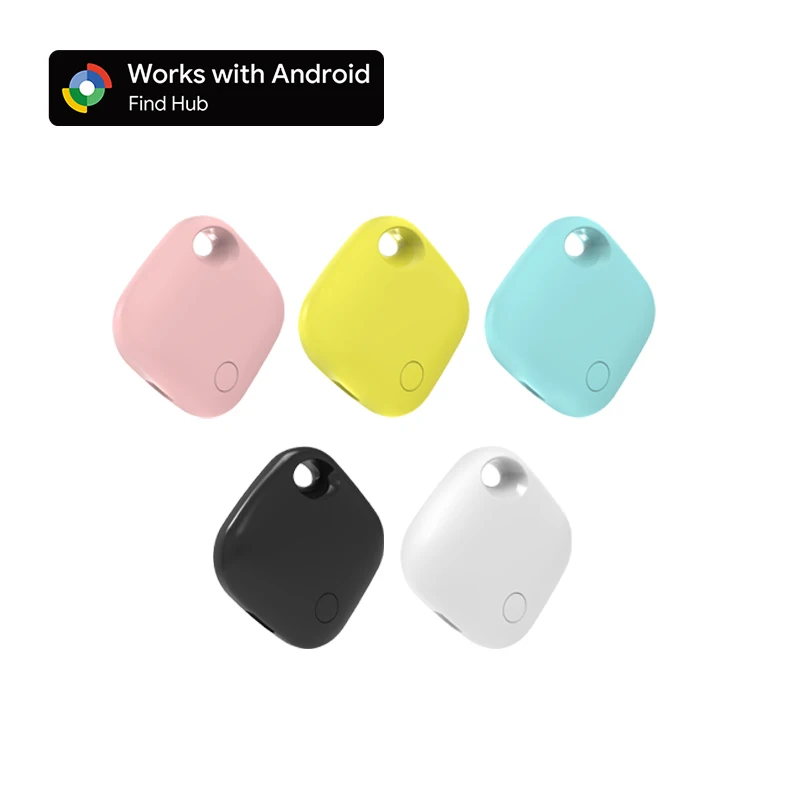
The rapid expansion of Android tracking technology has transformed how businesses approach asset management and security solutions. Modern Android trackers offer unprecedented capabilities for OEM manufacturers and enterprise clients seeking reliable location monitoring systems. These sophisticated devices integrate seamlessly with Google's Find My Device network, providing comprehensive tracking solutions that meet the demanding requirements of professional applications. As the Internet of Things ecosystem continues to evolve, Android trackers represent a critical component in developing scalable, enterprise-grade monitoring systems that deliver real-time visibility and control.
Understanding Enterprise Android Tracker Requirements
Scalability and Integration Capabilities
Enterprise clients require Android trackers that can seamlessly integrate with existing infrastructure while maintaining scalability across diverse operational environments. These tracking solutions must support large-scale deployments without compromising performance or reliability. Modern Android trackers feature robust API integration capabilities that allow seamless connection with enterprise resource planning systems, warehouse management platforms, and custom business applications. The ability to handle thousands of simultaneous connections while maintaining real-time data accuracy makes these devices essential for large-scale enterprise implementations.
The architectural flexibility of Android trackers enables organizations to customize tracking parameters according to specific operational requirements. Advanced configuration options allow IT administrators to establish geofencing boundaries, set custom alert thresholds, and implement automated reporting protocols. This level of customization ensures that Android trackers can adapt to various industry verticals, from logistics and transportation to healthcare and manufacturing sectors.
Security and Compliance Standards
Security considerations remain paramount when implementing Android trackers within enterprise environments. These devices must comply with stringent data protection regulations while maintaining the highest levels of encryption and access control. Modern tracking solutions incorporate advanced security protocols including end-to-end encryption, secure authentication mechanisms, and regular security updates to protect against emerging cyber threats.
Compliance requirements vary significantly across different industries, making it essential for Android trackers to support multiple regulatory frameworks simultaneously. Healthcare organizations require HIPAA compliance, while financial institutions need adherence to PCI DSS standards. Manufacturing companies often require ISO certifications and industry-specific safety protocols. The versatility of Android trackers allows organizations to maintain compliance across multiple regulatory environments without compromising functionality or performance.
OEM Customization and White-Label Solutions
Branding and Hardware Customization
Original Equipment Manufacturers leverage Android trackers as foundation platforms for developing customized tracking solutions that align with specific market requirements. The modular design of these devices enables extensive hardware customization including custom enclosures, specialized sensors, and industry-specific connectivity options. OEM partners can incorporate their branding elements, modify form factors, and implement unique feature sets while maintaining the core tracking functionality.
Hardware customization extends beyond aesthetic modifications to include functional enhancements that address specific use cases. Waterproofing capabilities, extended battery life, ruggedized construction, and specialized mounting options allow OEMs to target niche markets with tailored solutions. The flexibility of Android trackers enables manufacturers to create differentiated products that stand out in competitive marketplaces while leveraging proven tracking technology.
Software Development and API Integration
The software development capabilities associated with Android trackers provide OEMs with comprehensive tools for creating custom applications and user interfaces. These platforms support multiple programming languages and development frameworks, enabling rapid prototyping and deployment of specialized tracking applications. Advanced API documentation and developer resources facilitate the creation of sophisticated monitoring solutions that integrate seamlessly with existing business systems.
OEM partners benefit from extensive customization options that allow modification of tracking algorithms, data processing protocols, and user interface elements. The ability to implement custom firmware updates and application enhancements ensures that Android trackers can evolve alongside changing market requirements. This flexibility enables OEMs to maintain competitive advantages while delivering innovative tracking solutions that meet specific customer demands.
Technical Implementation and Deployment Strategies
Network Architecture and Connectivity Options
Successful implementation of Android trackers requires careful consideration of network architecture and connectivity requirements. These devices support multiple communication protocols including cellular networks, Wi-Fi connections, Bluetooth Low Energy, and satellite communications. The redundant connectivity options ensure reliable data transmission even in challenging environments where primary communication channels may be compromised or unavailable.
Network optimization strategies play a crucial role in maximizing the effectiveness of Android trackers within enterprise environments. Load balancing techniques, bandwidth management protocols, and quality of service implementations ensure consistent performance across large-scale deployments. Advanced network monitoring capabilities provide real-time visibility into communication status, enabling proactive identification and resolution of connectivity issues before they impact operations.
Data Management and Analytics Capabilities
The data management capabilities of Android trackers encompass comprehensive collection, storage, processing, and analysis of location and sensor information. These systems generate vast amounts of telemetry data that require sophisticated processing algorithms to extract actionable insights. Machine learning capabilities enable predictive analytics, pattern recognition, and automated anomaly detection that enhance operational efficiency and security measures.
Enterprise-grade data analytics platforms integrate seamlessly with Android trackers to provide comprehensive reporting and visualization capabilities. Dashboard interfaces present real-time status information, historical trend analysis, and predictive modeling results in intuitive formats that support informed decision-making. The ability to export data in various formats ensures compatibility with existing business intelligence tools and reporting systems used by enterprise clients.
Cost-Effectiveness and Return on Investment
Total Cost of Ownership Analysis
Evaluating the cost-effectiveness of Android trackers requires comprehensive analysis of total cost of ownership including initial hardware investments, ongoing service fees, maintenance costs, and operational expenses. These tracking solutions typically demonstrate favorable economics compared to traditional monitoring systems due to their efficiency, reliability, and reduced infrastructure requirements. The elimination of dedicated tracking infrastructure and the leverage of existing Android ecosystem components significantly reduce deployment and maintenance costs.
Long-term cost benefits emerge through reduced loss prevention, improved asset utilization, enhanced operational efficiency, and decreased administrative overhead. Android trackers enable automated monitoring processes that eliminate manual tracking requirements while providing superior accuracy and real-time visibility. The scalability of these systems ensures that cost per unit decreases as deployment volumes increase, making them particularly attractive for large enterprise implementations.
Quantifiable Business Benefits
The implementation of Android trackers delivers measurable business benefits that extend beyond simple location monitoring capabilities. Improved asset recovery rates, reduced insurance premiums, enhanced operational efficiency, and increased customer satisfaction contribute to substantial return on investment calculations. Organizations typically experience significant improvements in inventory accuracy, supply chain visibility, and loss prevention metrics following Android tracker deployments.
Performance metrics demonstrate that Android trackers consistently deliver value through reduced operational costs, improved resource utilization, and enhanced security measures. The ability to track and analyze movement patterns enables optimization of logistics operations, identification of inefficiencies, and implementation of process improvements that generate ongoing cost savings. These quantifiable benefits make Android trackers an attractive investment for organizations seeking to modernize their asset management capabilities.
Future Developments and Technology Roadmap
Emerging Technologies and Integration Opportunities
The evolution of Android trackers continues to accelerate with the integration of emerging technologies including artificial intelligence, edge computing, and advanced sensor capabilities. Machine learning algorithms enhance location accuracy, predict movement patterns, and enable proactive maintenance scheduling. Edge computing capabilities reduce latency requirements while improving system responsiveness and reducing bandwidth consumption for large-scale deployments.
Integration opportunities with Internet of Things platforms, smart building systems, and autonomous vehicle networks expand the potential applications for Android trackers across diverse industry verticals. The convergence of tracking technology with other digital transformation initiatives creates synergistic opportunities that amplify the value proposition for enterprise clients and OEM partners seeking comprehensive monitoring solutions.
Market Expansion and Industry Applications
Market expansion opportunities for Android trackers continue to emerge across healthcare, education, retail, construction, and agriculture sectors. Each industry vertical presents unique requirements and challenges that drive innovation in tracking technology development. The adaptability of Android trackers enables customization for specialized applications including medical equipment monitoring, student safety systems, retail inventory management, and construction equipment tracking.
Industry-specific applications demonstrate the versatility of Android trackers in addressing diverse monitoring requirements. Healthcare facilities utilize these devices for equipment tracking and patient safety applications. Educational institutions implement tracking systems for asset management and emergency response protocols. Retail organizations leverage Android trackers for inventory visibility and loss prevention initiatives. The broad applicability of these tracking solutions ensures continued market growth and development opportunities.
FAQ
What are the primary advantages of Android trackers for enterprise deployments?
Android trackers offer enterprise clients several key advantages including seamless integration with existing Google services, robust security protocols, scalable deployment options, and comprehensive API support. These devices provide real-time location monitoring, automated reporting capabilities, and flexible configuration options that adapt to diverse operational requirements. The cost-effectiveness of Android trackers compared to proprietary tracking systems makes them particularly attractive for large-scale enterprise implementations.
How do OEMs benefit from white-label Android tracker solutions?
OEM manufacturers gain significant advantages through white-label Android tracker solutions including reduced development costs, faster time-to-market, proven technology platforms, and comprehensive customization options. These partnerships enable OEMs to focus on market-specific features and branding while leveraging established tracking technology. The modular design of Android trackers supports extensive hardware and software customization that allows OEMs to create differentiated products for targeted market segments.
What security measures are implemented in enterprise-grade Android trackers?
Enterprise Android trackers incorporate multiple security layers including end-to-end encryption, secure authentication protocols, regular security updates, and compliance with industry regulations. These devices support role-based access control, audit logging, and secure communication channels that protect sensitive location data. Advanced security features include tamper detection, secure boot processes, and encrypted data storage that meet the stringent requirements of enterprise security policies.
How do Android trackers integrate with existing business systems?
Android trackers feature comprehensive API support that enables seamless integration with enterprise resource planning systems, warehouse management platforms, customer relationship management tools, and custom business applications. These integration capabilities support real-time data synchronization, automated workflow triggers, and custom reporting requirements. The flexibility of Android tracker platforms allows organizations to maintain existing system architectures while adding advanced tracking capabilities that enhance operational visibility and control.