 EN
EN
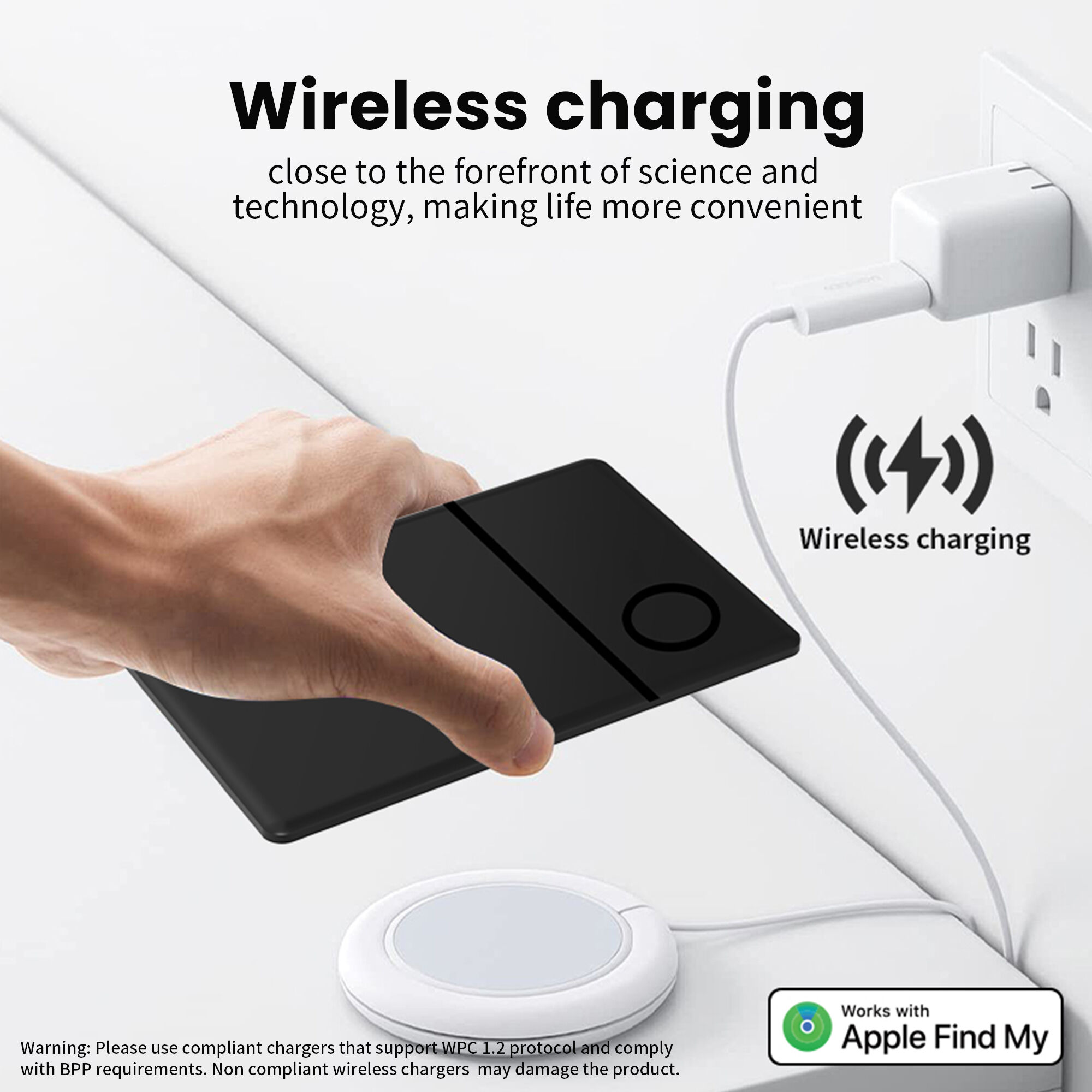
Trong thị trường cạnh tranh ngày nay, các doanh nghiệp liên tục tìm kiếm những cách thức đổi mới nhằm mở rộng phạm vi hiển thị thương hiệu vượt ra ngoài các kênh quảng cáo truyền thống. Các thiết bị theo dõi ví cá nhân hóa đã nổi lên như một công cụ quảng bá chiến lược, kết hợp giữa tính tiện dụng thực tế và khả năng phơi bày thương hiệu một cách liên tục. Những thiết bị nhỏ gọn tích hợp công nghệ Bluetooth này giúp người dùng định vị lại ví, hộ chiếu và thẻ bị thất lạc thông qua các ứng dụng trên điện thoại thông minh, từ đó tạo ra những điểm tiếp xúc hàng ngày giữa người tiêu dùng và công nghệ mang nhãn hiệu. Các công ty thuộc mọi ngành nghề — từ dịch vụ tài chính đến lĩnh vực du lịch – khách sạn — đều đang nhận ra rằng thiết bị theo dõi ví cá nhân hóa không chỉ là tài sản tiếp thị chức năng mà còn là sản phẩm thực sự được người nhận sử dụng và đánh giá cao, trái ngược với các mặt hàng quảng cáo thông thường thường bị lãng quên trong ngăn kéo.
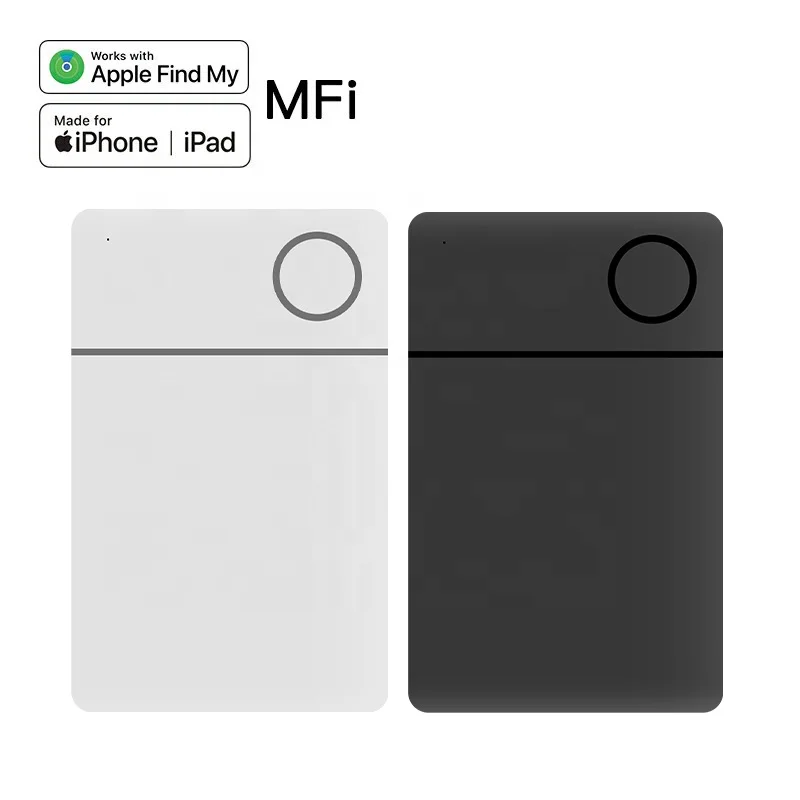
Việc hiểu rõ quy trình tùy chỉnh thiết bị định vị ví đòi hỏi phải xem xét nhiều tầng – từ những thay đổi thẩm mỹ ở cấp độ bề mặt đến các tích hợp công nghệ sâu hơn nhằm phù hợp với hệ thống nhận diện thương hiệu của doanh nghiệp. Việc chuyển đổi các thiết bị định vị thông dụng thành tài sản thương hiệu mang tính doanh nghiệp đòi hỏi những quyết định chiến lược về thiết kế thị giác, khả năng chức năng, cách trình bày bao bì và hậu cần phân phối. Cách tiếp cận toàn diện này đảm bảo rằng các thiết bị định vị ví được tùy chỉnh không chỉ mang logo công ty mà còn phản ánh chân thực các giá trị thương hiệu thông qua chất lượng vật liệu, thiết kế trải nghiệm người dùng và độ tin cậy về mặt công nghệ. Các doanh nghiệp thành công trong việc tùy chỉnh những thiết bị này sẽ tạo ra những tương tác thương hiệu đáng nhớ, kéo dài xa hơn rất nhiều so với khoảnh khắc phân phối ban đầu.
Hiểu rõ Bối cảnh Tùy chỉnh cho Thiết bị Định vị Ví
Các Tùy chọn Tùy chỉnh Thiết kế Vật lý
Khía cạnh dễ nhận thấy nhất của việc tùy chỉnh thiết bị định vị ví là những thay đổi về thiết kế vật lý, nhằm biến các thiết bị tiêu chuẩn thành sản phẩm mang thương hiệu. Các công ty có thể tùy chỉnh kích thước, hình dáng và dạng cấu tạo để phù hợp với từng trường hợp sử dụng cụ thể — ví dụ như thiết kế siêu mỏng dành cho khe đựng thẻ tín dụng, thiết bị định vị cỡ hộ chiếu dành cho tài liệu du lịch, hoặc các phiên bản hơi dày hơn một chút để tích hợp pin có dung lượng cao hơn. Việc lựa chọn vật liệu đóng vai trò then chốt trong việc hình thành nhận thức thương hiệu, với nhiều lựa chọn từ nhựa bền và hợp kim nhôm đến các vật liệu cao cấp như sợi carbon hoặc các hợp chất sinh học thân thiện với môi trường có khả năng phân hủy sinh học. Các kỹ thuật hoàn thiện bề mặt — bao gồm lớp phủ mờ, bóng, kim loại hoặc có kết cấu — tạo nên những trải nghiệm xúc giác riêng biệt, qua đó củng cố vị thế thương hiệu.
Tùy chỉnh màu sắc có thể là cơ hội xây dựng thương hiệu trực quan và dễ thực hiện nhất đối với thiết bị định vị ví. Các nhà sản xuất thường cung cấp dịch vụ phối màu theo chuẩn Pantone nhằm đảm bảo sự khớp chính xác với hướng dẫn về màu sắc thương hiệu của doanh nghiệp, cho phép các tổ chức tài chính sản xuất thiết bị định vị ví với tông xanh đặc trưng của ngân hàng, các công ty công nghệ sử dụng màu cam hoặc xanh lá quen thuộc trong hệ thống nhận diện thương hiệu, và các thương hiệu cao cấp áp dụng các tông màu kim loại tinh tế hoặc tông trung tính. Ngoài các màu thuần, các kỹ thuật in tiên tiến còn cho phép tạo hiệu ứng chuyển sắc, kết hợp hai tông màu và thậm chí cả vật liệu đổi màu nhiệt (thermochromic) phản ứng với sự thay đổi nhiệt độ. Những tùy chỉnh thị giác này giúp thiết bị định vị ví trở thành một phần mở rộng ngay lập tức và dễ nhận diện của hệ thống nhận diện thương hiệu.
Tích hợp logo và đồ họa
Việc tích hợp logo hiệu quả trên các thiết bị theo dõi ví đòi hỏi phải cân nhắc kỹ lưỡng về diện tích bề mặt nhỏ gọn và các kỹ thuật sản xuất. Khắc laser mang lại thương hiệu vĩnh viễn, độ chính xác cao, chịu được hao mòn hàng ngày, tạo ấn tượng thương hiệu tinh tế nhưng sang trọng thông qua sự tương phản giữa các bề mặt được khắc và vật liệu nền. In lụa cho phép tái hiện logo đầy đủ màu sắc với độ chi tiết sắc nét, phù hợp với các thiết kế phức tạp có nhiều màu hoặc yếu tố ảnh chụp. In chuyển nhiệt (pad printing) linh hoạt khi áp dụng trên các bề mặt cong hoặc không đều, trong khi in UV mang lại màu sắc rực rỡ cùng lớp hoàn thiện chống trầy xước. Các công ty cần cân bằng giữa yêu cầu về độ nổi bật của logo và sự kiềm chế về mặt thẩm mỹ, đảm bảo logo làm tăng giá trị chứ không làm lu mờ thiết kế chức năng của thiết bị.
Ngoài các biểu tượng chính, các công ty có thể tích hợp thêm các yếu tố đồ họa khác nhằm làm nổi bật thông điệp thương hiệu. Các khẩu hiệu, địa chỉ URL trang web, mã QR dẫn đến các trang đăng ký hoặc các họa tiết hoa văn tinh tế được phát triển từ hệ thống thị giác thương hiệu đều góp phần gia tăng chiều sâu truyền thông mà không làm rối mắt do diện tích bề mặt bị giới hạn. Một số tổ chức lồng ghép các giá trị cốt lõi của doanh nghiệp thông qua hệ thống biểu tượng — ví dụ, các công ty tập trung vào tính bền vững có thể sử dụng biểu tượng tái chế hoặc thông điệp liên quan đến môi trường, trong khi các doanh nghiệp đổi mới công nghệ lại có thể lựa chọn các họa tiết hình học mang phong cách tương lai. Việc bố trí chiến lược các yếu tố đồ họa này đòi hỏi sự hiểu biết về thói quen cầm nắm sản phẩm của người dùng và đảm bảo rằng các yếu tố nhận diện thương hiệu vẫn luôn rõ ràng trong suốt quá trình sử dụng thiết bị theo dõi ví thông thường.
Lựa chọn vật liệu và các yếu tố bền vững
Các lựa chọn vật liệu cho thiết bị theo dõi ví được tùy chỉnh truyền tải giá trị thương hiệu một cách rõ ràng không kém các yếu tố thiết kế thị giác. Các thương hiệu cao cấp thường quy định sử dụng nhôm đạt tiêu chuẩn hàng không vũ trụ hoặc thép không gỉ nhằm thể hiện sự bền bỉ và định vị sang trọng, trong khi các công ty hướng tới công nghệ tiên tiến có thể lựa chọn các loại polymer cao cấp giúp cân bằng giữa đặc tính nhẹ và độ bền cấu trúc. Chất cảm giác khi chạm vào vật liệu tạo ra những liên kết thương hiệu vô thức — lớp phủ cao su mềm mượt gợi lên sự gần gũi và thân thiện với người dùng, trong khi bề mặt kim loại mịn màng lại thể hiện sự tinh tế và tiến bộ công nghệ. Các doanh nghiệp nên lựa chọn vật liệu sao cho phù hợp với bảng màu vật liệu tổng thể của thương hiệu, được áp dụng xuyên suốt bao bì sản phẩm, môi trường bán lẻ và tài liệu tiếp thị.
Các yếu tố bền vững ngày càng ảnh hưởng mạnh đến quyết định lựa chọn vật liệu cho thiết bị theo dõi ví mang thương hiệu, khi các cam kết môi trường của doanh nghiệp ngày càng được chú trọng. Nhựa tái chế, polyme sinh học được chiết xuất từ nguồn tài nguyên tái tạo và các vật liệu đạt chứng nhận theo các tiêu chuẩn môi trường giúp doanh nghiệp thể hiện trách nhiệm sinh thái thông qua các sản phẩm quảng cáo. Một số nhà sản xuất cung cấp quy trình sản xuất trung hòa carbon hoặc các chương trình trồng cây gắn liền với đơn đặt hàng thiết bị theo dõi ví, từ đó mở ra thêm cơ hội kể chuyện thương hiệu xung quanh các món quà có in logo. Các doanh nghiệp quảng bá năng lực bền vững cần đảm bảo rằng vật liệu làm thiết bị theo dõi ví, bao bì và các phương án xử lý sau khi sử dụng thực sự phản ánh đúng các giá trị môi trường đã công bố, thay vì tạo ra mâu thuẫn giữa thông điệp truyền thông và đặc tính thực tế của sản phẩm.
Chiến lược Tùy chỉnh Kỹ thuật và Chức năng
Nhãn hiệu Giao diện Phần mềm và Ứng dụng
Trong khi tùy chỉnh vật lý tạo ra tác động thương hiệu trực quan ngay lập tức, thì việc tùy chỉnh ở cấp độ phần mềm của bộ theo dõi ví thiết lập mức tích hợp thương hiệu công nghệ sâu hơn. Các công ty có khối lượng phân phối đủ lớn có thể phát triển các ứng dụng đi kèm độc quyền với các yếu tố thương hiệu tùy chỉnh, bảng màu, kiểu chữ và các thành phần giao diện người dùng phản ánh đúng tiêu chuẩn thiết kế số doanh nghiệp. Những ứng dụng mang thương hiệu này biến mọi tương tác theo dõi thành một điểm tiếp xúc thương hiệu, với biểu tượng công ty xuất hiện khi khởi chạy ứng dụng, trong thông báo và trên các giao diện bản đồ vị trí. Các ứng dụng tùy chỉnh cũng cho phép thu thập dữ liệu về hành vi người dùng, xu hướng thất lạc và các chỉ số tương tác — từ đó hỗ trợ xây dựng chiến lược tiếp thị và định hướng phát triển sản phẩm trong tương lai.
Đối với các công ty sử dụng hệ sinh thái định vị hiện có như mạng Find My của Apple hoặc cơ sở hạ tầng của Tile, các cơ hội tùy chỉnh sẽ chuyển sang việc đặt tên thiết bị theo thương hiệu, âm thanh cảnh báo tùy chỉnh và thông báo cá nhân hóa. Các tổ chức có thể cấu hình sẵn thiết bị định vị ví với tên công ty hoặc mã định danh phòng ban, từ đó đơn giản hóa quy trình thiết lập cho người nhận đồng thời đảm bảo sự nhất quán trong việc thể hiện thương hiệu trên mọi ứng dụng định vị. Các giai điệu cảnh báo tùy chỉnh—từ logo âm thanh doanh nghiệp đến giai điệu âm nhạc đặc trưng riêng cho thương hiệu—tạo ra những liên kết thính giác độc đáo với thương hiệu, củng cố thêm các yếu tố nhận diện thị giác. Những tùy chỉnh chức năng này nâng cao trải nghiệm người dùng đồng thời duy trì sự hiện diện thương hiệu bền vững trong suốt quá trình tương tác hàng ngày với thiết bị định vị ví.
Các điều chỉnh về khả năng kết nối và bộ tính năng
Các thông số kỹ thuật của thiết bị định vị ví có thể được tùy chỉnh để phục vụ các trường hợp sử dụng doanh nghiệp cụ thể cũng như các chiến lược định vị thương hiệu. Việc tối ưu hóa tuổi thọ pin có thể tập trung vào việc kéo dài thời gian hoạt động cho các ứng dụng trong ngành du lịch, nơi khả năng sạc bị hạn chế; trong khi các tổ chức tài chính lại có thể nhấn mạnh tốc độ tái kết nối Bluetooth nhanh nhằm xác định vị trí ví một cách nhanh chóng trong môi trường bán lẻ. Các điều chỉnh về phạm vi kết nối cho phép các thương hiệu khách sạn cao cấp cung cấp trải nghiệm định vị cao cấp với khoảng cách tín hiệu mở rộng, trong khi các tổ chức chú trọng an ninh có thể triển khai các giao thức mã hóa nâng cao để theo dõi các tài liệu nhạy cảm. Những tùy chỉnh chức năng này biến các thiết bị định vị thông thường thành những công cụ chuyên biệt, giải quyết các vấn đề đặc thù và đáp ứng yêu cầu cụ thể của từng ngành.
Việc bổ sung các tính năng nâng cao tạo ra cơ hội phân biệt sản phẩm cho các thiết bị theo dõi ví mang thương hiệu, vượt xa các dịch vụ định vị cơ bản. Việc tích hợp với các hệ thống doanh nghiệp hiện có—như cơ sở dữ liệu thẻ nhân viên, nền tảng quản lý quan hệ khách hàng (CRM) hoặc cơ sở hạ tầng chương trình khách hàng thân thiết—cho phép cá nhân hóa trải nghiệm và cung cấp thêm giá trị. Một số công ty triển khai khả năng thiết lập vùng địa lý ảo (geofencing), kích hoạt thông báo tùy chỉnh khi thiết bị theo dõi ví vào hoặc rời khỏi những khu vực được xác định trước như khuôn viên văn phòng công ty, cửa hàng bán lẻ đối tác hoặc nhà ga sân bay. Hệ sinh thái theo dõi đa thiết bị cho phép các thiết bị theo dõi ví mang thương hiệu hoạt động liền mạch cùng các thiết bị định vị khác do công ty cung cấp—như thiết bị theo dõi chìa khóa, túi xách hoặc thiết bị chuyên dụng—từ đó hình thành giải pháp quản lý tài sản toàn diện, được thống nhất dưới một thương hiệu duy nhất.
Tùy chỉnh Bảo mật và Quyền riêng tư Dữ liệu
Đối với các tổ chức trong các ngành được quản lý chặt chẽ hoặc các công ty chú trọng đến định vị bảo mật, việc tùy chỉnh thiết bị theo dõi ví phải đáp ứng các vấn đề về bảo vệ dữ liệu và quyền riêng tư. Phần mềm tùy chỉnh có thể triển khai các tiêu chuẩn mã hóa nâng cao, báo cáo vị trí ẩn danh hoặc xử lý trên thiết bị để giảm thiểu việc truyền dữ liệu lên đám mây. Các công ty dịch vụ tài chính có thể yêu cầu tuân thủ chứng nhận theo tiêu chuẩn ngành thẻ thanh toán, trong khi các tổ chức chăm sóc sức khỏe cần các giao thức xử lý dữ liệu phù hợp với HIPAA để theo dõi người nắm giữ chứng chỉ y tế. Những tùy chỉnh bảo mật này không chỉ bảo vệ quyền riêng tư của người dùng mà còn thể hiện cam kết của thương hiệu đối với việc quản lý dữ liệu và triển khai công nghệ có trách nhiệm.
Các tính năng minh bạch đại diện cho một cơ hội khác nhằm tùy chỉnh thiết bị theo dõi ví với trọng tâm bảo mật. Các công ty có thể triển khai các quyền truy cập dữ liệu do người dùng kiểm soát, hệ thống thông báo rõ ràng khi việc theo dõi diễn ra hoặc lịch trình xóa dữ liệu tự động phù hợp với định vị thương hiệu chú trọng đến quyền riêng tư. Một số tổ chức cung cấp tài liệu chi tiết về quyền riêng tư, kho mã nguồn mở hoặc kiểm toán bảo mật độc lập từ bên thứ ba như những yếu tố khác biệt cho sản phẩm theo dõi mang nhãn hiệu của họ. Những biện pháp minh bạch này giúp xây dựng lòng tin với người nhận đồng thời phân biệt rõ thiết bị theo dõi ví mang nhãn hiệu với các sản phẩm tiêu dùng có chính sách xử lý dữ liệu thiếu minh bạch — đặc biệt có giá trị đối với các công ty công nghệ, các nhà vận động vì quyền riêng tư hoặc các thương hiệu nhắm tới nhóm khách hàng quan tâm đến bảo mật.
Tùy chỉnh Bao bì và Trình bày
Thiết kế bao bì mang nhãn hiệu
Trải nghiệm mở hộp đối với thiết bị theo dõi ví được cá nhân hóa có ảnh hưởng đáng kể đến nhận thức thương hiệu và mức độ hài lòng của người nhận. Bao bì cao cấp biến các thiết bị theo dõi chức năng thành những món quà thương hiệu hấp dẫn, thể hiện sự chu đáo và tinh tế trong từng chi tiết của doanh nghiệp. Các hộp được thiết kế riêng, in màu thương hiệu, logo và thông điệp truyền thông, tạo cảm giác háo hức ngay từ khoảnh khắc mở hộp đồng thời bảo vệ thiết bị trong quá trình vận chuyển và phân phối. Vật liệu bao bì cần phù hợp với tổng thể phong cách thương hiệu — các thương hiệu công nghệ tối giản có thể sử dụng hộp trắng tinh tế với họa tiết dập chìm tinh xảo, trong khi các công ty dịch vụ lưu trú cao cấp có thể lựa chọn giấy có kết cấu sang trọng kèm điểm nhấn kim loại và nắp đóng nam châm. Các lựa chọn bao bì bền vững như bìa các-tông tái chế, vật liệu phân hủy sinh học hoặc hộp tái sử dụng góp phần củng cố cam kết môi trường của thương hiệu.
Các thành phần bao bì bên trong nâng cao giá trị trình bày và tính năng sử dụng cho thiết bị định vị ví mang thương hiệu. Các miếng đệm xốp tùy chỉnh hoặc khay giấy ép khuôn định vị thiết bị một cách an toàn đồng thời tạo hiệu ứng thị giác ấn tượng khi mở hộp. Việc kèm theo các phụ kiện mang thương hiệu—khăn lau vi sợi có in logo, dây sạc tùy chỉnh dành cho các mẫu có thể sạc lại hoặc tài liệu hướng dẫn khởi động nhanh với hình ảnh nhận diện thương hiệu công ty—giúp mở rộng các điểm tiếp xúc thương hiệu vượt ra ngoài chính thiết bị định vị. Một số công ty thiết kế bao bì có chức năng phụ trợ, chẳng hạn như hộp có thể chuyển đổi thành bộ sắp xếp bàn làm việc, túi đựng đồ du lịch hoặc giá trưng bày, nhằm đảm bảo vật liệu bao bì vẫn được lưu giữ trong không gian của người nhận thay vì bị loại bỏ ngay sau khi mở, từ đó duy trì độ hiện diện thương hiệu liên tục.
Tài liệu và tài liệu hướng dẫn
Tài liệu được tùy chỉnh cho thiết bị theo dõi ví phục vụ hai mục đích: giáo dục người dùng và truyền thông thương hiệu. Các hướng dẫn bắt đầu nhanh, hướng dẫn thiết lập và thẻ giải thích tính năng được thiết kế chuyên nghiệp, đồng thời tích hợp nhận diện hình ảnh thương hiệu của công ty, nhằm đảm bảo người nhận có thể kích hoạt và sử dụng thành công thiết bị định vị, đồng thời củng cố hình ảnh chuyên nghiệp của thương hiệu. Tài liệu đa ngôn ngữ đáp ứng nhu cầu của các nhóm đối tượng đa dạng trong các tập đoàn toàn cầu, trong khi các định dạng hướng dẫn trực quan đơn giản giúp giảm rào cản ngôn ngữ và nâng cao khả năng tiếp cận. Các lựa chọn tài liệu kỹ thuật số thay thế — bao gồm video hướng dẫn mang thương hiệu, hướng dẫn web tương tác hoặc trải nghiệm thiết lập thực tế tăng cường — không chỉ thể hiện trình độ công nghệ tiên tiến mà còn góp phần giảm thiểu việc sử dụng giấy, phù hợp với các thương hiệu quan tâm đến môi trường.
Thông tin bảo hành, thông tin liên hệ hỗ trợ khách hàng và các tài nguyên khắc phục sự cố tạo cơ hội để xây dựng mối quan hệ thương hiệu lâu dài thông qua tài liệu hướng dẫn sử dụng thiết bị theo dõi ví tiền. Các công ty có thể bao gồm các ưu đãi đăng ký nhằm khuyến khích người nhận kết nối thiết bị với hồ sơ khách hàng, từ đó mở ra các cơ hội giao tiếp trong tương lai cũng như thu thập dữ liệu phân tích về mức độ sử dụng. Tài liệu hỗ trợ cần duy trì giọng điệu và phong cách thương hiệu nhất quán — dù mang tính kỹ thuật và chính xác, thân thiện và gần gũi, hay cao cấp và lấy dịch vụ làm trọng tâm — nhằm đảm bảo mọi tương tác với tài liệu hướng dẫn sử dụng thiết bị theo dõi đều củng cố rõ nét tính cách tổng thể của thương hiệu. Mã QR dẫn liên kết đến cổng hỗ trợ thương hiệu, cơ sở dữ liệu câu hỏi thường gặp (FAQ) hoặc diễn đàn cộng đồng tạo nên những cầu nối liền mạch giữa sản phẩm vật lý và hệ sinh thái thương hiệu kỹ thuật số.
Tùy chỉnh Bộ quà tặng và Gói sản phẩm
Việc tích hợp thiết bị theo dõi ví vào các bộ quà tặng thương hiệu rộng hơn sẽ gia tăng hiệu quả cá nhân hóa cũng như giá trị cảm nhận. Các công ty công nghệ có thể kết hợp thiết bị theo dõi ví với các phụ kiện thương hiệu khác như pin sạc dự phòng, ổ đĩa USB hoặc bộ sạc không dây, từ đó tạo ra các bộ sản phẩm công nghệ toàn diện, thống nhất về ngôn ngữ thiết kế và thẩm mỹ bao bì. Các tổ chức trong ngành du lịch có thể kết hợp thiết bị theo dõi ví với tem dán hành lý, bao đựng hộ chiếu và bộ chuyển đổi điện dùng khi đi du lịch, hình thành nên các gói hỗ trợ hành trình trọn gói. Các tổ chức tài chính có thể kết hợp thiết bị theo dõi ví với ví đựng thẻ cao cấp, kẹp tiền hoặc tài liệu hướng dẫn lập kế hoạch tài chính, qua đó củng cố mối liên hệ cốt lõi với doanh nghiệp đồng thời mang lại tiện ích thực tiễn trong các tình huống sử dụng liên quan.
Các cơ hội tùy chỉnh theo mùa hoặc sự kiện cụ thể cho phép các công ty tạo ra các phiên bản thiết bị theo dõi ví giới hạn số lượng, từ đó tạo ra sự háo hức và giá trị sưu tầm. Các phiên bản đặc biệt dành riêng cho hội nghị thường niên – với thương hiệu và ngày tháng của sự kiện; các biến thể màu sắc theo chủ đề lễ hội kèm bao bì mang tính lễ hội; hoặc các phiên bản kỷ niệm cột mốc thành lập với khắc chữ tưởng niệm – đều biến những vật phẩm quảng cáo tiêu chuẩn thành những món quà lưu niệm đáng nhớ. Những phiên bản đặc biệt này có thể sử dụng vật liệu cao cấp hơn, kết hợp màu sắc độc quyền hoặc xử lý bao bì độc đáo nhằm phân biệt rõ ràng với hàng tồn kho doanh nghiệp thông thường, nhờ đó trở nên đặc biệt hiệu quả trong việc tặng quà khách hàng VIP, chương trình ghi nhận thành tích nhân viên hoặc phần thưởng dành riêng cho đối tác – những trường hợp đòi hỏi tiêu chuẩn trình bày cao hơn.
Tùy chỉnh Phân phối và Triển khai
Dịch vụ Cấu hình Trước và Cá nhân hóa
Tùy chỉnh nâng cao không chỉ giới hạn ở các thiết bị vật lý mà còn bao gồm các dịch vụ cấu hình trước khi triển khai nhằm nâng cao trải nghiệm của người nhận. Các công ty có thể đăng ký trước bộ theo dõi ví điện tử với tên người nhận, mã nhân viên hoặc số tài khoản, từ đó loại bỏ các bước thiết lập rườm rà và đảm bảo khả năng sử dụng ngay lập tức ngay khi phân phát. Dịch vụ khắc cá nhân hóa — như thêm tên cá nhân, chữ viết tắt hoặc số định danh — biến những sản phẩm mang thương hiệu chung thành tài sản riêng của từng cá nhân, qua đó gia tăng giá trị cảm nhận và giảm đáng kể khả năng bị loại bỏ. Những phương pháp cá nhân hóa này đặc biệt hiệu quả trong các chương trình hội nhập nhân viên, sáng kiến quà tặng dành cho cấp điều hành hoặc các bậc thưởng trung thành khách hàng, nơi việc ghi nhận mang tính cá nhân giúp củng cố mạnh mẽ hơn mối quan hệ thương hiệu.
Các hệ thống quản lý triển khai quy mô lớn cho phép các công ty theo dõi việc phân phối, giám sát tỷ lệ kích hoạt và đo lường mức độ tương tác với các thiết bị theo dõi ví được gắn thương hiệu trên toàn bộ nhóm người nhận lớn. Các bảng điều khiển tùy chỉnh cung cấp khả năng quan sát rõ ràng về các phòng ban, khu vực hoặc phân khúc khách hàng nào đạt tỷ lệ áp dụng cao nhất, từ đó hỗ trợ xây dựng chiến lược sản phẩm khuyến mãi và phân bổ ngân sách trong tương lai. Việc tích hợp với các hệ thống doanh nghiệp hiện có cho phép kích hoạt tự động quá trình phân phối — ví dụ: nhân viên mới nhận thiết bị theo dõi ngay trong quá trình nhập ngũ; thành viên chương trình khách hàng thân thiết đạt các hạng thành viên nhất định sẽ tự động đủ điều kiện nhận quà là thiết bị theo dõi; hoặc người tham dự sự kiện nhận thiết bị thông qua hệ thống đăng ký. Những cách tiếp cận có tính hệ thống này đảm bảo trải nghiệm thương hiệu nhất quán đồng thời giảm thiểu gánh nặng hành chính trong các chương trình phân phối thiết bị theo dõi ví.
Tùy chỉnh Kích hoạt và Đăng ký
Trải nghiệm kích hoạt ban đầu đối với các thiết bị theo dõi ví mang đến những cơ hội quan trọng để hình thành ấn tượng thương hiệu, do đó đòi hỏi sự tùy chỉnh cẩn trọng. Các cổng đăng ký mang thương hiệu — được tích hợp hệ thống thiết kế của công ty, quy trình thiết lập đơn giản hóa và thông điệp rõ ràng về giá trị — giúp người nhận kích hoạt thành công thiết bị đồng thời xây dựng những liên kết tích cực với thương hiệu. Các thông điệp chào mừng được cá nhân hóa, video hướng dẫn có sự xuất hiện của đại diện công ty hoặc quy trình thiết lập mang tính trò chơi — trong đó người dùng nhận được điểm tích lũy hoặc nội dung độc quyền khi hoàn tất — đều góp phần nâng cao tỷ lệ kích hoạt, đồng thời củng cố đặc trưng thương hiệu. Những trải nghiệm số trong giai đoạn làm quen này cần duy trì tính nhất quán với các điểm tiếp xúc số khác của doanh nghiệp, sử dụng các yếu tố thị giác quen thuộc, mô hình điều hướng và phong cách giao tiếp mà người nhận đã từng bắt gặp trong các tương tác thương hiệu hiện có.
Các chiến lược thu hút sự tương tác sau khi kích hoạt giúp mở rộng nhận diện thương hiệu của thiết bị theo dõi ví điện tử vượt ra ngoài những khoảnh khắc phân phối ban đầu. Các công ty có thể triển khai các chuỗi thông tin được kích hoạt tự động nhằm giới thiệu cho người nhận về các tính năng nâng cao, chia sẻ mẹo sử dụng hoặc nêu bật các sản phẩm và dịch vụ bổ sung của công ty có liên quan đến chủ sở hữu thiết bị theo dõi. Thông báo kỷ niệm đánh dấu các mốc sử dụng thiết bị, thông báo cập nhật firmware giới thiệu các tính năng mới hoặc lời nhắc theo mùa về việc thay pin đều tạo ra những điểm tiếp xúc liên tục trong mối quan hệ với khách hàng. Những luồng thông tin được cá nhân hóa này biến các sản phẩm quảng cáo mang tính thụ động thành các nền tảng chủ động thúc đẩy sự gắn kết thương hiệu, duy trì tính phù hợp và mức độ hiển thị cao trong thời gian dài sau khi phân phối ban đầu, từ đó tối đa hóa lợi tức đầu tư vào việc tùy chỉnh thông qua các cơ hội tương tác thương hiệu kéo dài.
Các chiến lược tùy chỉnh theo kênh
Đặc điểm của kênh phân phối nên định hướng các quyết định tùy chỉnh công cụ theo dõi ví tiền nhằm tối ưu hóa mức độ phù hợp và tác động. Các chương trình quà tặng doanh nghiệp nhắm đến khách hàng hiện hữu có thể nhấn mạnh vào vật liệu cao cấp và thiết kế tinh tế, phản ánh giá trị của mối quan hệ đã được thiết lập; trong khi các món quà tặng tại hội chợ thương mại lại có thể ưu tiên yếu tố nhận diện thương hiệu nổi bật về mặt thị giác và thiết kế kích thích trò chuyện—nhằm hỗ trợ tương tác tại gian hàng. Các sáng kiến ghi nhận nhân viên có thể tích hợp các yếu tố cá nhân hóa và thông điệp đặc thù theo từng cột mốc, điều mà các kịch bản phân phối đại trà không thể cung cấp. Các chương trình khuyến mãi tại điểm bán lẻ có thể sử dụng bao bì đơn giản hóa, được tối ưu cho trưng bày và thu hút mua sắm theo cảm hứng; trong khi các chiến dịch gửi thư trực tiếp đòi hỏi bao bì có kích thước nhỏ gọn và cần tính đến các yếu tố bảo vệ sản phẩm trong quá trình vận chuyển.
Các kênh phân phối kỹ thuật số cho phép áp dụng các phương pháp tùy chỉnh độc đáo cho thiết bị theo dõi ví mà các kênh vật lý không thể sao chép được. Việc thực hiện đơn hàng thương mại điện tử cho phép khách hàng lựa chọn màu sắc yêu thích, văn bản khắc hoặc tổ hợp phụ kiện ngay trong quá trình mua hàng, từ đó tạo ra các sản phẩm mang thương hiệu được cá nhân hóa mà không cần duy trì kho hàng đã tùy chỉnh sẵn với quy mô lớn. Những người tham dự sự kiện ảo có thể nhận mã đổi thưởng thiết bị theo dõi ví dưới dạng mã kỹ thuật số kèm hướng dẫn cách nhận thiết bị vật lý sau sự kiện, qua đó cho phép tùy chỉnh sản phẩm dựa trên hồ sơ người tham dự, mức độ tham gia các phiên hội thảo hoặc mức độ tương tác. Các thiết bị theo dõi ví được đưa vào hộp đăng ký định kỳ có thể luân chuyển theo mùa nhằm đảm bảo tính mới mẻ và khả năng sưu tầm trong từng đợt giao hàng định kỳ, đồng thời tạo sự háo hức chờ đón các thiết kế giới hạn trong khi duy trì hiện diện thương hiệu thông qua việc giao sản phẩm vật lý liên tục.
Câu hỏi thường gặp
Số lượng đặt hàng tối thiểu thường áp dụng cho các đơn hàng thiết bị theo dõi ví tùy chỉnh là bao nhiêu?
Số lượng đặt hàng tối thiểu đối với thiết bị theo dõi ví được tùy chỉnh thay đổi đáng kể tùy theo mức độ phức tạp của việc tùy chỉnh và năng lực sản xuất của nhà máy. Việc in logo hoặc khắc cơ bản thường yêu cầu số lượng đặt hàng tối thiểu từ 100 đến 500 đơn vị, giúp việc tùy chỉnh trở nên khả thi cho các sự kiện doanh nghiệp quy mô nhỏ hoặc các sáng kiến cấp phòng ban. Các tùy chỉnh mở rộng hơn — như màu sắc độc đáo, vật liệu đặc biệt hoặc hình dáng khác biệt — thường yêu cầu số lượng đặt hàng tối thiểu từ 1.000 đến 5.000 đơn vị do chi phí chế tạo khuôn mẫu và yêu cầu thiết lập dây chuyền sản xuất. Các công ty muốn phát triển thiết kế hoàn toàn riêng biệt với linh kiện điện tử tùy chỉnh, bao bì đặc thù hoặc tính năng chuyên biệt nên dự kiến cam kết tối thiểu từ 10.000 đơn vị trở lên. Nhiều nhà sản xuất áp dụng cấu trúc giá theo bậc, trong đó chi phí trên mỗi đơn vị giảm đáng kể khi đạt các ngưỡng số lượng lớn hơn, qua đó khuyến khích các đơn hàng lớn hơn bằng lợi ích kinh tế tốt hơn.
Quy trình tùy chỉnh kéo dài bao lâu, tính từ thời điểm đặt hàng ban đầu đến khi giao hàng?
Thời gian tùy chỉnh phụ thuộc vào phạm vi điều chỉnh và lịch trình sản xuất. Các tùy chỉnh bề mặt đơn giản như in logo lên các mẫu thiết bị theo dõi ví hiện có thường mất từ hai đến bốn tuần kể từ khi phê duyệt thiết kế cho đến khi giao hàng, bao gồm cả thời gian sản xuất và vận chuyển quốc tế. Các tùy chỉnh ở mức độ trung bình liên quan đến màu sắc, vật liệu hoặc bao bì tùy chỉnh thường làm kéo dài thời gian lên sáu đến tám tuần để đáp ứng việc tìm nguồn cung vật liệu và thiết lập dây chuyền sản xuất. Các tùy chỉnh quy mô lớn yêu cầu tạo khuôn, thay đổi linh kiện điện tử hoặc phát triển phần mềm độc quyền có thể cần tới mười hai đến mười sáu tuần hoặc lâu hơn, đặc biệt đối với lô sản xuất đầu tiên. Các công ty nên thông báo sớm ngày giao hàng mong muốn trong quá trình lập kế hoạch và dành thời gian dự phòng cho việc chỉnh sửa thiết kế, phê duyệt mẫu và các khả năng chậm trễ trong sản xuất. Các lựa chọn sản xuất khẩn cấp có sẵn với phí cao hơn, nhưng thường chỉ áp dụng cho các trường hợp tùy chỉnh đơn giản hơn khi có hàng tồn kho sẵn.
Các công ty có thể tùy chỉnh thiết bị theo dõi ví để chỉ hoạt động trong các mạng theo dõi riêng tư không?
Đúng vậy, các công ty có đủ nguồn lực kỹ thuật và khối lượng phân phối lớn có thể phát triển hệ sinh thái theo dõi riêng cho thiết bị định vị ví mang thương hiệu thay vì sử dụng các mạng công cộng như Apple Find My hoặc Tile. Cách tiếp cận này đòi hỏi việc phát triển firmware tùy chỉnh, ứng dụng đi kèm và cơ sở hạ tầng nền tảng để quản lý giao tiếp thiết bị, báo cáo vị trí và xác thực người dùng. Các mạng riêng cung cấp toàn quyền kiểm soát đối với việc xử lý dữ liệu, tập hợp tính năng và trải nghiệm người dùng, đồng thời cho phép tích hợp với các hệ thống doanh nghiệp hiện có. Tuy nhiên, các hệ sinh thái khép kín sẽ đánh mất khả năng xác định vị trí dựa trên đóng góp của cộng đồng — một lợi thế mà các mạng công cộng mang lại nhờ quy mô người dùng khổng lồ — điều này có thể làm giảm hiệu quả theo dõi trong các không gian công cộng. Phần lớn các tổ chức tìm ra giải pháp tối ưu thông qua các cách tiếp cận kết hợp: vừa tận dụng cơ sở hạ tầng theo dõi đã được thiết lập, vừa triển khai các lớp thương hiệu tùy chỉnh, bổ sung tính năng và giao thức xử lý dữ liệu nhằm đáp ứng các yêu cầu cụ thể của doanh nghiệp, mà không cần phát triển toàn bộ mạng lưới riêng.
Các mức chi phí điển hình để tùy chỉnh thiết bị theo dõi ví ở các mức số lượng khác nhau là bao nhiêu?
Chi phí tùy chỉnh thiết bị theo dõi ví thay đổi đáng kể tùy theo mức độ điều chỉnh và số lượng đơn hàng. Ở mức cơ bản với số lượng từ 100 đến 500 sản phẩm, chỉ bao gồm in logo đơn giản, các công ty thường chi thêm từ ba đến tám đô la Mỹ cho mỗi sản phẩm so với giá gốc của thiết bị, dẫn đến tổng giá thành mỗi sản phẩm dao động từ mười lăm đến ba mươi đô la Mỹ (đã bao gồm cả thiết bị theo dõi). Các tùy chỉnh ở phân khúc trung cấp với số lượng từ 1.000 đến 5.000 sản phẩm — bao gồm màu sắc tùy chọn, vật liệu cao cấp và bao bì có in thương hiệu — thường làm tăng chi phí gốc thêm từ năm đến mười lăm đô la Mỹ mỗi sản phẩm, với tổng giá bán mỗi thiết bị dao động từ hai mươi đến năm mươi đô la Mỹ. Các tùy chỉnh quy mô lớn với số lượng từ 10.000 sản phẩm trở lên — bao gồm kiểu dáng độc đáo, tính năng sở hữu riêng và tùy chỉnh phần mềm toàn diện — có thể làm tăng chi phí thêm từ mười lăm đến bốn mươi đô la Mỹ mỗi sản phẩm tùy theo mức độ phức tạp; tuy nhiên, lợi thế kinh tế nhờ quy mô sẽ làm giảm chi phí gia tăng cho từng sản phẩm khi số lượng tăng lên. Các phiên bản cao cấp sang trọng sử dụng vật liệu quý hiếm, linh kiện điện tử tinh vi và bao bì cầu kỳ có thể vượt quá một trăm đô la Mỹ mỗi sản phẩm ngay cả khi đặt hàng với số lượng lớn, qua đó định vị thiết bị theo dõi ví được tùy chỉnh như món quà cao cấp dành riêng cho lãnh đạo thay vì sản phẩm quảng cáo đại trà.
Mục lục
- Hiểu rõ Bối cảnh Tùy chỉnh cho Thiết bị Định vị Ví
- Chiến lược Tùy chỉnh Kỹ thuật và Chức năng
- Tùy chỉnh Bao bì và Trình bày
- Tùy chỉnh Phân phối và Triển khai
-
Câu hỏi thường gặp
- Số lượng đặt hàng tối thiểu thường áp dụng cho các đơn hàng thiết bị theo dõi ví tùy chỉnh là bao nhiêu?
- Quy trình tùy chỉnh kéo dài bao lâu, tính từ thời điểm đặt hàng ban đầu đến khi giao hàng?
- Các công ty có thể tùy chỉnh thiết bị theo dõi ví để chỉ hoạt động trong các mạng theo dõi riêng tư không?
- Các mức chi phí điển hình để tùy chỉnh thiết bị theo dõi ví ở các mức số lượng khác nhau là bao nhiêu?