
 EN
EN
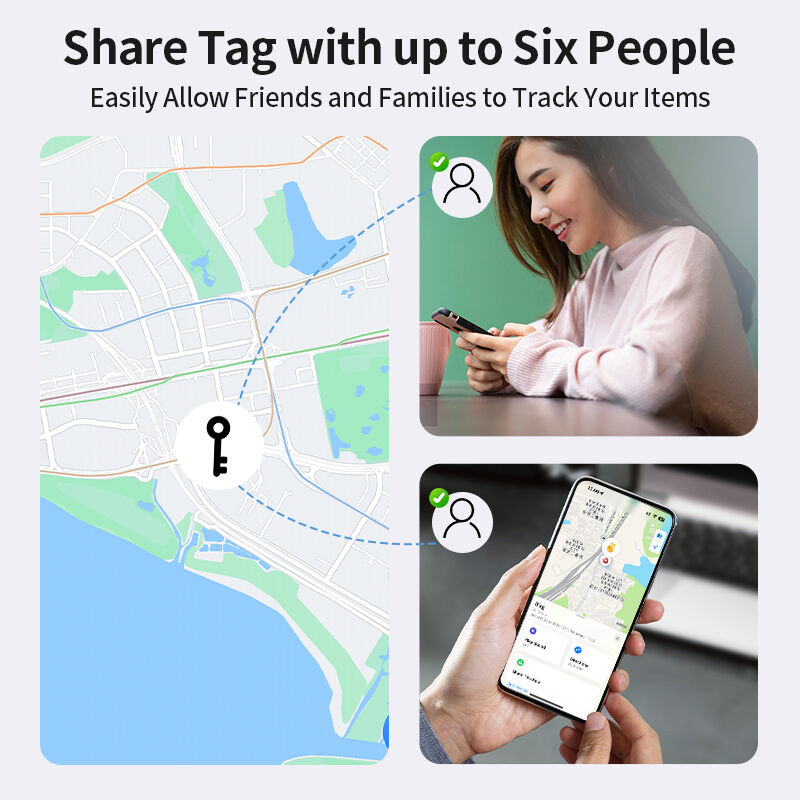
עסקים וארגונים שמחפשים ליישם פתרונות למערכת מעקב אחר חיות מחמד בקנה מידה גדול לרוב מגליים כי רכישת כמויות גדולות מספקת יתרונות אסטרטגיים ופיננסיים משמעותיים מעבר להנחות פשוטות על מחיר היחידה. בעת רכישת מערכות מעקב אחר חיות מחמד בכמויות גדולות, הקונים זוכים למבנים ייחודיים של תעריפי רכישה, אפשרויות התאמה אישית, תמיכה טכנית מוקדשת ולוגיסטיקה מזורזת – כל אלה משנים באופן מהותי את היעילות הכלכלית ואת האפשריות המבצעית של תוכניות בטיחות חיות מחמד בקנה מידה גדול. הבנת היתרונות הללו מאפשרת קבלת החלטות מושכלות לרשתות וטרינריות, פרנשיזי טיפול בבעלי חיים, ארגוני רווחת בעלי חיים, תוכניות תאילנות לעובדים הכוללות חיות מחמד, וכן שותפי הפצה העוסקים באפשרויות triểnת כמויות גדולות.
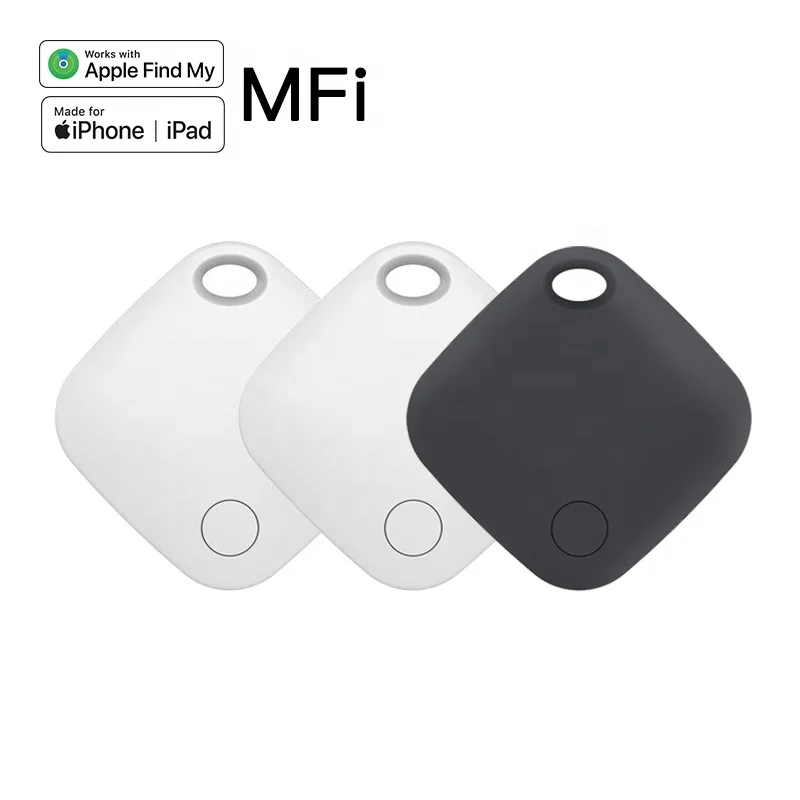
ההחלטה להזמין מעקבים לחיות מחמד בכמויות גדולות מהווה השקעה אסטרטגית שמעבירה את הגבולות של רכישת מלאי בלבד. ארגונים שמנצלים בהצלחה רכישת כמויות גדולות יוצרים הבחנה תחרותית באמצעות הגדלת הצעות השירות, יוצרים ערוצי הכנסות חדשים, מפחיתים את עלויות הפעולה ליחידה, ומקימים קשרי ספקנים ארוכי טווח שמספקים יתרונות עסקיים מתמשכים. בחינה מקיפה זו בוחנת את היתרונות הרב-ממדיים שמזמינים מעקבים לחיות מחמד בכמויות גדולות מספקים בממדים הפיננסיים, הפעליתיים, ההתאמה האישית, התמיכה והעמדה בשוק, ומספקת למנהלים את התובנות הדרושות כדי להעריך האם רכישת כמויות גדולה עונה על המטרות הארגוניות ואסטרטגיות הצמיחה שלהן.
היתרונות הפיננסיים של רכישת מעקבים לחיות מחמד בכמויות גדולות
מבנים של תמחור מדורגים וחסכונות בעלויות
יצרנים ומפיצים של מערכות מעקב אחר חיות מחמד מיישמים מודלים למחירים מבוססי נפח שמרגשים התחייבויות רכישה גדולות עם ירידה מתמדת במחיר ליחידה. מבנים מדורגים אלו כוללים בדרך כלל מספר נקודות מפנה שבהן מחיר היחידה יורד ככל שמספר ההזמנות עולה, מה שיוצר חסכונות כולליים משמעותיים לקונים בكمיות גדולות. רשת בתי חולים וטרינריים שמזמינה חמש מאות מערכות מעקב אחר חיות מחמד עשויה להשיג מחירים הנמוכים ב-15–30% ממחירים קמעונאיים, בעוד שמערכת פרנצ'ייז שמזמינה כמה אלפי יחידות עשויה לנהל משא ומתן על הנחות שמעל 40% ממחירי היחידה הסטנדרטיים. הפחתות אלה בעלות משפיעות ישירות על שולי הרווח כאשר מערכות מעקב אחר חיות מחמד נמכרות מחדש כחלק מחבילות שירות או מוצעות כהנחות ללקוחות.
מעבר להטבות המיידיות במחיר ליחידה, רכישת כמויות גדולות מבטלת את עלויות הטרנזקציה המצטברות הקשורות לרכישות קטנות מרובות. ארגונים מתחמקים מעיבוד חוזר של הזמנות קנייה, מחיובים חוזרים של משלוחים, תהליכי בדיקת איכות כפולים ומעומס המנהלי הנובע מהגעה עם ספקים רבים. רשת פרנשיז לטיפוח חיות מחמד שמאחדת את דרישותיה השנתיות למתקני מעקב אחר חיות המחמד לשתי רכישות נרחבות במקום לתשע עשרה רכישות חודשיות, מקטינה את עומס העבודה במחלקת הקניות תוך כדי הנאה מהנחות נפח. יעילויות תפעוליות אלו מוסיפות לעלות החיסכון הישיר, ויוצרות יתרונות בעלות הבעלות הכוללת שמתעצמים ככל שגדלים נפחי ההזמנות.
תנאי תשלום ואופטימיזציה של זרימת המזומנים
ספקים המציעים מערכות מעקב אחר חיות מחמד לרוב מציעים תנאים פיננסיים מועדפים לקונים בכמויות גדולות, מה שמשפר את ניהול זרימת המזומנים והגמישות הפיננסית. חלונות תשלום של 'נטו-שלושים', 'נטו-שישים' ואף 'נטו-תשעים' מאפשרים לארגונים לקבל את המלאי ולתאום אותו למונטיזציה אפשרית לפני שהחוב לספק מגיע לתשלום. רשת מקלטים לחיות מחמד עשויה להזמין שלוש מאות מערכות מעקב אחר חיות מחמד בתנאי תשלום של שישים יום, לחלק אותן ללקוחות האימוץ עם גבייה מיידית, וליצור זרימת מזומנים חיובית לפני שתיקף החשבונית מהספק.
קונים בכמויות גדולים גם זוכים לגישה להסדרי מימון גמישים, תכניות תשלום בחלקים ומודלי מלאי בהשגחה שמאפשרים להתאים את התחייבויות התשלום לזמן הגשת ההכנסות. תוכנית הטבות לעובדים בחברתית שמגיבה על מעבדי חיות מחמד במחיר מוזיל לאלפי עובדים עשויה לנהל משא ומתן על תשלומים רבעוניים שמתואמים למחזורי התקציב במקום לדרוש תשלום חד-פעמי מראש. המבנים הפיננסיים המותאמים הללו מפחיתים את ההשפעה על דף הנכסים, שומרים על הון חוזר לצורך השקעות אסטרטגיות אחרות ומעלים את האפשרות הכלכלית ליישום רחב היקף של מעבדי חיות מחמד בארגונים בעלי נזילות מוגבלת או מגבלות הקצאת הון.
פיזור עלות המלאי ויעילות החזקה
ארגונים המזמינים מכשירי מעקב לחיות מחמד בכמויות גדולות יכולים להפחית אסטרטגית עלויות קבועות על פני נפחי יחידות גדולים יותר, ובכך להפחית את הוצאות התקורה לכל מכשיר. תשתית אחסון, מערכות ניהול מלאי, נהלי בקרת איכות ופעולות קבלה - כל אלה מייצגים עלויות קבועות או קבועות למחצה, אשר יורדות על בסיס ליחידה ככל שכמויות ההזמנה גדלות. שותף הפצה המשקיע ביכולות אחסון וטיפול ייעודיות למכשירי מעקב לחיות מחמד משיג עלויות אחסון נמוכות בהרבה בעת ניהול 5,000 מכשירים לעומת 500, ויוצר יתרונות תמחור תחרותיים המשפרים את מיצוב השוק.
הזמנת כמויות גדולות מאפשרת גם תכנון ניבוי יותר מדויק של הסיבוב המלאי ומצריכה את התדירות של מצבים של חוסר מלאי שגורמים להזמנות דחופות יקרות. עסקים בתחום טיפול בחיות מחמד יכולים לקבוע מחזורים רבעוניים או דו-שנתיים להשלמת מלאי בכמויות גדולות, אשר מתאימים לחיזוי הביקוש, ובכך למחוק את העלות המוגברת הקשורה בהזמנות דחופות בكمויות קטנות כאשר המלאי נגמר באופן לא צפוי. משמעת התכנון הזו, בשילוב עם הכמות הבטוחה (safety stock) שהמלאי בכמויות גדולות מספק, מבטיחה זמינות מתמשכת של המוצרים תוך מינימיזציה של עלויות הפעלה כוללות של המלאי באמצעות אופטימיזציה של זמן והיקף ההזמנות.
יתרונות תפעוליים ולוגיסטיים
הפשטה של ניהול שרשרת האספקה
איחוד רכישת מערכות מעקב אחר חיות מחמד להזמנות בكمיות גדולות מפשט באופן דרמטי את מורכבות שרשרת האספקה ומפחית את העומס המנהלי. ארגונים המנהלים מספר מיקומים נהנים במיוחד מהרכישה המרכזית בكمיות גדולות, אשר מאחדת את مواصفות המוצרים, משאולרים על מחיר אחיד ומאגדת את לוגיסטיקת המשלוח בכל רשת הפעילות. רשת בתי חולים וטרינרית שמסדרת מערכות מעקב אחר חיות מחמד בكمיות גדולות יכולה לחלק מכשירים סטנדרטיים לכל המיקומים בו זמנית, ולכך להבטיח חוויית לקוח עקבייה, הדרכה פשוטה יותר לצוות, ומסר שיווקי מאוחד – במקום להתמודד עם החלטות רכישה נפרדות ברמות המתקנים השונים.
הזמנות בكمיות גדולות מחדדות גם את היחסים עם הספקים ומעליבות את מעמד הקנייה של הקונה בארגוני הספקים. הספקים מקצים משאבים מוקדשים לניהול חשבון, נותנים עדיפות להקצאת מלאי בתקופות ביקוש גבוה, ומספקים תגובה משופרת לקונים שמקנים כמויות גדולות. כאשר מגבלות בהיצע או מחסור ברכיבים משפיעים על שוק המאתרות לחיות מחמד בכלל, קונים בכמויות נוטים לקבל טיפול מועדף במלאי הזמין, מה שמגן על רציפות העיסקאות והעמדה התחרותית. הון היחסים הזה הופך ליותר ויותר ערכי ככל שקצב האימוץ של מאתרות לחיות מחמד מאיץ ודרישת השוק מתגברת.
תהליכי בקרת איכות מואצים
ארגונים שמזמינים מעקבים לחיות מחמד בכמויות גדולות יכולים ליישם פרוטוקולי בקרת איכות מקיפים יותר ויעילים יותר מבחינת עלות מאשר אלו שרכשים כמויות קטנות. שיטות בדיקת מטענים מאפשרות לקונים לדגום באופן אקראי תת-קבוצה סטטיסטית משמעותית מתוך משלוח גדול, לאשר את مواפייני הביצועים ולאמת את התפקוד לפני קבלת ההזמנה כולה. גישה זו מספקת ביטחון באיכות תוך דרישה של זמן בדיקה והוצאות נמוכות בהרבה לעומת בדיקת יחידה יחידה. חברת ביטוח לחיות מחמד שמזמינה אלפיים מעקבים לחיות מחמד עשויה לבדוק חמישים יחידות שנבחרו באקראי מול מדדי ביצוע, ולבצע כך ביטחון ברמה של 95% באיכות הכוללת של המטען, במחיר שקטן רק במעט לעומת בדיקה אוניברסלית.
רכישה בكمיות גדולות מגבירה גם את הקמת הסכמים פורמליים באשר לאיכות עם ספקים שקובעים את תנאי הקבלה, את סף סובלנות שיעור הפגמים, התחייבותי ההבטחה וההליכים לתיקון. מסגרות חוזיות אלו מספקות אמצעי תביעה משפטיים הגנה פיננסית במקרה שמעקבי חיות מחמד שנמסרו אינם עומדים בתנאים שנקבעו, ובכך מפצלות את סיכון האיכות בצורה מתאימה בין הקונה למוכר. ארגונים יכולים לנהל משא ומתן על אחריות להחלפה, הרחבה של תקופת ההבטחה ותחייבות לתמיכה טכנית – מה שלא היה מעשי או זמין לרכישות בכמויות קטנות, ויוצר ערך נוסף וצמצום סיכונים עבור רכישות בكمיות גדולות.
הטמעה מאורגנת ויעילות בהדרכה
קבלת מערכות מעקב אחר חיות מחמד בכמויות גדולות מאפשרת לארגונים לתאם יוזמות triểnת מקיפות עם תוכניות הדרכה מאוחדות, קמפיינים שיווקיים מסונכרנים ומסרים עקביים על השקת המוצר. במקום ליישם תוכניות מערכות מעקב אחר חיות מחמד בשלבים, כאשר משלוחים קטנים מגיעים בזה אחר זה, קונים בכמויות גדולות יכולים להטיל יוזמות ברמה ארגונית מלאה שמקסימות את ההשפעה הארגונית והנראות בשוק. תוכנית בריאות ארגונית שמציגה מערכות מעקב אחר חיות מחמד כטובת עובדים יכולה לארגן אירוע השקה בולט אחד, לקיים סדנאות הדרכה מרכזיוניות וליצור תשומת לב תקשורתית מרוכזת, במקום לפגוע בהשפעה על ידי השקה בשלבים קטנים ומרובים.
הגישה המنسקת הזו ממזערת גם את ההשקעות בהדרכה ואת יעילות העברת הידע. מאמצי ההדרכה של הצוות מגיעים ליעילות מקסימלית כאשר קהל המאומנים גדול יותר והשיקולים של התוכניות מרוכזים, מה שמאפשר לארגונים להביא מדריכים מומחים, לפתח חומרי הדרכה מקיפים ולדאוג להפצה עקבייה של הידע. הגישה החלופית של triểnות מתמשכות בקנה מידה קטן דורשת מחזורים מתמידים של הדרכה, יוצרת פערים בידע בין המאמצים הראשונים לאלו שאמצו מאוחר יותר, ויוצרת איכות יישום לא עקבית שמקלקלת את יעילות התוכנית ואת שביעות רצון המשתמשים.
הזדות אישית וסימולציה של מותגים
אריזה מותאמת אישית ואינטגרציה של המותג
ספקים של מערכות מעקב אחר חיות מחמד בדרך כלל דורשים כמויות מינימליות להזמנה כדי להצדיק אריזות מותאמות, חומרים עם סימן מסחרי, ותצורות מוצר מיוחדות, מה שגורם לאפשרויות ההבחנה הללו להיות זמינות בעיקר לקונים בכמויות גדולות. ארגונים שמזמינים מאות או אלפי יחידות יכולים לציין אריזות קמעונאיות מותאמות הכוללות את הלוגו שלהם, צבעי המותג, מסריו השיווקיים וההצגה הייחודית של המוצר. רשת וטרינרית עשויה לפתח אריזות מערכות מעקב אחר חיות מחמד בשיתוף סימן מסחרי שמדגישות את המומחיות הקלינית שלה ואת הקשר הנמשך של הטיפול, ויוצרות הבחנה מול הצעות קמעונאיות כלליות ומגבירות את זהות המותג בכל נקודת מגע עם הלקוח.
אריזה מותאמת אישית מאפשרת גם לארגונים לכלול מדריכי התחלה מהירים מותאמים אישית, הוראות התקנה בשפות רבות, כרטיסי הפעלה עם סימן מסחרי, וחומרים נוספים שמשפרים את חוויית המשתמש ומקטינים את העומס על צוות התמיכה. אלמנטים מותאמים אלו מעבירים מסר של מקצועיות, תשומת לב לפרטים, והתחייבות להצלחת הלקוח, ובכך מקטינים את הבלבול ואת הקושי בהתקנה שעשויים אחרת ליצור קריאות לתמיכה או ביקורות שליליות. עלות הארגון לאחד היא כלכלית רק ברכישות נפוצות, מה שיוצר יתרון תחרותי שמתחרים קטנים שרכשים תצורות סטנדרטיות אינם יכולים לדחות בקלות.
התאמה אישית של פירמואוור ותצורת תכונות
הזמנות גדולות של מעקב אחר חיות מחמד לרוב פותחות את הכניסה להתאמה אישית של התוכנה הקבועה, תצורת תכונות והיכולת לאינטגרציה עם תוכנה, כך שפונקציונליות המכשיר תואמת דרישות ארגוניות ספציפיות או מיקום שוק. הקונים יכולים לבקש שינויים בתדירות העדכונים, סדרי גודל מותאמים להתרעות, פרופילי ניהול אנרגיה מיוחדים או אינטגרציה עם יישומים ניידים ומערכות אחוריות ייחודיות. רשת טיפול בבעלי חיים עשויה לדרוש תצורות תוכנה קבועה שמחברות באופן אוטומטי את מכשירי המעקב לבעל חיים ליישום הנייד המותג שלה, ממלאות מראש את פרטי יצירת הקשר של החברה ומאפשרות ניהול מרכזי של המכשירים בכל מיקומי הרשת.
יכולות ההתאמה האישית הללו מרחיבות את היקף השימוש מעבר לסיור ברנדים קוסמטיים כדי ליצור הפרדה פונקציונלית אמיתית ויתרונות תחרותיים. ארגונים יכולים לפתח סטים ייחודיים של תכונות, חוויית משתמש ייחודית ומערכות שירותים משולבות שמתחרים המשתמשים בתצורות סטנדרטיות של מעקב אחר חיות מחמד אינם מסוגלים להתאים. עלויות הפיתוח והיישום המשויכות להתאמה אישית של התוכנה הקבועה דורשות נפח יחידות מספיק גדול כדי להשיג ת экономיה מקובלת ליחידת מכשיר, מה שמביא לכך שיכולות אלו הן פרקטיות בדרך כלל רק בהזמנות שמעל כמה מאות או אלפי יחידות, בהתאם מורכבות ההתאמה האישית וכושר הספקים.
סימון פרטי ושיבוץ שוק
ארגונים שמחפשים שליטה מקסימלית על המותג והבחנה בשוק יכולים לאמץ הסדרי מותג פרטי, שבהם מעקבי חיות מחמד נושאים את שם המותג שלהם בלבד, ללא זיהוי יצרן. תצורות ה'מוצר הלבן' הללו מאפשרים לקונים להציג את המכשירים כמוצרים ייחודיים, לתפוס את כל ערך המותג, ולמנוע בלבול או דילול המותג אצל הלקוחות בשל קשר גלוי ליצרן. ספק ביטוח חיות מחמד שמגיש מעקבי חיות מחמד כמותג פרטי כחלק משירות בעל ערך מוסף יוצר תחושה של פיתוח מוצר ייחודי וחדשנות טכנולוגית, מה שמחזק את ההבחנה במותג ואת נאמנות הלקוחות.
הסדרי תג אישי בדרך כלל דורשים התחייבויות מינימליות ניכרות להזמנה, אשר משקפות את ההשקעה של הספק בכלים מותאמים, פיתוח אריזות ותאימות לדרישות רגולטוריות תחת זהות המותג של הקונה. עם זאת, ארגונים שמגיעים לסף הנפח הזה זוכים בשליטה מלאה על מיקום המוצר, אסטרטגיות התמחור, ערוצי הפצה ויחסים עם הלקוחות. האפשרות להציג מערכות מעקב אחר חיות מחמד כחדשנות ייחודית ולא כמוצרים סחירים מהשורה, מצדיקה תמחור פרמיום, מגבירה את הערך הادוק ומייצרת יתרונות תחרותיים ברורים בשווקים צפופים, שם הבחנה בין מוצרים מהווה אתגר.
יתרונות תמיכה טכנית ושירות
ניהול חשבון מוקדש ותמיכה עדיפית
ספקים מזהים קונים נפוצים של מעקב אחר חיות מחמד כחשבונות אסטרטגיים שזוכים לניהול יחסים מוקדש ותשתית תמיכה משופרת. קונים בכמויות גדולות בדרך כלל מקבלים מנהלי חשבון מוקצים שמספקים תקשורת פרואקטיבית, מתאמים לוגיסטיקה מורכבת, מקדמים טיפול בבעיות טכניות, וממלאים תפקיד נקודת מגע אחת לכל היחסים עם הספק. תשומת לב אישית זו משפרת באופן דרמטי את המהירות של התגובות, מקצרת את זמני הפתרון של בעיות, ומבטיחה שהצרכים הארגוניים יקבלו עדיפות מתאימה בתפעול הספק.
תמיכה טכנית מועדפת מהווה יתרון קריטי נוסף לקונים בكمיות גדולות, ונותנת זמנים מהירים יותר לתגובה, גישה ישירה למשאבים הנדסיים ופתרון מהיר של בעיות בהשוואה לערוצי התמיכה הסטנדרטיים. כאשר צצות בעיות triểnת, נדרשים עדכוני פירמה-וור, או עולמות שאלות טכניות, ארגונים בעלי קשרי קנייה בكمיות גדולות יכולים לעקוף את תורי התמיכה הכללים ולהתחבר מיידית עם אנשי מקצוע טכניים متخصصים. רשת לטיפוח חיות מחמד שזוכה לבעיות בשידור נתונים בכל מערכת מערכות המעקב אחר החיות המחמד שלה יכולה להגביר את הבעיה ישירות לצוותי ההנדסה במקום לעבור דרך מבנה תמיכה רב-שלבי, ובכך למזער הפרעות עסקיות ולשמור על איכות השירות ללקוחות הסופיים.
משאבים להדרכה וסיוע ביישום
יצרנים ומפיצים של מערכות מעקב אחר חיות מחמד מספקים לעתים קרובות תוכניות הדרכה מקיפות, סיוע ביישום ומשאבי הדרכה מתמשכים לקונים בכמויות גדולות, כדי להאיץ את הצלחת ההטמעה ולמקסם את יעילות השימוש במוצר. שירותים אלו עשויים לכלול סדנאות הדרכה באתר, תכניות הרצאות באינטרנט (וובינרים), מדריכי יישום מפורטים, תבניות חומרי שיווק ומשאבים להabilitציה מכירתית, המותאמים בהקשר הארגוני הספציפי. רשת בתי חולים וטרינאריים יכולה לנצל את תוכניות ההדרכה שסופק על ידי הספק כדי ללמד באופן יעיל מאות עובדים במספר מיקומים, ולהבטיח ידע אחיד במוצר והמלצות בטוחות ללקוחות.
הסיוע ביישום כולל לא רק הדרכה ראשונית, אלא גם תכנון triểnת ההטמעה, תמיכה טכנית באינטגרציה ויעוץ מתמשך לאופטימיזציה. הספקים מבינים שצלחת הלקוחות המרובה מובילה להזמנות חוזרות ולשיקול דעת חיובי בשוק, מה שיוצר מניעים חזקים להשקיע במשימות הצלחת הלקוח. הארגונים נהנים מהידע המקצועי של הספקים באסטרטגיות השקת המערכת, בפיטfalls נפוצים ביישום, במתודולוגיות הטובות ביותר לאינטגרציה ובשיטות אופטימיזציה שנותרו מעובדות לאורך יישומים רבים קודמים, מה שמגביר באופן משמעותי את הסבירות להצלחה בהשקת התוכנית והאימוץ המשך שלה.
הארכת אחריות וסכמי רמות שירות
קונים נפוצים של מערכות מעקב אחר חיות מחמד מצליחים להשיג עוצמה משאומית כדי לבקש שרותי אחריות מורחבים, הסכמי רמת שירות משופרים ומדיניות החזרות מועדפת שמביאות להפחתת הסיכון הכספי והאי-ודאות הפעולה. אחריות צרכנית סטנדרטית עלולה לכלול תקופת אחריות של 90 ימים, בעוד שקונים בكمיות גדולות יכולים לנהל משא ומתן על תקופת אחריות של 12 חודשים ואף 24 חודשים, עם תהליכי החלפה מאיצים ודרישות מינימליות למסמכים. הגנות מורחבות אלו מפחיתות את העלות הכוללת בעלות, מפשטות את תכנון התקציב ומעידות על אמון הספק באיכות המוצר.
הסכמי רמת השירות לקונים בكمיות גדולות עשויים לציין זמני תגובה מקסימליים לשאלות לתמיכה טכנית, מסגרות זמן מובטחות למשלוח מכשירי חלופה וסדרות הפעלה מוגדרות לעניינים קריטיים. מחויבות חוזית זו מספקת ציפיות תפעוליות יציבות ומנגנוני התמודדות במקרה של ירידה באיכות השירות, ובכך מגינה על המשכיות הפעילות التنظימית של ארגונים התלויים בהזמנות מהירות ונאמנות של מערכות מעקב אחר חיות מחמד. כוח המיקוח הנובע מהתחייבויות קניות גדולות מאפשר לקונים להשיג ערבות שירות שמתאימות לדרישות התפעוליות שלהם, במקום לקבל את התנאים הסטנדרטיים שתוכננו לצרכנים פרטיים.
יתרונות של מיקום שוק אסטרטגי
הבחנה תחרותית ושיפור השירות
ארגונים שמכניסים מערכות מעקב אחר חיות מחמד לתוך תיקי השירות שלהם באמצעות רכישת כמויות גדולות יוצרים הבחנה תחרותית משמעותית בשווקים צפופים, שבהם הצעות השירות המסורתיות הפכו למוצר סטנדרטי. מרפאות וטרינריות שמגישות ללקוחות שמתוכננים בתוכנית בריאות חיות מחמד ללא תשלום או בהנחה מבדילות את עצמן מהמתחרים שמציעים רק שירותים רפואיים קונבנציונליים, וממשיכות בעלות חיות מחמד שמעדיפות בטיחות, וכן מגדילות את ערך הלקוח לאורך זמן. מיקום זה בעל ערך מוסף ממיר את מערכות המעקב אחר חיות מחמד מפריטים נפרדים לרכיבים משולבים באקוסיסטם רחב של טיפול מקיף, אשר מתחרים אינם יכולים לשכפל אותו בקלות ללא אסטרטגיות דומות לרכישת כמויות גדולות.
ההצעות לשירות משופרות שמאפשרת הזמינות ההמונית של מעקבנים לחיות מחמד תומכות גם באסטרטגיות תמחור פרימיום ומשפרות את מדדי השמירה על הלקוחות. עסקים בתחום טיפול בבעלי חיים יכולים לאחד מעקבנים לחיות מחמד בשירותים הקיימים שלהם, וליצור חבילות שירות מובחנות שזוכות למחירים גבוהים יותר מאשר האלטרנטיבות הלא מאוחדות, ובמקביל מגבירות את עלויות המעבר של הלקוחות למוכר אחר. רשת טיפוח שכוללת מעקבנים לחיות מחמד בחבילות החברות השנתיות שלה יוצרת הן הבחנה מיידית והן יתרונות שימור מתמשכים, כיוון שהלקוחות הופכים תלויים בתפקוד המעקב ומזדעזעים לעבור לספק אחר למרות מחירי השירות הנמוכים יותר שעשויים להציע מקומות אחרים.
התערבות זרמי ההכנסות
רכישת מעקב אחר חיות מחמד בكمיות גדולות מאפשרת לארגונים לפתח זרמי הכנסות חדשים מעבר לפעולת הליבה, diversify את מקורות ההכנסות ושפר את העמידות הפיננסית. בתי חולים וטרינריים יכולים למכור מערכות מעקב אחר חיות מחמד ללקוחותיהם ברווחיות שמשקפת הן את עלות המוצר והן את הערך של המלצת המקצוענים, מה שיוצר הכנסות תוספות ממערכות היחסים הקיימות עם הלקוחות. רשתות סניפים בתחום טיפול בבעלי חיים עלולות לפתח מודלים מבוססי מנוי, שבהם התשלום החודשי כולל הן את השירותים המסורתיים והן את חיבור מערכת המעקב לחיות מחמד, מה שיוצר הכנסות חוזרות שמשפרות את עקביות זרימת המזומנים ומעלות את הריבויים הכספיים של הארגון.
ארגונים בעלי מלאי שברצף יכולים גם לרדוף אחר הזדמנויות הפצה במכירה סיטונאית, לאספקת מעקבים לחיות מחמד לעסקים קטנים יותר אשר אינם מספקים יכולת רכישה בכמויות גדולות או קשרי ספק. ערוץ הכנסות זה בין עסקים לעסקים (B2B) מנצל את היתרונות במחיר והקשרים עם הספקים שרכישת המלאי ברצף מספקת, ויוצר הזדמנויות להרחבת השוליים תוך הרחבה בו זמנית של ההגעה לשוק וראייתיות המותג. השקעה במלאי הנדרשת עבור פעילויות הפצה אלו הופכת מוצדקת מבחינה פיננסית רק כאשר הנחות הרכישה הראשונית ברצף מספקות כרית שוליים מספקת כדי לתמוך במחירים לסיטונאות ולשמור על רווחיות מקובלת.
הזדמנויות שותפות ושיתוף פעולה
ארגונים המפגינים מחויבות לפריסה של מערכות מעקב אחר חיות מחמד באמצעות הזמנות קבוצתיות נרחבות ממקמים את עצמם כשותפים אטרקטיביים לייצרנים, פלטפורמות טכנולוגיה וספקי שירותים משולבים שמחפשים ערוצי הפצה וגישה לשוק. ספקים עלולים להציע זכויות ייחודיות לאזור גאוגרפי מסוים, תמיכה בשיווק משותף או גישה מועדפת לפרסומים חדשים של מוצרים עבור קונים קבוצתיים אסטרטגיים שמעוררים נפח משמעותי ומספקים משוב שוק ערכי. אפשרויות השותפות הללו יוצרות יתרונות תחרותיים ברורים ויתרונות בהצבת המותג בשוק שמתפשטים הרבה מעבר לכלכלה המיידית של כל הזמנה קבוצתית בודדת.
הפרשה המונית של מערכות מעקב אחר חיות מחמד תורמת גם ליצירת שותפויות בתחום הנתונים ולמערכת אקולוגית טכנולוגית, מה שמייצר ערך אסטרטגי ארוך טווח. ארגונים המנהלים אלפי מערכות מעקב פעילות על חיות מחמד מאגדים נתוני שימוש יקרים, תובנות התנהגותיות ומידע שוק שפלטפורמות טכנולוגיות ומוסדות מחקר מוצאים כערכיים. נכסים אלו של נתונים יכולים לתמוך בפיתוח מוצרים חדשים, לאפשר שירותי אנליזה תחזיתית וליצור הזדמנויות להכנסות דרך רישיונות או שותפויות, אשר לא היו אפשריות ללא היקף ההפרשה שמאפשרת הקנייה המונית. האופציה האסטרטגית שנוצרת כתוצאה מהפרשה משמעותית של מערכות מעקב אחר חיות מחמד מייצגת יתרון שמתעלמים ממנו לעיתים קרובות בקנייה המונית, וערכו גדל עם הבגרות של השווקים וההתפשטות של מודלי עסקים מבוססי נתונים.
שאלה נפוצה
אילו כמויות מינימליות להזמנה נחשבות בדרך כלל לקניות מוניות של מערכות מעקב אחר חיות מחמד?
סף המחירים לקבוצות גדולות של מעקבים לחיות מחמד משתנה במידה רבה בין ספקים וקטגוריות מוצרים, אך רוב היצרנים קובעים הנחות נפח ראשוניות החל מ-50 עד 100 יחידות, עם הנחות עמוקות יותר בנקודות השבר של הכמויות הגבוהות יותר, כגון 250, 500, 1,000 ו-5,000 יחידות. ארגונים צריכים לבקש מהספקים השונים את לוחות המחירים המדורגים בפירוט כדי לזהות את כמויות ההזמנה האופטימליות שמאזנות בין חיסכון במחיר ליחידה לבין עלויות אחסון המלאי ודרישות ההון. חלק מהספקים מציעים גם מחירים לקבוצות גדולות גמישים עבור ארגונים המתחייבים לכמויות רכישה שנתיות שמיושמות במספר משלוחים, ולא בהזמנה אחת גדולה – כך הם נהנים מהיתרונות הכלכליים של נפח הרכישה תוך ניהול רמות המלאי.
האם ארגונים יכולים להחזיר מעקבים לחיות מחמד שלא נוצלו מהזמנות קבוצתיות אם תכניות ההתפזרות משתנות?
מדיניות ההחזרים להזמנות גדולות של מעקבים לחיות מחמד תלויה לחלוטין בהסכמים על הקנייה שנותרו במשא ומתן ובמדיניות הספקים, כאשר רוב היצרנים מבדילים בין מלאי שלא נפתח לבין מכשירים שהופעלו. ארגונים צריכים לנהל משא ומתן במפורש על הוראות החזרה במהלך דיוני הקנייה, ולציין במפורש את פרק הזמן המותר להחזרות, עמלות להחזרת מלאי והתנאים שבהם מותרות החזרות. קונים בכמויות גדולות לרוב זוכים לתנאי החזרה משתלמים יותר מאשר צרכנים פרטיים, כולל חלונות החזרה מורחבים, עמלות נמוכות יותר להחזרת מלאי או אפשרויות החלפת מלאי. עם זאת, מעקבים לחיות מחמד שהופעלו ושהוקמה עבורם חשבון רשום בדרך כלל אינם ניתנים להחזרה בשל הפעלת המנוי והקמת החשבון, ולכן חשוב מאוד לחזות במדויק את הביקוש בעת הגשת הזמנות גדולות.
איך משפיעות הזמנות גדולות של מעקבים לחיות מחמד על הכיסוי בתקופה של אחריות ועל גישת התמיכה הטכנית?
קונים בULK של מערכות מעקב אחר חיות מחמד בדרך כלל זוכים להגנה מוגדלת של אחריות ותמיכה טכנית עדיפית בהשוואה לקונים פרטיים במרחבים קמעונאיים, אם כי התנאים הספציפיים דורשים משא ומתן מפורש ותיעוד חוזי. הארגונים צריכים לבקש תקופות אחריות מורחבות, תהליכי החלפה מאיצים וערוצים מיוחדים לתמיכה כחלק ממשא ומתן על רכישות בULK. יצרנים רבים מספקים פורטלים לניהול אחריות ברמה של חשבון עבור קונים בULK, אשר מפשיטים את רישום המכשירים, מקללים הגשת בקשות אחריות באצווה ומספקים ניתוחי שימוש במלאי המופעל. יש גם לברר את השלכות האחריות בנוגע למכירת מחדש של מערכות מעקב אחר חיות מחמד ללקוחות סופיים, שכן חלק מהיצרנים מבדילים בין אחריות לקונה הראשון לבין הכיסוי לבעלים הבאים, מה שיכול להשפיע על התחייבויות השירות של ארגונים שמעבירים את המכשירים ללקוחות או לחברים.
אילו יכולות אינטגרציה טכנית על הארגונים לבדוק בעת הזמנת מערכות מעקב אחר חיות מחמד בULK?
ארגונים שמתכננים triểnת מסיבית של מערכות מעקב אחר חיות מחמד צריכים לבחון באופן מקיף את יכולות האינטגרציה, כולל אפשרויות התאמה אישית של יישומי סמרטפון, זמינות ממשק תכנות יישומים (API) לקישור למערכות אחוריות, פלטפורמות لإدارة מכשירים לניהול מרכזי, והתאמה עם תשתיות הטכנולוגיה הקיימות. הקונים צריכים לבקש תיעוד טכני מפורט המתאר את אדריכלות האינטגרציה, יכולות ייצוא הנתונים, שיטות אימות משתמשים והגבלות בהתאמה אישית לפני קבלת החלטה על הזמנות גדולות. היכולת להגדיר מראש את המכשירים בהגדרות הארגוניות, לקשר אוטומטית את מערכות המעקב אחר חיות המחמד לחשבונות הלקוחות, ולנהל באופן מרכזי עדכונים של התוכנה המוטבעת הופכת חשובה יותר ככל שגודל הפעלת המערכת גדל – מה שיכול להצדיק מחיר פרמיום למערכות מעקב אשר מציעות יכולות אינטגרציה עליונות לעומת אלטרנטיבות המיועדות לצריכה פרטית וכוללות תכונות ארגוניות מוגבלות.
תוכן העניינים
- היתרונות הפיננסיים של רכישת מעקבים לחיות מחמד בכמויות גדולות
- יתרונות תפעוליים ולוגיסטיים
- הזדות אישית וסימולציה של מותגים
- יתרונות תמיכה טכנית ושירות
- יתרונות של מיקום שוק אסטרטגי
-
שאלה נפוצה
- אילו כמויות מינימליות להזמנה נחשבות בדרך כלל לקניות מוניות של מערכות מעקב אחר חיות מחמד?
- האם ארגונים יכולים להחזיר מעקבים לחיות מחמד שלא נוצלו מהזמנות קבוצתיות אם תכניות ההתפזרות משתנות?
- איך משפיעות הזמנות גדולות של מעקבים לחיות מחמד על הכיסוי בתקופה של אחריות ועל גישת התמיכה הטכנית?
- אילו יכולות אינטגרציה טכנית על הארגונים לבדוק בעת הזמנת מערכות מעקב אחר חיות מחמד בULK?