
 EN
EN
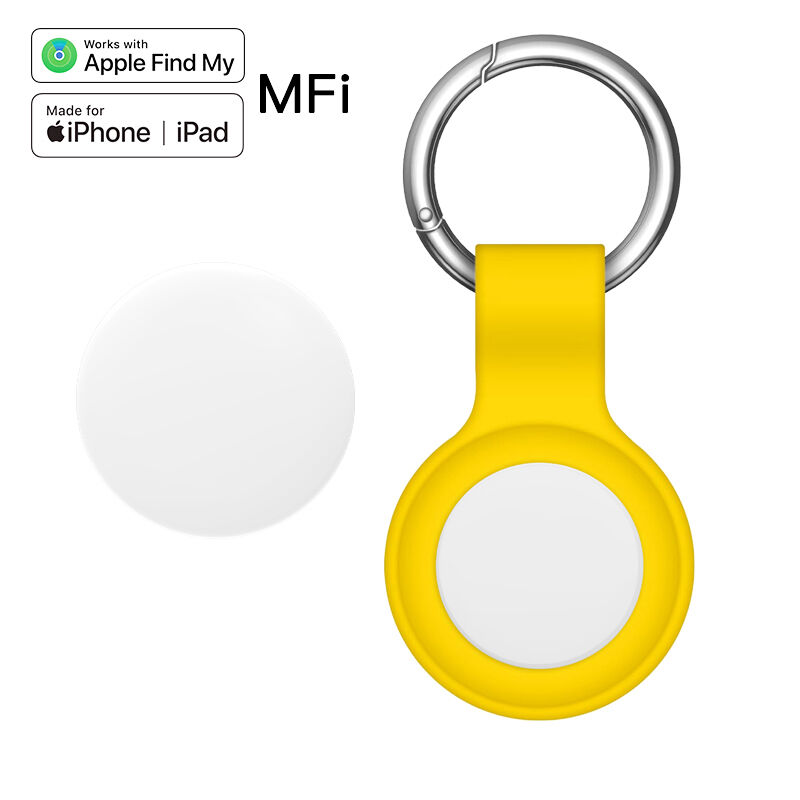
כשהתעשייה העולמית לטיפוח חיות מחמד ממשיכה לגדול, עסקים מזהים את ההזדמנות העצומה שמציעה האפשרות לספק פתרונות מתקדמים למערכת מעקב שמתאימים גם לשוק הצרכני וגם לשוק הארגוני. מערכות המעקב לחיות מחמד התפתחו ממכשירים פשוטים לצריכנים לאמצעי מתקדמים שניתן להתאים, לסמן כמותג ולשלב באקוסיסטמות עסקיות רחבות יותר. לייצרנים מקוריים (OEM) וללקוחות ארגוניים שמעוניינים להיכנס לשוק זה או להרחיב את נוכחותם בו, הכרת הדרכים שבהן ניתן להתאים מערכות מעקב לחיות מחמד כדי לענות על דרישות עסקיות ספציפיות היא חיונית. מאמר זה בוחן את המסלולים האסטרטגיים שבאמצעותם מערכות מעקב לחיות מחמד ממלאות את הדרישות של יצרנים מקוריים ולקוחות ארגוניים – החל מהיכולות להתאמה ועד לשלב עם מערכות יזמות – ובחן את ההיבטים הטכניים, הפעליים והמסחריים שמניעים שיתופי פעולה מוצלחים.

ההתמזגות של טכנולוגיית האינטרנט של הדברים (IoT), הקטנה והקישוריות לענן הפכה את מערכות המעקב אחר חיות מחמד לפלטפורמות רב-תכליתיות שמשרתות מודלים עסקיים מגוונים. קונים תאגידיים, החל מחברות ביטוח לחיות מחמד ועד לחברות לוגיסטיקה המנהלות תחבורה של חיות, דורשים פתרונות שעוברים את התכונות הסטנדרטיות המיועדות לצרכן הפרטי. שותפי OEM זקוקים להסדרי ייצור גמישים, לאפשרויות סימון לבן (white-label) וליכולות ייצור הניתנות להרחבה, אשר מאפשרות להם להכניס מהר שוק מוצרים עם מותג משלהם. היכולת של מערכות מעקב מודרניות לחיות לתמוך בתוכנת מערכת מותאמת אישית, לאפשר אינטגרציה עם API-ים של צד שלישי ולעמוד בדרישות אריזה עם מותג משלכם, הופכת אותן למועמדות אידיאליות ליישומים בין-עסקיים (B2B). הבנת היכולות הללו ואיך הן מתאימות למטרות תאגידיות ספציפיות היא קריטית bagi קבלת החלטות על ידי מנהלים העוסקים בהערכת שותפויות עם ספקים או אסטרטגיות לפיתוח מוצרים.
אפשרויות התאמה אישית וסימון לבן (white-label) עבור שותפי OEM
אינטגרציה של זהות המותג דרך התאמה אישית של חומרה ותוכנה
אחד היבטים המרשימים ביותר של מערכות מעקב אחר חיות מחמד לשותפים יצרנים (OEM) הוא עומק ההתאמה האישית הזמין הן בשכבה החומרתית והן בשכבה התוכניתית. תהליכי ייצור מודרניים מאפשרים יציקה מותאמת אישית, בחירת צבעים, שילוב הלוגו ומעצמים ייחודיים שמתאימים לזהות המותג. לחברות שמחפשות לקבוע נוכחות שוק מובחנת, היכולת להבחין בין מערכות המעקב שלהן באמצעות עיצוב חזותי מהווה בסיס חיוני. מעבר לאסתטיקה, ההתאמה התוכניתית מאפשרת לשותפים יצרנים ליצור יישומים ניידים עם סימול המותג, להתאים את ממשק המשתמש להנחיות הסגנון הארגוני ולממש תכונות ייחודיות שמיועדות לקטעי שוק מסוימים. רמת ההתאמה הזו מבטיחה שהמוצר הסופי ירגיש מחובר אוטנטית למותג, ולא כמכשיר גנרי עם תוויות מחדש.
התשתית הטכנית התומכת באפשרויות ההתאמה האישית הללו כוללת בדרך כלל ארכיטקטורות תוכנת מערכת מודולריות המפרידות בין פונקציונליות המעקב الأساسية לתכונות הניתנות למשתמש. הפרדה זו מאפשרת לשותפים יצרני ציוד מקורי (OEM) לשנות מערכות התראות, סדרות ערכים להפעלת התראות ופורמטים להצגת הנתונים, מבלי לפגוע באימונים הבסיסיים של שירותי המיקום. עבור לקוחות תאגידיים בעלי מערכות דיגיטליות קיימות, ניתן לפתח נקודות גישה מותאמות (API endpoints) כדי להבטיח אינטגרציה חלקה למערכות ניהול קשר עם לקוחות, פלטפורמות נאמנות או כלים لإدارة מנויים. הגמישות המובנית במעקבי חיות המחמד הללו הופכת אותם מתאימים למודלים עסקיים מגוונים – החל ממותגים שמייצרים ישירות לצרכן ועד לפתרונות ניהול ציוד תאגידי, שבהם חיות נעות כחלק מהזרימות التشغיליות.
אריזה והנחיות מותאמות לסטנדרטים תאגידיים
הצגה מקצועית מתרחשת לא רק על ידי המכשיר עצמו, אלא גם בכל נקודות המגע עם הלקוח, כולל אריזה ותיעוד. מערכות מעקב לחיות מחמד שמיועדות לייצרנים (OEM) מציעות בדרך כלל פתרונות אריזה ניתנים להתאמה שמשקפים את סטנדרטי המותג תוך התאמה לדרישות הרגולציה בשווקים השונים. זה כולל מדריכי הוראות בשפות רבות, תעודות תאימות שמוצגות בבירור, וחומרי אריזה שמתאימים למחויבות הארגונית לעמידה בסטנדרטים סביבתיים. עבור קונים מסחריים (B2B), איכות האריזה מעידה על מקצועיות ועל תשומת לב לפרטים — גורמים המשפיעים על החלטות הקנייה, במיוחד בתוכניות מתנות ארגוניות או בהצעות שירות מאוחדות.
התאמה אישית של תיעוד מתרחשת גם על משאבים דיגיטליים, כאשר שותפי ה-OEM דורשים לעיתים קרובות מדריכי התחלה מהירים עם סימן מסחרי, סרטוני הדרכה וסיכומי תמיכה ללקוחות שמשמרים את קול המותג והזיהוי החזותי העקבי. הסדרים מתקדמים יותר עם ה-OEM עשויים לכלול גישה לתבניות תיעוד שניתנות לעריכה, אשר מאפשרות לשותפים להכניס מידע אישי בנושא תמיכה, תנאי אחריות והסכמי רמת שירות. גישה מקיפה זו להתאמה אישית מבטיחה שכל היבט של חוויית הלקוח מחזק את זהות המותג ואת ההודעות הארגוניות, ויוצרת אקוסיסטם מוצר עקבי שמחזק את המיקום השווקי ואת נאמנות הלקוחות.
מפרט טכני שמתמודד עם מקרי השימוש הארגוניים
אורך חיים ממושך של הסוללה ואמינות עבור triểnות ארגוניות
יישומים תאגידיים של מערכות מעקב אחר חיות מחמד דורשים לעיתים קרובות מאפייני ביצועים שמעל לדרישות הרגילות של הצרכן, במיוחד מבחינת משך חיים של הסוללה ואמינות הפעולה. לקוחות ארגוניים המ triểnים מערכות מעקב אחר חיות מחמד באוכלוסיות גדולות — כגון מקלטים לחיות, רשתות מרפאות וטרינריות או פרנשיזי טיפול בחיות מחמד — זקוקים להתקנים שמזערים את העומס על תחזוקה ומספקים ביצועים עקביים לאורך תקופות ארוכות. מערכות מעקב מודרניות עבור חיות מחמד, המיועדות לשימוש תאגידי, כוללות טכנולוגיות ניהול סוללה שמייצרות את משך החיים שלהן לשבועות ואף לחודשים, בהתאם לדפוסי השימוש, ובכך מפחיתות את העומס הפעלי הכרוך בתהליך הטעינה והחלפה התכוף.
אמינות בתנאים סביבתיים מגוונים היא דרישה קריטית נוספת לקונים תאגידיים. מערכות מעקב אחר חיות מחמד המיועדות לשימוש מקצועי חייבות לפעול באופן אמין בטווח רחב של טמפרטורות, תחנות לחות משתנות ותנאי מתח פיזי שעלולים שלא להופיע בהקשרים צרכניים רגילים. דירוגי התנגדות למים, עמידות לפגיעות ויציבות האות בסביבות RF מאתגרות הן דרישות שצוותי הקנייה התאגידיים בודקים בזהירות רבה. עבור שותפים יצרנים (OEM) המ nhשים שווקים מקצועיים, בחירת מערכות מעקב אחר חיות מחמד עם אישורים סביבתיים חזקים וביצועים שוכחים בשטח הופכת לחיונית לשמירה על המוניטין ולמזעור עלויות התמיכה. יסודות טכניים אלו מבטיחים שמערכות המעקב יוכלו לשרת יישומים תאגידיים קשיחים ללא פגיעה באימוץ העקבי שמצופה ממוצרי טכנולוגיה לתאגידים.
אפשרויות החיבור והсовместимות עם רשתות
ארכיטקטורת החיבור של מעקבים לחיות מחמד משפיעה באופן משמעותי על התאמתן ליישומים תאגידיים שונים. בעוד שמכשירים המכוונים לצרכנים נוטים להסתמך באופן בלעדי על רשתות תאיות, קונים תאגידיים עשויים לדרוש חיבור רב-מצב שכולל בלוטות', וויפי, וטכנולוגיות חדשות כגון רוחב פס אולטרה-רחב (UWB) או פרוטוקולים ייחודיים נמוכי הספק. גמישות זו מאפשרת למעקבים לחיות מחמד לפעול באופטימום בסביבות מגוונות – מהאזורים העירוניים בעלי כיסוי תאי חזק ועד למבנים פנימיים, שם מערכות מעקב מבוססות בלוטות' הוכחות כיעילות ויעילות בעלויות יותר.
התחשבות בה совместимость הרשת משתרעת גם על triểnות גלובליות, שבהן לקוחות תאגידים עשויים לפעול במדינות רבות עם סטנדרטים תאיים ופסי תדרים שונים. מעקבים לחיות מחמד ברמה של יצרני רכב (OEM) תומכים לעתים קרובות במספר פסי LTE וכוללים תמיכה חלופית ברשתות 2G או 3G באזורים שבהם התשתיות החדשות עדיין מוגבלות. עבור תאגידים רב-לאומיים, התאימות הגלובלית הזו מבטלת את הצורך לשמור מלאי נפרד של מכשירים לאזורים השונים, מה שפישט את הלוגיסטיקה ומפחית את עלות הבעלות הכוללת. בנוסף, האפשרות להחליף בין ספקי רשתות או לנצל הסכמים לרישום זמני (roaming) מספקת גמישות تشغילית שמתגלה כשימושית במיוחד בסביבות עסקיות דינמיות, שבהן דרישות ההחזרה עלולות להשתנות עם הזמן.
ניהול נתונים והטמעת API למודעות עסקית
אבטחת נתונים ברמה תאגידית והתאמות לפרטיות
האמצה הארגונית של מערכות מעקב אחר חיות מחמד דורשת תשומת לב קפדנית לאבטחת מידע ולתאימות לתקנות, במיוחד כאשר ארגונים מטפלים במידע הלקוחות ונתוני המיקום שפועלים תחת חוקי הפרטיות. מערכות מעקב אחר חיות מחמד המיועדות לעסקים מיישמות פרוטוקולי הצפנה להעברת ושמירת נתונים, כדי להבטיח שהיסטוריית המיקומים, פרטי הזיהוי של המשתמשים ומזהי המכשירים יישארו מוגנים מפני גישה לא מורשית. עבור לקוחות ארגוניים בתעשייה הרגולציה או עבור אלו המשרתים שווקים אירופאיים בהתאם ל- GDPR, יכולות התאמה לתקנות הופכות לדרישות בלתי ניתנות לוויתור המשפיעות על בחירת הספק.
אפשרויות מיקום הנתונים מייצגות ממד נוסף בניהול הנתונים הארגוני, כאשר חלק מהארגונים דורשים שנתוני הלקוחות יישארו בתוך גבולות גאוגרפיים מסוימים או שיוחזרו על תשתית ענן פרטית. שותפי OEM המציעים מערכות מעקב אחר חיות מחמד עם אדריכלות triểnת גמישה — שתומכת הן באחסון נתונים בענן והן באחסון נתונים באתר — יכולים לענות על דרישות אלו תוך שמירה על יכולות המעקב בזמן אמת שמהוות את סמלו של שירותי המיקום המודרניים. רישומי ביקורת, בקרות גישה מבוססות תפקידים ומדיניות שימור נתונים שניתנות להגדרה ברמה הארגונית מספקות את מסגרות הממשל שמנהלי ה-IT הארגוניים מצפים מפתרונות טכנולוגיה לארגונים, ומעמידות את מערכות המעקב אחר חיות המחמד ככלי עסקי לגיטימי ולא כמכשיר צרכני.
גישה ל-API ליישומים עסקיים מותאמים
הערך האסטרטגי של מאתרות חיות מחמד ללקוחות תאגידיים, הערך המוסף נובע לעיתים קרובות לא מהמכשירים עצמם, אלא מאופן שבו נתוני המעקב מתמזגים עם מערכות העסקיות הקיימות. גישה מקיפה ל-API מאפשרת לארגונים לשלב את נתוני המיקום בשערים ללקוחות, לוחות בקרה תפעוליים ופלטפורמות אנליטיות שמהוות מנוע להחלטות עסקיות. לחברות ביטוח חיות מחמד, האינטגרציה למערכות עיבוד תביעות יכולה לאלץ אימות אוטומטי של מיקום החיית המחמד בעת אירועים, לצמצם הונאה ולזרז את התשלום. רשתות וטרינריות יכולות לשלב את נתוני המעקב במערכות ניהול המטופלים שלהן, לאפשר התערבות בריאותית פרואקטיבית כאשר דפוסי תנועה חריגים מצביעים על בעיות בריאותיות.
העיצוב הטכני של ממשקי התכנות (APIs) הללו משפיע באופן משמעותי על תועלתם עבור מפתחים בארגון. ארכיטקטורות מסוג REST עם תיעוד ברור, תמיכה ב-webhook כדי לספק 알רמות לאירועים בזמן אמת וטיפול מקיף בשגיאות יוצרים חוויית אינטגרציה ידידותית למפתחים, אשר מפחיתה את זמן השוק ליישומים מותאמים. עבור שותפי OEM שבונים שירותים בעלי ערך מוסף על גבי תשתיות מעקב, גישה ל- API הופכת את מעקבי החיות ממוצרים עצמאיים לרכיבי פלטפורמה המאפשרים מודלים עסקיים מיוחדים. יכולת התכנות הזו מאפשרת ללקוחות הארגוניים לשלוף את הערך המרבי מהשקעותיהם במערכת המעקב, על ידי חיבור נתוני המכשירים למשימות רחבות יותר של טרנספורמציה דיגיטלית ואסטרטגיות לעיצוב חוויית הלקוח.
יכולת הרחבת ייצור ושקולות שרשרת האספקה
גמישות בייצור וכמויות הזמנה מינימליות
הנראות המסחרית של מערכות מעקב אחר חיות מחמד לשותפויות עם יצרני ציוד מקורי (OEM) תלויה במידה רבה בהסדרי היצרנות שמאזנים בין רצונות ההתאמה האישית למציאות הכלכלית. ספקים מסוגלים לספק הזמנות ראשוניות קטנות יותר — לעיתים קרובות כבר ממספר מאות יחידות — ומאפשרים למותגים חדשים ולפרויקטים ניסיוניים של חברות לבחון את קבלת השוק ללא צורך בהתחייבות לרמות מלאי שמקשיות את ההון או יוצרות סיכון להתיישנות. ככל שדרישת השוק גדלה, הגמישות בייצור מאפשרת לשותפים מהסוג OEM להגביר את נפח הייצור תוך שמירה על אלמנטים של התאמה אישית, ומבטיחה עקביות מותגית לאורך מחזורי החיים של המוצר.
הרחבה של היכולת לייצר בקנה מידה גדול יוצאת אל מעבר להגדלת הכמויות בלבד, וכוללת גם ניהול גרסאות שונות (Variants) ולוחות זמנים לייצור. לקוחות תאגידים עשויים לדרוש מספר רב של פריטי מלאי (SKUs) שיעדו קטעי שוק שונים, כאשר לכל אחד מהם יש סט תכונות ספציפי, תצורות אריזה מסוימות או אישורים אזוריים. ספקים בעלי יכולות מתקדמות בתכנון ייצור יכולים להתמודד עם המורכבות הזו תוך שמירה על זמני משלוח סבירים ותקנים איכותיים. עבור שותפים של יצרני ציוד מקורי (OEM), שקיפות בנוגע למצב הייצור, מדדי בקרת האיכות ולוגיסטיקת שרשרת האספקה הופכת חיונית כדי לתאם השקות מוצרים, לנהל מלאי בערוצים השונים ולתגובה לשינויים בדרישות השוק – ללא הפרעות בשירות שעלולות לפגוע במוניטין של המותג.
אספקת רכיבים והזמינות הארוך-טווח
זמינות המוצר לטווח הארוך מהווה דאגה קריטית לקונים תאגידיים המבצעים השקעות משמעותיות במתקני מעקב אחר חיות מחמד כחלק מהצעות השירות או תוכניות הלקוחות. פגיעה ברכיבים בתעשייה של יצרני אלקטרוניקה עלולה לחייב עיצוב מחדש שיפריע להתייצבות המוצר וידרש מאמצים חדשים לאישור מוצר. ספקים enfocused על יצרני ציוד מקורי (OEM) בדרך כלל שומרים על מסלולי רכיבים שמתמשכים מספר שנים, ובכך מספקים תובנות לגבי סיכונים אפשריים של פגיעה ברכיבים והתפתחות עתידית מתוכננת של המוצר. תבונת קדימה זו מאפשרת לשותפים תאגידיים לתכנן מחזורי רענון, לנהל את התחייבויות האחריות ולנקוט החלטות מושכלות בנוגע להשקעות באורך החיים של המוצר.
עמידות שרשרת האספקהكتבה חשיבות רבה בעקבות הפרעות גלובליות אחרונות, וקונים תאגידיים מעריכים באופן הולך וגובר את הספקים על סמך התפזרות גאוגרפית, כמויות מלאי רזרביות ותכנון תרחישים חלופיים. מערכות מעקב אחר חיות מחמד שמיוצרות מרכיבים שמקורם באזורים מרובים עם קשרי ספקים חלופיים מפגינות פגיעה נמוכה יותר להפרעות מקומיות. עבור שותפים של יצרנים מקוריים (OEM) שבונים מודלים עסקיים התלויים בהזמנות מוצרים עקביות, קריטריוני הבחירה של ספקים כוללים כיום במידה הולכת וגוברת את עמידות שרשרת האספקה לצד גורמים מסורתיים כגון מחיר והיכולות הטכניות. שיקולים אלו מבטיחים שמערכות המעקב אחר חיות מחמד יוכלו לתמוך בצמיחה עסקית מתמשכת ללא הפרעות שיפגעו במחויבות ללקוחות או בתנופה השוקית.
מודלים עסקיים שמאפשרים triểnות תאגידיות של מערכות מעקב אחר חיות מחמד
שירותי מנוי וזרמי הכנסות חוזרים
המודל הכלכלי שסובב סביב מערכות המעקב אחר חיות מחמד מתרחב מעבר למכירת הציוד, וכולל גם שירותים המבוססים על הרשמות שמייצרים הכנסות חוזרות, תוך כדי סיפוק ערך מתמשך ללקוחות. התוכניות הארגוניות נוטות להתמקד בדפוסי עסקים מבוססי שירות, כאשר המעקב מהווה תכונה בתוך הצעות רחבות יותר בתחום טיפול בבעלי חיים. חברות ביטוח לבעלי חיים מצרפות את מערכות המעקב למדיניות הביטוח שלהן, ושימוש בנתוני המיקום כדי לעודד טיפול מונע ולצמצם את עלויות התביעה. רשתות פרנשיז לטיפול בבעלי חיים מציעות מערכות מעקב כחלק מהדרגות החברות המתקדמות שלהן, מה שיוצר הבחנה שמתממשת במחיר גבוה יותר ומשפרת את השמירה על הלקוחות.
לשותפים של יצרני ציוד מקורי (OEM), תכנון מערכות מעקב אחר חיות מחמד עם ניהול מובנה של החיבור והתקנת תשתיות שירות ענן פשט את מודלי ההרשאה הללו על ידי טיפול במורכבות הטכנית של האספקה הרציפה של השירות. הצעת שירותים ברמות שונות — מהעקוב הבסיסי במיקום ועד לניתוחים מתקדמים, הגדרת אזורי גאוגרפיה (geofencing) ומערכת ניטור הבריאות — מאפשרת ללקוחות תאגידיים לחלק את השווקים ולמקסם את ההכנסות לכל משתמש. זרמי המזומנים היציבים שמקורם במודלי ההרשאה משפרים את הערכת העסק ומאפשרים השקעה מתמשכת בפיתוח מוצרים, ויוצרים מעגלים חיוביים שמגבירים את המיקום התחרותי. דינמיקות כלכליות אלו הופכות את מערכות המעקב אחר חיות המחמד למשיכה במיוחד עבור קונים תאגידיים המחפשים לעבור ממכירות טרנזקציונליות למודלים הכנסתיים מבוססי יחסים שמתפתחים לאורך זמן חיים של הלקוח.
מתנות תאגוריות ותוכניות הטבות לעובדים
מעקבים לחיות מחמד הפכו לרכיבים מוערכים בתוכניות מתנות תאגידיות וחבילות הטבות לעובדים, במיוחד לאור ההכרה של ארגונים בחשיבות בעלות חיות מחמד לבריאות והרווחה של כוח העבודה. חברות שמחפשות מתנות משמעותיות ללקוחות או לעובדים מוצאים כי מעקבים לחיות מחמד משלבים תועלת פונקציונלית עם רезוננס רגשי, ויוצרים קשר חיובי למותג – דבר שהמתנות התאגידיות הסטנדרטיות נוטות להחמיץ. היכולת להתאים אישית מעקבים לחיות מחמד לייצר גרסאות ממותגות מאפשרת לקונים תאגידיים ליצור גרסאות ממותגות שמשמשות גם כלים פונקציונליים וגם נקודות מגע שיווקיות המרחיבות את הנראות של המותג למרחבים אישיים.
תוכניות הטבות לעובדים משלבות יותר ויותר שירותים הקשורים לחיות מחמד, כשמגמות הדמוגרפיה של הכוח העבדי מתחלפות לכיוון דורות צעירים יותר שמציבים דגש על אינטגרציה בין עבודה לחיים ובריאות החיות המחמד שלהם. מחלקות משאבי אנוש באירגונים שמשתפות פעולה עם ספקים של מערכות מעקב אחר חיות מחמד יכולות להציע מכשירי מעקב מוזילים כחלק מתחנות בריאות, ובכך למקם את הארגון כמעורב ומרוכז בעובדים. הנתונים שנוצרים בתוכניות אלו — לאחר שהן מאונימיות ונאספות כראוי — יכולים לספק תובנות למדיניות במקום העבודה בנוגע לעבודה מהבית, גמישות בלוחות הזמנים והקמת יוזמות של משרדים ידידותיים לחיות מחמד. עבור ספקי מערכות מעקב אחר חיות מחמד, תוכניות הטבות ארגוניות מייצגות הזדמנויות נפח גבוה עם פוטנציאל למחויבות רב-שנתית, מה שמביא יציבות הכנסות ועוזר לבנות נוכחות מותגית בקרב אוכלוסיות גדולות של עובדים שעשויים להפוך ללקוחות פרטיים בזכות חוויית עבודה חיובית.
שאלה נפוצה
אילו אפשרויות התאמה זמינות לשותפים של יצרני ציוד מקורי (OEM) שפותחים מערכות מעקב אחר חיות מחמד עם מותג משל עצמם?
שותפים של יצרני הציוד המקורי (OEM) יכולים להתאים לעצמם מערכות מעקב אחר חיות מחמד בממדים מרובים, כולל רכיבי תכנון החומרה כגון סכמות צבעים, מיקום הלוגו וצורות הגוף, וכן רכיבי התוכנה כגון מיתוג יישום הסמרטפון, התאמה אישית של ממשק המשתמש והגדרת תכונות. האריזה והתיעוד ניתנים להתאמה מלאה כדי להתאים לסטנדרטים של זהות תאגידית, בעוד ששינויי ה- firmware מאפשרים תכונות ייחודיות ואינטגרציה למערכות עסקיות קיימות. מידת ההתאמה בדרך כלל עולה עם נפח ההזמנות, כאשר התחייבויות גדולות יותר פותחות אפשרויות מורחבות לשינויים, כולל יציקה ייחודית וمواصفות רכיבים ייחודיות.
איך מערכות מעקב אחר חיות מחמד מתמזגות עם מערכות ה-IT התאגידיות ועם יישומים עסקיים קיימים?
מעקבים מודרניים לחיות מחמד שנועדו לשימוש תאגידי מספקים גישה מקיפה ל-API המאפשרת אינטגרציה עם מערכות תאגידיות, כולל פלטפורמות لإدارة קשרי לקוחות (CRM), מערכות חיוב מנויים ויישומים עסקיים מותאמים אישית. API מסוג RESTful עם תמיכה ב-webhook מאפשרים זרימת נתונים בזמן אמת בין תשתיות המעקב לבין מסדי הנתונים התאגידיים, מה שמאפשר זרימות עבודה אוטומטיות, אינטגרציה של ניתוחי נתונים ופיתוח פורטלים ללקוחות. יצרנים רבים מספקים תיעוד של ה-API, סביבות סנדבוקס ותמיכה טכנית כדי לקדם פרויקטים של אינטגרציה, ומבטיחים ש dữות המעקב יהיו נגישות בתוך מערכות ה-IT הקיימות ללא צורך בשינויים אדריכליים משמעותיים או ביצירת חלשות אבטחה.
אילו התחייבויות נפח נפוצות נדרשות לייצור מערכות מעקב לחיות מחמד בדגל פרטי?
כמויות הזמנה מינימליות עבור מכשירי מעקב חיות מחמד מסוג White Label משתנות באופן משמעותי בהתאם לעומק ההתאמה האישית וליכולות הספק, כאשר חלק מהיצרנים מאפשרים הזמנות ראשוניות נמוכות של 500 עד 1,000 יחידות עבור התאמה אישית בסיסית הכוללת יישום לוגו ושינוי אריזה. התאמה אישית נרחבת יותר, כולל עיצובי מארז ייחודיים או שינויים משמעותיים בקושחה, דורשת בדרך כלל התחייבויות גדולות יותר הנעות בין 3,000 ל-10,000 יחידות כדי להצדיק את עלויות הכלים ומשאבי ההנדסה. ספקים רבים מציעים מבני תמחור מדורגים המפחיתים את העלויות ליחידה ככל שהנפחים גדלים, ומאפשרים לשותפי OEM להגדיל את הייצור בצורה חסכונית ככל שהאימוץ בשוק גדל, תוך שמירה על השקעות ראשוניות ניתנות לניהול במהלך שלבי אימות המוצר.
איך triểnות תאגידיות של מעקבי חיות מחמד מטפלות בדרישות פרטיות הנתונים והתאמות רגולטוריות?
מעקבים עסקיים למגזר העסקי המתקדם מטמיעים אמצעי אבטחה מקיפים, כולל הצפנה מסוף לקצה להעברת נתונים, פרוטוקולי אימות מאובטחים ואחסון מוצפן להיסטוריית המיקומים ולמידע על המשתמש. התאמה לתקנות כגון ה- GDPR מתבצעת באמצעות מדיניות הגנה על שימור הנתונים שניתנות להגדרה, מסגרות لإدارة הסכמת המשתמש ואפשרויות נוכחות גאוגרפית של הנתונים, אשר מאפשרות ללקוחות CORPORATE לציין את מיקומי האחסון הגאוגרפיים. בקרות גישה מבוססות תפקידים, יומנים לאudit והסכמים לעיבוד נתונים מספקים את מבני הממשל הנדרשים ע"י מחלקות ה-IT והמשפטית בארגון, בעוד שהערכות אבטחה תקופתיות ותוכניות ניהול פגיעויות מבטיחות הגנה מתמשכת מפני איומים חדשים. יכולות אלו ממצבות את מערכות המעקב אחר חיות המחמד כפתרונות טכנולוגיים תואמים לתקנות, המתאימים לתעשייה המנוהלת ושווקים רגישים לפרטיות.
תוכן העניינים
- אפשרויות התאמה אישית וסימון לבן (white-label) עבור שותפי OEM
- מפרט טכני שמתמודד עם מקרי השימוש הארגוניים
- ניהול נתונים והטמעת API למודעות עסקית
- יכולת הרחבת ייצור ושקולות שרשרת האספקה
- מודלים עסקיים שמאפשרים triểnות תאגידיות של מערכות מעקב אחר חיות מחמד
-
שאלה נפוצה
- אילו אפשרויות התאמה זמינות לשותפים של יצרני ציוד מקורי (OEM) שפותחים מערכות מעקב אחר חיות מחמד עם מותג משל עצמם?
- איך מערכות מעקב אחר חיות מחמד מתמזגות עם מערכות ה-IT התאגידיות ועם יישומים עסקיים קיימים?
- אילו התחייבויות נפח נפוצות נדרשות לייצור מערכות מעקב לחיות מחמד בדגל פרטי?
- איך triểnות תאגידיות של מעקבי חיות מחמד מטפלות בדרישות פרטיות הנתונים והתאמות רגולטוריות?