
 EN
EN
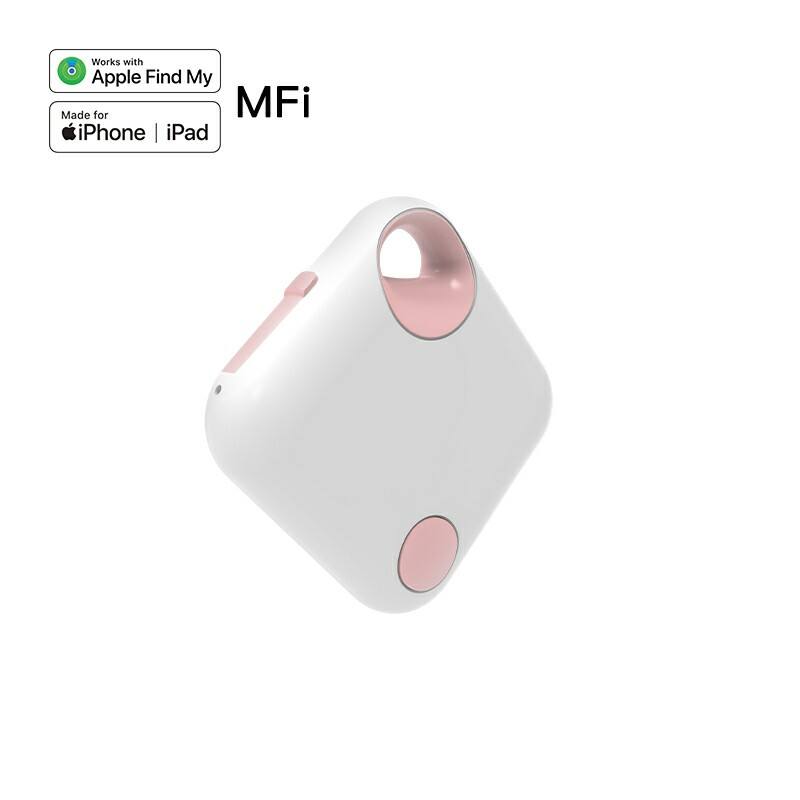
Businesses and organizations seeking bulk purchase solutions for tracking valuable items face a critical decision: which card finder technology delivers the reliability, compatibility, and scalability necessary for enterprise deployment? The card finder market has evolved significantly, with various technologies offering different strengths for bulk procurement scenarios. Understanding which card finder works best for bulk purchase solutions requires evaluating compatibility standards, deployment complexity, total cost of ownership, and long-term ecosystem support. Organizations investing in hundreds or thousands of units need assurance that their chosen card finder solution will integrate seamlessly with existing infrastructure, provide consistent performance across all units, and maintain vendor support throughout the product lifecycle.
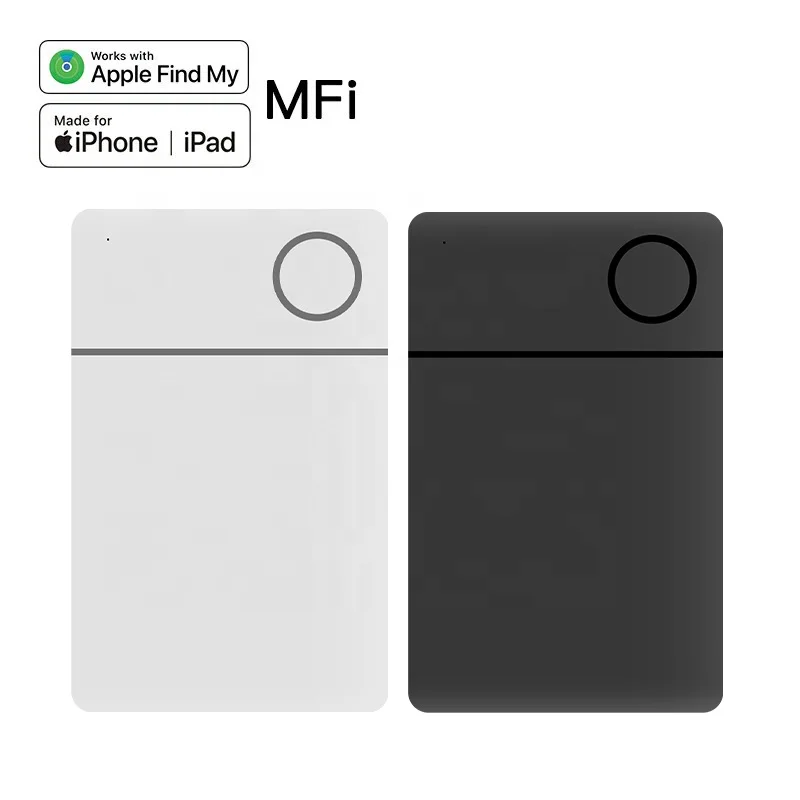
For procurement managers and IT directors evaluating bulk card finder purchases, the selection criteria extend far beyond individual device performance. Bulk deployments demand consideration of vendor stability, certification compliance, supply chain reliability, warranty administration at scale, and compatibility with employee devices across diverse operating systems. The right card finder for bulk purchase must balance initial acquisition cost with ongoing operational expenses while delivering the tracking accuracy and battery longevity that justify the investment. This analysis examines the critical factors that determine which card finder technology proves most effective for organizations making large-scale purchases, providing decision-makers with the strategic framework needed to select solutions that deliver measurable value across their entire deployment.
Understanding Card Finder Technology for Enterprise Deployment
Core Technology Standards in Card Finder Solutions
The card finder market primarily divides between proprietary tracking systems and standards-based solutions integrated with established ecosystems. For bulk purchase decisions, standards-based card finder devices offer significant advantages in compatibility, user adoption, and long-term sustainability. Organizations must evaluate whether a card finder operates within a closed proprietary network requiring dedicated applications and infrastructure, or leverages existing widespread platforms that employees already use. Standards compliance affects not only initial deployment complexity but also ongoing management overhead, replacement part availability, and the ability to integrate with other enterprise systems. Bulk buyers should prioritize card finder solutions built on open standards with certification from recognized technology authorities, ensuring interoperability and reducing vendor lock-in risks.
Certification status represents a crucial differentiator for enterprise card finder purchases. MFI certification, for instance, indicates that a card finder has undergone rigorous testing for compatibility with specific ecosystems, ensuring consistent performance across device generations. For organizations with mixed device environments, understanding which card finder technologies support cross-platform functionality versus those limited to single-ecosystem operation becomes essential. Bulk purchase decisions should account for the certification costs already absorbed by manufacturers, as certified devices typically command premium pricing but deliver superior reliability and reduced troubleshooting requirements. The technology foundation of a card finder directly impacts deployment success rates, with standards-compliant devices achieving higher adoption rates and lower support ticket volumes in enterprise environments.
Tracking Accuracy and Range Considerations
Bulk card finder deployments require consistent tracking performance across all units, making accuracy and range specifications critical evaluation criteria. Organizations must distinguish between theoretical maximum range claims and practical performance in typical office, warehouse, or field environments. The best card finder for bulk purchase delivers predictable performance across the entire order quantity, with minimal unit-to-unit variation. Procurement teams should request sample testing protocols that demonstrate consistency across multiple devices rather than relying on specifications derived from optimal single-unit testing. Range performance in enterprise environments depends on building materials, wireless interference from other devices, and the density of tracking network nodes, all factors that affect which card finder technology performs best at scale.
For organizations tracking assets across large facilities or multiple locations, the card finder chosen must integrate with a robust crowdsourced finding network that extends effective range beyond direct device-to-device communication. Bulk purchases benefit significantly from card finder solutions that leverage extensive existing user bases, as network density directly correlates with finding success rates. The tracking precision required varies by use case, with some applications demanding room-level accuracy while others need only general location awareness. Understanding these requirements helps buyers select the appropriate card finder technology tier, avoiding overpayment for unnecessary precision while ensuring sufficient capability for intended applications. Range consistency across the bulk order matters more than maximum theoretical range, as variability creates user frustration and increases support costs.
Form Factor and Physical Durability Requirements
The physical characteristics of a card finder significantly impact its suitability for bulk deployment in specific organizational contexts. Ultra-thin card finder designs that fit within standard wallet slots prove ideal for employee badge tracking or corporate credit card protection, while thicker designs with enhanced battery capacity suit different applications. Bulk purchasers must evaluate whether the card finder form factor aligns with intended use cases across their entire organization, as mixed form factors complicate inventory management and user training. The best card finder for bulk purchase matches the dominant use case while maintaining sufficient versatility for secondary applications. Organizations should assess whether card dimensions comply with relevant standards such as credit card specifications, ensuring compatibility with existing badge holders, wallets, and storage systems already deployed across the enterprise.
Durability requirements intensify in bulk deployments where individual device failure rates multiply across hundreds or thousands of units. The card finder selected must withstand the physical stresses of daily business use, including repeated insertion and removal from wallets, exposure to temperature variations, and occasional impacts. Materials quality, water resistance ratings, and structural reinforcement distinguish enterprise-grade card finder solutions from consumer-oriented alternatives. Bulk buyers should request failure rate data from existing large deployments rather than relying solely on manufacturer durability claims. The total cost of ownership for any card finder includes replacement costs for failed units, making durability a key factor in determining which solution delivers the best value for bulk purchase scenarios. Organizations operating in challenging environments should prioritize card finder models with documented performance in similar conditions.
Evaluating Total Cost of Ownership for Bulk Card Finder Purchases
Initial Acquisition Cost Versus Long-Term Value
Bulk card finder purchases create opportunities for volume pricing negotiations, but lowest per-unit cost rarely equates to best overall value. Organizations must calculate total cost of ownership by incorporating deployment expenses, ongoing operational costs, replacement rates, and potential productivity gains from successful implementation. A higher-quality card finder with superior battery life and lower failure rates may cost more initially but deliver better economics over a three-to-five-year deployment horizon. Procurement teams evaluating which card finder works best for bulk purchase should develop comprehensive cost models that account for all lifecycle expenses, including user training time, IT support requirements, battery replacement logistics, and eventual disposal or recycling costs. Volume discount structures vary significantly among card finder vendors, with some offering aggressive pricing tiers that activate at specific quantity thresholds while others maintain relatively flat pricing regardless of order size.
Hidden costs frequently emerge after bulk card finder deployment, particularly when initial planning overlooks compatibility requirements, accessory needs, or integration expenses. Organizations should clarify whether quoted bulk pricing includes necessary accessories such as activation tools, management software licenses, or enterprise administration dashboards. Some card finder ecosystems charge recurring fees for premium features such as location history, multi-user sharing, or advanced notification options, costs that multiply significantly across large deployments. The best bulk purchase approach involves pilot testing with smaller quantities before committing to full-scale orders, allowing organizations to identify unforeseen expenses and validate that the selected card finder performs as expected in their specific environment. This staged approach reduces financial risk while providing negotiating leverage for final bulk pricing based on confirmed performance data.
Battery Life and Replacement Logistics
Battery characteristics fundamentally impact the operational cost and user satisfaction of any card finder deployment. Organizations must distinguish between replaceable and sealed battery designs, as this choice affects long-term maintenance complexity and device lifecycle. A card finder with user-replaceable batteries simplifies ongoing maintenance but requires establishing battery procurement and distribution processes across the organization. Sealed battery designs eliminate replacement logistics but necessitate complete device replacement when battery capacity degrades, potentially generating electronic waste and requiring repeated procurement cycles. Bulk purchase decisions should account for expected battery lifespan under typical usage patterns, calculating when large-scale battery replacement or device refresh will become necessary. The best card finder for bulk purchase balances battery longevity with replacement convenience, minimizing both operational disruption and long-term costs.
Battery life specifications require careful scrutiny during bulk card finder evaluation, as manufacturer claims often reflect optimal conditions rather than typical enterprise usage. Organizations with high-frequency tracking needs consume battery capacity faster than occasional users, making usage pattern analysis essential for accurate lifecycle costing. Some card finder technologies employ power management features that extend battery life by optimizing communication frequency and reducing unnecessary background activity. Bulk buyers should request detailed battery performance data across various usage scenarios, including worst-case conditions that might apply to power users within their organization. For large deployments, even small differences in battery lifespan create significant operational impact, as coordinating battery replacement or device refresh across hundreds of units demands substantial administrative effort. The most cost-effective card finder solution provides sufficient battery life to align replacement cycles with other regular maintenance activities, minimizing dedicated administrative overhead.
Warranty Coverage and Replacement Policies
Warranty terms take on heightened importance in bulk card finder purchases, as device failure rates that seem negligible on a per-unit basis become significant operational issues across large deployments. Organizations should negotiate warranty coverage that addresses the realities of enterprise use, including provisions for bulk replacement processing, advanced replacement options that minimize user downtime, and clear criteria for warranty claim approval. The standard consumer warranty accompanying most card finder products typically proves inadequate for business deployments, making enhanced warranty negotiation a critical component of bulk purchase agreements. Buyers should clarify warranty administration procedures, including whether failed units require individual return processing or whether bulk replacement batches can be managed through streamlined processes. The best bulk purchase agreements include warranty terms specifically designed for enterprise customers, with dedicated support channels and expedited claim resolution.
Replacement policies beyond initial warranty periods significantly affect total cost of ownership for card finder deployments. Organizations should establish whether ongoing replacement unit pricing receives preferential treatment based on initial bulk purchase volume, or whether future orders receive standard pricing regardless of deployment history. Some card finder manufacturers offer device refresh programs that provide discounted upgrade pricing to existing large customers, ensuring technology currency while rewarding customer loyalty. Bulk buyers should negotiate terms that address various replacement scenarios, including lost devices, theft, catastrophic failure, and normal end-of-life replacement. The administrative burden of managing hundreds or thousands of individual warranty claims can overwhelm IT departments unless streamlined processes exist for batch claim submission and bulk replacement shipment. Selecting a card finder vendor with proven enterprise support capabilities ensures that warranty and replacement logistics scale appropriately with deployment size.
Integration and Management Capabilities for Enterprise Scale
Device Enrollment and Configuration Processes
Deploying hundreds or thousands of card finder units demands streamlined enrollment processes that minimize IT staff time while ensuring consistent configuration across all devices. Organizations should evaluate whether the card finder platform supports bulk enrollment capabilities, pre-configuration options, or integration with existing mobile device management systems. Manual per-device setup procedures that work adequately for consumer purchases become impractical bottlenecks in enterprise deployments, making automation capabilities a key selection criterion. The best card finder for bulk purchase integrates smoothly with existing IT workflows, leveraging standard protocols and interfaces rather than requiring specialized knowledge or proprietary tools. Procurement teams should request detailed documentation of the enrollment process and, ideally, conduct pilot testing to validate that deployment complexity aligns with available IT resources.
Configuration management across large card finder deployments requires centralized control capabilities that enable consistent policy enforcement and simplified updates. Enterprise buyers should verify whether the card finder platform provides administrative dashboards with bulk device management, allowing IT teams to monitor deployment status, track device health, and configure settings across groups of devices simultaneously. Some card finder ecosystems offer zero-touch deployment options where devices arrive pre-configured according to organizational specifications, dramatically reducing deployment time and complexity. The ability to assign devices to specific users, departments, or cost centers streamlines asset tracking and simplifies decommissioning processes when employees leave or devices reach end-of-life. Organizations with distributed workforces or multiple locations particularly benefit from card finder solutions offering cloud-based management platforms that enable remote administration without requiring physical device access.
Privacy and Security Considerations
Enterprise card finder deployments must address privacy concerns and security requirements that rarely affect individual consumer use. Organizations must understand what data the card finder collects, where that information is stored, who can access it, and how long it is retained. Bulk purchase decisions should include thorough review of vendor privacy policies, data handling practices, and compliance with relevant regulations such as GDPR or industry-specific requirements. The best card finder solutions for business use provide transparent data practices with organizational controls that respect employee privacy while enabling legitimate asset tracking needs. IT security teams should assess whether the card finder platform meets enterprise security standards, including data encryption in transit and at rest, secure authentication mechanisms, and regular security updates to address emerging threats.
Access control capabilities determine whether a card finder deployment can appropriately balance organizational tracking needs with individual privacy rights. Enterprise platforms should enable role-based access controls that limit location data visibility to authorized personnel while preventing unauthorized surveillance. Organizations must establish clear policies regarding card finder use, communicating to employees what is being tracked, who has access to location data, and under what circumstances tracking information might be accessed. Some jurisdictions impose legal requirements on employee tracking technologies, making compliance verification an essential component of bulk purchase decisions. The card finder vendor should provide documentation supporting compliance claims and, ideally, case studies demonstrating successful deployments in similar regulatory environments. Security incident response capabilities also matter at enterprise scale, as vendors must be able to rapidly address vulnerabilities that could affect thousands of deployed devices across an organization.
Reporting and Analytics Capabilities
Organizations investing in bulk card finder deployments should leverage the resulting data to gain insights into asset utilization, loss patterns, and operational inefficiencies. Enterprise-grade card finder platforms provide reporting and analytics capabilities that transform tracking data into actionable intelligence. Buyers should evaluate whether the platform offers customizable reporting, data export functionality, and integration with business intelligence tools. The ability to analyze which assets are frequently misplaced, identify high-loss locations, and track device utilization patterns helps organizations optimize processes and justify ongoing investment in tracking technology. The best card finder solutions for bulk purchase provide robust APIs that enable integration with existing enterprise systems, allowing tracking data to flow into asset management platforms, expense reporting systems, or security incident databases.
Long-term value from card finder deployments depends partly on the platform's ability to scale analytics capabilities as organizational needs evolve. Initial deployment might focus simply on locating lost items, but mature implementations can support sophisticated asset optimization, predictive maintenance scheduling, or even space utilization analysis. Organizations should select card finder vendors committed to platform development, with roadmaps indicating ongoing investment in analytics capabilities and integration options. Historical data retention policies affect the depth of analysis possible, making data storage terms an important consideration during bulk purchase negotiations. Enterprise buyers should clarify whether analytics capabilities incur additional licensing fees or whether comprehensive reporting is included in base platform pricing. The administrative value of centralized reporting increases with deployment scale, as insights derived from thousands of tracked assets provide significantly more statistical validity than data from small deployments.
Vendor Selection and Procurement Strategy
Vendor Stability and Long-Term Support
Bulk card finder purchases create multi-year dependencies on vendor stability and ongoing support. Organizations must assess vendor financial health, market position, and commitment to the card finder product line before making large procurement commitments. The best bulk purchase decisions favor established vendors with proven track records in enterprise markets, demonstrated product longevity, and financial resources to support ongoing development. Startups and newer entrants may offer innovative card finder technology at attractive pricing, but they also present higher risks of product discontinuation, acquisition by competitors, or business failure that could leave organizations with unsupported devices. Procurement teams should investigate vendor funding sources, customer retention rates, and public statements regarding product roadmaps to gauge commitment levels to the card finder market segment.
Support infrastructure scalability determines whether a card finder vendor can adequately serve enterprise customers with hundreds or thousands of deployed devices. Organizations should evaluate whether vendors maintain dedicated enterprise support teams, offer service level agreements appropriate for business-critical deployments, and provide multiple support channels including phone, email, and online resources. The quality of technical documentation, availability of training resources, and responsiveness to support inquiries all indicate vendor commitment to enterprise success. Bulk buyers should request customer references from similar-sized deployments, specifically inquiring about support experiences, issue resolution timeframes, and vendor responsiveness to feature requests or customization needs. The card finder market includes vendors primarily focused on consumer sales who may lack the infrastructure to properly support large business customers, making vendor qualification a critical component of the selection process.
Negotiation Strategies for Volume Pricing
Effective negotiation of bulk card finder purchases requires understanding vendor pricing structures, competitive positioning, and typical discount tiers. Organizations should approach negotiations armed with competitive quotes from multiple qualified vendors, demonstrating market knowledge and creating pricing pressure. Many card finder vendors offer standard volume discount schedules that activate at specific quantity thresholds, but additional concessions often remain available through negotiation, particularly for large orders or multi-year commitments. Buyers should consider whether splitting initial purchases into staged deployments or committing to future purchases might unlock better pricing than single large orders. The timing of negotiations can also affect pricing, as vendors approaching quarter-end or year-end sales targets may offer more aggressive terms to secure revenue recognition.
Beyond unit price reductions, bulk card finder negotiations should address total value components including extended warranty coverage, enhanced support terms, training credits, and preferential pricing on future orders. Organizations with ongoing needs should negotiate framework agreements that establish pricing and terms for multiple years of purchases, providing budget predictability while ensuring consistent supply. Some vendors offer evaluation unit programs that provide free or heavily discounted devices for pilot testing, effectively reducing total deployment cost while enabling validation before full commitment. Buyers should clarify all pricing components, including shipping costs, import duties for international purchases, and any required accessories or licenses. The best negotiated agreements align vendor incentives with customer success, incorporating performance clauses or satisfaction guarantees that protect organizational investments while demonstrating vendor confidence in their card finder solution.
Pilot Testing Before Full Deployment
Organizations considering bulk card finder purchases should mandate pilot testing programs that validate performance, usability, and integration before committing to full-scale procurement. Pilot programs typically involve deploying 25-100 devices to representative user groups across various departments, locations, or use cases within the organization. This approach identifies unforeseen compatibility issues, user adoption barriers, or performance limitations that might not emerge from vendor demonstrations or specification reviews. The best pilot programs establish clear success criteria before deployment, including measurable targets for user satisfaction, finding success rates, battery life validation, and integration completeness. Structured feedback collection from pilot participants provides valuable insights that inform both final vendor selection and deployment planning for the full rollout.
Pilot testing also enables IT teams to refine enrollment procedures, validate management tools, and develop support documentation before facing the complexity of deploying thousands of card finder units. Organizations should use pilot phases to train help desk staff, create user guides, and establish troubleshooting procedures that will scale to support full deployment. Vendor responsiveness during pilot programs often predicts future support quality, making vendor engagement and issue resolution during testing valuable selection criteria. The incremental cost of pilot testing proves minimal compared to the risk mitigation it provides, as discovering fundamental problems after bulk purchase creates far greater financial exposure and operational disruption. Organizations should resist vendor pressure to bypass pilot testing in favor of immediate bulk orders, as the testing phase protects organizational interests while demonstrating due diligence in procurement processes.
FAQ
What minimum order quantity qualifies as bulk purchase for card finder solutions?
Bulk purchase thresholds vary among card finder vendors, but most enterprise pricing tiers begin at 50-100 units, with more significant discounts activating at 250, 500, or 1000+ unit levels. Organizations purchasing fewer than 50 devices typically receive standard retail or small business pricing. The definition of bulk purchase depends on vendor market positioning, with enterprise-focused suppliers often setting higher minimum thresholds than consumer-oriented brands expanding into business markets. Organizations should directly inquire about volume discount structures during initial vendor contact, as published pricing rarely reflects negotiated bulk rates. Some vendors offer tiered pricing that applies retroactively across the entire order once quantity thresholds are met, while others apply discounted pricing only to units beyond the threshold quantity.
Can different card finder models be mixed within a single bulk deployment?
While technically possible, mixing card finder models within enterprise deployments creates management complexity, increases support burden, and often negates volume pricing advantages. Organizations benefit most from standardizing on a single card finder model that meets the broadest range of use cases within their environment. Mixed deployments require IT staff to maintain expertise across multiple device types, complicate inventory management, and may confuse users who transfer between departments or roles using different models. Exceptions might include organizations with distinctly different use cases requiring specialized card finder capabilities, such as ultra-thin wallet trackers for employee badges combined with larger format trackers for equipment cases. In such scenarios, limiting deployment to two models maximum maintains manageability while addressing diverse requirements. Vendor negotiations should clarify whether volume pricing applies to total units across all models or whether each model must independently meet minimum quantity thresholds.
How do ecosystem dependencies affect card finder bulk purchase decisions?
Card finder ecosystem dependencies significantly influence bulk purchase suitability, particularly in organizations with mixed device environments. Solutions deeply integrated with specific platforms such as Apple's Find My network deliver superior user experience and simplified deployment for organizations standardized on compatible devices but create barriers in mixed or diverse environments. Organizations with heterogeneous device ecosystems must either select card finder solutions supporting multiple platforms, accept that some users cannot fully utilize tracking capabilities, or implement multiple parallel tracking systems. The latter approach dramatically increases complexity and cost while potentially confusing users. Bulk buyers should carefully assess their current device ecosystem composition and likely evolution, as card finder investments made today must remain viable across typical three-to-five-year technology refresh cycles. Organizations undergoing platform transitions should consider how card finder selection might influence or be influenced by broader device standardization decisions.
What performance metrics validate successful card finder bulk deployment?
Successful card finder deployments demonstrate value through multiple quantifiable metrics including reduced asset replacement costs, decreased time spent searching for misplaced items, improved asset utilization rates, and measurable user satisfaction scores. Organizations should establish baseline measurements before deployment, tracking variables such as monthly reported lost items, average search time, and replacement expenditures for commonly misplaced assets. Post-deployment metrics collected at 30, 90, and 180-day intervals reveal adoption patterns and validate return on investment. User satisfaction surveys assessing card finder usefulness, reliability, and ease of use provide qualitative validation complementing quantitative performance data. Technical metrics such as battery life consistency, device failure rates, and support ticket volumes indicate solution quality and total cost of ownership accuracy. The most successful deployments achieve 70%+ user adoption rates within 90 days, demonstrate 40%+ reduction in asset replacement costs, and maintain user satisfaction scores above 4.0 on five-point scales.
Table of Contents
- Understanding Card Finder Technology for Enterprise Deployment
- Evaluating Total Cost of Ownership for Bulk Card Finder Purchases
- Integration and Management Capabilities for Enterprise Scale
- Vendor Selection and Procurement Strategy
-
FAQ
- What minimum order quantity qualifies as bulk purchase for card finder solutions?
- Can different card finder models be mixed within a single bulk deployment?
- How do ecosystem dependencies affect card finder bulk purchase decisions?
- What performance metrics validate successful card finder bulk deployment?