 EN
EN
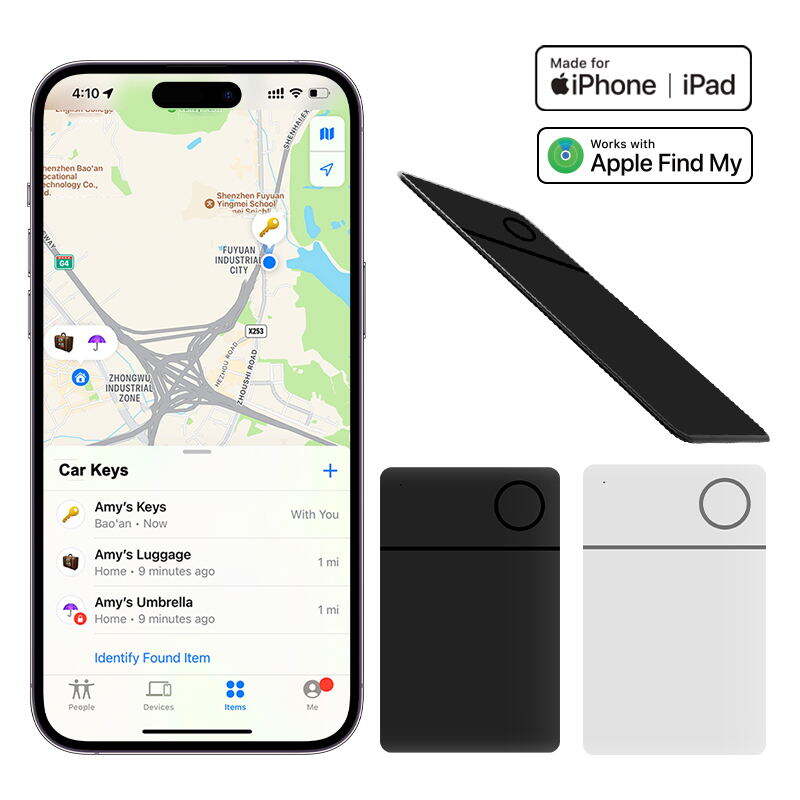
When businesses evaluate Android tracker solutions for bulk procurement, the decision extends far beyond unit cost. Organizations sourcing hundreds or thousands of tracking devices must prioritize features that ensure scalability, operational efficiency, and long-term compatibility with Android ecosystems. The right Android tracker configuration can streamline asset management across multiple facilities, reduce support overhead, and deliver measurable improvements in loss prevention. Understanding which technical specifications and functional capabilities matter most for volume deployments enables procurement teams to avoid costly mismatches between product capabilities and enterprise requirements.
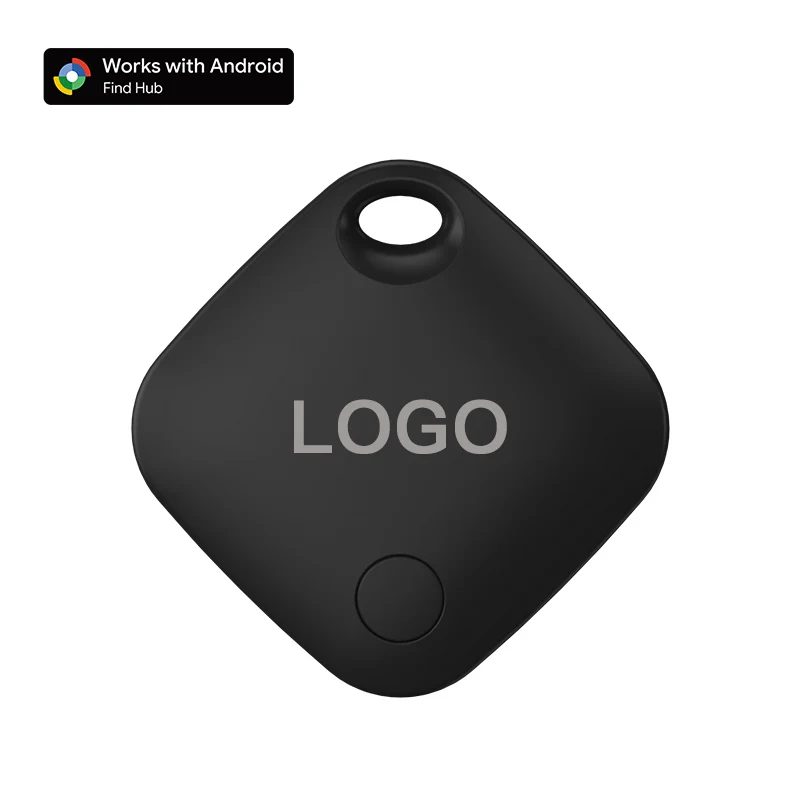
Bulk Android tracker purchases introduce unique considerations that differ substantially from consumer-grade individual purchases. Corporate buyers must assess how devices integrate with existing mobile device management systems, whether firmware can be centrally updated, and how replacement logistics function when deploying across distributed locations. The ideal feature set balances immediate tracking accuracy with administrative simplicity, ensuring that IT teams can provision devices efficiently while end users experience consistent performance. This comprehensive analysis examines the critical Android tracker features that drive value in high-volume procurement scenarios, helping organizations identify configurations that align with operational workflows and budgetary constraints.
Core Technical Specifications for Enterprise Android Tracker Deployments
Bluetooth Range and Signal Penetration Capabilities
For bulk Android tracker deployments, Bluetooth connectivity serves as the foundational technology enabling location detection. Enterprise buyers should prioritize devices offering extended Bluetooth Low Energy range, typically exceeding 100 meters in open environments. This extended range proves particularly valuable in warehouse settings, manufacturing facilities, and campus environments where assets may be spread across large physical areas. The signal penetration capability through walls and obstacles directly impacts tracking reliability in multi-floor buildings or dense storage environments where Android tracker units must maintain connectivity despite physical barriers.
Advanced Bluetooth chipsets in quality Android tracker models employ adaptive frequency hopping and improved antenna designs that enhance signal stability. When ordering in bulk, organizations benefit from specifying devices with Bluetooth 5.0 or newer standards, which deliver four times the range and eight times the broadcast capacity compared to earlier versions. This technical specification becomes critical when managing mixed environments where some Android tracker units may be attached to mobile equipment while others remain stationary, requiring the network to handle varying connection patterns without performance degradation.
Battery Architecture and Replacement Logistics
Battery longevity represents one of the most significant operational cost factors in large-scale Android tracker deployments. Enterprises should evaluate devices offering minimum 12-month battery life under typical usage patterns, with replaceable battery designs preferred for bulk orders. Non-replaceable battery configurations create logistical challenges when hundreds of units require simultaneous replacement, generating electronic waste and necessitating complete device swaps rather than simple battery changes. The Android tracker market increasingly offers units with standard CR2032 or similar coin cell batteries that maintenance teams can replace without specialized tools or technical expertise.
Power management algorithms significantly influence real-world battery performance in Android tracker applications. Devices featuring intelligent sleep modes and adaptive polling intervals can extend operational life substantially compared to units with fixed broadcast schedules. For bulk procurement, organizations should request detailed power consumption specifications across different usage scenarios, including active tracking, standby mode, and peak connection periods. This data enables accurate calculation of total cost of ownership across the expected deployment lifecycle, accounting for battery replacement labor and material costs that accumulate across large device populations.
Environmental Durability and Physical Form Factor
Physical resilience becomes paramount when Android tracker devices face diverse environmental conditions across enterprise operations. Bulk orders should specify IP rating requirements appropriate to deployment contexts, with IP67 or higher recommended for devices that may encounter moisture, dust, or incidental liquid exposure. The housing material and construction method determine whether Android tracker units can withstand repeated impacts, temperature fluctuations, and UV exposure in outdoor applications. Industrial-grade polymer casings with reinforced attachment points provide superior longevity compared to consumer-oriented designs optimized primarily for aesthetics.
Form factor standardization across bulk Android tracker orders simplifies accessory procurement and attachment strategies. Organizations deploying tracking devices across varied asset types benefit from modular designs that accept interchangeable mounting solutions, from adhesive backing to carabiner clips and key ring attachments. The dimensional consistency within a product line enables procurement teams to order mounting accessories in parallel with tracker devices, ensuring deployment teams have appropriate attachment hardware for different asset categories without requiring device-specific solutions for each tracking application.
Network Integration and Management Platform Features
Google Find My Device Ecosystem Compatibility
The integration depth with Google Find My Device network determines how effectively an Android tracker leverages the distributed location reporting infrastructure. For enterprise bulk orders, full compatibility with this crowdsourced network ensures that lost items can be located even when outside direct Bluetooth range of owned devices. The Android tracker must properly implement the Fast Pair protocol and encrypted location reporting to participate in the Find My Device network, enabling location updates from any compatible Android device in proximity, substantially expanding effective coverage area beyond organizational boundaries.
Enterprise deployments benefit from Android tracker devices that support organizational account structures within the Find My Device framework. This capability allows IT administrators to associate multiple tracking units with departmental or facility-level accounts rather than requiring individual employee Google accounts for each device. The administrative overhead reduction becomes substantial when managing hundreds of Android tracker units, as centralized account management enables bulk provisioning, device transfer between employees, and unified reporting across the entire tracking device population without individual account coordination.
Multi-Device Management Dashboard Capabilities
Scalable Android tracker deployments require robust management interfaces that extend beyond consumer-oriented single-device applications. Enterprise buyers should prioritize solutions offering web-based dashboards with multi-device views, filtering capabilities, and bulk configuration tools. The management platform should enable administrators to simultaneously update settings across device groups, assign trackers to specific assets or employees, and generate utilization reports that inform replacement cycles and deployment optimization. Advanced platforms provide API access enabling integration with existing asset management systems, creating unified tracking ecosystems that combine Android tracker data with other inventory management inputs.
Alert configuration flexibility becomes increasingly important as Android tracker deployments scale beyond pilot programs. Management platforms should support customizable notification rules based on device separation distance, geographic boundaries, or time-based parameters. For bulk deployments across multiple facilities, the ability to establish location-specific alert profiles prevents notification fatigue while ensuring critical separation events trigger appropriate responses. The management interface should also provide historical location data retention with exportable reports, enabling audit compliance and loss pattern analysis that inform security protocol improvements.
Firmware Update Mechanisms and Long-Term Support
The firmware update architecture directly impacts the supportability of Android tracker devices across multi-year deployment cycles. Enterprises should verify that bulk ordered devices support over-the-air firmware updates delivered through the companion application, eliminating the need for physical device collection and manual update procedures. The update mechanism should function across the entire registered device population simultaneously, ensuring consistent feature sets and security patch levels across all deployed Android tracker units without requiring staged update campaigns or individual device attention.
Vendor commitment to long-term firmware support represents a critical but often overlooked procurement consideration for bulk Android tracker orders. Organizations should request explicit support timelines detailing how long devices will receive security updates, feature enhancements, and compatibility patches for evolving Android operating system versions. This commitment protects the investment value of large-scale deployments, ensuring that devices remain functional and secure throughout their intended operational life rather than becoming obsolete due to discontinued software support shortly after procurement.
Customization and Deployment Efficiency Features
Branding and Visual Identification Options
Bulk Android tracker orders frequently benefit from customization options that facilitate visual identification and reinforce organizational branding. Many manufacturers offer engraving services, custom color options, or printed labeling for volume orders, enabling organizations to differentiate device populations by department, facility, or asset category. This visual coding simplifies device distribution during deployment and helps employees quickly identify Android tracker units designated for specific purposes, reducing mix-ups in environments where multiple tracker types may be in use simultaneously.
Beyond aesthetic considerations, customization capabilities extend to pre-configuration services that significantly reduce deployment workload. Some suppliers offer bulk Android tracker orders with devices pre-associated to organizational accounts, eliminating the individual pairing process for each unit during rollout. This factory-level configuration ensures consistent setup parameters across the entire device population and allows deployment teams to distribute Android tracker units immediately upon receipt without requiring technical setup procedures at each distribution point, dramatically accelerating enterprise-wide rollout timelines.
Packaging and Distribution Logistics for Volume Orders
The packaging approach for bulk Android tracker shipments influences both deployment efficiency and environmental impact. Enterprise buyers should specify packaging configurations optimized for internal redistribution rather than individual retail presentation. Consolidated packaging with multiple devices per box reduces material waste and simplifies inventory management when distributing Android tracker units across multiple locations. Clear labeling systems indicating device quantities, model specifications, and configuration status enable receiving teams to quickly sort and allocate shipments without opening individual packages unnecessarily.
Distribution kits that combine Android tracker devices with appropriate accessories streamline deployment workflows and ensure consistent user experience across the organization. Bulk orders packaged with attachment hardware, quick-start guides, and optional carrying cases create complete solutions that eliminate the need for separate accessory procurement and coordination. This integrated approach proves particularly valuable when deploying across distributed facilities where local teams may lack technical expertise for selecting appropriate accessories, ensuring that every Android tracker installation includes necessary components for successful implementation from the initial deployment.
Training Resources and Documentation for Large Teams
Comprehensive training materials become essential when deploying Android tracker technology across organizations with varied technical literacy levels. Suppliers serving bulk orders should provide scalable training resources including video tutorials, printable quick-reference guides, and administrator documentation that IT teams can leverage for internal training programs. The documentation should address both end-user scenarios, such as basic tracking and alert management, and administrative functions including device provisioning, account management, and troubleshooting common issues that support teams will encounter.
For large-scale Android tracker deployments, access to dedicated technical support channels accelerates issue resolution and reduces internal support burden. Enterprise procurement agreements should specify support response times, available communication channels, and escalation procedures for critical issues affecting multiple devices. Some suppliers offer onboarding assistance or on-site training for bulk orders exceeding specific quantity thresholds, providing valuable knowledge transfer that empowers internal teams to manage the Android tracker deployment independently following initial implementation.
Security, Privacy, and Compliance Considerations
Data Encryption and Privacy Protection Standards
Enterprise Android tracker deployments must implement robust security measures protecting location data from unauthorized access. Devices selected for bulk orders should employ end-to-end encryption for location reporting, ensuring that position data remains protected during transmission through crowdsourced networks. The encryption implementation should meet current industry standards with regular security audits and rapid vulnerability patching when issues are identified. Organizations in regulated industries should verify that Android tracker security architectures align with sector-specific data protection requirements before committing to large-scale procurement.
Privacy considerations extend beyond technical encryption to encompass data retention policies and access controls. The management platform accompanying bulk Android tracker deployments should provide granular permission settings enabling organizations to restrict location data access to authorized personnel only. Clear data retention policies specifying how long historical location information is stored and under what circumstances it may be accessed protect both organizational interests and individual privacy rights. For deployments involving asset tracking rather than personal item monitoring, the system should support anonymous device identification preventing association between Android tracker units and specific individuals.
Regulatory Compliance and Industry Certifications
Regulatory compliance verification becomes critical when procuring Android tracker devices in bulk quantities for enterprise use. Organizations should confirm that devices carry appropriate certifications for target deployment regions, including FCC approval for United States operations, CE marking for European markets, and relevant certifications for other jurisdictions. These regulatory approvals ensure that Android tracker units meet electromagnetic compatibility standards and radio frequency exposure limits, protecting organizations from potential compliance violations that could arise from deploying uncertified wireless devices across facilities.
Industry-specific certifications may be required depending on operational context and tracking applications. Healthcare organizations deploying Android tracker devices in clinical environments should verify biocompatibility testing and cleaning protocol compatibility. Manufacturing facilities with explosive atmosphere classifications require intrinsically safe device certifications before Android tracker units can be deployed in hazardous locations. Transportation and logistics companies may need devices meeting specific shock and vibration standards documented through formal testing protocols. Identifying these specialized requirements during the procurement phase prevents costly device replacement when standard commercial Android tracker models prove incompatible with operational environments.
Anti-Theft and Unwanted Tracking Prevention
Modern Android tracker devices incorporate anti-stalking features designed to prevent misuse for unauthorized tracking of individuals. Enterprise deployments must understand how these protective mechanisms function to ensure they do not interfere with legitimate asset tracking applications. The Android tracker should implement the industry-standard unknown tracker alerts that notify nearby Android device users of potentially suspicious tracking devices, while providing mechanisms for authorized users to designate specific trackers as known and trusted, suppressing nuisance alerts for organizational deployments.
Organizations deploying Android tracker technology for asset management should establish clear usage policies and employee communication protocols addressing tracking device purposes and limitations. Transparency regarding which assets are tracked, how location data is used, and who has access to tracking information builds trust and ensures compliance with workplace privacy expectations. The policy framework should address scenarios where employees may need to temporarily separate tracked assets from their personal devices, such as during personal time or when taking equipment home, ensuring that anti-theft features do not create unnecessary alerts while maintaining security for valuable organizational assets.
Total Cost Analysis and Value Optimization
Beyond Unit Price: Calculating True Deployment Costs
Effective bulk Android tracker procurement requires comprehensive cost analysis extending beyond initial device purchase prices. Organizations should construct total cost of ownership models incorporating deployment labor, training expenses, accessory costs, and ongoing battery replacement expenses across the anticipated device lifecycle. The calculation should also account for management platform subscription fees if the Android tracker system requires ongoing service payments for premium features, multi-device management capabilities, or extended data retention beyond basic functionality included with device purchase.
Hidden costs frequently emerge in areas such as replacement device logistics and support infrastructure requirements. Organizations should evaluate supplier warranty terms, replacement device availability, and advance replacement programs that minimize downtime when individual Android tracker units fail. The support model should clarify whether defective device returns require individual shipping or can be batched, as shipping costs for warranty claims across hundreds of devices can substantially impact total program expenses. Suppliers offering dedicated account management for bulk orders provide value through streamlined support processes that reduce internal administrative burden associated with managing large device populations.
Volume Pricing Structures and Procurement Timing
Android tracker suppliers typically offer tiered pricing structures with volume discounts activating at specific quantity thresholds. Organizations should understand these break points and evaluate whether phased procurement or consolidated single orders deliver better overall value. In some cases, committing to larger initial orders secures more favorable per-unit pricing even if immediate deployment requirements are lower, particularly when storage costs are minimal and future expansion is planned. However, rapid technology evolution in the Android tracker market may favor smaller initial orders with options for future procurement at newer specifications rather than locking in large quantities of devices that may become outdated within the deployment lifecycle.
Procurement timing considerations extend beyond price optimization to encompass product availability and manufacturing lead times. Organizations planning large-scale Android tracker deployments should engage suppliers early in the budgeting cycle to understand production capacity and customization timelines for bulk orders. Custom branding, pre-configuration services, and specialized packaging requirements may extend manufacturing timelines substantially compared to standard catalog orders. Strategic buyers build buffer time into deployment schedules accounting for these extended lead times while maintaining flexibility to adjust order quantities based on pilot program results or changing organizational requirements.
Scalability and Future Expansion Planning
Successful Android tracker deployments anticipate future expansion requirements and select technologies that support incremental growth without requiring wholesale system replacement. Organizations should verify that chosen devices and management platforms support seamless addition of new units to existing deployments, maintaining consistent user experience and administrative interfaces as device populations grow. The technical architecture should accommodate mixing device generations within the same management framework, enabling organizations to refresh portions of the Android tracker population over time without disrupting established workflows or requiring parallel management systems.
Long-term value optimization includes establishing vendor relationships that support ongoing organizational needs beyond initial bulk procurement. Preferred supplier agreements can secure consistent pricing for future orders, priority access to new product releases, and enhanced support terms that recognize the strategic importance of large deployment partnerships. Organizations should negotiate framework agreements outlining terms for future Android tracker purchases, including pricing protection mechanisms, minimum order flexibility, and upgrade pathways as technology evolves, creating predictable procurement processes that simplify budgeting and planning for multi-year tracking technology roadmaps.
FAQ
What minimum order quantity typically qualifies as a bulk Android tracker purchase?
Bulk order thresholds vary by supplier, but volume pricing typically begins at 50-100 units for most Android tracker manufacturers. Enterprise-focused suppliers may offer customization services and dedicated account management starting at 200-500 units, while truly large-scale deployments exceeding 1,000 devices often unlock additional negotiation opportunities for pricing, customization, and support terms. Organizations should directly engage suppliers to understand specific volume thresholds and associated benefits for their particular requirements.
Can Android tracker devices be centrally managed across multiple organizational locations?
Yes, enterprise-grade Android tracker solutions provide centralized management capabilities supporting multi-location deployments through cloud-based administration platforms. These systems enable IT teams to provision devices, configure settings, and monitor tracking status across distributed facilities from a unified interface. The management architecture should support hierarchical organizational structures allowing facility-level administrators to manage local devices while corporate teams maintain visibility and control across the entire deployment, accommodating varied operational models and governance requirements.
How do firmware updates work for large populations of Android tracker devices?
Quality Android tracker systems deliver firmware updates through over-the-air mechanisms initiated via the companion mobile application or management dashboard. When updates become available, administrators can review release notes and deploy updates across device populations, with updates occurring automatically when tracked devices come within Bluetooth range of registered smartphones running current application versions. This distributed update model eliminates the need to physically collect devices for firmware maintenance, though update completion across large deployments may require several days as devices periodically connect with user smartphones.
What happens to Android tracker functionality if the manufacturing company discontinues the product?
Product discontinuation impacts depend on the Android tracker architecture and ecosystem integration depth. Devices fully integrated with Google Find My Device network maintain basic tracking functionality through the standard Android platform even if manufacturer-specific applications cease development, though advanced features requiring proprietary infrastructure may become unavailable. Organizations mitigate this risk by prioritizing Android tracker models with strong ecosystem integration, requesting explicit support timeline commitments during procurement, and negotiating terms addressing vendor obligations if products are discontinued within specified periods following bulk purchases.
Table of Contents
- Core Technical Specifications for Enterprise Android Tracker Deployments
- Network Integration and Management Platform Features
- Customization and Deployment Efficiency Features
- Security, Privacy, and Compliance Considerations
- Total Cost Analysis and Value Optimization
-
FAQ
- What minimum order quantity typically qualifies as a bulk Android tracker purchase?
- Can Android tracker devices be centrally managed across multiple organizational locations?
- How do firmware updates work for large populations of Android tracker devices?
- What happens to Android tracker functionality if the manufacturing company discontinues the product?