 EN
EN

Modern businesses face increasing challenges in managing their assets, equipment, and workforce mobility across diverse operational environments. As organizations seek more efficient tracking solutions, android trackers have emerged as powerful tools that leverage the widespread Android ecosystem to deliver comprehensive business tracking capabilities. These sophisticated devices integrate seamlessly with existing Android infrastructure, providing businesses with real-time visibility and control over their critical resources.
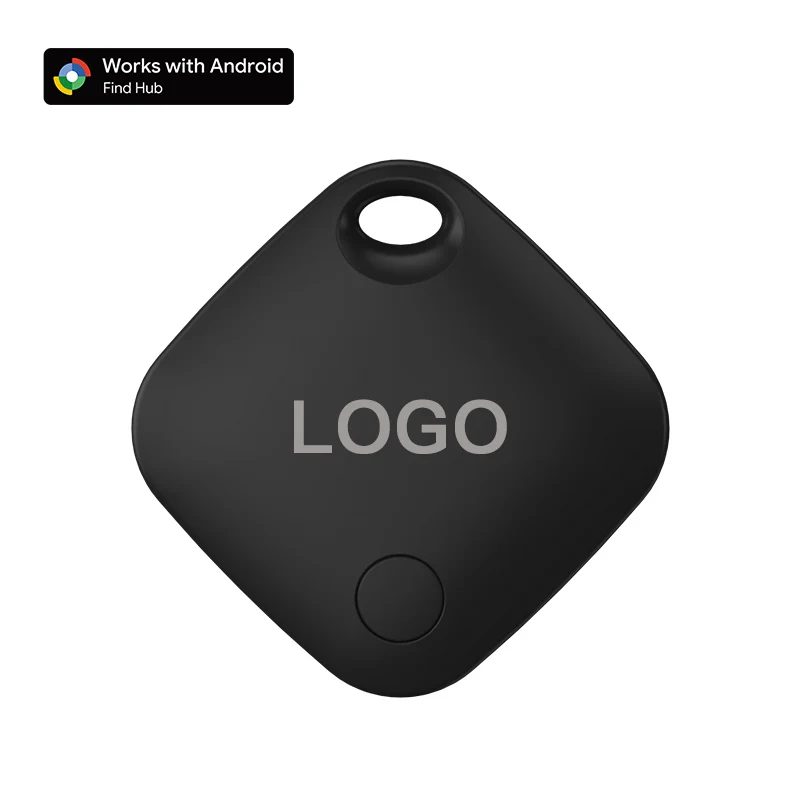
The adoption of android trackers in business environments represents a strategic shift toward more intelligent asset management systems. Unlike traditional tracking methods, these devices harness the power of Google's Find My network and Android's native tracking protocols to offer businesses unprecedented accuracy, reliability, and integration possibilities. Understanding the specific advantages these solutions provide can help organizations make informed decisions about implementing tracking technology that aligns with their operational objectives and existing technology infrastructure.
Enhanced Integration with Existing Android Infrastructure
Seamless Device Ecosystem Compatibility
Android trackers offer exceptional compatibility advantages for businesses already operating within the Android ecosystem. These devices automatically integrate with existing Android smartphones, tablets, and enterprise mobility management systems without requiring extensive configuration or additional software installations. The native integration means that employees can immediately begin using tracking capabilities through familiar Android interfaces, reducing training time and improving adoption rates across the organization.
The ecosystem compatibility extends to enterprise-grade Android applications and fleet management platforms commonly used in business environments. Android trackers can share data seamlessly with inventory management systems, customer relationship management platforms, and other business-critical applications through standardized Android APIs. This integration capability eliminates data silos and creates more comprehensive visibility across business operations.
Furthermore, businesses benefit from the automatic updates and security enhancements that come with Android's regular system updates. Android trackers receive these improvements automatically, ensuring that tracking infrastructure remains current with the latest security protocols and performance optimizations without requiring manual intervention from IT departments.
Enterprise Mobility Management Integration
Corporate android trackers integrate effectively with enterprise mobility management solutions, allowing IT administrators to manage tracking devices alongside other corporate mobile assets. This centralized management approach enables consistent policy enforcement, security configuration, and usage monitoring across all tracking devices deployed within the organization. The ability to manage android trackers through existing EMM platforms reduces administrative overhead and ensures compliance with corporate security standards.
The integration also supports advanced features like remote device management, automatic software updates, and centralized configuration deployment. Businesses can establish tracking policies once and deploy them across multiple android trackers simultaneously, ensuring consistent behavior and reducing the complexity of managing large tracker deployments across different departments or geographic locations.
Advanced Location Accuracy and Network Coverage
Google Find My Network Leveraging
Android trackers gain significant location accuracy advantages by leveraging Google's extensive Find My network, which utilizes millions of Android devices worldwide as detection points. This crowdsourced approach means that even when android trackers are outside direct cellular or Wi-Fi coverage, they can still be located through nearby Android devices that detect their Bluetooth signals and relay location information to the tracking system.
The network effect provides businesses with location capabilities that extend far beyond traditional GPS-only solutions. In urban environments, dense concentrations of Android devices create virtually continuous coverage that can pinpoint android trackers with remarkable precision. This advantage proves particularly valuable for businesses operating in complex environments like large office buildings, warehouses, or urban delivery routes where GPS signals may be unreliable.
The privacy-focused design of Google's Find My network ensures that location data remains secure while still providing businesses with the tracking accuracy they require. The system uses encrypted communication protocols and anonymous device identification, meeting enterprise privacy requirements while delivering comprehensive location services that support business tracking needs.
Multi-Modal Location Technology Integration
Modern android trackers combine multiple location technologies to provide superior accuracy across diverse operating environments. These devices integrate GPS, cellular triangulation, Wi-Fi positioning, and Bluetooth proximity detection to create robust location solutions that adapt to changing conditions. When one positioning method becomes unavailable, android trackers automatically switch to alternative location technologies, ensuring continuous tracking capability.
The multi-modal approach proves especially beneficial for businesses with assets that move between indoor and outdoor environments. Android trackers can maintain accurate positioning when transitioning from GPS-covered outdoor areas to Wi-Fi and Bluetooth-dependent indoor spaces, providing uninterrupted tracking visibility that supports comprehensive asset management strategies.
Cost-Effective Scalability and Deployment
Reduced Infrastructure Requirements
Android trackers offer significant cost advantages by utilizing existing Android infrastructure rather than requiring proprietary tracking networks or specialized hardware installations. Businesses can deploy android trackers without investing in dedicated cellular plans, proprietary software licenses, or custom hardware infrastructure. The devices leverage the Android ecosystem's existing connectivity and application framework, dramatically reducing the total cost of ownership for enterprise tracking solutions.
The infrastructure efficiency extends to maintenance and support requirements as well. Android trackers benefit from the widespread availability of Android technical expertise within most IT departments, eliminating the need for specialized training or external support contracts. This familiarity factor reduces both deployment time and ongoing operational costs compared to proprietary tracking systems that require specialized knowledge and vendor-specific support arrangements.
Additionally, the standardized nature of Android tracking protocols means that businesses can source android trackers from multiple vendors while maintaining compatibility with their existing systems. This vendor flexibility creates competitive pricing opportunities and reduces the risk of vendor lock-in situations that can increase long-term tracking solution costs.
Flexible Scaling Options
The Android ecosystem provides businesses with flexible scaling options that can accommodate growth without requiring complete system replacements. Organizations can start with small pilot deployments of android trackers and gradually expand their tracking capabilities as needs evolve and budgets allow. The consistent Android platform ensures that new tracker deployments integrate seamlessly with existing installations, maintaining operational continuity during scaling phases.
Scaling advantages also include the ability to deploy different types of android trackers for various use cases while maintaining unified management and reporting capabilities. Businesses can use compact android trackers for small asset tracking, ruggedized versions for harsh environmental conditions, and specialized variants for specific industry requirements, all managed through consistent Android-based interfaces and reporting systems.
Enhanced Security and Privacy Controls
Enterprise-Grade Security Features
Android trackers incorporate enterprise-grade security features that meet business data protection requirements while providing comprehensive tracking capabilities. These devices utilize Android's built-in security architecture, including encrypted data transmission, secure boot processes, and regular security updates that protect against emerging threats. The security framework ensures that tracking data remains protected throughout the collection, transmission, and storage process.
The security advantages extend to access control and user authentication features that allow businesses to restrict tracking data access to authorized personnel only. Android trackers can integrate with existing corporate authentication systems, including single sign-on solutions and multi-factor authentication requirements, ensuring that tracking information remains accessible only to appropriate business users.
Advanced android trackers also provide audit trail capabilities that track who accessed tracking data, when access occurred, and what actions were performed. This auditing functionality supports compliance requirements and helps businesses maintain accountability for tracking data usage across their organizations.
Privacy Compliance and Data Control
Modern android trackers incorporate privacy controls that help businesses comply with data protection regulations while maintaining effective tracking capabilities. These devices provide granular controls over data collection, storage duration, and sharing permissions, allowing businesses to tailor tracking behavior to meet specific compliance requirements across different jurisdictions and industry regulations.
The privacy architecture also includes features like automatic data anonymization, configurable retention policies, and secure data deletion capabilities that help businesses manage tracking data responsibly. Android trackers can be configured to automatically remove identifying information from historical tracking data while preserving the operational insights that businesses require for asset management and process optimization.
Advanced Analytics and Business Intelligence Integration
Real-Time Data Processing and Insights
Android trackers provide businesses with sophisticated analytics capabilities that transform raw location data into actionable business insights. These devices can process tracking information in real-time, generating alerts, reports, and trend analyses that support immediate decision-making and long-term strategic planning. The analytics capabilities extend beyond simple location tracking to include movement patterns, utilization rates, and efficiency metrics that help businesses optimize their operations.
The real-time processing capabilities enable android trackers to trigger automated responses based on predefined business rules and conditions. For example, tracking systems can automatically generate alerts when assets move outside designated areas, notify managers when equipment utilization falls below expected thresholds, or initiate workflow processes when tracking data indicates specific business conditions.
Advanced android trackers also provide predictive analytics capabilities that help businesses anticipate maintenance needs, optimize resource allocation, and identify potential operational improvements. By analyzing historical tracking data and identifying patterns, these systems can generate recommendations that support proactive business management and strategic decision-making.
Business Intelligence Platform Integration
The compatibility of android trackers with popular business intelligence platforms enables organizations to incorporate tracking data into comprehensive analytical frameworks. These integrations allow businesses to combine tracking information with other operational data sources, creating holistic views of business performance that support data-driven decision-making across multiple departments and functional areas.
Integration capabilities extend to popular BI tools like Power BI, Tableau, and Google Analytics, allowing businesses to leverage existing analytical expertise and infrastructure. Android trackers can export data in standard formats that integrate seamlessly with these platforms, enabling businesses to create custom dashboards, reports, and visualizations that align with their specific analytical requirements and organizational reporting standards.
FAQ
How do android trackers integrate with existing business systems?
Android trackers integrate with existing business systems through standardized APIs and Android's native connectivity features. They can connect directly to enterprise mobility management platforms, inventory systems, and other business applications without requiring custom integration development. The devices leverage existing Android infrastructure and can share data through established protocols that most business systems already support, making integration straightforward and cost-effective.
What makes android trackers more cost-effective than proprietary tracking solutions?
Android trackers offer cost advantages by utilizing existing Android ecosystem infrastructure rather than requiring proprietary networks or specialized hardware. Businesses avoid subscription fees for proprietary tracking networks, specialized software licenses, and custom hardware installations. Additionally, the widespread availability of Android technical expertise reduces training and support costs, while the competitive market for Android-compatible devices creates favorable pricing conditions for businesses.
How do android trackers ensure data security and privacy compliance?
Android trackers incorporate enterprise-grade security features including encrypted data transmission, secure authentication protocols, and regular security updates. They integrate with existing corporate security systems and provide granular privacy controls that help businesses comply with data protection regulations. The devices offer configurable data retention policies, automatic anonymization features, and comprehensive audit trails that support compliance requirements across different industries and jurisdictions.
Can android trackers provide accurate location data in challenging environments?
Yes, android trackers use multi-modal location technologies including GPS, cellular triangulation, Wi-Fi positioning, and Bluetooth proximity detection to maintain accuracy across diverse environments. They leverage Google's Find My network, which utilizes millions of Android devices as detection points, providing coverage even in areas with limited GPS or cellular connectivity. This combination ensures reliable location data whether assets are indoors, outdoors, or transitioning between different environments.
Table of Contents
- Enhanced Integration with Existing Android Infrastructure
- Advanced Location Accuracy and Network Coverage
- Cost-Effective Scalability and Deployment
- Enhanced Security and Privacy Controls
- Advanced Analytics and Business Intelligence Integration
-
FAQ
- How do android trackers integrate with existing business systems?
- What makes android trackers more cost-effective than proprietary tracking solutions?
- How do android trackers ensure data security and privacy compliance?
- Can android trackers provide accurate location data in challenging environments?