
 EN
EN
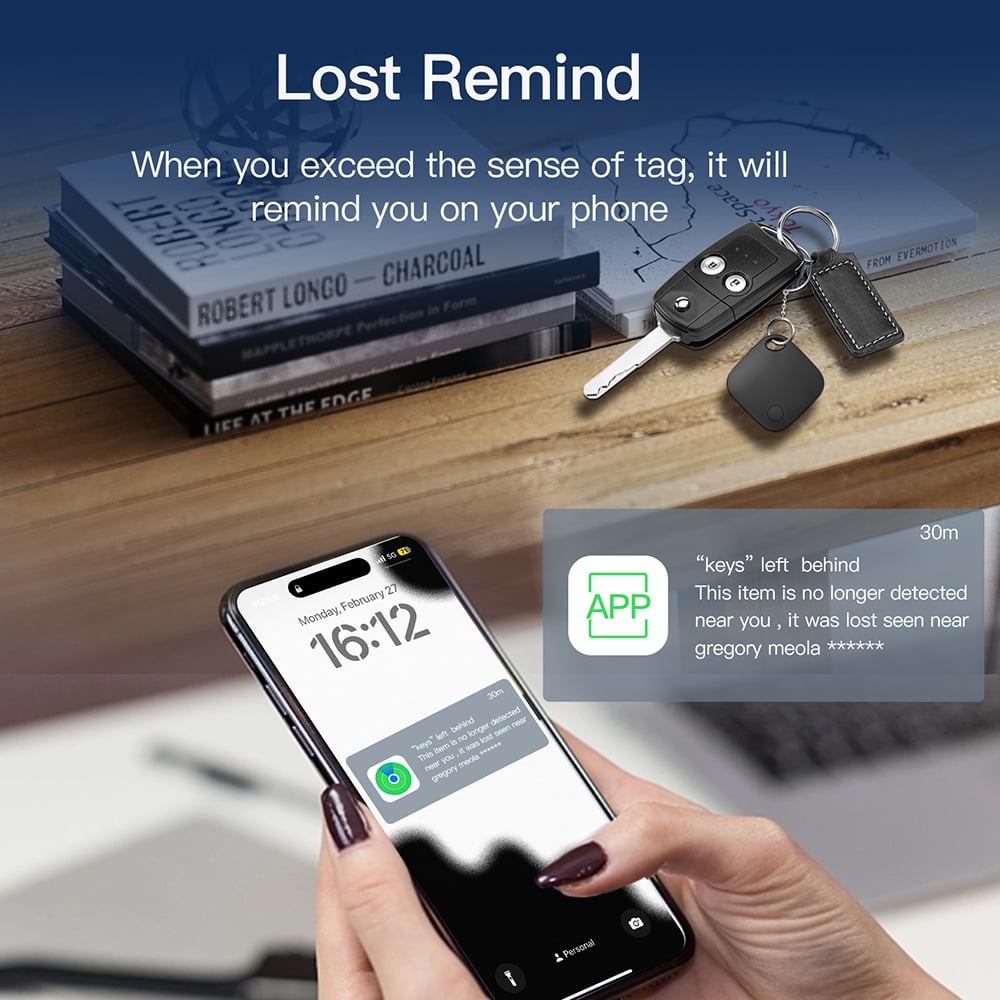
In today's competitive retail landscape, certified smart tags have become a critical procurement decision for B2B buyers. Whether managing large product inventories, reducing shrinkage, or improving customer satisfaction, certified smart tags deliver measurable strategic value that uncertified alternatives simply cannot match. For retail buyers evaluating sourcing options, understanding why certification matters is the first step toward smarter purchasing decisions.
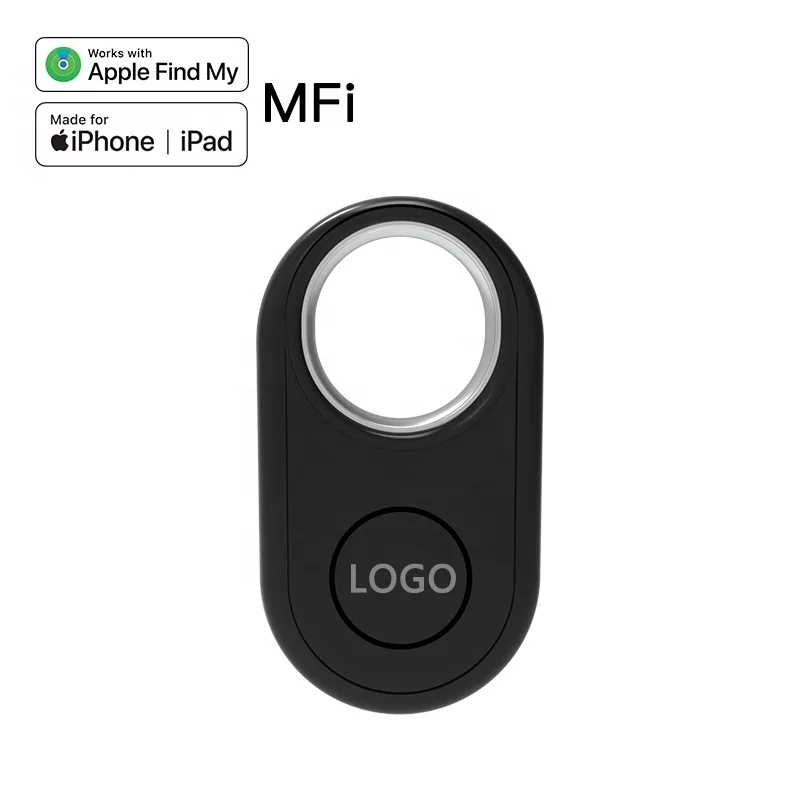
Certified smart tags are not simply tracking devices with a label. They carry verified compliance, hardware quality assurances, and ecosystem compatibility that directly affect how well they perform in demanding retail environments. As B2B procurement teams face growing pressure to reduce operational risk while improving efficiency, sourcing certified smart tags has evolved from a preference into a strategic necessity.
Why Certification Defines Value in Retail Tracking
The Role of Compliance in B2B Sourcing
When retail operations depend on tracking assets, inventory items, or customer-facing products, certified smart tags provide a foundation of reliability that non-certified devices cannot guarantee. Certification standards, such as Apple's MFi program, ensure that certified smart tags meet strict hardware and software requirements before reaching the market. For B2B buyers, this means fewer product failures, reduced return rates, and lower total cost of ownership over time.
Certified smart tags also reduce procurement risk by confirming that devices have passed independent testing. This verification protects buyers from receiving substandard hardware that may perform inconsistently in real-world retail environments. When sourcing at scale, even a small percentage of device failures can create significant disruptions, making the compliance assurance behind certified smart tags an important financial consideration.
Ecosystem Compatibility and Platform Integration
One of the most commercially important aspects of certified smart tags is their guaranteed compatibility with major consumer platforms. MFi certified smart tags, for example, integrate directly with Apple's Find My network, giving retailers access to a vast location-tracking infrastructure without requiring proprietary hardware or additional software investment. This compatibility makes certified smart tags immediately deployable in retail environments where Apple devices are prevalent among staff and customers alike.
Certified smart tags eliminate the integration friction that frequently accompanies non-certified tracking solutions. Because certified smart tags have been validated against platform specifications, IT and operations teams spend less time troubleshooting connectivity issues and more time focusing on core retail functions. For B2B buyers managing multiple store locations or distribution channels, this standardized compatibility translates directly into operational efficiency gains.
Supply Chain and Inventory Management Benefits
Accuracy and Real-Time Visibility
In retail supply chains, accurate asset visibility is essential for reducing loss and maintaining stock accuracy. Certified smart tags give procurement and logistics teams real-time location data that supports faster receiving, more accurate stock counts, and quicker identification of misplaced items. Because certified smart tags operate within established tracking networks, their location data is more consistently reliable than that from unverified devices.
Retailers using certified smart tags across warehouses and store floors report improved inventory accuracy and faster cycle count completion. The precision offered by certified smart tags reduces the time staff spend searching for misplaced stock, which directly contributes to labor cost savings. At enterprise scale, these efficiency gains from certified smart tags compound quickly across multiple locations and product categories.
Reducing Shrinkage and Operational Loss
Shrinkage is one of the most persistent cost challenges in B2B retail. Certified smart tags provide a cost-effective deterrent and recovery tool by attaching verifiable location tracking to high-value items. Unlike basic security tags, certified smart tags actively report location data, allowing loss prevention teams to act on real-time intelligence rather than discovering losses after the fact.
The anti-lost functionality built into certified smart tags means that items moved outside designated zones trigger alerts, enabling faster response before inventory disappears from the supply chain. For B2B retailers sourcing certified smart tags at volume, the reduction in shrinkage costs can offset procurement investment within a relatively short operational period. This makes certified smart tags not just a tracking tool, but a genuine profit-protection asset.
Building Customer Trust and Brand Reliability
Certified Smart Tags as a Customer-Facing Value Proposition
Beyond internal operations, certified smart tags offer significant value as a customer-facing feature. Retailers who include certified smart tags with luggage, wallets, key accessories, or other trackable products elevate the perceived quality of their offering. Customers recognize and trust certified products, and this trust transfers to the retail brand that supplies them.
When a retail buyer sources certified smart tags for inclusion with retail products or as standalone accessories, the MFi certification mark signals authenticity to end consumers. This reduces the risk of negative customer experiences related to device incompatibility or poor tracking performance. In a market where product returns are costly, providing certified smart tags as part of a retail offering can measurably reduce post-sale service burden.
Long-Term Supplier Relationships and Quality Consistency
Sourcing certified smart tags also strengthens the reliability of supplier relationships. Certified smart tags come from manufacturers who have invested in formal quality processes and certification audits. This investment signals supplier seriousness and long-term stability, which are important considerations when selecting partners for recurring B2B procurement.
B2B retail buyers who standardize on certified smart tags reduce the variability in product quality that often accompanies uncertified sourcing. Consistent certified smart tags across procurement cycles mean predictable performance, easier staff training, and fewer escalations due to device inconsistency. Over time, this consistency supports stronger operational planning and more accurate budgeting for asset tracking programs.
FAQ
What makes certified smart tags different from standard tracking tags?
Certified smart tags have passed verified compliance testing against specific hardware and software standards, such as Apple's MFi program. Standard tags lack this verification, which can result in compatibility issues, inconsistent tracking performance, and higher failure rates in demanding retail environments.
Are certified smart tags cost-effective for large-scale B2B retail procurement?
Yes. While certified smart tags may carry a slightly higher unit cost than non-certified alternatives, their lower failure rates, reduced return handling, shrinkage prevention capabilities, and compatibility assurances deliver a strong total cost of ownership advantage at scale. Most B2B buyers find that certified smart tags pay for the cost difference through operational savings.
Can certified smart tags be used across multiple retail categories?
Absolutely. Certified smart tags are versatile and suitable for use with luggage, wallets, key accessories, retail fixtures, and warehouse assets. Their compact design and ecosystem compatibility make certified smart tags adaptable across a wide range of retail applications, from loss prevention to customer-product bundling programs.