
 EN
EN
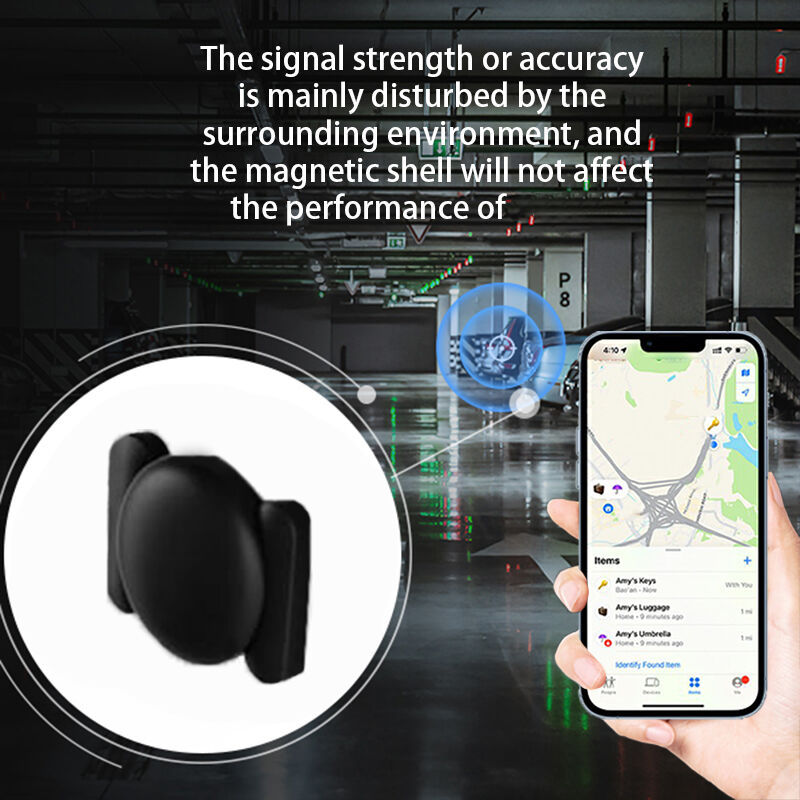
Enterprise product portfolios face constant pressure to evolve with consumer demand, technological innovation, and market differentiation. As businesses across retail, consumer electronics, logistics, and pet care sectors seek high-margin, scalable solutions, pet trackers have emerged as a strategic addition that bridges hardware innovation, software integration, and recurring service models. These compact devices leverage GPS, Bluetooth, and cellular connectivity to monitor pet locations in real time, addressing a universal concern among pet owners while offering enterprises a gateway into the Internet of Things ecosystem. By incorporating pet trackers into their product lines, enterprises can access growing consumer markets, enhance brand positioning, and unlock new revenue streams through both hardware sales and subscription-based tracking services.
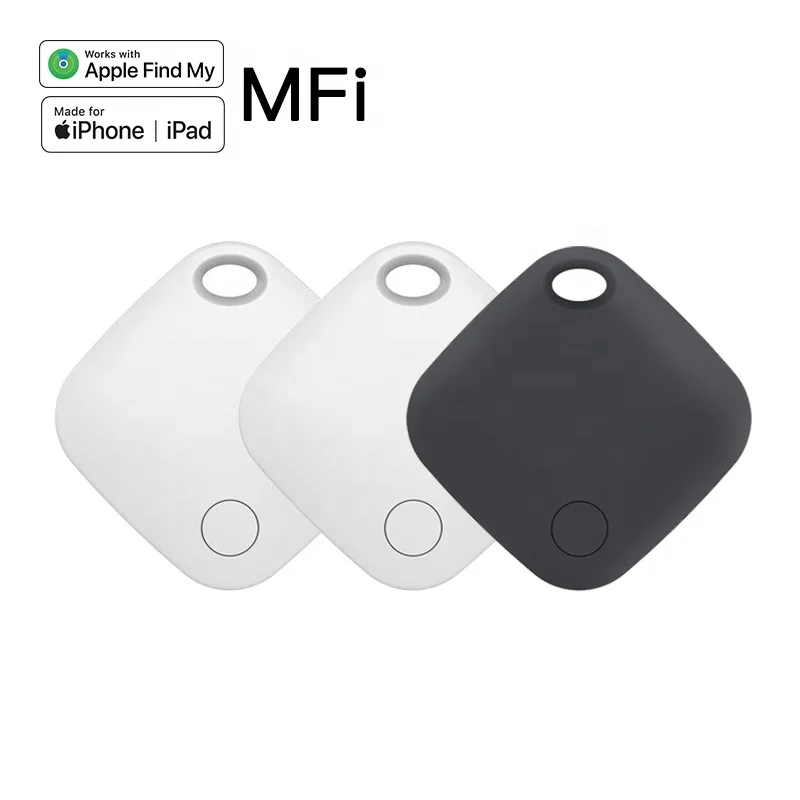
The strategic value of pet trackers extends beyond simple product expansion. For enterprises managing diverse portfolios, these devices represent a convergence of consumer emotional engagement, technological sophistication, and data-driven business models. Pet ownership continues to rise globally, with millions of households treating pets as family members and investing in their safety and well-being. This creates a fertile market for enterprises that can deliver reliable, user-friendly tracking solutions. Furthermore, pet trackers offer enterprises opportunities to develop ecosystem lock-in through companion mobile applications, cloud-based analytics, and integration with smart home platforms. Understanding how pet trackers can be positioned, differentiated, and monetized within an enterprise portfolio requires examining their technical capabilities, market dynamics, customer psychology, and alignment with broader business objectives.
Strategic Market Positioning Through Pet Trackers
Addressing High-Growth Consumer Segments
Pet trackers tap into a demographic characterized by strong purchasing power and emotional investment in pet welfare. Modern pet owners, particularly millennials and Gen Z consumers, prioritize technology-enabled solutions that provide peace of mind and enhance their caregiving capabilities. Enterprises that add pet trackers to their portfolios can target this affluent, tech-savvy segment that actively seeks innovative products. The global pet care market has shown consistent growth, with tracking devices representing one of the fastest-expanding categories within pet technology. By entering this space, enterprises position themselves at the intersection of consumer electronics and pet care, two industries demonstrating resilience even during economic downturns.
The appeal of pet trackers extends across urban and suburban markets where pet theft, straying, and loss present genuine concerns. Enterprises can leverage this universal anxiety to create compelling value propositions centered on safety, recovery, and real-time monitoring. Unlike discretionary pet accessories, tracking devices address fundamental needs, making them less vulnerable to market fluctuations. For enterprises with existing distribution networks in retail, e-commerce, or specialty pet stores, integrating pet trackers requires minimal infrastructure investment while opening channels to cross-sell complementary products such as collars, subscription services, and insurance partnerships.
Differentiation Through Technology Integration
Enterprises seeking competitive advantage can differentiate their pet trackers through advanced feature sets that go beyond basic location monitoring. Modern pet trackers incorporate health monitoring sensors, activity tracking, geofencing capabilities, and multi-device management within single platforms. By embedding these features, enterprises transform simple tracking devices into comprehensive pet wellness tools, justifying premium pricing and fostering customer loyalty. The integration of artificial intelligence enables predictive analytics that alert owners to unusual behavior patterns, potential health issues, or escape attempts before they occur, adding layers of value that competitors may lack.
Furthermore, enterprises can enhance their product portfolios by ensuring pet trackers integrate seamlessly with existing smart home ecosystems and mobile platforms. Compatibility with voice assistants, smart locks, and home security systems creates a unified experience that appeals to technology-forward consumers. For enterprises already operating in adjacent markets such as home automation, fitness wearables, or mobile accessories, pet trackers represent a natural portfolio extension that leverages existing technological infrastructure and customer relationships. This integration strategy reduces development costs while maximizing the perceived value of the enterprise's broader ecosystem.
Building Brand Equity in Emerging Categories
Entering the pet tracker market early allows enterprises to establish brand recognition in a category still forming consumer preferences and loyalty patterns. Unlike saturated markets where incumbents dominate, the pet tracking space remains fragmented with opportunities for new entrants to capture meaningful market share. Enterprises that invest in superior design, reliable performance, and exceptional customer support can build reputations as trusted partners in pet safety. This brand equity extends beyond pet trackers, enhancing the enterprise's overall market positioning and creating halo effects that benefit other products in the portfolio.
Brand differentiation in pet trackers can be achieved through storytelling that emphasizes specific use cases, such as adventure tracking for outdoor enthusiasts, senior pet monitoring for elderly animals, or multi-pet management for households with several animals. Enterprises can segment their offerings to address distinct customer needs, creating specialized product lines that command premium pricing while avoiding direct competition with mass-market alternatives. This strategic positioning enables enterprises to cultivate passionate customer communities, generate user-generated content, and benefit from word-of-mouth marketing that reduces customer acquisition costs over time.
Revenue Model Innovation and Recurring Income
Subscription Services as Predictable Cash Flow
One of the most compelling reasons enterprises integrate pet trackers into their portfolios is the opportunity to establish recurring revenue streams through subscription-based tracking services. Unlike one-time hardware sales, subscriptions provide predictable, scalable income that improves financial stability and enterprise valuation. Pet trackers typically require cellular or GPS connectivity, which necessitates ongoing service plans for real-time tracking capabilities. Enterprises can structure these subscriptions in tiered formats, offering basic tracking at entry-level prices and premium features such as extended location history, unlimited alerts, and priority customer support at higher price points.
The subscription model also creates opportunities for customer lifetime value optimization. Once pet owners commit to a tracking service, switching costs become significant due to the hassle of transitioning devices, reconfiguring settings, and abandoning historical data. This stickiness allows enterprises to maintain high retention rates while gradually introducing price increases, feature upgrades, and complementary services. Additionally, subscription data provides valuable insights into customer behavior, usage patterns, and feature preferences, enabling enterprises to refine product development and marketing strategies based on empirical evidence rather than speculation.
Ecosystem Monetization Through Data and Services
Beyond direct subscriptions, pet trackers generate valuable data that enterprises can monetize through partnerships and ancillary services. Aggregated, anonymized movement data provides insights into pet behavior, popular outdoor locations, and regional trends that interest pet care brands, veterinary services, and urban planners. While maintaining strict privacy standards, enterprises can create B2B revenue streams by licensing this data to parties developing pet-related products, services, or infrastructure. This data monetization represents a high-margin revenue source with minimal incremental costs once the tracking infrastructure is established.
Enterprises can also expand their pet tracker offerings into comprehensive pet management platforms that integrate veterinary records, medication reminders, grooming schedules, and nutrition tracking. By positioning pet trackers as the central hardware component within a broader digital ecosystem, enterprises create multiple touchpoints for monetization, including referral fees from veterinary telehealth services, commissions from pet insurance partnerships, and advertising revenue from premium pet product brands. This ecosystem approach transforms a single product into a platform business model that scales revenue without proportional increases in costs.
Hardware Refresh Cycles and Upselling Opportunities
Pet trackers have natural replacement cycles driven by battery degradation, technological obsolescence, and evolving feature expectations. Enterprises can capitalize on these cycles by introducing annual or biennial product upgrades that offer improved battery life, enhanced accuracy, additional sensors, or new form factors. By maintaining active relationships with subscription customers, enterprises can promote these upgrades through targeted marketing campaigns that emphasize the benefits of newer models. This creates a virtuous cycle where hardware sales feed subscription growth, which in turn drives future hardware upgrades.
Upselling opportunities extend to accessory products such as specialized collars, protective cases, charging stations, and extended warranty packages. Enterprises with comprehensive product portfolios can bundle pet trackers with these accessories at attractive price points, increasing average order values while enhancing the overall customer experience. For enterprises operating retail channels, strategically positioned displays and trained sales staff can drive attachment rates that significantly boost revenue per customer. These tactics transform pet trackers from isolated products into anchors for broader category expansion.
Operational Synergies and Portfolio Optimization
Leveraging Existing Distribution and Supply Chains
Enterprises with established distribution networks can integrate pet trackers with minimal disruption to existing operations. Retailers already stocking pet supplies, consumer electronics, or lifestyle products can add pet trackers to their shelves without requiring new vendor relationships or logistics infrastructure. For enterprises operating e-commerce platforms, pet trackers represent an ideal addition due to their compact size, high perceived value, and strong online search demand. The relatively lightweight nature of pet trackers also reduces shipping costs, improving margins compared to bulkier products while facilitating rapid fulfillment that meets customer expectations for fast delivery.
Supply chain integration for pet trackers benefits from mature component ecosystems and manufacturing expertise concentrated in regions with established electronics production capabilities. Enterprises can leverage existing relationships with contract manufacturers, component suppliers, and quality assurance partners to bring pet trackers to market efficiently. The technical requirements for pet trackers overlap significantly with those for smartphones, wearables, and IoT devices, meaning enterprises with experience in these categories can apply proven processes to reduce development timelines and minimize production risks. This operational efficiency accelerates time-to-market and enables rapid iteration based on customer feedback.
Cross-Selling and Customer Retention Benefits
Pet trackers enhance customer retention by increasing the breadth and depth of relationships between enterprises and their customers. When customers purchase pet trackers alongside other products from the same enterprise, they develop stronger brand affinity and become less likely to explore competitors. For enterprises with loyalty programs, pet tracker subscriptions provide recurring opportunities to award points, offer exclusive benefits, and maintain ongoing engagement. These touchpoints create multiple reasons for customers to remain within the enterprise's ecosystem rather than fragmenting their purchases across multiple vendors.
Cross-selling opportunities abound when pet trackers are positioned alongside complementary products. Enterprises selling outdoor gear can bundle pet trackers with hiking accessories; those in home security can package trackers with smart locks and cameras; and consumer electronics retailers can promote trackers alongside smartphones and tablets that run the companion apps. These bundling strategies increase average transaction values while demonstrating the enterprise's understanding of customer lifestyles and needs. Over time, successful cross-selling builds comprehensive customer profiles that enable even more targeted marketing and product development.
Data-Driven Portfolio Management
The digital nature of pet trackers generates rich datasets that inform broader portfolio decisions. Usage analytics reveal which features customers value most, how frequently they interact with tracking applications, and which pain points drive support inquiries. Enterprises can apply these insights to refine not only their pet tracker offerings but also related products and services. For example, if data shows that customers frequently use pet trackers during travel, enterprises might develop travel-focused accessories or partner with pet-friendly accommodation providers to create integrated solutions.
Portfolio optimization extends to inventory management, where demand forecasting for pet trackers benefits from predictable replacement cycles and seasonal patterns. Enterprises can use historical sales data, subscription activation rates, and customer demographics to anticipate demand fluctuations, minimize stockouts, and reduce excess inventory costs. This data-driven approach improves working capital efficiency and ensures that resources are allocated to products generating the strongest returns. Additionally, pet tracker performance metrics provide benchmarks against which other portfolio products can be evaluated, facilitating objective decisions about product line expansions, discontinuations, or repositioning strategies.
Competitive Advantages and Market Barriers
Creating Switching Costs Through Ecosystem Lock-In
One of the most powerful strategic benefits of pet trackers is their ability to create substantial switching costs that discourage customers from migrating to competitors. Once pet owners invest time configuring their devices, establishing geofences, recording location histories, and integrating trackers with other smart devices, the friction of switching becomes significant. Enterprises can amplify this effect by developing proprietary mobile applications, cloud-based data storage, and unique feature sets that lack direct equivalents in competing products. This ecosystem lock-in increases customer lifetime value and provides insulation against price-based competition.
The subscription model inherent in pet trackers reinforces switching costs by creating contractual commitments, prepaid service periods, and penalty structures for early termination. While enterprises must balance retention tactics with customer satisfaction, thoughtfully designed subscription terms that reward loyalty through progressive discounts or feature unlocks can maintain high renewal rates without relying on punitive measures. As customers accumulate months or years of location data, health tracking records, and behavioral insights, the perceived value of this historical information becomes an additional barrier to switching, even when competitors offer seemingly superior hardware.
Intellectual Property and Technical Differentiation
Enterprises that invest in research and development for pet trackers can build defensible competitive positions through patents, proprietary algorithms, and unique technical implementations. Areas such as battery optimization, signal processing for challenging environments, miniaturization without performance compromise, and predictive analytics based on machine learning represent opportunities for intellectual property development. These technical moats prevent competitors from simply replicating successful products and force them to invest in alternative approaches that may prove inferior or more expensive.
Technical differentiation in pet trackers increasingly focuses on solving edge cases and challenging use scenarios. Products that maintain reliable connectivity in dense urban environments, remote wilderness areas, or inside buildings demonstrate engineering excellence that customers recognize and value. Enterprises that can credibly claim superior performance in these demanding conditions gain reputations for reliability that translate into premium pricing power and reduced customer acquisition costs through positive reviews and recommendations. Investment in continuous technical improvement ensures that early advantages compound over time rather than eroding as competitors catch up.
Regulatory Compliance as Competitive Barrier
The global nature of consumer electronics markets means that pet trackers must comply with diverse regulatory frameworks governing radio frequency emissions, battery safety, data privacy, and consumer protection. Enterprises with experience navigating these regulatory landscapes possess significant advantages over new entrants lacking this expertise. Certifications such as FCC approval, CE marking, and compliance with GDPR or similar data protection regulations require substantial investments in testing, documentation, and legal review. These requirements create barriers to entry that protect established players while ensuring that products meeting standards deliver safer, more reliable experiences to customers.
Data privacy regulations particularly impact pet trackers due to their continuous collection of location information. Enterprises that implement privacy-by-design principles, transparent data handling policies, and robust security measures differentiate themselves from competitors that treat privacy as an afterthought. As regulatory scrutiny of data practices intensifies globally, enterprises demonstrating proactive compliance will avoid costly penalties, brand damage, and market access restrictions that can devastate less prepared competitors. This regulatory competence becomes increasingly valuable as standards evolve and enforcement intensifies.
Customer Psychology and Market Demand Drivers
Emotional Investment in Pet Safety
The decision to purchase pet trackers is fundamentally driven by emotional factors rather than purely rational calculations. Pet owners view their animals as family members, and the prospect of losing a pet generates anxiety that motivates preventive action. Enterprises that understand this emotional dimension can craft marketing messages, product features, and customer experiences that resonate deeply with target audiences. Testimonials from customers who successfully recovered lost pets using trackers provide powerful social proof that converts prospects into buyers more effectively than technical specifications alone.
This emotional connection also influences willingness to pay premium prices for pet trackers that offer superior reliability, longer battery life, or additional features. Unlike price-sensitive product categories where small differentials drive purchase decisions, pet safety commands discretionary spending that reflects the depth of owner-pet bonds. Enterprises can leverage this dynamic by positioning their pet trackers as investments in peace of mind rather than mere gadgets, justifying higher price points through superior performance, exceptional customer service, and brand reputations built on trustworthiness and reliability.
Urbanization and Lifestyle Changes
Global urbanization trends create expanding markets for pet trackers as city-dwelling pet owners face unique challenges. Urban environments present higher risks of pet loss due to unfamiliar surroundings during relocations, more opportunities for escape in high-density housing, and greater consequences when pets stray into traffic or restricted areas. Simultaneously, urban pet owners typically possess higher disposable incomes and greater affinity for technology solutions, making them ideal customers for sophisticated tracking devices. Enterprises targeting urban markets can emphasize features such as indoor positioning, integration with smart home systems, and rapid alert capabilities that address city-specific concerns.
Lifestyle changes associated with remote work, increased travel, and multi-generational households also drive demand for pet trackers. Remote workers who frequently change locations seek portable tracking solutions that work across environments. Travelers want reassurance that pet sitters or boarding facilities are properly caring for their animals. Households where elderly relatives or children share pet care responsibilities benefit from centralized tracking platforms that multiple users can access. Enterprises that design pet trackers addressing these diverse lifestyle scenarios expand their addressable markets while creating opportunities for targeted feature development and marketing campaigns.
Technology Adoption and Smart Home Integration
The proliferation of smart home devices and widespread smartphone adoption have created consumer expectations that pet care should incorporate similar technological sophistication. Pet owners accustomed to controlling lighting, security systems, and appliances through mobile apps naturally expect comparable capabilities for monitoring their animals. This technology readiness reduces adoption barriers for pet trackers and accelerates market penetration. Enterprises offering pet trackers benefit from consumers' growing comfort with connected devices, app-based controls, and subscription services that have become normalized through experiences with streaming media, fitness tracking, and home automation.
Integration with established smart home platforms amplifies the appeal of pet trackers by embedding them within ecosystems customers already trust and use daily. Compatibility with voice assistants enables hands-free location queries; integration with smart locks can automatically secure pet doors when animals approach boundaries; and coordination with home security cameras provides visual confirmation of pet whereabouts. These integrations transform pet trackers from standalone devices into intelligent components of comprehensive home management systems, increasing perceived value while reinforcing ecosystem lock-in effects that benefit enterprises pursuing platform strategies.
FAQ
What types of enterprises benefit most from adding pet trackers to their portfolios?
Enterprises with existing presence in consumer electronics, pet care products, retail distribution, or smart home technology gain the most immediate benefits from adding pet trackers. These organizations possess relevant distribution channels, customer bases, and technical capabilities that reduce barriers to entry. Additionally, enterprises seeking to establish recurring revenue models or expand their Internet of Things offerings find pet trackers particularly strategic due to subscription service potential and ecosystem integration opportunities. Companies with strong brand reputations in safety, reliability, or innovation can leverage these associations to differentiate their pet tracker products in competitive markets.
How do pet trackers generate recurring revenue for enterprises?
Pet trackers generate recurring revenue primarily through subscription services required for cellular connectivity, GPS tracking, and cloud-based features. Enterprises typically offer tiered subscription plans that provide basic tracking at entry levels and premium capabilities such as extended location history, unlimited geofence alerts, health monitoring, and priority customer support at higher price points. These subscriptions create predictable cash flow and improve customer lifetime value. Additional recurring revenue opportunities include data monetization partnerships, ecosystem service referrals, and premium feature unlocks. The combination of hardware sales and ongoing subscriptions enables enterprises to build sustainable business models with strong unit economics.
What technical features differentiate premium pet trackers from basic models?
Premium pet trackers distinguish themselves through extended battery life, multi-network connectivity combining GPS, cellular, and Bluetooth technologies, real-time tracking with minimal latency, health monitoring sensors measuring activity levels and vital signs, waterproof and rugged construction suitable for outdoor adventures, and advanced software features including AI-powered behavior analytics and predictive alerts. Superior location accuracy in challenging environments such as dense urban areas or wilderness regions represents another key differentiator. Premium models often include features such as LED lights for visibility, audible tones for pet training, and temperature sensors monitoring environmental conditions. Integration capabilities with major smart home platforms and voice assistants also characterize higher-end offerings.
What challenges should enterprises anticipate when launching pet tracker products?
Enterprises entering the pet tracker market face several challenges including regulatory compliance with telecommunications and data privacy regulations across different markets, managing battery life expectations while maintaining acceptable device size, ensuring reliable connectivity in diverse environments, developing intuitive mobile applications that appeal to non-technical users, and establishing customer support infrastructure capable of addressing both hardware and software issues. Supply chain management for components subject to global shortages presents operational risks, while intense competition from established players and new entrants requires continuous innovation and effective marketing. Additionally, enterprises must balance feature richness with affordability to appeal to mass markets while maintaining profitability despite subscription service infrastructure costs.
Table of Contents
- Strategic Market Positioning Through Pet Trackers
- Revenue Model Innovation and Recurring Income
- Operational Synergies and Portfolio Optimization
- Competitive Advantages and Market Barriers
- Customer Psychology and Market Demand Drivers
-
FAQ
- What types of enterprises benefit most from adding pet trackers to their portfolios?
- How do pet trackers generate recurring revenue for enterprises?
- What technical features differentiate premium pet trackers from basic models?
- What challenges should enterprises anticipate when launching pet tracker products?