 EN
EN
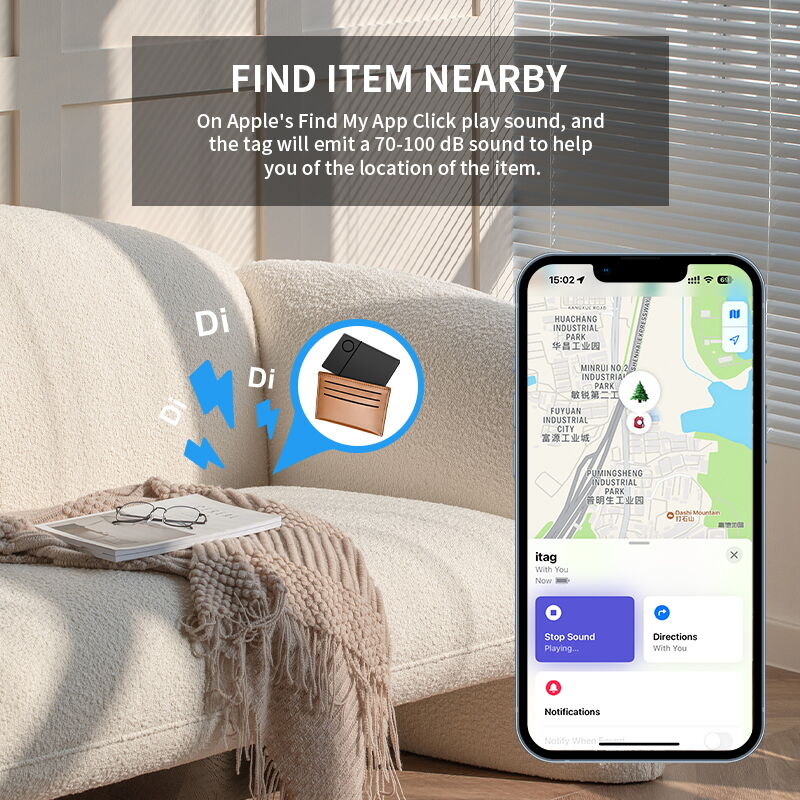
ODM Google Tag services represent a transformative approach for businesses seeking to leverage advanced tracking technology while maintaining complete control over their brand identity. These Original Design Manufacturer solutions enable companies to integrate Google's sophisticated Find My Device ecosystem into their custom-branded tracking products, creating a seamless blend of cutting-edge functionality and personalized branding that resonates with target audiences.
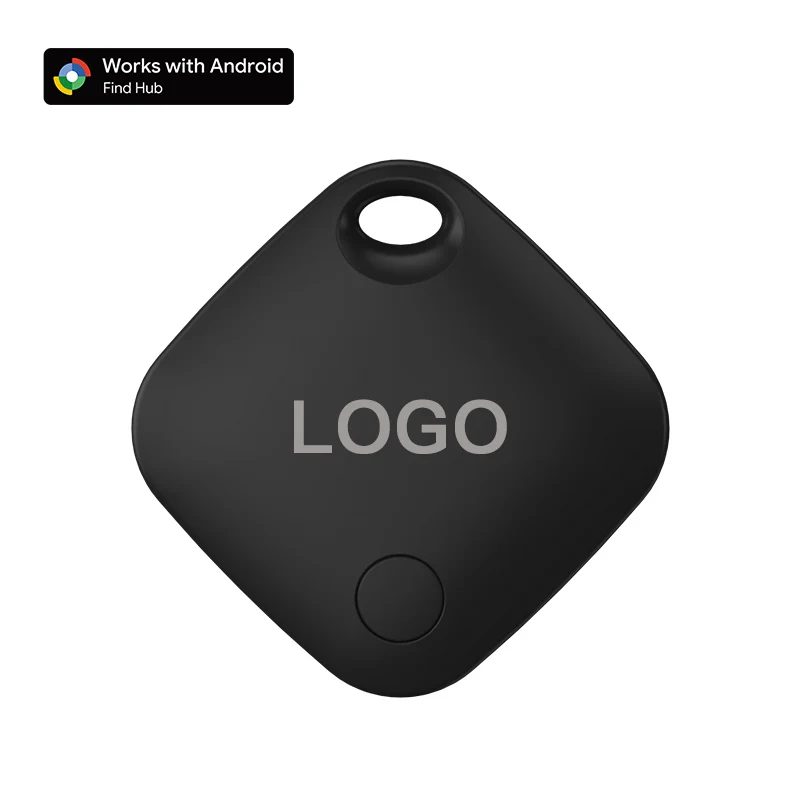
The strategic advantage of ODM Google Tag services lies in their ability to eliminate the traditional barriers between proprietary technology development and brand differentiation. By partnering with ODM providers who specialize in Google-compatible tracking solutions, businesses can access enterprise-grade location services while maintaining full creative control over product design, packaging, and market positioning, ultimately delivering superior value propositions to their customers.
Understanding ODM Google Tag Architecture for Brand Integration
Core Technology Framework and Brand Compatibility
ODM Google Tag services operate on a sophisticated technical foundation that seamlessly integrates with Google's Find My Device network while preserving complete brand autonomy. The underlying architecture utilizes Bluetooth Low Energy protocols and proprietary algorithms that enable precise location tracking without compromising the visual or functional aspects of custom brand implementations. This technical framework ensures that businesses can maintain their unique design language while leveraging Google's extensive device ecosystem.
The compatibility layer within ODM Google Tag services creates a bridge between Google's standardized tracking protocols and custom brand requirements. This integration allows for extensive customization of user interfaces, mobile applications, and physical device aesthetics while maintaining full compatibility with Google's location services infrastructure. The result is a tracking solution that appears completely native to the brand while delivering the reliability and accuracy expected from Google's technology platform.
Advanced encryption and security protocols embedded within ODM Google Tag services ensure that brand-specific data remains protected while benefiting from Google's robust privacy framework. This dual-layer security approach allows businesses to implement additional brand-specific security measures without interfering with the core tracking functionality, providing enhanced customer confidence in both the technology and the brand itself.
Customization Capabilities and Brand Expression
The customization potential of ODM Google Tag services extends far beyond surface-level branding to encompass comprehensive product personalization that reflects unique brand values and market positioning. Physical design modifications include custom form factors, materials, colors, and finishing techniques that align with established brand aesthetics while maintaining the technical integrity required for optimal tracking performance.
Software customization within ODM Google Tag services enables brands to develop proprietary mobile applications that provide differentiated user experiences while seamlessly connecting to Google's tracking infrastructure. These applications can incorporate brand-specific features, user interface designs, and functionality enhancements that create distinctive customer interactions without compromising the core location tracking capabilities that make Google Tag technology so effective.
Packaging and presentation customization through ODM Google Tag services allows brands to create cohesive product experiences that reflect their market positioning and target audience preferences. From premium packaging materials to custom documentation and setup processes, every touchpoint can be tailored to reinforce brand identity while ensuring customers receive a professional, polished product experience that builds long-term brand loyalty.
Strategic Business Benefits of ODM Google Tag Implementation
Market Entry Acceleration and Competitive Positioning
ODM Google Tag services dramatically reduce the time-to-market for businesses seeking to enter the tracking device sector without extensive in-house technology development capabilities. By leveraging proven Google Tag technology through ODM partnerships, companies can focus their resources on brand development, marketing, and customer relationship building rather than navigating the complex technical challenges associated with developing proprietary tracking solutions from scratch.
The competitive advantage gained through ODM Google Tag services stems from the ability to offer customers premium tracking functionality under a trusted brand umbrella without the substantial research and development investments typically required for such sophisticated technology. This approach enables smaller and medium-sized businesses to compete effectively with larger technology companies by providing equivalent functionality while maintaining their unique brand positioning and customer relationships.
Risk mitigation represents another crucial benefit of ODM Google Tag services, as businesses can enter the tracking device market with confidence in the underlying technology's reliability and performance. Google's established infrastructure and continuous platform improvements provide a stable foundation for brand-specific implementations, reducing the technical risks associated with independent technology development while ensuring long-term product viability and customer satisfaction.
Cost Optimization and Resource Allocation
The financial advantages of ODM Google Tag services extend beyond initial development cost savings to encompass ongoing operational efficiencies that improve overall business profitability. By eliminating the need for extensive internal technology teams and infrastructure investments, businesses can allocate resources more effectively toward brand building, customer acquisition, and market expansion activities that directly contribute to revenue growth and market share development.
Scalability economics within ODM Google Tag services provide significant advantages as business volumes increase, with ODM partners able to leverage economies of scale in manufacturing, component sourcing, and quality assurance processes. This scalable cost structure enables brands to maintain competitive pricing while improving profit margins as their market presence grows, creating sustainable business models that support long-term growth objectives.
Maintenance and support cost reductions through ODM Google Tag services eliminate the ongoing burden of technology updates, security patches, and infrastructure management that would otherwise require dedicated internal resources. ODM partners handle these technical responsibilities while brands focus on customer-facing activities that directly impact satisfaction and loyalty, resulting in more efficient resource utilization and improved overall business performance.
Implementation Strategies for Maximum Brand Impact
Design Integration and Brand Consistency
Successful implementation of ODM Google Tag services requires careful attention to design integration that maintains brand consistency across all customer touchpoints while maximizing the technological capabilities of the underlying Google Tag platform. This integration process begins with comprehensive brand analysis to identify key visual elements, color schemes, and design philosophies that must be preserved throughout the product development process.
Material selection and manufacturing processes within ODM Google Tag services can be customized to reflect premium brand positioning or cost-conscious market approaches depending on target customer expectations and competitive requirements. High-end brands might specify premium materials, advanced finishing techniques, and luxury packaging presentations, while value-focused brands can optimize for cost efficiency without sacrificing the core tracking functionality that customers expect.
User experience design coordination ensures that ODM Google Tag services deliver cohesive brand experiences from initial product discovery through ongoing usage and customer support interactions. This comprehensive approach includes mobile application design, documentation presentation, customer service protocols, and warranty programs that reinforce brand values while providing customers with consistent, professional experiences throughout their product lifecycle.
Market Positioning and Customer Communication
Effective market positioning for ODM Google Tag services requires clear communication strategies that emphasize brand-specific benefits while leveraging customer familiarity with Google's tracking technology reputation. Marketing messages should focus on how the brand's implementation enhances or differentiates the core Google Tag functionality rather than simply rebranding existing technology without added value or unique positioning elements.
Customer education programs play a crucial role in ODM Google Tag services success, helping target audiences understand the specific advantages and features that distinguish the branded implementation from generic tracking solutions. These educational initiatives can include product demonstrations, comparison guides, and use case scenarios that highlight the practical benefits customers will experience when choosing the branded solution over alternative options.
Channel partnership strategies for ODM Google Tag services should align with existing brand distribution networks while potentially expanding into new market segments that benefit from enhanced tracking capabilities. Retail partners, online marketplaces, and direct sales channels all require tailored positioning messages and support materials that emphasize the unique value proposition created through the combination of trusted Google technology and distinctive brand characteristics.
Quality Assurance and Performance Optimization
Testing Protocols and Reliability Standards
Quality assurance within ODM Google Tag services encompasses comprehensive testing protocols that validate both the technical performance of Google's tracking technology and the brand-specific customizations implemented throughout the product development process. These testing procedures include connectivity validation, battery performance assessment, accuracy verification, and durability testing that ensures products meet or exceed customer expectations for reliability and longevity.
Performance benchmarking for ODM Google Tag services involves establishing clear metrics for tracking accuracy, response times, battery life, and user experience quality that align with brand positioning and customer expectations. Regular performance monitoring ensures that branded implementations maintain competitive advantages while identifying opportunities for continuous improvement and feature enhancement that strengthen market position over time.
Compliance verification within ODM Google Tag services addresses regulatory requirements, safety standards, and certification processes that vary across different markets and applications. ODM partners typically handle these complex compliance responsibilities while ensuring that brand-specific customizations do not compromise regulatory compliance or introduce additional certification requirements that could delay product launches or increase costs.
Continuous Improvement and Feature Enhancement
The evolution of ODM Google Tag services includes ongoing feature development and enhancement programs that leverage both Google's platform updates and brand-specific customer feedback to improve product performance and user satisfaction. This continuous improvement approach ensures that branded tracking solutions remain competitive and relevant as technology advances and customer expectations evolve over time.
Customer feedback integration within ODM Google Tag services creates valuable opportunities for brands to differentiate their implementations through responsive feature development and user experience improvements. By analyzing usage patterns, support inquiries, and customer suggestions, brands can identify specific enhancement opportunities that strengthen their market position while demonstrating commitment to customer satisfaction and product excellence.
Technology roadmap coordination ensures that ODM Google Tag services implementations remain aligned with Google's platform evolution while incorporating brand-specific innovation opportunities. This strategic planning approach enables brands to anticipate future capabilities and prepare market positioning strategies that leverage upcoming technological advances to maintain competitive advantages and customer interest.
FAQ
What are the main advantages of choosing ODM Google Tag services over developing proprietary tracking technology?
ODM Google Tag services provide immediate access to proven tracking technology with Google's extensive device network coverage, eliminating years of development time and substantial investment risks. Brands can focus resources on differentiation and customer experience while leveraging Google's infrastructure for reliability, accuracy, and ongoing platform improvements that would be extremely difficult and expensive to replicate independently.
How much customization flexibility is available with ODM Google Tag services for brand-specific requirements?
ODM Google Tag services offer extensive customization options including physical design modifications, materials selection, color schemes, mobile application development, packaging design, and user experience personalization. The main limitations involve maintaining compatibility with Google's tracking protocols, but these constraints still allow for significant brand expression and differentiation while preserving core functionality and performance standards.
What are the typical implementation timelines for ODM Google Tag services from concept to market launch?
Implementation timelines for ODM Google Tag services typically range from 3-6 months depending on customization complexity, regulatory requirements, and production volumes. This timeline includes design finalization, prototyping, testing, certification processes, and initial production setup, representing significant time savings compared to independent technology development which often requires 18-24 months or longer for comparable functionality.
How do ODM Google Tag services handle ongoing technical support and platform updates?
ODM partners typically provide comprehensive technical support including Google platform integration maintenance, security updates, compatibility management, and customer service support infrastructure. Brands receive regular updates and improvements without internal technical management requirements, while maintaining control over customer-facing support experiences and brand-specific service protocols that align with their quality standards and customer relationship strategies.
Table of Contents
- Understanding ODM Google Tag Architecture for Brand Integration
- Strategic Business Benefits of ODM Google Tag Implementation
- Implementation Strategies for Maximum Brand Impact
- Quality Assurance and Performance Optimization
-
FAQ
- What are the main advantages of choosing ODM Google Tag services over developing proprietary tracking technology?
- How much customization flexibility is available with ODM Google Tag services for brand-specific requirements?
- What are the typical implementation timelines for ODM Google Tag services from concept to market launch?
- How do ODM Google Tag services handle ongoing technical support and platform updates?