
 EN
EN
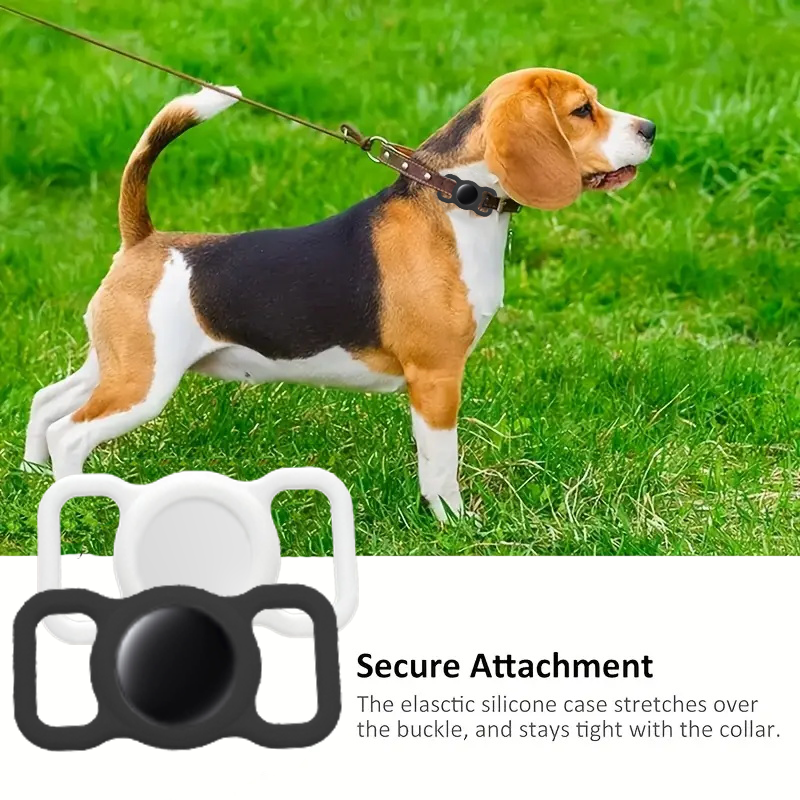
For original equipment manufacturers (OEMs) and their partner networks, product differentiation and value proposition enhancement have become critical competitive factors in saturated markets. Item locators represent a transformative technology category that enables OEM partners to expand their product portfolios with intelligent tracking solutions that address growing consumer demand for connected devices. By integrating item locators into existing product lines, OEM partners gain access to emerging markets, strengthen customer retention, and create new revenue streams through subscription services and ecosystem expansion. The strategic incorporation of these tracking devices allows manufacturers to transition from selling standalone hardware to offering complete location-based solutions that generate recurring value.

The global item locators market has experienced exponential growth as consumers increasingly seek solutions to track valuables, pets, and personal belongings. OEM partners who recognize this trend and strategically incorporate tracking technology into their product catalogs position themselves at the intersection of consumer electronics, IoT connectivity, and practical utility. This article explores the specific mechanisms through which item locators enhance OEM product offerings, examining technical integration pathways, market positioning advantages, revenue model opportunities, and strategic implementation considerations that enable manufacturing partners to maximize the commercial potential of location tracking solutions.
Strategic Value Addition Through Item Locators Integration
Expanding Product Categories With Minimal Investment
OEM partners can rapidly diversify their product portfolios by incorporating item locators without developing entirely new manufacturing capabilities from scratch. The modular nature of modern tracking devices allows manufacturers to leverage existing production infrastructure, supply chain relationships, and quality control processes while adding a high-value technology category. This approach significantly reduces the capital expenditure and development time typically associated with new product line launches, enabling faster market entry and competitive response. Manufacturing partners benefit from economies of scale by applying their established operational excellence to item locators production, which shares component sourcing and assembly processes with other consumer electronics categories.
The technical architecture of contemporary item locators has been deliberately designed for white-label and OEM customization, featuring standardized circuit board layouts, flexible enclosure options, and programmable firmware that accommodates brand-specific requirements. This standardization enables OEM partners to focus differentiation efforts on industrial design, brand positioning, and value-added features rather than fundamental engineering challenges. Partners can introduce item locators alongside complementary products such as mobile accessories, travel gear, pet products, or smart home devices, creating natural product bundling opportunities that increase average transaction values and strengthen market positioning across multiple consumer segments.
Meeting Emerging Consumer Demand Patterns
Consumer behavior research consistently demonstrates growing anxiety about lost items and increasing willingness to invest in preventive tracking solutions. OEM partners who incorporate item locators into their product range directly address this documented consumer need, positioning their brands as responsive to lifestyle challenges and technological solutions. Market data indicates that tracking device adoption has accelerated particularly among demographics concerned with valuable item security, elderly care applications, child safety monitoring, and pet tracking—each representing substantial addressable market segments with distinct purchasing behaviors and price sensitivity profiles.
The proliferation of smartphone ownership and improvements in Bluetooth Low Energy technology have eliminated previous barriers to item locators adoption, creating favorable conditions for OEM partners to introduce these products with confidence in infrastructure compatibility. Modern item locators integrate seamlessly with both iOS and Android ecosystems, including support for platform-native finding networks like Apple's Find My network and Google's Find My Device network. This ecosystem compatibility ensures that OEM partners can offer item locators with immediate functional value to customers without requiring proprietary app development or infrastructure investment, significantly reducing go-to-market complexity while ensuring broad consumer accessibility.
Creating Differentiated Brand Positioning
For OEM partners operating in competitive markets, item locators provide a tangible differentiation opportunity that communicates technological sophistication and consumer-centric innovation. Brands that incorporate tracking solutions into their product catalogs signal alignment with smart home trends, IoT integration, and connected lifestyle positioning—attributes that resonate strongly with technology-forward consumer segments. This brand perception enhancement extends beyond the item locators themselves, creating halo effects that elevate perceptions of the manufacturer's entire product portfolio and technical capabilities.
The visual and functional presence of item locators in retail environments and marketing materials conveys forward-thinking product development and responsiveness to contemporary consumer needs. OEM partners can leverage tracking device integration as a narrative component in brand storytelling, emphasizing commitment to practical innovation and customer problem-solving rather than merely incremental product updates. This strategic positioning proves particularly valuable in B2B contexts where retail buyers and distribution partners evaluate manufacturers based on product range completeness, market trend alignment, and ability to drive category growth through innovative offerings.
Revenue Model Enhancement Through Item Locators
Hardware Sales and Margin Optimization
Item locators typically command favorable retail price points relative to their manufacturing costs, creating attractive margin opportunities for OEM partners. The perceived value of tracking functionality—driven by the anxiety reduction and peace of mind benefits—supports premium pricing strategies that exceed typical consumer electronics margins. Manufacturing partners can position item locators across multiple price tiers, from basic Bluetooth trackers to advanced GPS-enabled devices, allowing market segmentation and margin optimization across different consumer willingness-to-pay levels. This pricing flexibility enables OEM partners to capture value from both price-sensitive segments and premium customers seeking enhanced features.
The compact form factor and relatively simple component architecture of item locators result in favorable production economics, particularly when manufactured at scale. OEM partners with established electronics manufacturing capabilities can achieve cost efficiencies through shared component procurement, automated assembly processes, and optimized logistics infrastructure. These operational advantages translate directly to improved gross margins and competitive pricing flexibility, enabling partners to pursue aggressive market penetration strategies while maintaining profitability targets. Additionally, the lightweight and small package dimensions of item locators reduce shipping costs and inventory carrying expenses, further enhancing unit economics compared to larger consumer electronics categories.
Recurring Revenue Through Subscription Services
Advanced item locators that incorporate cellular connectivity or premium location services create opportunities for OEM partners to develop recurring revenue streams through subscription models. These services might include extended location history, geofencing alerts, multi-device management platforms, or enhanced finding capabilities that justify ongoing monthly or annual fees. The subscription model fundamentally transforms the business economics for manufacturing partners, converting one-time hardware sales into continuous customer relationships that generate predictable revenue and increase customer lifetime value by orders of magnitude compared to device-only transactions.
For OEM partners new to subscription business models, item locators provide a low-risk entry point to develop the operational capabilities, customer support infrastructure, and financial systems necessary for recurring revenue management. The relatively straightforward value proposition of location services—compared to more complex software subscriptions—facilitates customer acquisition and reduces churn risk, allowing partners to build subscription competencies while maintaining healthy retention metrics. This experience positions manufacturing partners to expand subscription offerings across their broader product portfolios, leveraging the customer relationships and payment infrastructure established through item locators as a foundation for ecosystem monetization.
Ecosystem Cross-Selling and Bundle Opportunities
Item locators serve as gateway products that facilitate cross-selling of complementary accessories and related devices within an OEM partner's product catalog. Customers who purchase tracking devices frequently seek protective cases, attachment accessories, multi-pack options for tracking multiple items, or companion products like smart luggage tags or pet collars with integrated tracking. These natural product affinities enable OEM partners to increase basket sizes and create product bundles that improve inventory turnover while delivering enhanced customer value through coordinated solutions rather than isolated purchases.
The data collected through item locators usage—when properly anonymized and aggregated—provides valuable insights into customer behavior patterns, geographic distribution, and usage contexts that inform broader product development and marketing strategies. OEM partners can leverage this intelligence to identify underserved market segments, optimize inventory allocation across distribution channels, and develop targeted marketing campaigns that improve customer acquisition efficiency. This data-driven approach to business development represents a strategic asset that compounds over time as the installed base of item locators grows, creating competitive advantages that extend far beyond the immediate revenue contribution of the tracking devices themselves.
Technical Integration Pathways for OEM Partners
White-Label and Customization Frameworks
Modern item locators manufacturers offer comprehensive white-label programs specifically designed to accommodate OEM partner requirements across branding, packaging, and functional customization dimensions. These programs typically include custom logo engraving or printing on device housings, branded packaging design, customized mobile application interfaces, and configurable firmware parameters that enable partners to differentiate their offerings while leveraging proven technical platforms. The white-label approach dramatically reduces time-to-market for OEM partners, compressing development cycles from years to months while ensuring technical reliability through battle-tested hardware and software components.
Customization options extend beyond superficial branding to include functional differentiation opportunities such as specialized attachment mechanisms for industry-specific applications, enhanced battery configurations for extended operation, or modified sensor arrays for particular tracking scenarios. OEM partners in vertical markets—such as industrial equipment tracking, medical device management, or logistics asset monitoring—can specify technical modifications that align item locators with specific operational requirements and compliance standards. This flexibility enables manufacturing partners to address niche market opportunities with tailored solutions while maintaining the cost advantages and development efficiency of platform-based product architectures.
Platform Ecosystem Integration
The strategic value of item locators for OEM partners increases substantially when devices integrate with major platform ecosystems like Apple's Find My network or Google's Find My Device network. These integrations provide access to millions of crowdsourced finding nodes without requiring OEM partners to develop proprietary infrastructure, immediately delivering global tracking coverage and location accuracy that would be economically infeasible for individual manufacturers to replicate. Platform certification processes, while requiring technical compliance and testing, are well-documented and supported by ecosystem providers, enabling OEM partners to achieve compatibility with reasonable engineering investment.
Beyond consumer platform integration, OEM partners can enhance item locators value by developing connections with enterprise systems, inventory management platforms, or industry-specific software applications. These B2B integration pathways open additional market opportunities in sectors such as healthcare equipment tracking, construction tool management, or fleet vehicle monitoring where location awareness delivers operational efficiency and asset utilization improvements. The technical architecture of contemporary item locators—featuring standardized communication protocols and open API frameworks—facilitates these integrations without requiring fundamental hardware redesign, allowing OEM partners to pursue multiple market segments with appropriately configured variants of core tracking platforms.
Manufacturing and Quality Control Considerations
Successful item locators integration requires OEM partners to implement rigorous quality control processes addressing radio frequency performance, battery life validation, environmental resistance, and firmware reliability. The critical nature of tracking functionality—where device failure directly impacts user experience and brand reputation—necessitates comprehensive testing protocols that verify performance across temperature ranges, humidity conditions, and mechanical stress scenarios. Manufacturing partners must establish RF testing capabilities to validate Bluetooth signal strength, GPS acquisition performance, and cellular connectivity where applicable, ensuring devices meet minimum performance standards before market release.
Battery performance represents a particularly critical quality dimension for item locators, as insufficient operational life directly undermines the value proposition and generates negative customer sentiment. OEM partners should implement accelerated life testing, capacity verification procedures, and realistic usage simulation to validate that battery specifications align with marketing claims and customer expectations. Additionally, firmware update mechanisms must be robust and thoroughly tested, as the ability to remotely update device software becomes essential for addressing post-deployment issues, adding features, and maintaining ecosystem compatibility as platform requirements evolve over time.
Market Positioning and Go-To-Market Strategy
Target Segment Identification and Product-Market Fit
OEM partners must carefully analyze their existing customer base and distribution channels to identify optimal market segments for item locators introduction. Partners with established presence in travel accessories benefit from positioning tracking devices as luggage and travel safety solutions, while those in pet products can emphasize animal tracking applications. This strategic alignment between item locators capabilities and existing customer needs maximizes marketing efficiency and leverages established brand trust, reducing customer acquisition costs and accelerating adoption compared to entry into entirely new market categories.
Demographic research reveals distinct adoption patterns across age groups, with younger technology-adopter segments demonstrating high willingness to integrate item locators into daily routines, while older demographics show strong interest in specific applications such as key finding or medication tracking. OEM partners can segment their item locators offerings to address these varying use cases, potentially developing distinct product lines or marketing narratives that resonate with different customer psychographies. Understanding these segment-specific drivers enables more effective retail positioning, promotional messaging, and product feature prioritization that aligns development investment with revenue potential.
Retail Channel Strategy and Distribution Optimization
Item locators benefit from multi-channel distribution strategies that combine online direct-to-consumer sales, traditional retail presence, and strategic placement in complementary product categories. OEM partners should leverage existing retail relationships to secure placement in electronics departments, travel sections, pet supplies, and automotive accessories depending on positioning strategy. The compact size and attractive packaging of item locators make them ideal impulse purchase products near checkout areas, while their giftability drives seasonal sales opportunities during holidays and back-to-school periods.
E-commerce channels provide particular advantages for item locators distribution, as online customers demonstrate higher receptivity to technology products and benefit from detailed product descriptions, comparison tools, and customer reviews that effectively communicate tracking device value propositions. OEM partners should develop comprehensive digital marketing strategies including search engine optimization for key tracking-related search terms, social media campaigns demonstrating practical use cases, and influencer partnerships that authentically showcase item locators benefits in real-world scenarios. The combination of retail and digital channels creates multiple customer touchpoints that build awareness and drive trial across diverse consumer segments.
Competitive Positioning and Pricing Strategy
The item locators market features established players with strong brand recognition alongside numerous smaller manufacturers offering commodity products at various price points. OEM partners entering this market must clearly articulate their differentiation basis—whether through superior industrial design, enhanced battery life, unique form factors, ecosystem integration advantages, or bundled value propositions that combine tracking with complementary features. Clear positioning prevents commoditization and supports pricing strategies that maintain healthy margins rather than competing solely on cost, which ultimately erodes profitability and limits reinvestment capacity.
Price positioning should reflect the target customer segment's willingness to pay while accounting for perceived value drivers such as brand reputation, design aesthetics, and feature completeness. Premium positioning strategies succeed when supported by tangible differentiation—such as replaceable batteries, waterproof construction, or extended range capabilities—that justify price premiums through demonstrable performance advantages. Conversely, value-oriented positioning requires ruthless cost optimization and efficient go-to-market execution to maintain profitability at lower price points. OEM partners must resist the temptation to position in the middle market without clear differentiation, as this approach typically yields suboptimal results in consumer electronics categories where customers gravitate toward either value leaders or premium differentiated offerings.
Implementation Roadmap for OEM Partners
Partner Selection and Vendor Qualification
OEM partners beginning their item locators journey should establish rigorous vendor selection criteria addressing manufacturing capability, quality track record, intellectual property protections, and technical support capacity. Qualified manufacturing partners should demonstrate relevant certifications—including FCC, CE, and RoHS compliance—along with established quality management systems such as ISO 9001 certification. Reference checks with existing customers provide insights into reliability, responsiveness, and ability to scale production in response to demand fluctuations, all critical factors for successful long-term partnerships.
Technical evaluation should include hands-on testing of sample devices, review of design documentation, assessment of firmware update mechanisms, and validation of claimed performance specifications through independent testing. OEM partners should request detailed bills of materials, manufacturing process documentation, and quality control procedures to ensure alignment with their own standards and customer expectations. Intellectual property considerations warrant particular attention, with clear agreements establishing ownership of custom designs, protection against unauthorized replication, and confidentiality provisions preventing proprietary information disclosure to competitors.
Pilot Programs and Market Testing
Before full-scale item locators launch, OEM partners benefit from structured pilot programs that test market response, validate technical performance in real-world conditions, and refine go-to-market strategies based on early customer feedback. Pilot programs might involve limited geographic launches, exclusive distribution through select retail partners, or targeted direct-to-consumer campaigns that generate initial sales data and customer insights without requiring full inventory commitment. These controlled launches identify potential issues—from packaging challenges to customer confusion about setup processes—that can be addressed before broader market introduction.
Customer feedback collection should be systematic during pilot phases, incorporating both quantitative metrics like return rates and net promoter scores alongside qualitative insights from customer interviews and support interactions. This feedback directly informs product refinements, marketing message optimization, and customer education materials that improve adoption and satisfaction in subsequent rollout phases. Additionally, pilot programs generate authentic customer testimonials and use case documentation that strengthen marketing campaigns and provide social proof for mainstream customers evaluating purchase decisions.
Scaling Operations and Continuous Improvement
Successful pilot outcomes should trigger systematic scaling processes that expand distribution coverage, increase marketing investment, and optimize operational efficiency based on validated demand patterns. OEM partners must ensure that manufacturing capacity scales appropriately with demand projections, establishing backup suppliers or dual-sourcing strategies that mitigate supply chain risks and prevent stockouts during peak selling seasons. Inventory management systems should balance adequate stock levels against carrying costs and obsolescence risks, particularly important for consumer electronics where product lifecycles compress and newer models rapidly supersede existing offerings.
Continuous improvement processes should systematically capture operational learnings, customer feedback, and competitive intelligence to drive ongoing product evolution and business model refinement. Regular reviews of item locators performance—including sales trends, customer satisfaction metrics, warranty claim rates, and profitability analysis—inform strategic decisions about product line expansion, feature prioritization, and market segment focus. This data-driven approach to portfolio management ensures that item locators integration delivers sustained value to OEM partners rather than representing a one-time product launch that gradually loses relevance as market conditions evolve.
FAQ
What minimum order quantities do OEM partners typically face when integrating item locators into their product range?
Minimum order quantities for item locators vary significantly based on customization requirements and manufacturing partner capabilities, typically ranging from 500 units for basic white-label arrangements with minimal customization to 3,000-5,000 units for fully customized designs with proprietary tooling and custom packaging. Partners seeking to test market response with limited initial investment can often negotiate smaller pilot runs at slightly higher per-unit costs, then transition to larger production volumes once demand validation justifies inventory commitment. Some manufacturers offer flexible programs specifically designed for emerging OEM partners with lower volume requirements but proportionally higher margins to offset setup costs.
How long does the typical development cycle take from initial concept to market-ready item locators for OEM partners?
Development timelines depend heavily on customization depth and technical complexity, with basic white-label implementations achievable in 8-12 weeks from partner selection through first production run completion. This accelerated timeline assumes standard hardware platforms with primarily cosmetic customization such as logo placement and packaging design. More substantial modifications involving custom enclosures, specialized attachment mechanisms, or firmware feature additions typically require 4-6 months including design iteration, prototype validation, tooling production, and initial manufacturing runs. Partners should additionally allocate time for regulatory certification processes, platform ecosystem approvals if pursuing Apple or Google integration, and quality validation testing before commercial launch.
What ongoing support requirements should OEM partners anticipate when offering item locators to customers?
Item locators generate customer support requirements primarily around initial device setup, mobile application connectivity issues, battery replacement guidance, and occasional firmware update assistance. OEM partners should establish clear support documentation including quick-start guides, troubleshooting resources, and video tutorials addressing common customer questions to minimize direct support interactions. Typical support volumes range from 2-5% of sold units generating inquiries, with most issues resolvable through self-service resources when properly designed. Partners should establish processes for handling defective unit returns, warranty claims, and firmware update distribution, ideally through collaboration with manufacturing partners who can provide technical escalation support for complex issues beyond front-line customer service capabilities.
Can OEM partners successfully integrate item locators without developing proprietary mobile applications?
Yes, OEM partners can absolutely offer item locators without custom application development by leveraging platform-native finding networks such as Apple's Find My or Google's Find My Device, which provide complete tracking functionality through operating system integration without requiring standalone apps. This approach dramatically reduces technical complexity, eliminates ongoing app maintenance costs, and ensures compatibility with future platform updates managed by Apple or Google. Additionally, platform integration delivers superior finding network coverage through crowdsourced location reporting from billions of devices worldwide, creating better customer experience than most proprietary solutions could achieve. Partners pursuing this strategy should clearly communicate platform compatibility in marketing materials and ensure packaging includes clear setup instructions for the relevant ecosystem.
Table of Contents
- Strategic Value Addition Through Item Locators Integration
- Revenue Model Enhancement Through Item Locators
- Technical Integration Pathways for OEM Partners
- Market Positioning and Go-To-Market Strategy
- Implementation Roadmap for OEM Partners
-
FAQ
- What minimum order quantities do OEM partners typically face when integrating item locators into their product range?
- How long does the typical development cycle take from initial concept to market-ready item locators for OEM partners?
- What ongoing support requirements should OEM partners anticipate when offering item locators to customers?
- Can OEM partners successfully integrate item locators without developing proprietary mobile applications?