
 EN
EN
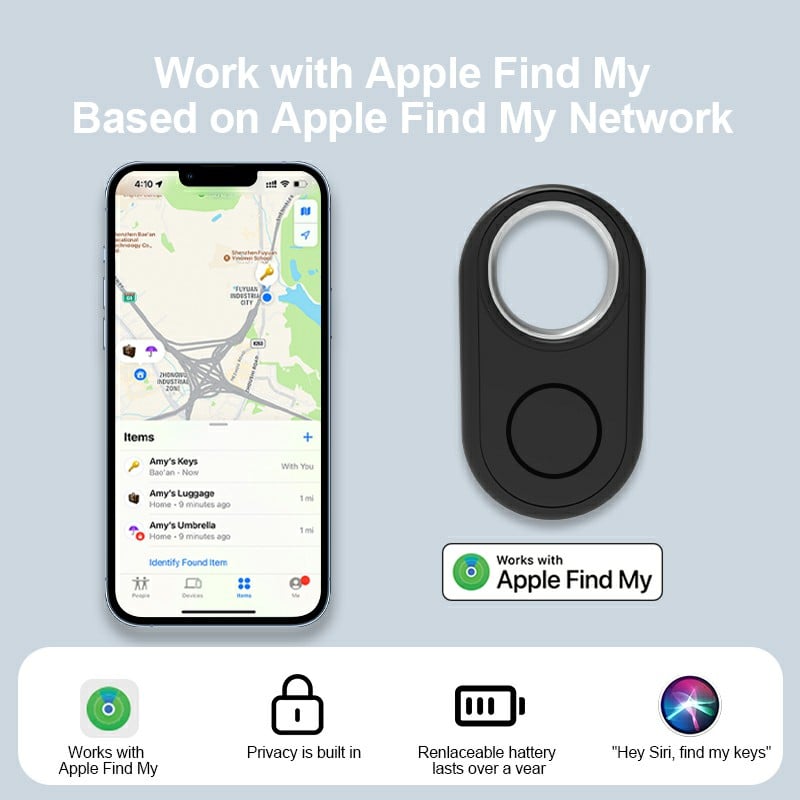
شهدت صناعة التتبع الذكي العالمية نموًّا هائلاً مع تزايد طلب المستهلكين والشركات على حلول موثوقة لمعرفة المواقع الخاصة بالأجهزة، والحيوانات الأليفة، والممتلكات الشخصية. وضمن هذه البيئة المتوسعة، برز إنتاج علامات جوجل (Google Tag Production) كمسار تصنيعي حيوي للعلامات التجارية التي تسعى إلى طرح أجهزة تتبع متوافقة مع شبكة «ابحث عن جهازي» (Find My Device) التابعة لجوجل. وعندما تُقيِّم المؤسسات استراتيجيات دخولها هذه السوق، يصبح فهم كامل نطاق خيارات الشركات المصنِّعة الأصلية (OEM) أمراً جوهرياً لاتخاذ قرارات مستنيرة توازن بين القدرات التخصيصية، وقابلية التوسُّع في الإنتاج، والرقابة على الجودة، والاستعداد للسوق.
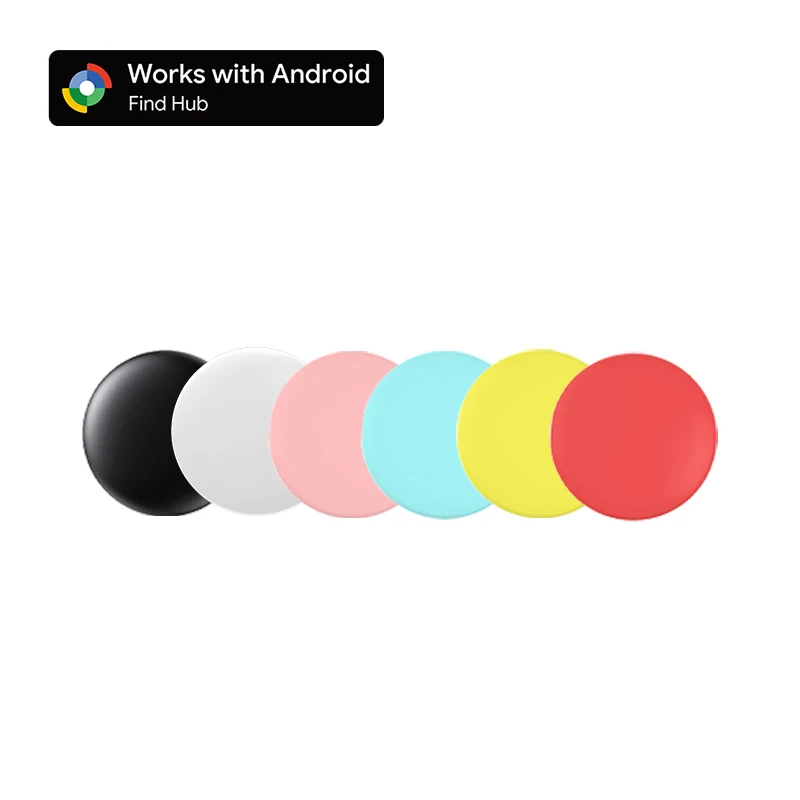
تمتد شراكات التصنيع الأصلية (OEM) في إنتاج علامات جوجل (Google Tag) لتشمل مجموعة متنوعة من نماذج التعاون، حيث توفر كل منها مزايا مميزة تبعًا لموقع علامتك التجارية، ومتطلباتك التقنية، والجدول الزمني لدخولك السوق. فمنذ حلول الجاهز للتشغيل تحت العلامة البيضاء التي تتيح دخول السوق بسرعة، وصولًا إلى شراكات هندسية مخصصة بعمق تُقدِّم ميزات منتج مُميَّزة، يوفِّر هذا المجال مسارات متعددة للعلامات التجارية في مراحل نضج مختلفة. ويستعرض هذا التحليل الشامل خيارات التصنيع الأصلي (OEM) المتاحة تحديدًا، والاعتبارات التقنية والتجارية التي تميِّز كل نهج، والعوامل الاستراتيجية التي ينبغي أن ترشد عملية اختيارك عند الدخول إلى قطاع التتبع الذكي التنافسي.
فهم مشهد التصنيع الأصلي (OEM) في إنتاج علامات جوجل
تحديد شراكات التصنيع الأصلي (OEM) في تصنيع أجهزة التتبع الذكية
تمثل علاقات التصنيع الأصلية (OEM) في إنتاج وسوم جوجل (Google Tag) ترتيبات تصنيع تعاونية، حيث تقوم شركات إنتاج متخصصة بتصنيع أجهزة التتبع وفقًا لمواصفات ومتطلبات العلامات التجارية الخاصة بالشركات الزبونة. وعلى عكس نماذج الشركات المصنعة للتصميم الأصلي (ODM)، التي تقدّم فيها الشركات المصنعة منتجات مُصمَّمة مسبقًا، فإن شراكات التصنيع الأصلي (OEM) تتضمّن عادةً درجات متفاوتة من التخصيص، بدءًا من وضع الشعار البسيط وصولًا إلى تعديلات شاملة في الأجهزة والبرامج الثابتة (Firmware). وتتيح هذه الترتيبات للعلامات التجارية الاستفادة من الخبرة الراسخة في مجال التصنيع، والعلاقات في سلسلة التوريد، وأطر الامتثال التنظيمي، مع الحفاظ في الوقت نفسه على السيطرة الكاملة على هوية المنتج وموقعه في السوق.
إن القيمة الاستراتيجية للشراكات مع مصنّعين أصليين للمعدات (OEM) في إنتاج علامات جوجل (Google Tag) تمتدُّ إلى ما وراء مجرد تفويض التصنيع. فالموردون المؤهلون من مصنّعي المعدات الأصليين يوفرون معرفة متخصصة ببروتوكولات بلوتوث منخفض الطاقة (Bluetooth Low Energy)، وتكنولوجيات تحديد المواقع بال banda العريضة جدًّا (ultra-wideband)، وتقنيات تحسين أداء البطاريات، والمتطلبات الخاصة بالاعتماد والتصديق على الأجهزة ضمن نظام «ابحث عن جهازي» (Find My Device) الخاص بجوجل. وتكتسب هذه الخبرة أهميةً بالغةً بالنسبة للشركات التي تفتقر إلى قدرات هندسية قوية في مجال الأجهزة، أو تلك التي تسعى إلى تسريع وقت طرح منتجاتها في السوق دون الحاجة إلى بناء بنية تحتية تصنيعية واسعة النطاق داخل الشركة. وبفضل نموذج الشراكة هذا، يمكن للعلامات التجارية تركيز مواردها على التسويق والتوزيع وتجربة العملاء، مع الاعتماد في الوقت نفسه على أنظمة إنتاجٍ مُثبتة الكفاءة.
الأساس التقني لإنتاج علامات جوجل
يتطلب إنتاج علامة جوجل (Google Tag) الالتزام بمعايير فنية محددة وضعتها شبكة «ابحث عن جهازي» (Find My Device) التابعة لشركة جوجل، والتي تنظم التوافق البيني وبروتوكولات الأمان واتساق تجربة المستخدم. ويجب أن يُثبت شركاء التصنيع قدرتهم على تنفيذ مواصفات بلوتوث 5.0 أو أعلى، ودمج العناصر الآمنة (Secure Element) لحماية الخصوصية، وتصميم دوائر كهربائية موفرة للطاقة تتيح عمر بطارية ممتدًا. ويشمل عملية الإنتاج التجميع الدقيق للمكونات المصغَّرة، وتطبيق بروتوكولات اختبار صارمة لضمان موثوقية الإشارة في ظل ظروف بيئية متنوعة، وتطوير البرامج الثابتة (Firmware) التي تحافظ على التوافق مع تحديثات نظام أندرويد البيئي.
وبالإضافة إلى القدرات المادية، إنتاج علامة جوجل (Google Tag) يتطلب أنظمة إدارة جودة قوية تعالج التحديات الفريدة المترتبة على تصنيع إلكترونيات الاستهلاك. ويشمل ذلك حماية مكونات التجميع من التفريغ الكهروستاتيكي، والتفتيش البصري الآلي للتحقق من وضع المكونات، والتحقق من أداء الترددات الراديوية، واختبارات الإجهاد البيئي التي تحاكي ظروف الاستخدام الفعلية. ويُحافظ الشركاء من مصنّعي المعدات الأصلية (OEM) الذين يمتلكون أنظمة إنتاج ناضجة على عمليات موثَّقة تتبعها سلسلة التوريد، ويطبِّقون ضبط العمليات الإحصائي لتحسين العائد، وينفِّذون برامج تحسين مستمر تقلِّل معدلات العيوب مع السيطرة في الوقت نفسه على تكاليف التصنيع.
تقسيم السوق وموقع مصنّعي المعدات الأصلية (OEM)
يُظهر سوق علامات التتبع الإنتاجية من جوجل تجزئةً واضحةً استنادًا إلى حالات الاستخدام المستهدفة، والموقع السعري، ودرجة تعقيد الميزات. وتركّز علامات التتبع من الفئة المبتدئة على القدرات الأساسية لمعرفة الموقع بالنسبة للعناصر اليومية مثل المفاتيح والمحافظ، مع التركيز عادةً على التكلفة المعقولة وواجهات المستخدم البسيطة. أما المنتجات من الفئة المتوسطة فتضم ميزات محسَّنة مثل تحديد المواقع بدقة باستخدام تقنية النطاق العريض الفائق (UWB)، وبطاريات قابلة للاستبدال، وغلاف متين يناسب التطبيقات الخارجية. وفي المقابل، تستهدف الفئات المتميزة تطبيقات متخصصة تشمل تتبع الحيوانات الأليفة، ومراقبة الأمتعة، وإدارة أصول المركبات، وهي تتطلب في كثيرٍ من الأحيان ميزات متقدمة مثل المدى الممتد، والمقاومة للماء، والتكامل مع المنصات الخارجية.
مقدمو خدمات التصنيع الأصلي (OEM) الذين يخدمون إنتاج علامة Google Tag يتخصصون عادةً في شرائح سوقية محددة، ويطوّرون خبرة عميقة في عمليات التصنيع واستراتيجيات توريد المكونات ومعايير الجودة المرتبطة بمجالات تركيزهم. ويتفوق بعض المصنّعين في الإنتاج الضخم لمُتتبِّعات أساسية مُحسَّنة من حيث التكلفة، مستفيدين من التجميع الآلي والتصاميم المبسَّطة لتحقيق أسعار تنافسية. أما آخرون فيركّزون على منتجات منخفضة الحجم لكنها عالية التعقيد، وتتطلب أدوات تصنيع مخصصة ومواد متخصصة وبروتوكولات اختبار موسَّعة. ويعتبر فهم هذا التجزئة أمراً جوهرياً عند تقييم شركاء التصنيع الأصلي المحتملين، إذ قد لا تتناسب القدرات التي تخدم شريحة سوقية معينة مع فئات منتجات مختلفة أو توقعات الجودة الأخرى.
حلول التصنيع الأصلي الجاهزة للعلامة البيضاء
خصائص المنتجات الجاهزة للترميز بالعلامة التجارية
تمثل حلول التوريد الجاهزة الخاصة بالعلامات البيضاء أبسط نقطة دخول لإنتاج علامات جوجل (Google Tag)، حيث تُقدَّم أجهزة التتبع مسبقة التطوير التي تتطلب أقل قدر ممكن من التخصيص، باستثناء عناصر العلامة التجارية. وتصل هذه المنتجات وقد أُنجز تصميمها واختبارها واعتمادها بالكامل للعمل ضمن شبكة جوجل «ابحث عن جهازي» (Find My Device)، ما يمكِّن العلامات التجارية من الدخول إلى السوق في إطار فترات زمنية مطورة بشكل كبير وتقليل الاستثمارات الرأسمالية المطلوبة. ويقوم مصنعو العلامات البيضاء بالاحتفاظ بمخزون من السلع النهائية أو شبه النهائية، مما يسمح بتحديد كميات الطلبات بمرونة تتناسب مع استراتيجيات اختبار السوق أو التقلبات الموسمية في الطلب، دون الحاجة إلى الالتزام بكميات طلب حد أدنى كبيرة.
تشمل خيارات التخصيص الأساسية في إنتاج علامة جوجل تاغ البيضاء عادةً وضع الشعار عبر الطباعة بالحفر أو النقش بالليزر، وتصميم العبوة بحيث يدمج عناصر هوية العلامة التجارية، وتكييف الوثائق لتناسب الأسواق المستهدفة. ويقدّم بعض الموردين نطاقاً أوسع للتخصيص يشمل تنوع الألوان المحقَّق باستخدام مواد مختلفة للغلاف أو معالجات سطحية مختلفة، رغم أن التصميم الميكانيكي والإلكترونيات الداخلية تبقى قياسية. ويوفر هذا النهج أسرع طريقٍ للوصول إلى السوق، وغالباً ما يمكّن من إطلاق المنتج خلال أسابيع بدل أشهرٍ تتطلبها عمليات التطوير الكاملة المخصصة، مع الحفاظ على معايير الجودة من خلال عمليات تصنيع مُثبتة وسلاسل توريد راسخة.
نموذج العمل والاعتبارات الاقتصادية
يقدِّم هيكل الإنتاج الاقتصادي لعلامة Google Tag البيضاء مزايا واضحة للعلامات التجارية التي تُركِّز على كفاءة رأس المال وتخفيف المخاطر. فتقليل الكميات الدنيا للطلب، والتي تتراوح عادةً بين مئات إلى بضعة آلاف وحدة، يقلل من مخاطر المخزون ويسمح بالتحقق من جدوى السوق قبل الالتزام بالإنتاج على نطاق واسع. أما تكاليف الوحدة فهي تميل إلى الطرف الأعلى من الطيف مقارنةً بترتيبات الشركات المصنِّعة الأصلية (OEM) الكاملة التخصيص، وذلك انعكاسًا لحاجة المصنِّع إلى الاحتفاظ بملكية التصميم وامتصاص تكاليف التطوير عبر عددٍ من العملاء. ومع ذلك، فإن غياب رسوم القوالب وتكاليف التطوير ونفقات الشهادات يؤدي إلى خفض كبير في إجمالي الاستثمار الأولي.
يجب أن تُقيِّم العلامات التجارية التي تختار خيارات التصنيع دون علامة تجارية (White-label) في إنتاج وسوم Google بعنايةٍ المفاضلات بين السرعة في الوصول إلى السوق والتميُّز في المنتج. فعلى الرغم من أن هذه الحلول تتيح دخول السوق بسرعة، فإن محدودية إمكانات التخصيص تعني أن المنافسة تتركَّز أساسًا على قوة العلامة التجارية وقدرات التوزيع وجودة خدمة العملاء، بدلًا من الميزات الفريدة للمنتج. ويُحقِّق هذا الموقف نتائج فعَّالةً بالنسبة للعلامات التجارية الراسخة ذات الولاء القوي من العملاء، أو تلك التي تستهدف أسواقًا متخصصةً يفوق فيها ثقة العملاء بالعلامة التجارية أهمية التميُّز التقني. وعلى النقيض من ذلك، قد تجد الشركات التي تسعى إلى بناء مقترحات قيمة مميَّزة استنادًا إلى ميزات مبتكرة أو أشكال هندسية متخصصة أن القيود المفروضة على حلول التصنيع دون علامة تجارية تحدُّ من استراتيجيتها التنافسية.
مراقبة الجودة وشفافية سلسلة التوريد
تعتمد ضمان الجودة في إنتاج علامات جوجل (Google Tag) الخاصة بالعلامات البيضاء بشكل كبير على العمليات الراسخة التي يتبعها المصنع وسمعته، نظرًا لأن العلامات التجارية عادةً ما تفتقر إلى الرؤية الواضحة لعمليات الإنتاج أو التحكم في مصادر المكونات. ويُحافظ مقدمو خدمات العلامات البيضاء الموثوقون على أنظمة شاملة لإدارة الجودة، ويُجرون اختبارات دفعات وفقًا لبروتوكولات موثَّقة، ويوفرن وثائق اعتماد تُثبت الامتثال لمتطلبات الجهات التنظيمية. ومع ذلك، فإن الطابع الموحَّد لهذه المنتجات يعني أن العلامات التجارية لا يمكنها تطبيق بروتوكولات اختبار مخصصة أو تحديد مورِّدين بديلين للمكونات، مما قد يثير مخاوف لدى الشركات التي تفرض متطلبات جودة صارمة أو لديها تفضيلات محددة لمصادر التوريد.
تتفاوت درجة شفافية سلسلة التوريد بشكل كبير بين مزودي العلامات البيضاء في إنتاج وسوم جوجل (Google Tag Production)، حيث يقدِّم بعض المصنِّعين إمكانية تتبع المكونات بالتفصيل، بينما يحافظ آخرون على علاقات توريد خاصة بهم. ويجب أن تقوم العلامات التجارية التي تهتم بأخلاقيات سلسلة التوريد، أو الامتثال البيئي، أو المخاطر الجيوسياسية المرتبطة بمصادر التوريد، بإجراء فحصٍ دقيقٍ شاملٍ لممارسات المصنِّعين، مع طلب مستندات توضح أصول المكونات ومعايير العمل والشهادات البيئية. ويتطلَّب التوازن بين الراحة والتحكم المتأصِّل في اتفاقيات العلامات البيضاء تقييمًا دقيقًا لكيفية انسجام اعتبارات سلسلة التوريد مع التزامات المسؤولية المؤسسية الأوسع نطاقًا وأطر إدارة المخاطر.
شراكات التصنيع حسب الطلب شبه المخصصة (OEM)
النهُج القائمة على التخصيص الوحدوي
توفر خيارات التصنيع حسب الطلب الجزئي (Semi-custom OEM) في إنتاج علامات جوجل (Google Tag) حلًّا وسطًا بين التوحيد القياسي للعلامات البيضاء (White-label) والتطوير المخصّص بالكامل، وذلك باستخدام منصّات تصميم وحدوية تتيح التخصيص المحدد ضمن معايير مُعرَّفة مسبقًا. وعادةً ما تتضمّن هذه الترتيبات وحدات إلكترونية أساسية ذات وظائف مُثبتة يمكن دمجها في تصاميم مختلفة للغلاف الخارجي، مما يسمح للعلامات التجارية بالتميُّز من خلال التصميم الصناعي واختيار المواد وتركيبة الميزات، مع الاستفادة في الوقت نفسه من تصاميم الدوائر الإلكترونية والبرامج الثابتة (Firmware) التي سبق التحقق من صحتها. ويؤدي اعتماد هذا النهج إلى خفض مخاطر التطوير ومدّته الزمنية بشكلٍ كبير مقارنةً بالتطوير المخصّص الكامل من الصفر، مع تمكين التميُّز الحقيقي للمنتج.
تشمل متجهات التخصيص الشائعة في إنتاج علامات Google شبه المخصصة هندسة الغلاف والمواد المستخدمة، وآليات التثبيت المصممة خصيصًا لحالات الاستخدام المحددة، وتكوين الأزرار وعناصر واجهة المستخدم، واختيار الميزات من بين القدرات المتاحة في الوحدات. وتُبقي الشركات المصنعة التي تقدم حلولًا شبه مخصصة مكتبات من المكونات والوحدات الفرعية المُجربة، مما يمكّن من إنجاز نماذج أولية بسرعة وتقليل مدة دورات التطوير. ويمكن للعلامات التجارية تحديد أنظمة الألوان وتشطيبات السطح وطرق دمج العلامة التجارية بمرونة أكبر مقارنةً بالخيارات العامة (White-label)، مع الاستفادة في الوقت نفسه من شهادات الجهات التنظيمية القائمة لدى الشركة المصنعة والعلاقات المُستقرة مع موردي المكونات الإلكترونية الأساسية.
جدول زمني للتطوير ومتطلبات الاستثمار
تتطلب إنتاج علامة تجارية شبه مخصصة من Google عادةً جداول زمنية للتطوير تتراوح بين شهرين و четыре أشهر، وذلك حسب مدى التخصيص الميكانيكي المطلوب واحتياج المشروع لاختبارات تنظيمية إضافية. وتشمل الاستثمارات الأولية تكاليف صناديق التصنيع المخصصة، والتي تتفاوت حسب توقعات حجم الإنتاج ودرجة تعقيد التصميم، بالإضافة إلى رسوم الهندسة اللازمة لتعديل البرمجيات الثابتة (Firmware) لتتوافق مع الميزات المحددة أو التعديلات المطلوبة على واجهة المستخدم. وعلى الرغم من أن هذه التكاليف تفوق تلك المرتبطة بترتيبات العلامات البيضاء (White-label)، فإنها تظل أقل بكثير من تكاليف التطوير الكامل المخصص، مما يوفّر توازنًا جذّابًا للعلامات التجارية التي تسعى إلى التميُّز ضمن ميزانيات خاضعة للرقابة.
تتراوح الكميات الدنيا للطلب على إنتاج علامات جوجل شبه المخصصة عمومًا بين ألف وخمسة آلاف وحدة في الدفعات الإنتاجية الأولية، مما يعكس حاجة الشركة المصنعة إلى استرداد استثمارات الأدوات المخصصة تدريجيًّا مع تمكين العلامات التجارية من اختبار مدى تقبُّل السوق. وعادةً ما تتبع الالتزامات بالكميات وهياكل التسعير نماذج متدرجة، حيث تنخفض تكلفة الوحدة مع زيادة حجم الإنتاج واسترداد استثمارات الأدوات. وتدعم هذه البنية الاقتصادية العلامات التجارية في مراحل نموها، إذ تتيح لها الدخول إلى السوق بحجمٍ قابل للإدارة مع الحفاظ في الوقت نفسه على مسارات لتحسين التكاليف مع ازدياد الكميات ونضج عمليات الإنتاج.
حقوق الملكية الفكرية وملكية التصميم
تتطلب ترتيبات الملكية الفكرية في إنتاج علامات جوجل شبه المخصصة تفاوضًا دقيقًا لتحديد حدود واضحة للملكية بين عناصر التكنولوجيا الأساسية التي يتحكم بها المصنع والمكونات المصممة خصيصًا للعلامة التجارية. وعادةً ما يحتفظ المصنعون بحقوق ملكية تصاميم الدوائر، وهياكل البرامج الثابتة (Firmware)، ومواصفات الوحدات الأساسية، بينما تمتلك العلامات التجارية حقوق ملكية التصاميم الميكانيكية المخصصة، وعناصر العلامة التجارية، والتكيفات الخاصة بالتطبيقات. وينبغي أن تتناول هذه الاتفاقيات صراحةً شروط الحصرية، لا سيما فيما يتعلق بتصاميم الهيكل الخارجي (Housing) والميزات المميِّزة التي تشكِّل أساس التمايز في السوق.
يجب أن تُنشئ العلامات التجارية التي تدخل في شراكات إنتاجية شبه مخصصة مع Google Tag ممارسات واضحة للتوثيق تشمل تعديلات التصميم، وبروتوكولات الاختبار، ومواصفات الجودة. وتتيح الحزم الفنية الشاملة مرونة التصنيع في المستقبل، سواءً عند الانتقال إلى مورِّدين بديلين أو عند نقل الإنتاج داخليًّا عندما تبرِّر أحجام الإنتاج القدرات الداخلية. وتشمل الاتفاقيات المُنظَّمة جيدًا أحكامًا تتعلَّق بالوصول إلى ملفات التصميم، ومواصفات المكونات، وإجراءات الاختبار، مما يضمن للعلامات التجارية الاحتفاظ بخيارات استراتيجية حتى أثناء الاستفادة من خبرة الشركات المصنِّعة الأصلية (OEM) في المراحل الأولية لتطوير السوق.
شراكات هندسية مخصصة بالكامل مع الشركات المصنِّعة الأصلية
التطوير المخصص للمنتجات المتميِّزة
تخدم شراكات التصنيع الأصلية (OEM) المخصصة بالكامل في إنتاج علامات جوجل (Google Tag) العلامات التجارية التي تتطلب هياكل منتجات فريدة، أو ميزات متخصصة، أو أشكالاً مميزة لا يمكن تحقيقها من خلال النُّهج الوحدوية. وتشمل هذه التعاونات الهندسية العميقة تصميم الأجهزة من الصفر، وتطوير برامج ثابتة مخصصة، وبرامج اختبار شاملة تتحقق من أداء المنتج وفقًا لمتطلبات حالات الاستخدام المحددة. كما يتيح التطوير المخصص دمج التقنيات المملوكة حصريًّا، وتنفيذ تركيبات استشعار فريدة، والتحسين لظروف بيئية أو متطلبات تنظيمية متخصصة تتجاوز تطبيقات التتبع الاستهلاكية القياسية.
يُجذب نهج الإنتاج المخصص بالكامل لعلامات جوجل تاغ (Google Tag) العلامات التجارية التي تتبع استراتيجيات تمايز واضحة، والالتزامات السوقية الكبيرة، والاستعداد للاستثمار في تطوير منتجات مملوكة خصيصًا. وتشمل التطبيقات تتبع الأصول الصناعية الذي يتطلب عمر بطارية ممتدًا وتصنيعًا متينًا، وأنظمة تحديد مواقع المعدات الطبية التي تتطلب شهادات معينة في مجال النظافة، أو أنظمة التوثيق الخاصة بالسلع الفاخرة التي تتطلب ميزات تدل على محاولة العبث بالمنتج. وتُحوّل هذه الشراكات موردي المعدات الأصلية (OEM) إلى فرق هندسية توسعية، تعمل بشكل تعاوني عبر مراحل تحديد المتطلبات، والنمذجة الأولية التكرارية، واختبارات التحقق، لتقديم منتجات تتماشى بدقة مع استراتيجية العلامة التجارية واحتياجات العملاء.
عملية التطوير والتوقعات الزمنية المرتبطة بها
يتبع إنتاج علامة جوجل المخصصة (Google Tag) عمليات تطوير منظمة تبدأ بتحديد المتطلبات وتحليل الجدوى، وتتقدم عبر التصميم المفاهيمي والهندسة التفصيلية، ثم تنتقل إلى مرحلة إعداد النماذج الأولية، واختبارات التحقق، وأخيرًا أهلية الإنتاج. وعادةً ما تمتد المدة الزمنية المتوقعة ما بين ستة أشهر واثني عشر شهرًا، ابتداءً من بدء المشروع وحتى الاستعداد للإنتاج، وذلك حسب درجة تعقيد التصميم، ودمج تقنيات جديدة، ومتطلبات الشهادات التنظيمية. ويعكس هذا الإطار الزمني الممتد الطابع التكراري لتطوير الأجهزة، والحاجة إلى إجراء اختبارات شاملة في مختلف ظروف الاستخدام، والتنسيق اللازم بين تخصصات هندسية متعددة تشمل التصميم الميكانيكي، وهندسة الإلكترونيات، وتطوير البرامج الثابتة (Firmware)، وهندسة عمليات التصنيع.
تتجاوز متطلبات الاستثمار للإنتاج الكامل المخصص لعلامات جوجل (Google Tag) بشكل كبير البدائل شبه المخصصة، وتشمل رسوم الهندسة لخدمات التصميم، وتكاليف النماذج الأولية لدورات التطوير التكرارية، واستثمارات الأدوات الخاصة بالعلب المخصصة وتجهيزات التجميع، ونفقات الشهادات اللازمة لاختبارات الامتثال التنظيمي. وتتراوح الميزانيات الأولية للتطوير عادةً بين عشرات الآلاف وآلاف الدولارات، وتتحدد التكاليف المحددة وفقًا لتعقيد التصميم وحداثة التكنولوجيا ونطاق الاختبارات والشهادات المطلوبة. وعلى الرغم من ارتفاع الاستثمار الأولي، فإن التطوير المخصص يوفّر أقصى درجات التميُّز للمنتج، ويتيح للعلامات التجارية تحقيق موضع فريد في السوق عبر إمكانيات مبتكرة غير متوفرة في العروض القياسية.
الانتقال إلى التصنيع وتوسيع نطاق الإنتاج
يتطلب نقل التصاميم المخصصة في منتج «جوجل تاغ» (Google Tag Production) من مرحلة التطوير إلى مرحلة التصنيع اهتمامًا دقيقًا بمبادئ التصميم القابل للتصنيع، لضمان بقاء الميزات المبتكرة قابلةً للإنتاج على نطاق واسع دون تكاليف مفرطة أو مخاطر تتعلق بالجودة. ويشارك شركاء المصنّعين الأصليين (OEM) مهندسي التصنيع منذ المراحل المبكرة من عمليات التصميم، وذلك لتحديد التحديات المحتملة في الإنتاج وتحسين التصاميم من حيث كفاءة التجميع، وتوافر المكونات، والتحكم في الجودة. ويمنع هذا النهج التعاوني إجراء دورات إعادة تصميم مكلفة أثناء مرحلة تسريع الإنتاج، ويضمن التوسّع السلس مع تزايد الطلب في السوق.
يجب أن تتناول استراتيجيات توسيع الإنتاج المخصصة لـ Google Tag إدارَة سلسلة التوريد للمكونات المتخصصة، وتخطيط القدرات التصنيعية لاستيعاب التوقعات المتعلقة بالنمو، وتطوير نظام الجودة مع ازدياد أحجام الإنتاج. وينبغي أن تُنشئ العلامات التجارية بروتوكولات اتصال واضحة مع شركائها من مصنّعي المعدات الأصلية (OEM) فيما يتعلق بالتنبؤ بالطلب، ومتطلبات زمن التسليم، ونهج إدارة المخزون. وتشمل الشراكات المنظمة جيدًا أحكامًا تتعلق بتوثيق نقل التكنولوجيا، مما يمكّن من المرونة التصنيعية مع نضوج المنتجات، وقد يبرر انتقالاً إلى موردين بديلين أو إلى قدرات إنتاج داخلية عندما تصل أحجام الإنتاج إلى الحدود التي تدعم مثل هذه التحوّلات الاستراتيجية.
معايير الاختيار الاستراتيجي للشراكات مع مصنّعي المعدات الأصلية (OEM)
تقييم القدرة التقنية
يتطلب تقييم شركاء المصنّعين الأصليين (OEM) لإنتاج علامة جوجل (Google Tag) إجراء تقييم منهجي للقدرات التقنية في مجالات هندسة الأجهزة، وتطوير البرامج الثابتة (firmware)، والتحكم في عمليات التصنيع، وأنظمة إدارة الجودة. وتُظهر الزيارات الميدانية لمواقع التصنيع درجة تطور المعدات، ومعايير النظافة، والانضباط التشغيلي، وهي مؤشرات على إمكانات جودة الإنتاج. كما يُبرز استعراض المحافظ الحالية من المنتجات تنوع التصاميم وقدرات حل المشكلات، بينما تكشف المناقشات مع فرق الهندسة عن عمق المعرفة التقنية المتعلقة ببروتوكولات بلوتوث، وتحسين أداء البطاريات، ومتطلبات دمج الجهاز مع خدمة جوجل «اعثر على جهازك» (Find My Device).
توفر شهادات التصديق تأكيدًا موضوعيًّا لقدرات المصنِّع الأصلي (OEM) في إنتاج وسوم جوجل (Google Tag)، بما في ذلك شهادة نظام إدارة الجودة ISO 9001، وشهادة أنظمة الإدارة البيئية ISO 14001، وشهادات محددة للمنتج مثل شهادة لجنة الاتصالات الفيدرالية (FCC)، وشهادة التوافق الأوروبي (CE)، واعتماد شبكة «ابحث عن جهازي» (Find My Device) من جوجل. اطلب الوثائق التي تثبت القدرات الاختبارية، ومنها غرف الامتصاص الصوتي (anechoic chambers) للتحقق من أداء الترددات الراديوية، وغرف الاختبار البيئي لاختبار مقاومة درجات الحرارة والرطوبة، وأنظمة الفحص البصري الآلي للتحقق من جودة التجميع. ويقلِّل الشركاء الذين يمتلكون بنية تحتية شاملة للاختبارات وعمليات جودة موثَّقةٌ بشكلٍ دقيقٍ من مخاطر حدوث مشكلات إنتاجية قد تُضرُّ بسمعة العلامة التجارية أو تؤخِّر إطلاق المنتج في السوق.
الاستقرار التجاري وجدوى الشراكة
تعتمد قابلية استمرار علاقات الشركات المصنعة الأصلية (OEM) على المدى الطويل في إنتاج وسوم جوجل (Google Tag) على الاستقرار المالي للشركاء، وتنوع العملاء، والالتزام الاستراتيجي بقطاع التتبع الذكي. وتواجه الشركات التي تعتمد اعتماداً مفرطاً على عميل واحد أو سوق واحد مخاطر أعلى تتعلق بالقيود المفروضة على الطاقة الإنتاجية أو انقطاع الأعمال، في حين تُظهر الشركات ذات المحافظ المتوازنة قدرةً أكبر على الصمود أمام التقلبات السوقية. وتشير مؤشرات الصحة المالية — ومنها الجدارة الائتمانية، والاستثمار في تطوير المرافق، وإنفاق الأبحاث والتطوير — إلى التزام هذه الشركات بالحفاظ على قدراتها التنافسية مع تطور التكنولوجيا وتحسُّن متطلبات العملاء.
تؤثر التوافق الثقافي وفعالية التواصل تأثيرًا كبيرًا على نجاح الشراكات في إنتاج علامات جوجل (Google Tag Production)، لا سيما في مشاريع التطوير المخصصة التي تتطلب تعاونًا وثيقًا عبر مراحل تكرار التصميم وحل المشكلات. قيّم سرعة الاستجابة خلال المناقشات الأولية، ووضوح التواصل التقني، واستعداد الطرف الآخر لتقديم معلومات مفصلة عن العمليات والقدرات. وتتميز الشراكات القوية بالتواصل الاستباقي بشأن التحديات المحتملة، والمناقشة الشفافة للقيود المفروضة على القدرات، والنهج التعاونية لحل المشكلات بدلًا من الاستجابات الدفاعية أو المُتحاشية التي قد تشير إلى صعوبات مستقبلية محتملة في العلاقة.
حماية الملكية الفكرية والأطر القانونية
يجب أن تتناول الأطر القانونية القوية التي تنظم علاقات الشركات المصنعة الأصلية (OEM) في إنتاج علامات جوجل (Google Tag) بشكل صريح ملكية حقوق الملكية الفكرية، والالتزامات المتعلقة بالسرية، وضمانات الجودة، وقيود المسؤولية. ويجب أن تحدد الاتفاقيات بوضوح العناصر التصميمية والتكنولوجيات والعمليات التي تعود ملكيتها لكل طرف، لتفادي النزاعات المستقبلية المتعلقة بحقوق الملكية أو القيود المفروضة على الاستخدام. كما ينبغي أن تُبرَم اتفاقيات عدم الإفصاح قبل الدخول في مناقشات فنية تفصيلية، وذلك لحماية المعلومات الخاصة التي تُشارك أثناء مراحل تقييم الشركاء وتحديد نطاق المشروع.
يجب أن تحدد اتفاقيات الجودة الخاصة بإنتاج علامة Google Tag معايير القبول، وبروتوكولات الاختبار، وتوقعات معدل العيوب، وعمليات التصحيح للمنتجات غير المطابقة. وتُنشئ هذه الوثائق معايير قابلة للقياس التي يُقَيَّم الأداء في ضوئها، كما توفر أطرًّا لمعالجة قضايا الجودة بطريقة بنّاءة عند ظهورها. ويشمل ذلك أحكامًا تتناول المسؤولية عن المنتج، لا سيما في التطبيقات الموجَّهة للمستهلكين، حيث قد تؤدي المشكلات المتعلقة بالسلامة إلى تكاليف استرجاع أو تعريض للدعاوى القضائية، مع ضمان وجود تغطية تأمينية مناسبة وتوزيع المسؤولية بما يعكس تقاسم المخاطر المتفق عليه بين العلامة التجارية والمصنِّع.
الأسئلة الشائعة
ما هي أقل كميات طلب متوقعة لإنتاج علامة Google Tag حسب المواصفات الأصلية (OEM)؟
تتفاوت كميات الطلب الدنيا بشكل كبير وفقًا لمستوى التخصيص ونموذج الشراكة مع الشركات المصنعة الأصلية (OEM). وتبدأ حلول العلامة البيضاء عادةً من ٥٠٠ إلى ١٠٠٠ وحدة، وهي بذلك تُشكّل أيسر نقطة دخول للعلامات التجارية التي تختبر مدى تقبُّل السوق لمنتجاتها. أما الترتيبات شبه المخصصة التي تتضمَّن تعديلات في الهياكل الخارجية أو تحديد ميزات معينة فتتطلَّب عمومًا ما بين ١٠٠٠ و٥٠٠٠ وحدة لتبرير استثمارات القوالب. أما إنتاج Google Tag المخصص بالكامل فيتطلَّب غالبًا التزامات أولية تتراوح بين ٥٠٠٠ و١٠٠٠٠ وحدة أو أكثر، وهو ما يعكس التكاليف التنموية الباهظة والحاجة إلى تحقيق وفورات الحجم لتحقيق أسعار تنافسية للوحدة. وبعض المصنِّعين يقدِّمون نُهُجًا مرنة تتضمَّن تكاليف أعلى للوحدة الواحدة في الطلبات الأولية الصغيرة، ثم تنتقل تدريجيًّا إلى أسعار قائمة على الكمية عندما تؤكِّد صحة السوق إمكانية الالتزام بطلبات أكبر.
كم يستغرق الأمر من الوقت لإطلاق Google Tag مخصصة في السوق عبر شراكات الشركات المصنعة الأصلية (OEM)؟
تعتمد التوقعات المتعلقة بالجدول الزمني بشكل كامل على نطاق التخصيص ودرجة تعقيد المشروع. ويمكن أن تصل المنتجات ذات العلامة البيضاء إلى السوق في غضون أربعة إلى ثمانية أسابيع فقط، وتغطي هذه المدة تطبيق العلامة التجارية وإنتاج العبوات وتنسيق اللوجستيات. أما المشاريع شبه المخصصة فتتطلب عادةً شهرين إلى أربعة أشهر، وتتضمن تصميم الهيكل الخارجي (الغلاف)، وتصنيع القوالب، والتحقق من صحة النماذج الأولية، والتشغيل الأولي للإنتاج. أما إنتاج علامة Google Tag المخصصة بالكامل فيستغرق عمومًا من ستة إلى اثني عشر شهرًا، بدءًا من إطلاق المشروع وحتى توفر المنتجات جاهزة للسوق، ويشمل ذلك تحديد المتطلبات، والتصميم والتخطيط التكراري مع إعداد النماذج الأولية، واختبارات شاملة، والاعتماد التنظيمي، وأهلية عملية التصنيع. وقد يؤدي الالتزام بجداول زمنية طموحة جدًّا إلى المساس بالجودة أو إهمال بعض مراحل الاختبار، بينما يضمن التخطيط الزمني الواقعاني أن تفي المنتجات بتوقعات الأداء والمتطلبات التنظيمية قبل تسليمها للعملاء.
ما الشهادات المطلوبة لإنتاج علامة Google Tag ومن يتولى عملية الحصول على هذه الشهادات؟
تتطلب منتجات Google Tag الإنتاجية عدة مستويات من الشهادات، وذلك حسب الأسواق المستهدفة وخصائص المنتج. ويجب أن تحصل جميع الأجهزة على شهادة شبكة «Google Find My Device» لضمان الامتثال للبروتوكولات ومعايير الأمان. وتشمل الشهادات التنظيمية الإقليمية موافقة لجنة الاتصالات الفيدرالية (FCC) للأسواق الأمريكية، ووضع علامة CE لتوزيع المنتجات في الاتحاد الأوروبي، وكذلك شهادات معادلة للمناطق الجغرافية الأخرى. أما المنتجات المزودة بخاصية الشحن اللاسلكي فهي تتطلب شهادة Qi، بينما قد تحتاج المنتجات المُسوَّقة للأطفال إلى شهادات إضافية تتعلق بالسلامة. وفي ترتيبات العلامات البيضاء (White-label)، يحتفظ المصنعون عادةً بالشهادات الحالية التي تغطي منتجاتهم القياسية. أما المشاريع شبه المخصصة أو المخصصة بالكامل فقد تتطلب اختبارات إضافية إذا أثَّرت التعديلات على أداء الترددات الراديوية أو الخصائص الأمنية. وغالبًا ما توجِّه شركات التصنيع الأصلية (OEM) ذات السمعة الطيبة متطلبات الحصول على الشهادات، بل وتتولى إدارة عمليات الاختبار في كثير من الأحيان، مع بقاء العلامات التجارية مسؤولةً في النهاية عن الامتثال التنظيمي في أسواق توزيعها.
هل يمكنني تغيير مصنّعي المعدات الأصلية بعد الإنتاج الأولي دون الحاجة إلى إعادة تصميم المنتج بالكامل؟
تعتمد المرونة التصنيعية اعتمادًا كبيرًا على ملكية حقوق الملكية الفكرية، وجودة وثائق التصميم، وخصوصية عمليات التصنيع بالنسبة لمواقع أو معدات إنتاج معينة. ويمكن نظريًّا نقل المنتجات التي طوّرتها العلامات التجارية عبر شراكات مخصصة بالكامل—حيث تمتلك العلامة التجارية حقوق التصميم الكاملة—إلى مصنّعين بديلين، رغم أن الانتقال العملي يتطلب حزمًا فنية شاملة تشمل مخططات الدوائر الكهربائية، وكود البرامج الثابتة المصدرية، وقائمة المواد مع مواصفات المكونات المعتمدة، والرسومات الميكانيكية، وعمليات التجميع الموثَّقة. أما المنتجات ذات العلامة البيضاء (White-label) فلا يمكن عادةً نقلها، لأن المصنّعين يحتفظون بملكية التصميم. وتتولّى الترتيبات شبه المخصصة موقعًا وسيطيًّا بين هذين الطرفين، وتتوقف إمكانية النقل فيها على الشروط التعاقدية المحددة المتعلقة بملكية التصميم وحقوق الحصول على الوثائق. وحتى في حال امتلاك العلامة التجارية لحقوق التصميم الكاملة، فإن عمليات الانتقال التصنيعي تتضمّن جهدًا كبيرًا يشمل تصنيع أدوات إنتاج جديدة، وأهلية العمليات، والتحقق من الجودة، ما يستغرق غالبًا عدة أشهر واستثمارات كبيرة قبل أن يصبح الموردون البديلون جاهزين للإنتاج.
جدول المحتويات
- فهم مشهد التصنيع الأصلي (OEM) في إنتاج علامات جوجل
- حلول التصنيع الأصلي الجاهزة للعلامة البيضاء
- شراكات التصنيع حسب الطلب شبه المخصصة (OEM)
- شراكات هندسية مخصصة بالكامل مع الشركات المصنِّعة الأصلية
- معايير الاختيار الاستراتيجي للشراكات مع مصنّعي المعدات الأصلية (OEM)
-
الأسئلة الشائعة
- ما هي أقل كميات طلب متوقعة لإنتاج علامة Google Tag حسب المواصفات الأصلية (OEM)؟
- كم يستغرق الأمر من الوقت لإطلاق Google Tag مخصصة في السوق عبر شراكات الشركات المصنعة الأصلية (OEM)؟
- ما الشهادات المطلوبة لإنتاج علامة Google Tag ومن يتولى عملية الحصول على هذه الشهادات؟
- هل يمكنني تغيير مصنّعي المعدات الأصلية بعد الإنتاج الأولي دون الحاجة إلى إعادة تصميم المنتج بالكامل؟