Versatile Multi-Industry Applications
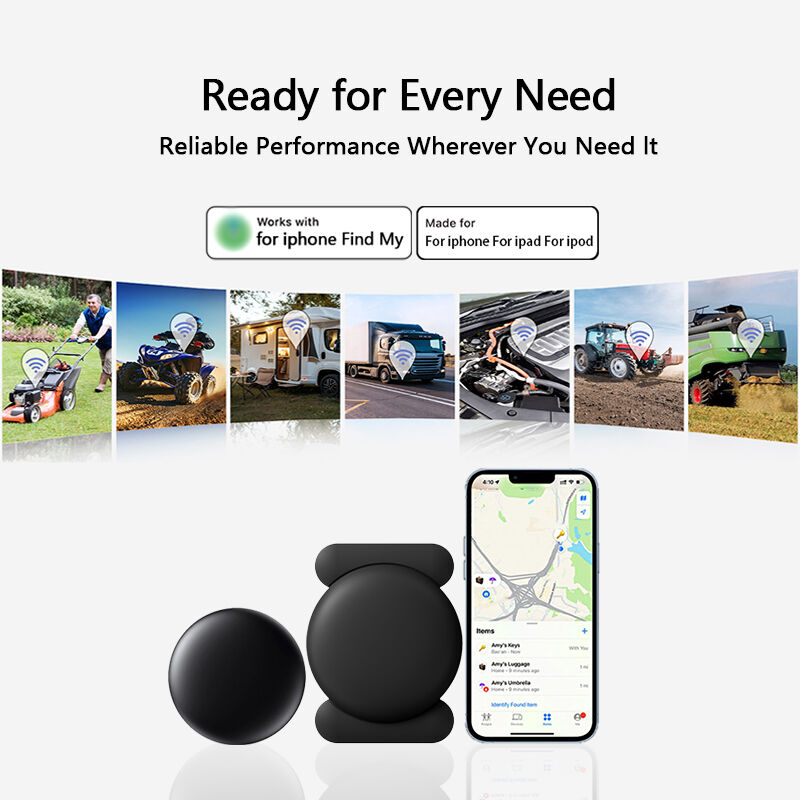
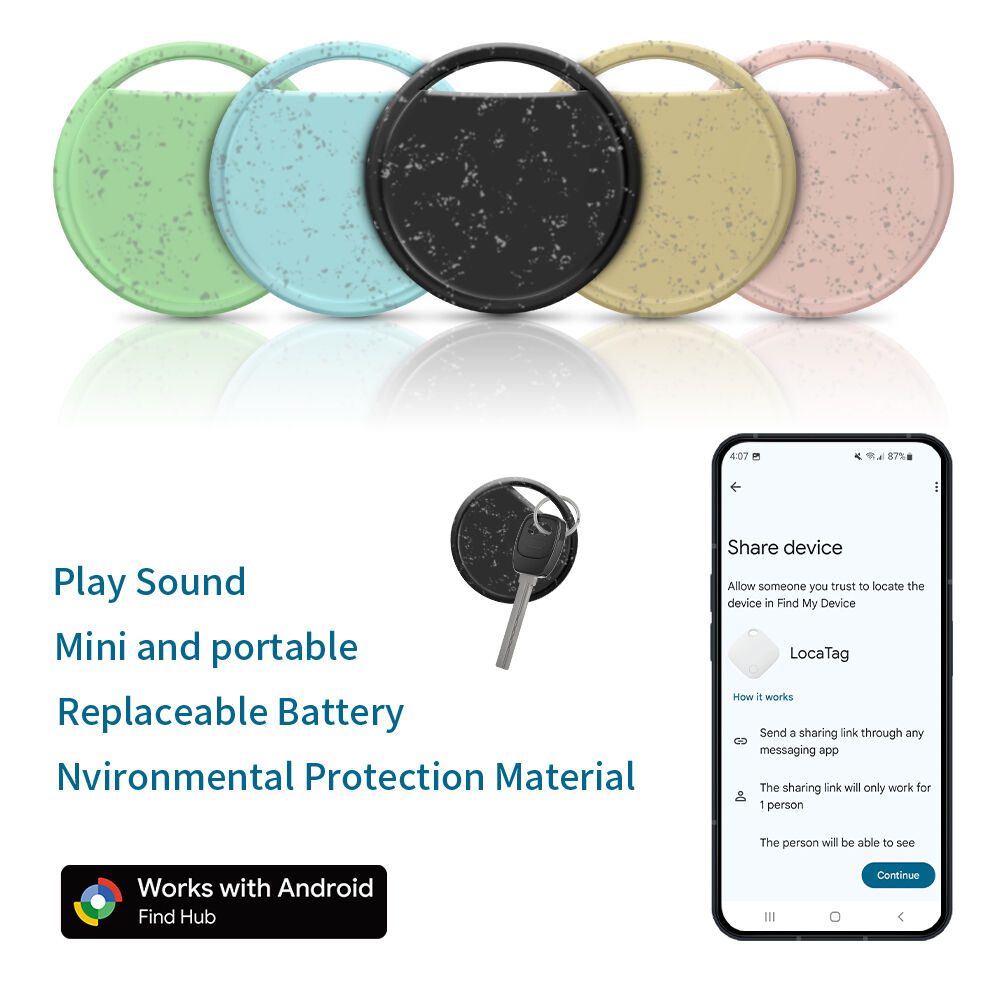
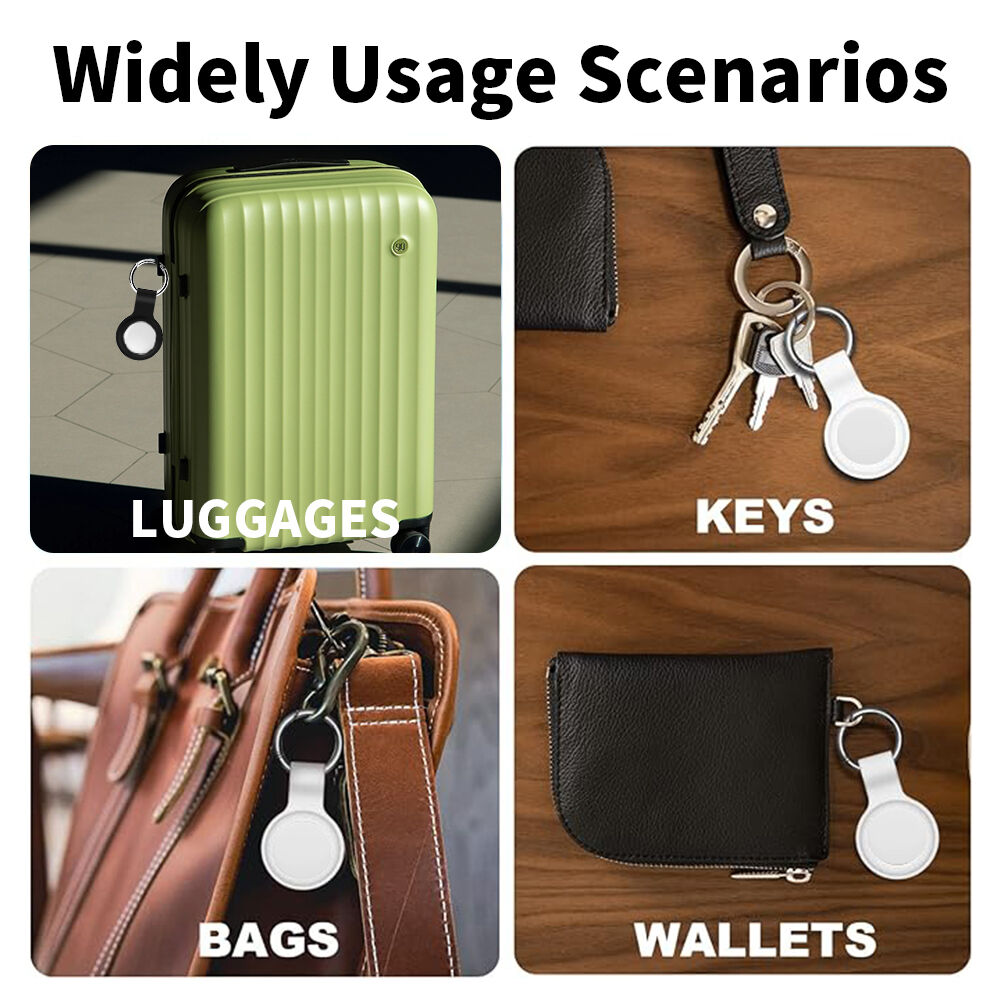
The item locator demonstrates remarkable versatility through its ability to serve diverse industries and applications, making it an essential tool for both personal and professional use cases. In logistics and supply chain management, these devices provide end-to-end visibility for shipments, enabling companies to track packages from origin to destination while providing customers with accurate delivery estimates and real-time updates. Fleet management operations benefit significantly from item locator technology, as it enables comprehensive vehicle monitoring, route optimization, driver behavior analysis, and maintenance scheduling based on actual usage patterns. Construction and industrial applications utilize item locators to prevent tool theft, monitor expensive equipment usage, and ensure compliance with safety protocols by tracking worker locations in hazardous environments. The healthcare industry employs these devices to track medical equipment, monitor patient locations within facilities, and ensure critical supplies remain readily accessible during emergency situations. Educational institutions use item locators to monitor valuable technology equipment, track school vehicles, and provide safety oversight for students during field trips or outdoor activities. Personal applications extend far beyond simple key tracking, encompassing pet monitoring, elderly care assistance, luggage tracking during travel, and vehicle security enhancement. The device adapts to specialized requirements through customizable settings and accessories designed for specific use cases. Retail businesses implement item locator technology for inventory management, theft prevention, and customer service enhancement through rapid product location capabilities. Agricultural applications include livestock monitoring, equipment tracking across large properties, and crop monitoring through sensor-equipped devices that provide environmental data alongside location information. The item locator supports integration with existing business systems through API connections and data export capabilities, enabling seamless incorporation into established workflows and reporting structures. Emergency services utilize these devices for personnel tracking during dangerous operations, equipment accountability, and rapid deployment coordination. The technology scales effectively from single-item personal use to enterprise-level implementations covering thousands of tracked assets, with cloud-based management platforms providing centralized control and analytics capabilities. Customizable reporting features generate detailed usage statistics, cost analysis, and operational efficiency metrics that support informed decision-making across various organizational levels and applications.
 EN
EN